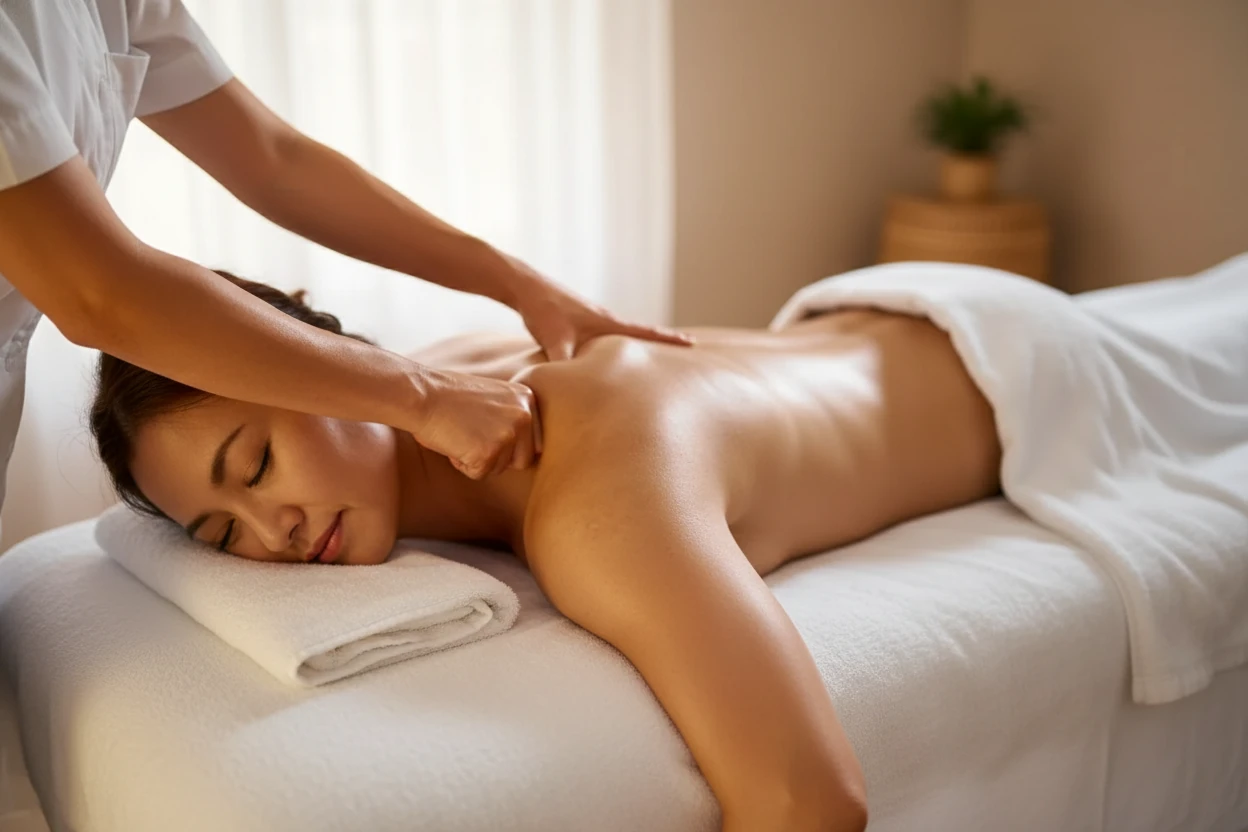
Massage therapy is a popular complementary treatment used worldwide to relieve pain, reduce stress, and improve overall well-being1. Various massage techniques target soft tissues to promote relaxation, ease muscle tension, and support functional recovery2. Selecting the right massage type depends on individual goals, as different modalities offer unique benefits and effects3.
Massage therapy is generally considered a low-risk therapy with minimal adverse effects in the majority of patients4.
Common Massage Forms
Severe adverse events from massage are uncommon but can include serious complications in vulnerable populations like premature infants11.
Swedish Massage
Swedish massage is a gentle full-body technique that uses long gliding strokes, kneading, and tapping to relax muscles and improve circulation2. Its primary goals include muscle relaxation, increased mcv blood test results meaning and normal range flow, and stress reduction4. Research shows Swedish massage can alleviate musculoskeletal pain and stiffness while lowering cardiovascular parameters and anxiety levels25. Additionally, it may enhance immune response and reduce inflammatory markers6. This modality is often recommended for those seeking overall relaxation and relief from mild muscle tension7.
Certification by recognized bodies such as NCBTMB indicates practitioner competence and professionalism4.
Deep Tissue Massage
Deep tissue massage applies more intense pressure than Swedish massage to reach deeper muscle layers and connective tissues26. It targets chronic muscle tension and is commonly used for persistent pain or musculoskeletal injuries4. Clinical evidence supports its effectiveness in improving mobility and reducing pain during rehabilitation6. This massage is ideal for individuals with chronic muscle soreness or injury-related stiffness7.
Discussing your medical background and current medications with your massage therapist is important for safe care4.
Hot Stone Massage
Hot stone massage involves placing heated stones on the body to ease muscle tension and improve blood flow78. The warmth helps relax muscles deeply, alleviating pain and promoting relaxation7. This technique is beneficial for those experiencing muscle tightness and stress, combining heat therapy with massage strokes for enhanced comfort7.
Communicating your pressure preference ensures a comfortable and effective massage experience4.
Sports Massage
Sports massage focuses on muscles used during athletic activities to increase flexibility, prevent injuries, and speed recovery79. It helps relieve muscle strains, reduce pain, and decrease anxiety associated with sports performance8. This modality is often used by athletes to maintain peak physical condition and recover from intense training9.
Shiatsu
Shiatsu is a Japanese massage technique that uses finger pressure on specific acupressure points to relieve blockages and promote energy flow9. It helps reduce muscle tension, relieve headaches, and improve sleep quality8. Shiatsu may also alleviate pain and fatigue by balancing the body's energy pathways9.
Deep tissue massage is often recommended for individuals with persistent pain or musculoskeletal injuries4.
Thai Massage
Thai massage combines muscle compression, joint mobilization, and acupressure to reduce pain and stress9. It improves flexibility, circulation, and energy levels through assisted stretching and rhythmic pressure8. This modality is suitable for people seeking both relaxation and increased mobility9.
Clinical evidence supports deep tissue massage for enhancing mobility and reducing pain in rehabilitation6.
Pregnancy (Prenatal) Massage
Prenatal massage targets pregnancy-related body aches and muscle tension to reduce stress and discomfort810. It may ease muscle strain and improve mood during pregnancy, although experts recommend waiting until after the first trimester10. This massage supports physical and emotional well-being for expectant mothers8.
Craniosacral Therapy
Craniosacral therapy uses gentle touch to release compression in the bones of the head, spine, and pelvis810. It may help with migraines, headaches, neck pain, fibromyalgia, and trauma recovery by improving fluid flow and reducing tension8. This subtle technique is often used for chronic pain and stress-related conditions8.
Physiological effects of Swedish massage include reductions in cardiovascular parameters and anxiety5.
Reflexology
Reflexology applies pressure to specific points on the feet, hands, and ears to promote relaxation and reduce pain98. It can improve sleep, reduce fatigue, and lower anxiety by stimulating nerve endings connected to various body parts8. Reflexology is a non-invasive option for overall stress relief and energy balance9.
Lymphatic Drainage
Lymphatic drainage massage encourages circulation of lymph fluid to remove toxins and reduce swelling810. It may improve quality of life for patients with fibromyalgia and support wound healing10. This technique is gentle and focuses on enhancing the immune system and reducing inflammation8.
Aromatherapy
Aromatherapy massage combines gentle pressure with essential oils to boost mood, reduce stress and anxiety, and relieve muscle tension78. It may also alleviate symptoms of depression and promote relaxation through the therapeutic effects of scents7. This modality is ideal for those seeking emotional as well as physical benefits8.
The typical price for a 60-minute massage in the U.S. ranges from $70 to $90 depending on the provider4.
Chakra Balancing Massage
Chakra balancing massage aims to align the body's energy centers (chakras) to promote physical and emotional harmony7. Though less studied scientifically, it is believed to reduce stress and improve overall well-being by balancing energy flow7. This massage is often integrated with other holistic therapies.
Massage therapy is generally safe with minimal adverse effects for most people. However, vulnerable groups like premature infants require special caution due to rare but serious complications. Discussing your health and preferences with your therapist helps ensure a safe and effective session114.
Massage Therapy Costs
Massage prices vary depending on location, therapist qualifications, and the massage type chosen4. In the United States, a typical 60-minute session costs between $70 and $904. Most massage therapy expenses are out-of-pocket unless prescribed by a healthcare provider for specific medical conditions4. Insurance reimbursement is more likely if the massage is performed by licensed professionals such as physical therapists or chiropractors4.
💡 Did You Know?
Swedish massage is a gentle full-body massage that can help release muscle knots and is good for relaxation. Hot stone massage uses heated stones to ease muscle tension, improve blood flow, alleviate pain, and promote relaxation7.
Choosing a Massage Service
Selecting the right massage service requires considering your health goals, preferences, and safety3. Massage is generally low-risk, but it is contraindicated during acute illness or injury until cleared by a healthcare provider4. Severe adverse events are rare but may occur in vulnerable populations such as premature infants11. Certification by recognized bodies like the National Certification Board for Therapeutic Massage & Bodywork (NCBTMB) ensures practitioner competence4.
Effective communication with your massage therapist is important for safe and comfortable care. Discuss your medical history, current medications, pressure preferences, and any sensitive or target areas before the session4. This helps tailor the massage to your needs and avoid adverse effects4.
Massage therapy is a popular and widely accepted complementary and integrative health modality for individuals seeking relief from pain12.
Massage Therapy Summary
Massage therapy is a widely accepted complementary treatment for pain relief, stress reduction, and improved function112. Different massage types offer distinct benefits, from full-body relaxation with Swedish massage to targeted pain relief with deep tissue massage13. While evidence supports short-term benefits for conditions like low-back pain, neck pain, and fibromyalgia, more high-quality research is needed to confirm long-term effects1412.
Overall, massage therapy is safe when performed by trained professionals and can be a valuable adjunct to conventional medical care49. Patients are encouraged to explore various massage styles to find the most effective approach for their individual needs3.