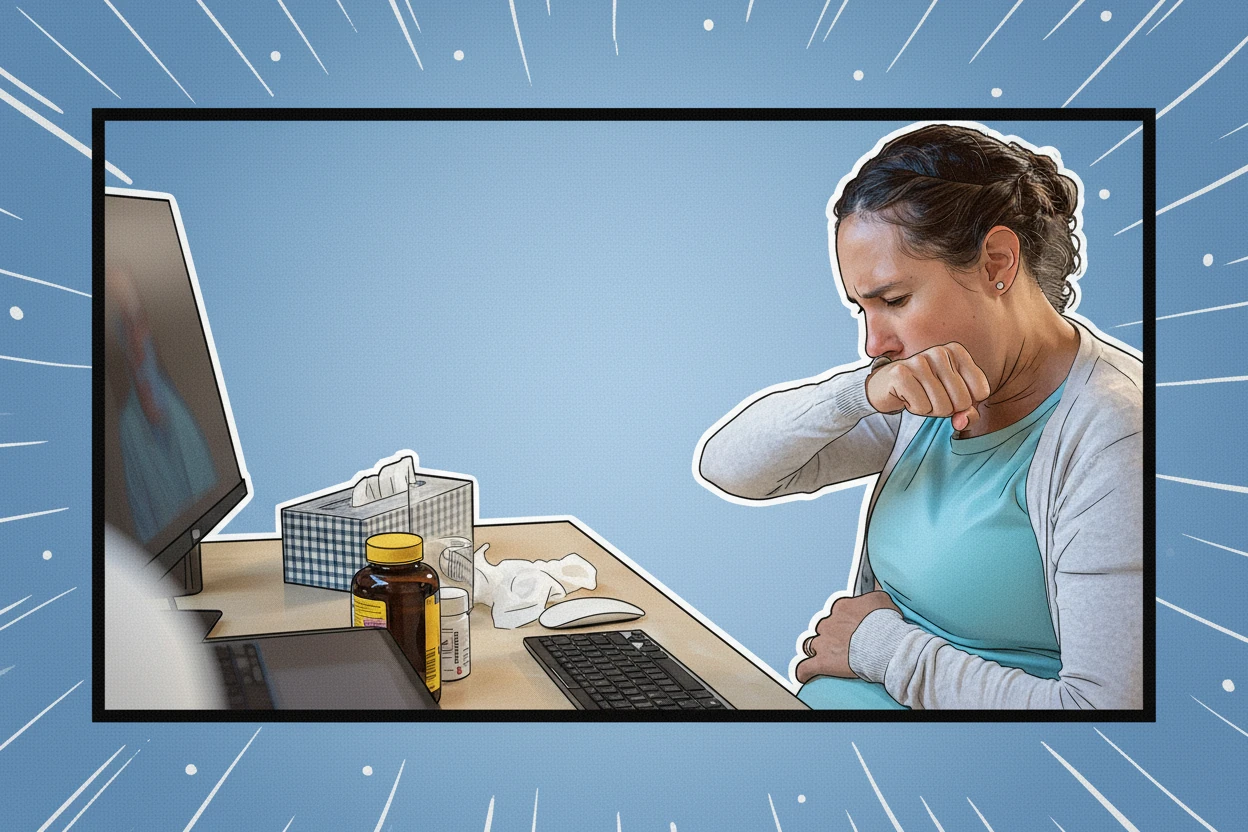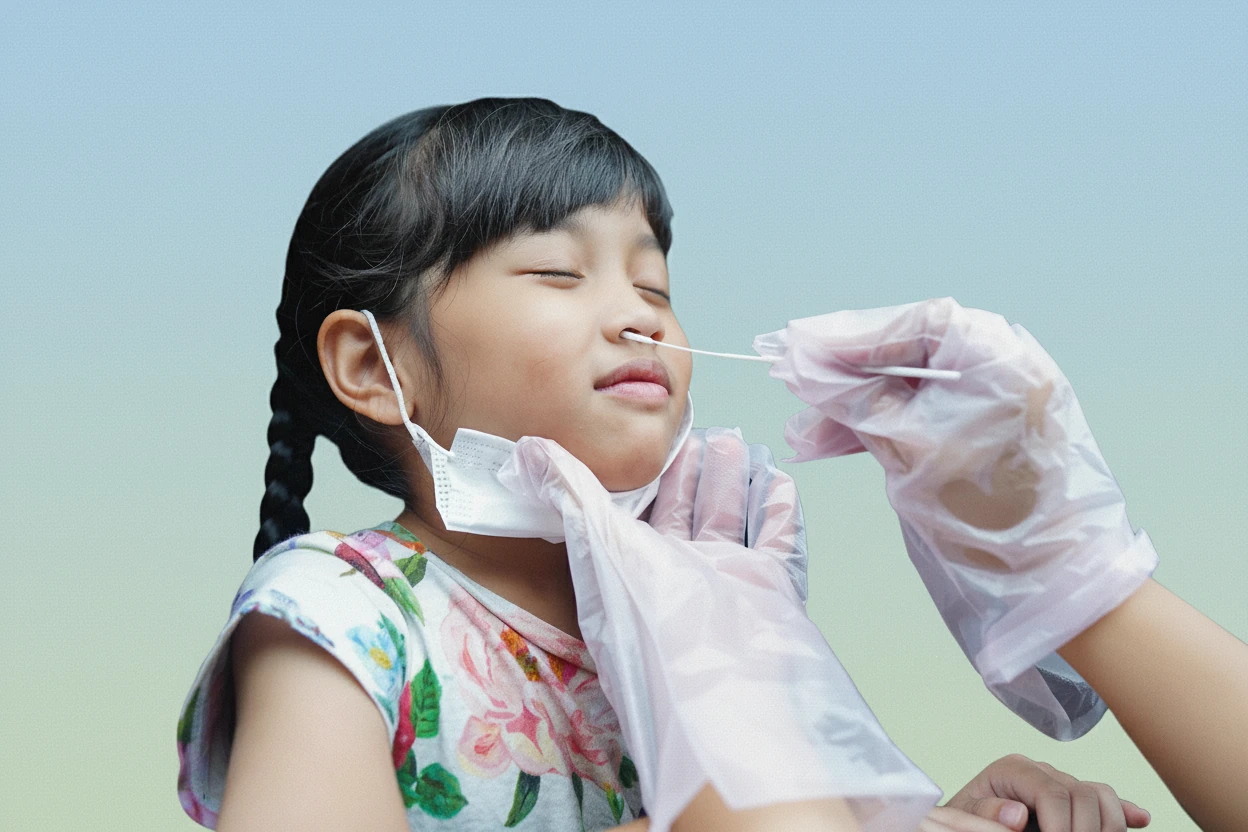
Whooping cough, caused by the bacterium Bordetella pertussis, remains a significant health concern worldwide despite widespread vaccination efforts1. Early treatment is critical, especially in infants, to reduce the severity, duration, and risk of complications associated with the disease2. Prompt antibiotic therapy and supportive care can improve outcomes and help prevent the spread of infection3.
Whooping Cough Medications
Antibiotic therapy is a mandatory and central component of pertussis treatment4. Macrolide antibiotics, including erythromycin, azithromycin, and clarithromycin, are the first-line agents used to eradicate Bordetella pertussis from the nasopharynx, thereby reducing transmission5. Early administration of these antibiotics, ideally within the first one to two weeks of symptom onset, can shorten the duration and severity of symptoms and reduce contagiousness673.
Treatment initiated late in the disease course, particularly after three weeks of cough onset or after the catarrhal stage, does not significantly alter clinical outcomes because the bacterial load decreases and airway inflammation persists653. For infants younger than one month, azithromycin is preferred due to a lower risk of infantile hypertrophic pyloric stenosis (IHPS), a complication associated with erythromycin and clarithromycin in this age group87.
Trimethoprim-sulfamethoxazole is an alternative antibiotic option for patients aged two months and older who have hypersensitivity to macrolides87. Healthcare providers should consider factors such as potential adverse events, drug interactions, tolerability, regimen adherence, and cost when selecting an antibiotic7.
Key points about whooping cough medications:
- Macrolides (azithromycin, erythromycin, clarithromycin) are the preferred antibiotics58.
- Early treatment within 1-2 weeks is most effective at reducing symptoms and transmission73.
- Azithromycin is favored for its shorter course and better tolerance98.
- Antibiotics started after three weeks of illness do not improve symptoms but reduce transmission risk63.
- Infants under 1 month should be monitored closely if treated with macrolides due to IHPS risk8.
Antimicrobial agents initiated during the paroxysmal stage do not affect the duration and severity of illness but can hasten the eradication of Bordetella pertussis in the respiratory tract and help to prevent spread8.
Isolation and Prevention
Isolation is a critical measure to prevent the spread of pertussis, which is highly contagious and transmitted via respiratory droplets9. Patients are contagious from the onset of symptoms, including the initial catarrhal phase, and remain so for up to two weeks after the cough begins9. Isolation should begin immediately upon diagnosis and continue for at least five days after starting effective antibiotic therapy10.
Post-exposure prophylaxis with antibiotics is recommended for household contacts and close contacts to prevent transmission, particularly for those at high risk of severe disease such as infants and pregnant women in their third trimester117. Maintaining strict hygiene practices, such as frequent handwashing and covering the mouth and nose when coughing or sneezing, further reduces the risk of spread12.
Isolation and prevention measures include:
- Immediate isolation upon diagnosis to limit transmission10.
- Isolation duration of at least five days after starting antibiotics10.
- Antibiotic prophylaxis for household and close contacts11.
- Recognition that patients are contagious from symptom onset up to two weeks after cough begins9.
- Hygiene practices such as handwashing and respiratory etiquette12.
Early isolation combined with prompt antibiotic treatment is essential to control pertussis outbreaks. Household contacts should receive prophylactic antibiotics to protect vulnerable individuals, especially infants and pregnant women117.
Supportive Care at Home
Supportive care is vital in managing whooping cough symptoms, which can persist for weeks to months even after antibiotic treatment13. The main goals are to reduce coughing paroxysms, maintain hydration and nutrition, and avoid factors that worsen symptoms8.
Patients should get adequate rest and stay well-hydrated with fluids such as water, juice, and soups to prevent dehydration1312. Eating frequent small meals can help reduce vomiting triggered by coughing fits1312. Environmental irritants like tobacco smoke, dust, and chemical fumes should be avoided to lessen cough severity1312. Humidified air, such as from a cool mist humidifier, may soothe irritated airways and reduce coughing1314.
Over-the-counter cough suppressants are generally not recommended without medical advice, as they are ineffective in treating pertussis and may cause adverse effects1312.
Supportive care tips for home management:
- Ensure plenty of rest during recovery13.
- Maintain hydration with frequent fluids13.
- Eat small, frequent meals to prevent vomiting13.
- Avoid irritants such as smoke and dust13.
- Use humidified air to soothe airways13.
Supportive care helps ease symptoms and supports recovery but does not replace the need for early antibiotic treatment to reduce bacterial spread and severity8.
Hospital Treatment for Severe Cases
Hospitalization is often necessary for severe pertussis, especially in infants under 12 months who are at the highest risk for complications15. Approximately 33% to 50% of infants with pertussis require hospital care, with neonates frequently needing intensive respiratory support1615.
Hospital treatment focuses on maintaining airway patency, providing oxygen therapy, and clearing secretions to support breathing15. Intravenous fluids are administered to maintain hydration when oral intake is inadequate due to vomiting or respiratory distress1512. Continuous monitoring of heart rate, respiratory rate, and oxygen saturation is essential to detect apnea, cyanosis, or hypoxia8.
Patients with intractable nausea, failure to thrive, seizures, or encephalopathy also require inpatient care8. Mechanical ventilation may be necessary in severe respiratory failure8.
Key aspects of hospital care for pertussis:
- Respiratory support including oxygen therapy and airway clearance15.
- Intravenous fluids to maintain hydration15.
- Continuous monitoring of vital signs and oxygen saturation8.
- Careful observation for apnea and hypoxia, especially in infants8.
- Admission criteria include severe symptoms, respiratory distress, or complications15.
Infants often require hospital treatment for whooping cough because the illness is more dangerous for babies. If a child cannot keep down liquids or food, fluids given through a vein may be needed12.
Managing Whooping Cough Recovery
Recovery from pertussis is typically complete but can take weeks to months due to persistent airway inflammation and residual cough13. Supportive care continues to be important during convalescence to maximize nutrition, rest, and comfort8.
Vaccines and Other Protection Tips
Vaccination remains the most effective strategy to prevent pertussis and reduce disease severity and transmission1718. The CDC recommends five doses of the DTaP vaccine by age six for children, with booster doses (Tdap) for adolescents and adults, especially those in contact with infants1917.
Unvaccinated infants and those without maternal Tdap immunization during pregnancy-after-menopause-possibility-and-optionspregnancy-after-menopause-possibility-and-optionspregnancy are at highest risk for severe disease and complications17. Immunity from vaccination or natural infection wanes over time, making booster doses essential throughout life18.
Additional protective measures include:
- Post-exposure antibiotic prophylaxis for household contacts11.
- Avoiding exposure to respiratory irritants13.
- Practicing good hygiene such as handwashing and respiratory etiquette12.
Vaccination and protection highlights:
- Childhood DTaP vaccination reduces pertussis incidence and severity1917.
- Booster Tdap doses recommended for adolescents and adults17.
- Maternal vaccination protects newborns in early life17.
- Immunity wanes, requiring periodic boosters18.
- Antibiotic prophylaxis for close contacts reduces transmission11.
Prevention through immunization remains the best defense in the fight against pertussis. However, nearly all fatal cases of pertussis occur in infants who are too young to have been immunized, so novel strategies must be explored to protect these patients8.
Key Treatment Takeaways
- Early antibiotic treatment with macrolides is critical to reduce symptom severity and transmission73.
- Isolation should start immediately upon diagnosis and continue for at least five days after antibiotics begin10.
- Supportive care including rest, hydration, and avoidance of irritants helps manage symptoms13.
- Hospitalization is often required for infants under 12 months due to risk of severe complications15.
- Vaccination remains the cornerstone of pertussis prevention and control1917.