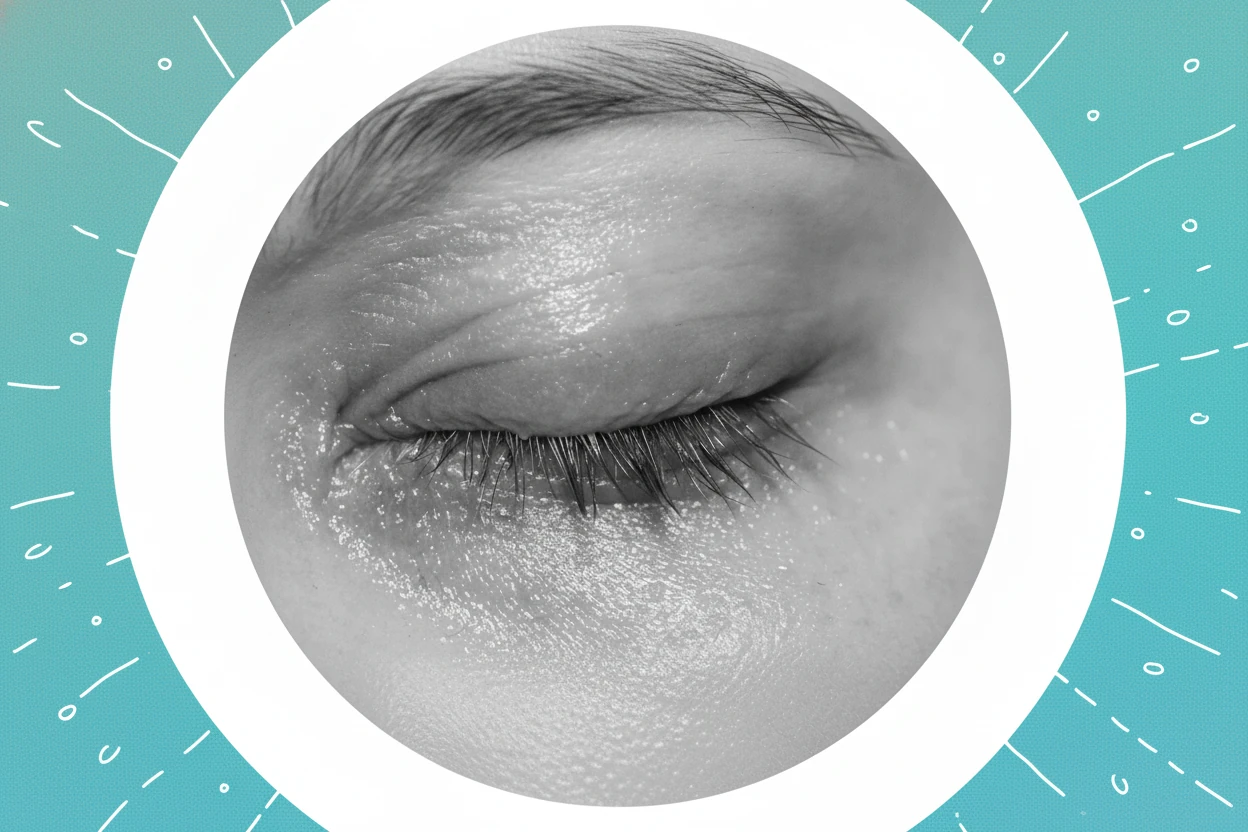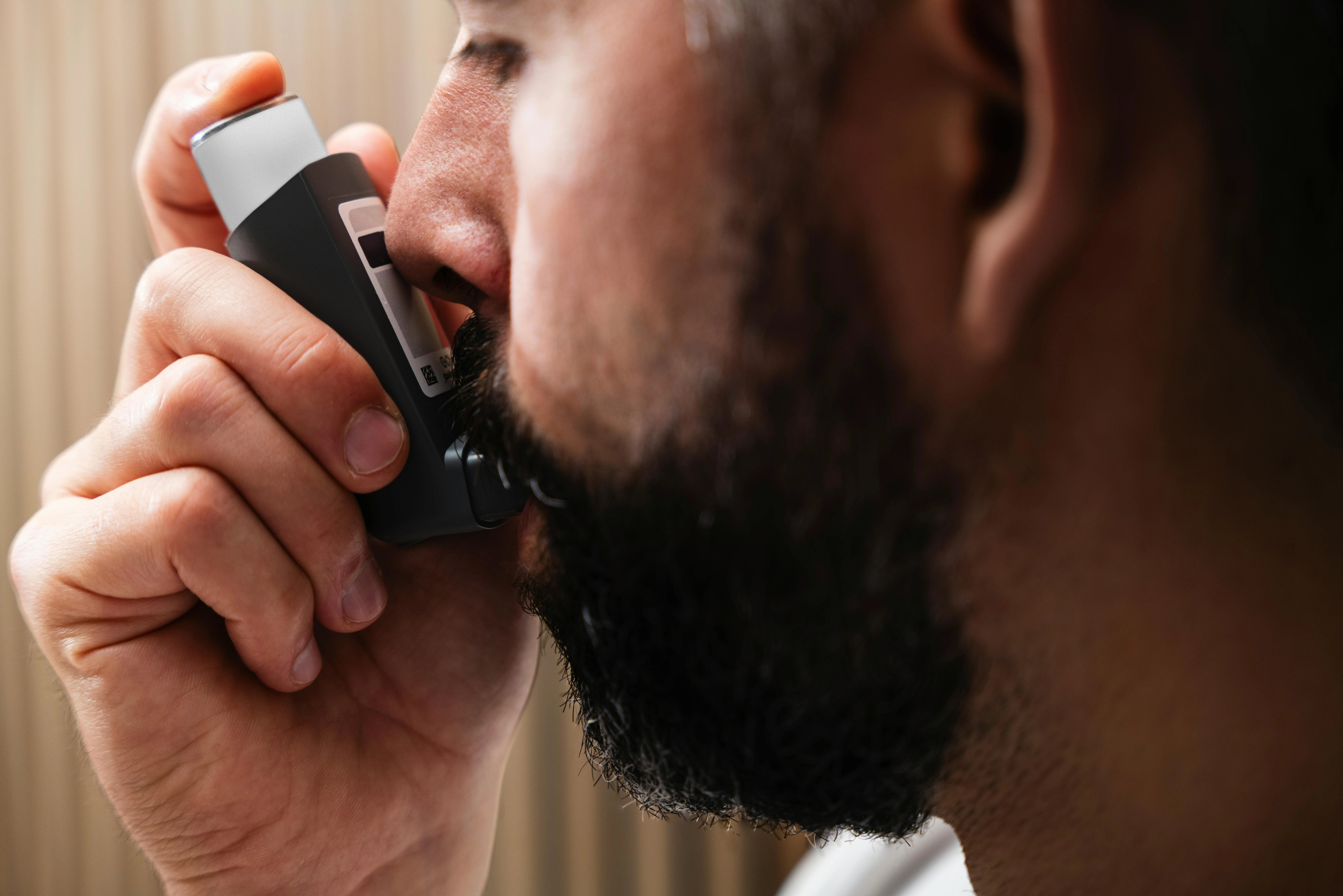
Dry eye disease (DED) affects a significant portion of the adult population worldwide, with estimates ranging from 5% to 50% depending on the population studied12. This condition results from tear film instability caused by either insufficient tear production or excessive tear evaporation, leading to ocular discomfort and visual disturbances3. Early recognition and management of dry eye symptoms are essential to prevent progression and maintain quality of life42.
Dry Eye Risk Factors
Dry eye disease is a multifactorial condition influenced by a combination of intrinsic and extrinsic factors. Tear film instability arises from decreased tear production or increased evaporation, which can be triggered by various medical conditions, environmental exposures, and lifestyle habits32.
Key risk factors include:
- Age: Tear production tends to decline with age, making individuals over 50 years more susceptible to dry eye25.
- Sex and Hormonal Changes: Women are at higher risk, particularly due to hormonal fluctuations during pregnancy, menopause-treatment-options-and-managementmenopause-link-to-alzheimers-higher-risk-in-womenmenopause-treatment-options-and-managementmenopause, or use of birth control pills21.
- Genetic Predisposition: Twin studies indicate a genetic component, with higher dry eye concordance in monozygotic twins6.
- Systemic Diseases: Autoimmune diseases such as rheumatoid arthritis and diabetes contribute to tear film instability and dry eye symptoms72.
- Medications: Certain systemic and topical medications, including antidepressants, antihistamines, hormone replacement therapy, and glaucoma eye drops, can reduce tear secretion or affect tear quality247.
- Environmental Factors: Exposure to wind, smoke, dry air, air pollution, and high altitudes increases tear evaporation and exacerbates symptoms28.
- Lifestyle Factors: Prolonged screen time reduces blink rate, leading to increased tear evaporation and dry eye symptoms910.
- Meibomian Gland Dysfunction (MGD): Blockage or dysfunction of the eyelid oil glands leads to evaporative dry eye, which is the most common subtype of DED1112.
These factors often coexist, making dry eye a complex condition requiring comprehensive risk assessment in clinical practice24.
Dry Eye Prevention Strategies
Preventing dry eye involves addressing modifiable risk factors and adopting protective measures to maintain tear film stability and ocular surface health. Lifestyle and environmental modifications are foundational to prevention and symptom management213.
Effective prevention strategies include:
- Regular Eye Examinations: Annual comprehensive eye exams with tear film assessments, such as Schirmer’s test and tear breakup time, help detect early signs of dry eye and guide timely interventions144.
- Environmental Controls: Using humidifiers to increase indoor humidity and wearing wraparound sunglasses to shield eyes from wind and UV exposure reduce tear evaporation28.
- Avoiding Irritants: Minimizing exposure to cigarette smoke, air conditioners, fans, and hair dryers directed at the eyes prevents irritation and dryness215.
- Blinking and Eye Rest: Taking frequent breaks during screen use and consciously blinking more often help maintain tear distribution and reduce dryness98.
- Medication Review: Consulting healthcare providers to adjust or substitute medications that contribute to dry eye can reduce iatrogenic causes47.
- Warm Compresses and Eyelid Hygiene: Applying warm compresses and gently washing eyelids with mild soap or baby shampoo can improve meibomian gland function and tear quality812.
- Use of Artificial Tears: Regular use of preservative-free lubricating eye drops maintains ocular surface moisture, especially in dry environments or during prolonged visual tasks168.
Adherence to these strategies can significantly reduce the risk and severity of dry eye symptoms, improving comfort and visual function132.
Dry eye disease is a chronic, complex condition that cannot be cured but can be effectively managed through a combination of lifestyle changes, environmental controls, and medical treatments17. Early intervention and patient education are key to preventing symptom progression and maintaining quality of life4.
When to See a Doctor
Prompt consultation with an eye care professional is essential when dry eye symptoms persist or worsen despite preventive measures. Early diagnosis allows for tailored treatment plans that address underlying causes and prevent complications414.
Situations warranting medical evaluation include:
- Reliance on over-the-counter lubricants more than two to three times daily16.
- Persistent symptoms such as burning, stinging, redness, foreign body sensation, or fluctuating vision318.
- New or worsening eye pain, discharge, or sensitivity to light18.
- History of systemic diseases associated with dry eye, such as autoimmune disorders7.
- Use of medications known to cause or exacerbate dry eye symptoms4.
During the evaluation, eye care providers may perform diagnostic tests including:
- Schirmer’s Test: Measures tear production by assessing moisture on a paper strip placed under the eyelid1419.
- Tear Breakup Time (TBUT): Evaluates tear film stability by timing tear evaporation after blinking1419.
- Ocular Surface Staining: Uses dyes to detect damage or inflammation on the cornea and conjunctiva1419.
- Tear Osmolarity and Biomarker Testing: Assesses tear composition and inflammatory markers to guide diagnosis and treatment420.
Treatment options vary based on severity and may include prescription anti-inflammatory eye drops, punctal plugs to conserve tears, specialized contact lenses, or in-office procedures to improve meibomian gland function412.
“If you’re experiencing dryness or irritation in your eyes and relying on over-the-counter lubricants more than two or three times per day, it’s important to see an ophthalmologist and have a comprehensive examination,” said Dr. Starr. “Lubricants can provide brief symptom relief for almost every type of ocular surface disease, but you still need to be treated for the underlying condition causing those symptoms.”
— Christopher E Starr, MD, Academy member and ophthalmologist16
Key Prevention Takeaways
💡 Did You Know? Dry eye symptoms can include paradoxical watery eyes, which occur as a reflex response to irritation caused by tear film instability and meibomian gland dysfunction18.
Effective dry eye prevention hinges on awareness of risk factors and consistent adoption of protective habits. Key points to remember include:
- Dry eye results from tear film instability caused by decreased tear production or increased evaporation32.
- Age, female sex, systemic diseases, medications, and environmental exposures are major risk factors27.
- Regular eye exams and tear assessments enable early detection and intervention144.
- Environmental modifications such as using humidifiers and wearing protective eyewear reduce tear evaporation28.
- Lifestyle changes including frequent blinking, eye rest during screen use, eyelid hygiene, and medication review are critical for prevention948.
By integrating these strategies into daily routines, individuals can reduce dry eye symptoms and maintain ocular comfort and health132.