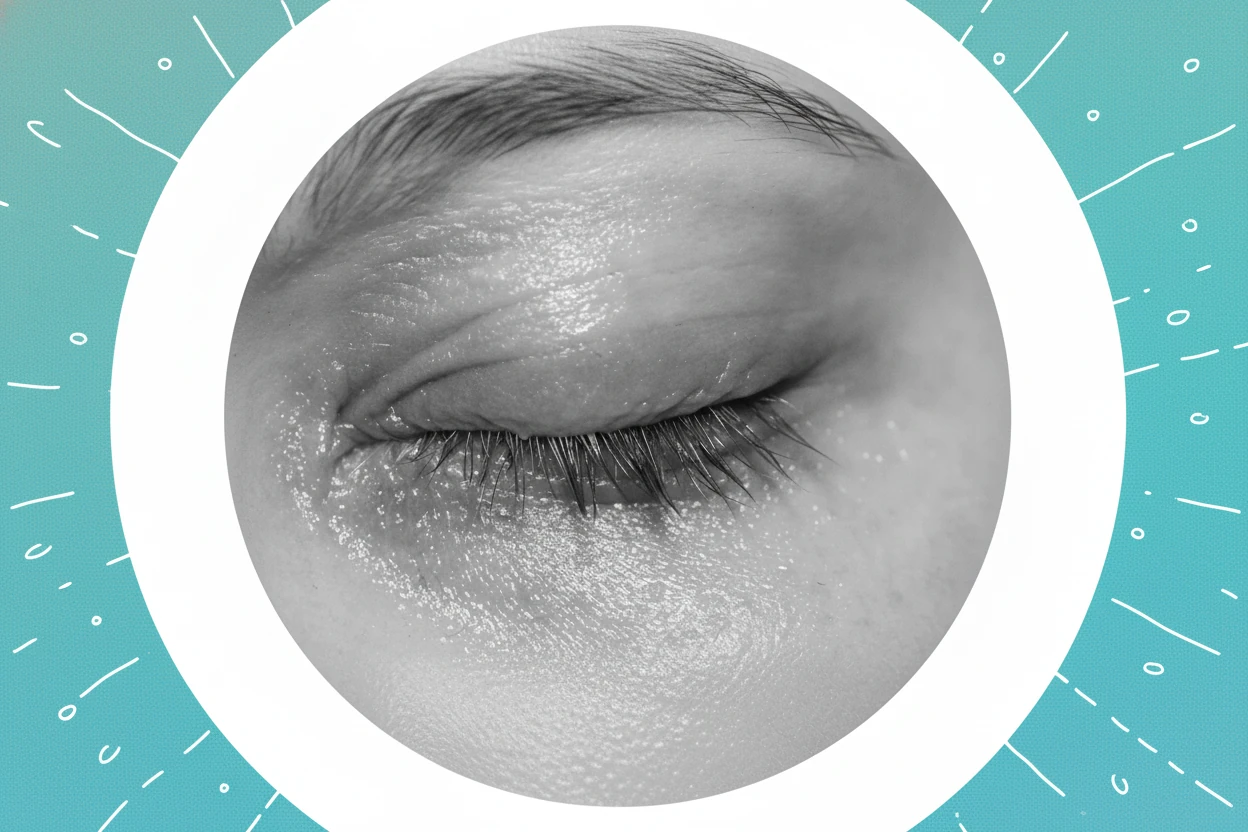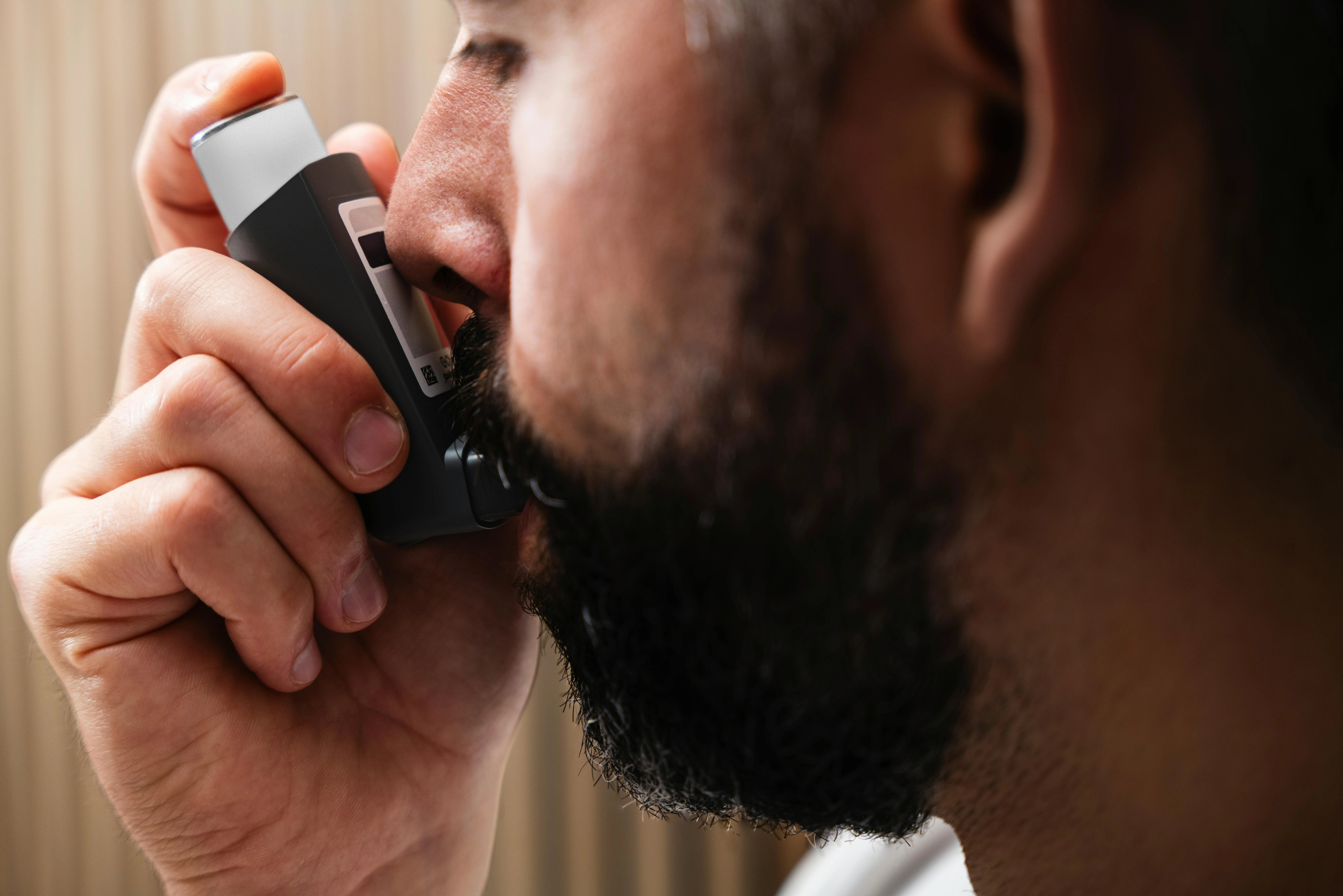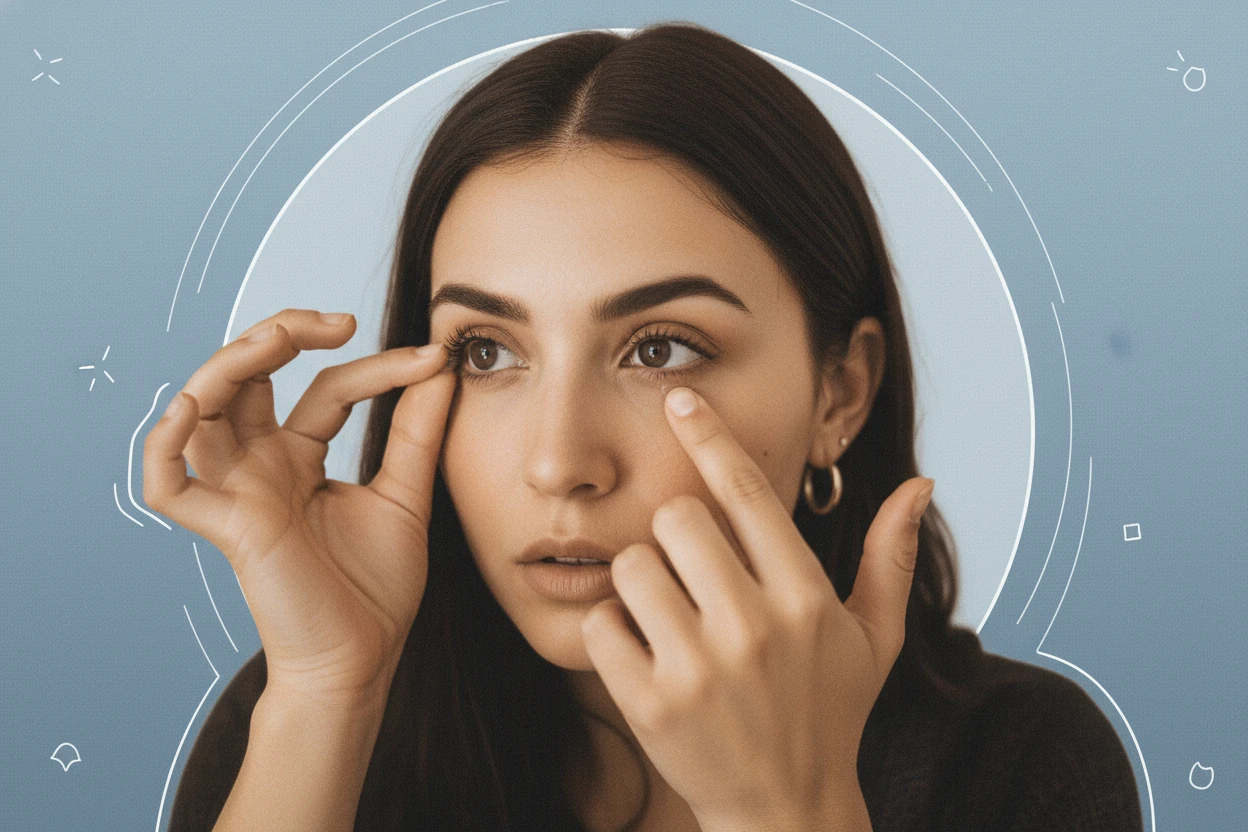
Dry eye disease affects a significant portion of the population worldwide, especially adults over 50 years old1. This condition results from problems with tear production or tear quality, leading to discomfort and potential vision issues2. Understanding the causes and risk factors of dry eye is essential for effective management and prevention3.
Insufficient Tear Production
Insufficient tear production, also known as aqueous tear deficiency, is a primary cause of dry eye disease. Tears are mainly produced by the lacrimal glands located above the eyes, which secrete the aqueous (watery) layer of the tear film essential for ocular surface hydration and nourishment45. When these glands malfunction or produce fewer tears, the eye surface becomes dry and irritated3.
Several factors can reduce tear production:
- Aging naturally decreases lacrimal gland function, leading to less tear secretion63.
- Systemic diseases such as autoimmune disorders (e.g., Sjögren syndrome), diabetes, and thyroid disease impair lacrimal gland function789.
- Certain medications, including antidepressants, antihistamines, beta-blockers, and diuretics, reduce tear secretion910.
- Environmental irritants like wind and smoke destabilize the tear film and worsen dry eye symptoms10.
The lack of adequate tears disrupts tear film homeostasis, causing ocular surface inflammation and damage if untreated35. This aqueous deficiency is often accompanied by symptoms such as burning, stinging, and a gritty sensation in the eyes5.
Poor Tear Quality
Poor tear quality, particularly rapid tear evaporation, is another major cause of dry eye. This evaporative dry eye occurs despite normal tear production but results from instability in the tear film composition4. The tear film consists of three layers: lipid (oil), aqueous (water), and mucin (mucus), each playing a vital role in maintaining eye surface health5.
The lipid layer, produced by the meibomian glands along the eyelid margins, forms the outermost layer of the tear film and prevents tear evaporation43. Dysfunction of these glands, known as meibomian gland dysfunction (MGD), leads to altered lipid secretion, tear film instability, and increased evaporation43.
Key points about poor tear quality include:
- The lipid layer reduces tear evaporation and stabilizes the tear film5.
- Meibomian gland dysfunction causes blockage or poor-quality lipid secretion, increasing tear evaporation4.
- The aqueous layer, produced by lacrimal glands, provides hydration and nutrients but cannot compensate for lipid layer deficiency54.
- Environmental factors such as dry air, wind, and smoke exacerbate tear evaporation10.
- Activities that reduce blinking, like prolonged screen time, also increase tear evaporation1112.
Evaporative dry eye symptoms often include dryness, irritation, redness, and fluctuating vision13. Advanced treatments such as thermal pulsation therapy can help open blocked meibomian glands and restore lipid layer function13.
Dry eye symptoms may paradoxically include watery eyes. This occurs when the lipid layer is deficient, causing rapid tear evaporation and reflex overproduction of watery tears, which does not resolve the underlying problem.14
Genetic Factors in Dry Eye
Genetic predisposition may contribute to the development of dry eye disease, although current evidence remains preliminary and incomplete715. Twin studies have shown higher concordance of dry eye symptoms in identical twins, suggesting a hereditary component2. Certain ethnic groups also appear more susceptible, indicating possible genetic influences16.
However, the exact genetic mechanisms involved in dry eye pathogenesis are not fully understood, and more research is needed to clarify these links717. While genetic factors may increase risk, environmental and lifestyle factors often play a larger role in disease expression17.
“Genetic factors contribute moderately to the diagnosis and symptoms of dry eye disease, but treatment success is limited if genetic factors are involved.”15
Dry Eye Prevalence
Dry eye disease is common worldwide, affecting up to 30% of people over 50 years old1. Its prevalence varies by age, sex, ethnicity, and environmental exposure18. Women are more likely to develop dry eye, especially during hormonal changes such as pregnancy and menopause-treatment-options-and-managementmenopause-link-to-alzheimers-higher-risk-in-womenmenopause-treatment-options-and-managementmenopause96. The condition also becomes more frequent and severe with advancing age due to decreased tear production6.
Other epidemiological points include:
- Dry eye affects all ages but is more prevalent in older adults10.
- Asian and Black populations may have higher dry eye prevalence compared to White populations19.
- Visual terminal users (people who work extensively with screens) have a high incidence of dry eye symptoms18.
- Evaporative dry eye is the most common subtype, often linked to meibomian gland dysfunction4.
Common Risk Factors
Dry eye disease results from a combination of intrinsic and extrinsic risk factors. These can be grouped into five categories:
Medications
Several medications reduce tear production or affect tear quality, increasing dry eye risk:
- Antidepressants and anxiolytics decrease tear secretion9.
- Antihistamines and decongestants reduce tear production9.
- Beta-blockers and diuretics, used for cardiovascular conditions, contribute to dry eye910.
- Nonsteroidal anti-inflammatory drugs (NSAIDs) may exacerbate symptoms in some patients9.
Health Conditions
Systemic diseases can impair tear production or cause ocular surface inflammation:
- Diabetes mellitus causes lacrimal gland dysfunction and meibomian gland abnormalities78.
- Autoimmune diseases such as Sjögren syndrome, rheumatoid arthritis, and lupus reduce tear secretion9.
- Allergic conjunctivitis disrupts tear film stability5.
- Thyroid disorders and other systemic illnesses may increase dry eye risk9.
Lifestyle Habits
Certain behaviors and environmental exposures worsen dry eye symptoms:
- Prolonged screen time reduces blinking, increasing tear evaporation1211.
- Smoking and exposure to smoke irritate the ocular surface10.
- Poor diet low in vitamin A and omega-3 fatty acids may contribute20.
- Inadequate sleep and unhealthy habits can exacerbate symptoms21.
Surgery
Ocular surgeries can lead to temporary or chronic dry eye:
- Laser eye surgeries reduce corneal sensitivity and tear production20.
- Cataract surgery and refractive procedures may cause dry eye symptoms that often improve over time22.
Environment
Environmental factors that increase tear evaporation and irritation include:
Dry eye is a chronic condition that can significantly impact quality of life, causing discomfort, visual disturbances, and emotional distress. Effective management requires addressing both tear quantity and quality, as well as modifiable risk factors.14
- Exposure to wind, smoke, and dry air1020.
- High altitude and pollution worsen ocular surface dryness23.
- Air conditioning and heating systems reduce ambient humidity20.
| Risk Factor | Effect on Dry Eye | Evidence Source |
|---|---|---|
| Age ≥ 50 | Increased prevalence and severity | 61 |
| Female sex/hormones | Reduced tear production | 96 |
| Medications | Decreased tear secretion | 910 |
| Diabetes | Lacrimal gland dysfunction, inflammation | 78 |
| Environmental factors | Tear film evaporation, irritation | 2410 |
Summary of Dry Eye Causes
Dry eye disease arises from a complex interplay of insufficient tear production and poor tear quality. Aqueous tear deficiency results from lacrimal gland dysfunction due to aging, systemic diseases, or medications. Evaporative dry eye is primarily caused by meibomian gland dysfunction, leading to lipid layer deficiency and rapid tear evaporation. Genetic factors may predispose individuals to dry eye but require further study. Risk factors span medications, health conditions, lifestyle habits, surgery, and environmental exposures, all contributing to tear film instability and ocular surface inflammation. Early identification and management of these causes are crucial to prevent complications such as corneal damage and vision loss3497.