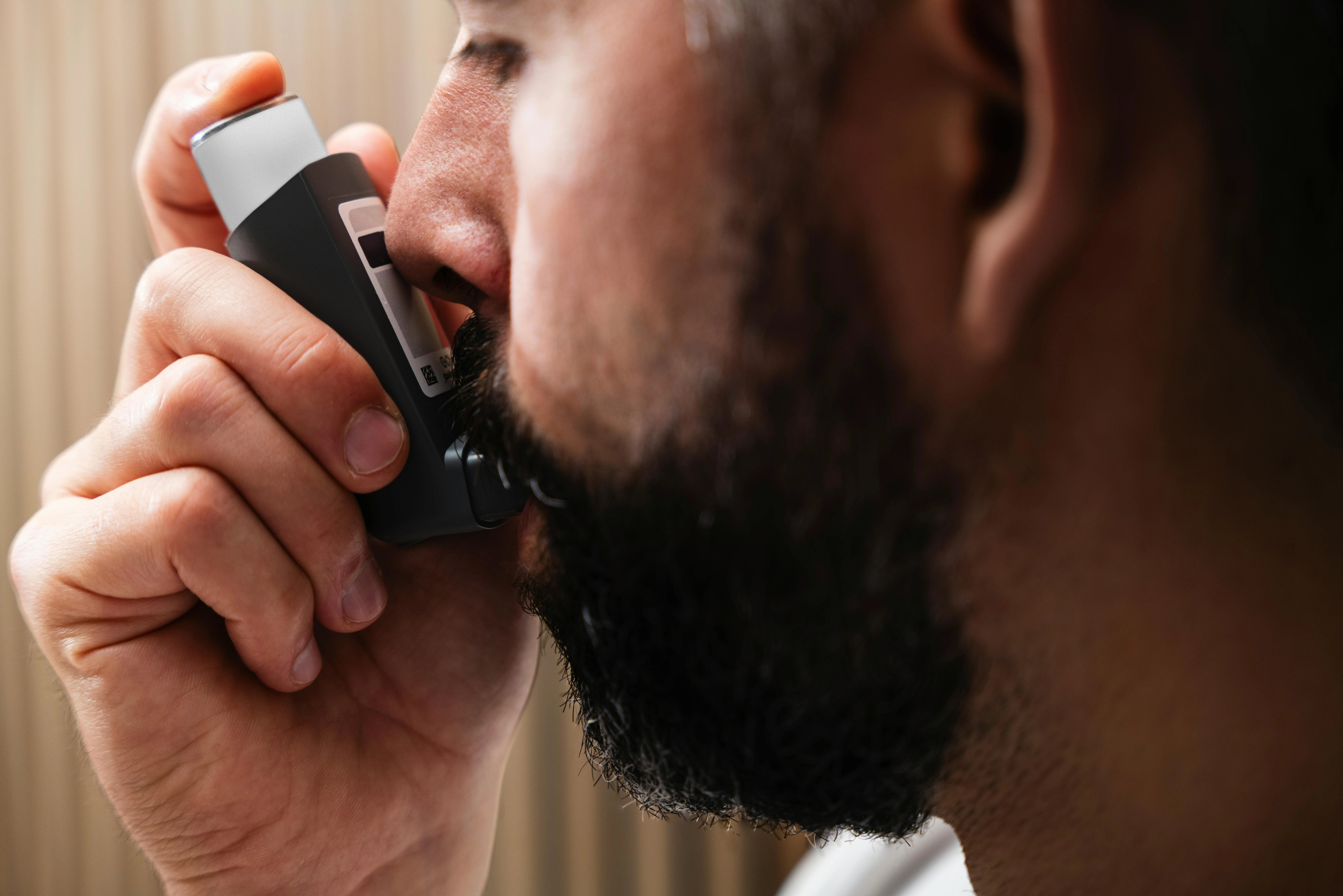
Tachypnea is a condition characterized by abnormally rapid, shallow breathing that can affect individuals of all ages, from newborns to adults1. It often signals an underlying health issue and may cause discomfort such as breathlessness or a feeling of not getting enough air2. Recognizing the causes and symptoms of tachypnea is essential for timely medical care and effective treatment3.
Tachypnea Symptoms: Recognizing Rapid Breathing & Associated Sensations
Tachypnea is defined as rapid, shallow breathing that exceeds the normal respiratory rate for a person’s age3. For adults, a normal resting breathing rate ranges from 12 to 20 breaths per minute, while for infants, it is between 30 and 60 breaths per minute4. Tachypnea occurs when adults breathe faster than 20 breaths per minute and infants exceed 60 breaths per minute2.
People experiencing tachypnea often describe a sensation of breathlessness or an inability to catch their breath5. The breathing pattern is typically shallow and rapid, which may be present even at rest or worsen with physical activity56. Additional symptoms can include:
- Feeling like you are not getting enough air1
- Paresthesias such as tingling in the hands or feet6
- Use of accessory chest muscles during breathing2
- Cyanosis, a bluish or grayish tint to the skin, lips, or nails, indicating low oxygen levels12
- Visible chest retractions where the skin between ribs pulls inward during breathing3
In newborns, tachypnea may present with signs such as nasal flaring, head bobbing, grunting, and chest retractions, reflecting increased effort to breathe2. Tachypnea can be transient, as in transient tachypnea of the newborn, or persistent, indicating more serious underlying conditions17.
“Tachypnea is rapid, shallow breathing that can make you feel like you're not getting enough air. This symptom can affect anyone at any age and is common among newborns and people with respiratory conditions. Treating the underlying cause prevents this symptom.”
— Cleveland Clinic Medical Team, Cleveland Clinic1
Common Causes of Tachypnea: Why You Might Be Breathing Rapidly
Tachypnea results from the body’s attempt to increase oxygen intake or remove excess carbon dioxide due to various underlying conditions. It can be acute or chronic and may arise from respiratory, cardiovascular, metabolic, or psychological causes62.
Respiratory Infections
Respiratory infections are among the most common causes of tachypnea, especially in children and older adults8. Infections such as pneumonia, bronchiolitis, and influenza cause airway inflammation and fluid accumulation, impairing lung function and triggering rapid breathing89. Respiratory syncytial virus (RSV) is a frequent cause of bronchiolitis in infants, leading to tachypnea accompanied by wheezing and cyanosis8.
Fever associated with infections raises the metabolic rate, which further increases respiratory rate as the body demands more oxygen8. Pneumonia, a leading cause of death worldwide, often presents with fever, cough, and tachypnea due to lung inflammation and impaired gas exchange9.
Respiratory Conditions
Chronic and acute respiratory diseases can cause persistent or recurrent tachypnea by reducing oxygen levels or increasing carbon dioxide in the low blood pressure signs and symptoms6. Common respiratory conditions linked to tachypnea include:
- Asthma, characterized by airway narrowing and inflammation2
- Chronic obstructive pulmonary disease (COPD), causing airflow limitation2
- Pulmonary embolism, a blood clot blocking lung arteries10
- Pneumothorax, or collapsed lung, which reduces lung capacity2
- Pulmonary fibrosis and cystic fibrosis, involving lung tissue scarring or mucus buildup2
Transient tachypnea of the newborn is a temporary condition where newborns breathe rapidly for a few days after birth due to delayed clearance of lung fluid111.
Cardiovascular Conditions
Heart-related problems can impair oxygen delivery and lead to tachypnea as a compensatory mechanism612. Conditions that may cause rapid breathing include:
- Heart failure, where the heart cannot pump blood efficiently12
- Ischemic heart disease, leading to reduced oxygen supply to tissues13
- Pericarditis and cardiomyopathy, which affect heart function12
- Fluid buildup around the heart or lungs, causing breathing difficulties12
When the heart fails to meet the body’s oxygen demands, the respiratory rate increases to compensate for low oxygen or high carbon dioxide levels in the blood6.
Anxiety and Panic Disorders
Psychological conditions such as anxiety and panic attacks can trigger tachypnea through hyperventilation, where rapid breathing leads to reduced carbon dioxide levels214. This can cause symptoms like dizziness, tingling sensations, and chest discomfort. Tachypnea related to anxiety is often episodic and may improve with relaxation techniques or treatment of the underlying disorder14.
Other Potential Causes
Several other medical issues can cause tachypnea, including:
- Metabolic acidosis, such as diabetic ketoacidosis, where the body increases breathing to remove excess acid210
- Sepsis, a severe body-wide infection that can cause rapid breathing as a sign of systemic illness1015
- Allergic reactions causing airway swelling and breathing difficulty3
- Obesity hypoventilation syndrome, a chronic condition leading to impaired breathing616
- Structural lung damage or airway obstruction from choking or foreign body inhalation312
These conditions disrupt normal gas exchange or acid-base balance, prompting the body to increase respiratory rate to maintain homeostasis6.
When to Seek Medical Care for Tachypnea: Warning Signs & Emergencies
Tachypnea is often a sign of a serious underlying condition and warrants prompt medical evaluation, especially if accompanied by other concerning symptoms515. Immediate medical attention is recommended if you experience:
- Rapid breathing that worsens or does not improve3
- Cyanosis (bluish or grayish skin, lips, or nails)13
- Chest pain or chest wall retractions (skin pulling in with each breath)53
- Difficulty breathing or labored breathing53
- Fever associated with rapid breathing83
- New onset of rapid breathing without an obvious cause3
Healthcare providers use diagnostic tools such as chest X-rays, blood tests, and pulmonary function tests to identify the cause of tachypnea and guide treatment5. Early diagnosis and management are crucial to prevent complications like respiratory failure or cardiac events5.
Tachypnea can be a medical emergency if accompanied by chest pain, cyanosis, or worsening breathing difficulty. Seek immediate care if these symptoms occur135.
Tachypnea Treatment Options: Managing Rapid Breathing & Underlying Conditions
Treatment for tachypnea focuses on addressing the underlying cause and restoring normal breathing patterns5. Interventions may include:
- Supplemental oxygen to improve oxygen levels in the blood5
- Bronchodilators for airway constriction in asthma or COPD5
- Antibiotics for bacterial respiratory infections such as pneumonia5
- Procedures or surgery for conditions like pneumothorax or pulmonary embolism5
- Supportive care for metabolic or cardiac causes, including managing acidosis or heart failure5
In cases of anxiety-related tachypnea, slow deep breathing exercises and psychological therapies may help control symptoms514. Severe respiratory distress with signs like intercostal retractions or cyanosis requires urgent medical attention5.
Early medical evaluation and treatment improve outcomes and reduce the risk of complications such as hypoxia, organ damage, or cardiac arrhythmias5.
Preventing Rapid Breathing: Strategies to Reduce Tachypnea Risk
While tachypnea itself may not always be preventable, managing underlying health conditions and adopting healthy lifestyle habits can reduce the risk of episodes5. Prevention strategies include:
- Adhering to treatment plans for chronic respiratory diseases like asthma and COPD5
- Receiving timely vaccinations to prevent respiratory infections8
- Maintaining a healthy weight to reduce risk of obesity-related breathing problems16
- Managing anxiety and panic disorders through therapy and stress reduction techniques514
- Ensuring adequate nutrition and sleep to support overall health and reduce anxiety-related symptoms5
Preventive care and lifestyle modifications help maintain lung and heart health, reducing the likelihood of tachypnea triggered by illness or stress5.
Key Takeaways: Understanding & Managing Tachypnea
- Tachypnea is rapid, shallow breathing that exceeds normal respiratory rates for age and can cause breathlessness and discomfort13.
- It is commonly caused by respiratory infections, chronic lung diseases, heart conditions, anxiety, and metabolic disturbances862.
- Symptoms such as cyanosis, chest pain, and worsening breathing require immediate medical evaluation53.
- Treatment targets the underlying cause and may include oxygen therapy, medications, or surgical interventions5.
- Preventing tachypnea involves managing chronic diseases, preventing infections, and addressing mental health514.