Cardiac arrest is a sudden and life-threatening condition where the heart abruptly stops pumping blood effectively, leading to a rapid loss of consciousness and cessation of breathing1. Each year, hundreds of thousands of people experience cardiac arrest, often with little or no warning, making immediate recognition and treatment critical for survival2. The brain is highly sensitive to oxygen deprivation, so without prompt intervention, brain damage and death can occur within minutes1.
Types of Cardiac Arrest
Cardiac arrest can be classified based on where it occurs and the heart's initial electrical rhythm. It may happen inside a hospital (in-hospital cardiac arrest) or outside a hospital setting (out-of-hospital cardiac arrest)3. Another important classification involves the heart's rhythm at the time of arrest, which can be shockable or non-shockable4. Shockable rhythms, such as ventricular fibrillation and pulseless ventricular tachycardia, are irregular electrical activities that can often be treated with defibrillation5. Non-shockable rhythms include asystole and pulseless electrical activity, which require different management approaches3.
Sudden cardiac arrest refers to the abrupt cessation of heart function without warning, often leading to sudden collapse6. If resuscitation efforts like CPR (cardiopulmonary resuscitation) and medical intervention successfully restore heart function, this is called aborted sudden cardiac death7. When cardiac arrest results in death, it is termed sudden cardiac death6.
Cardiac Arrest Symptoms
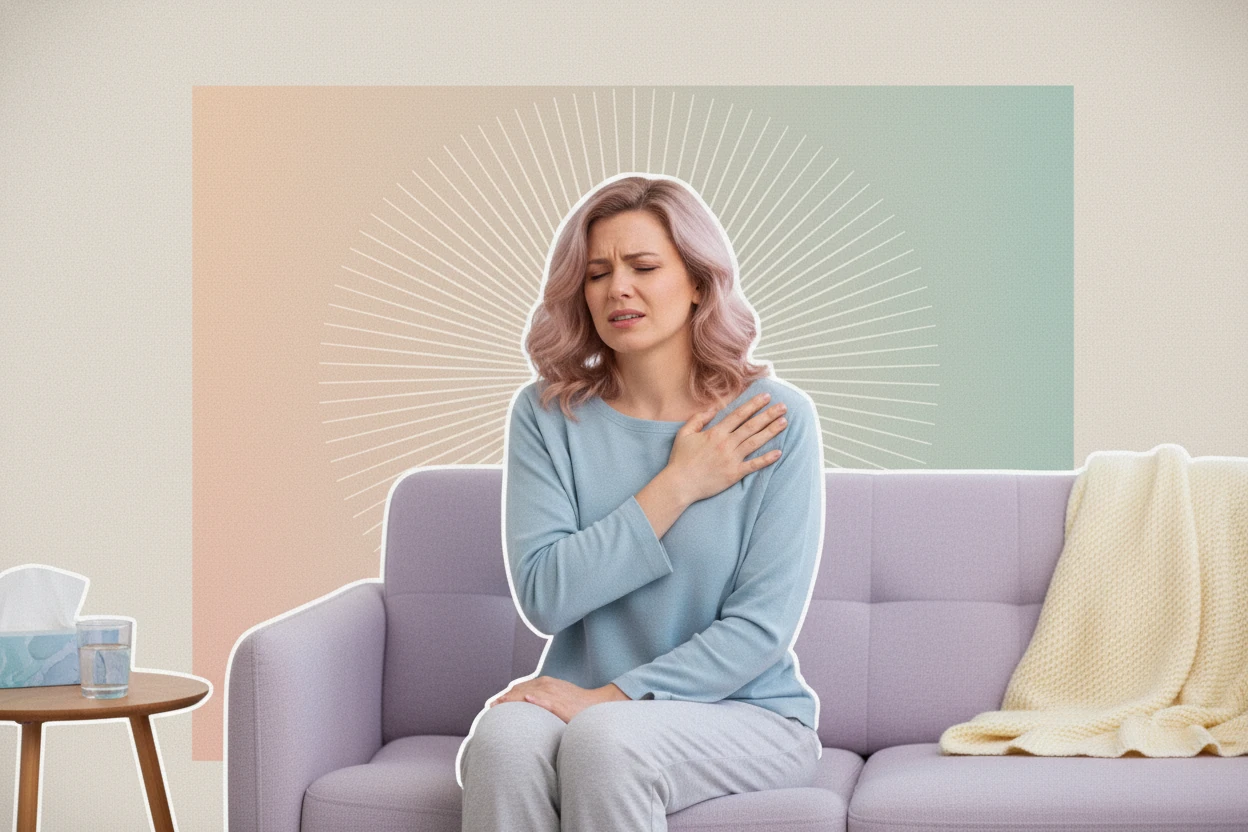
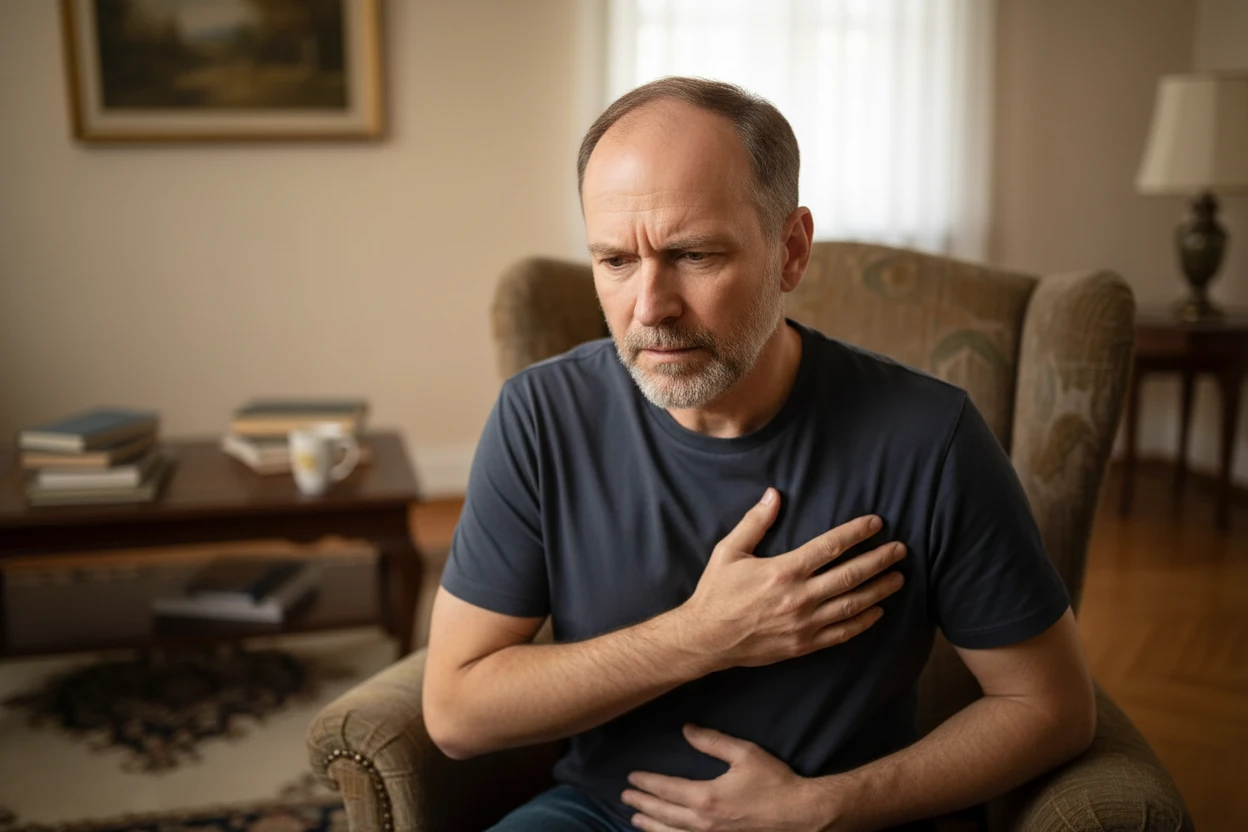
Symptoms of cardiac arrest typically occur suddenly and include loss of consciousness, absence of breathing, and no detectable pulse1. In many cases, cardiac arrest happens without any prior warning signs8. However, some individuals may experience symptoms before the event, such as chest discomfort, shortness of breath, weakness, palpitations (a fast or pounding heartbeat), dizziness, or fainting9.
If you witness someone suddenly collapse, is gasping, or is not breathing normally, suspect cardiac arrest and act immediately6. A person who cannot be awakened after shaking or shouting may also be experiencing cardiac arrest6. The absence of a pulse is a definitive sign of cardiac arrest6.
Cardiac Arrest Causes
Cardiac arrest occurs due to a failure of the heart to contract effectively, leading to the sudden cessation of blood circulation10. The most common cause is an abnormal heart rhythm called ventricular fibrillation, where the heart's lower chambers quiver instead of pumping blood2. This arrhythmia is often triggered by underlying heart conditions.
Common heart-related causes include:
- Heart attack (myocardial infarction), which damages heart muscle and disrupts electrical signals6
- Coronary artery disease, where arteries supplying the heart become narrowed or blocked9
- Cardiomyopathy, an enlarged or thickened heart muscle that impairs function6
- Heart valve disease, causing abnormal heart muscle stress6
- Congenital heart defects present from birth6
- Myocarditis, inflammation of the heart muscle6
Non-cardiac causes can also lead to cardiac arrest, such as:
- Pulmonary embolism (blood clot in the lungs)6
- Electrolyte imbalances like hyperkalemia (high potassium), hypokalemia (low potassium), and hypomagnesemia (low magnesium)6
- Trauma or severe injury6
- Asphyxiation or airway obstruction6
Severe emotional stress can rarely trigger cardiac arrest through conditions like Takotsubo cardiomyopathy, also known as broken heart syndrome6.
Diagnosing Cardiac Arrest
Diagnosing cardiac arrest primarily involves clinical assessment, including checking for unresponsiveness, absence of breathing, and lack of pulse6. Once cardiac arrest is suspected or confirmed, further tests are essential to identify the underlying cause.
Key diagnostic tools include:
- Electrocardiogram (ECG or EKG) to detect arrhythmias and heart attacks6
- Blood chemistry tests and blood gas analysis to identify electrolyte imbalances or metabolic causes6
- Chest X-ray and computed tomography angiography (CTA) to evaluate lung conditions such as pulmonary embolism or pneumothorax6
- Echocardiogram to detect cardiac tamponade (fluid around the heart) and structural heart disease6
- Cardiac catheterization and electrophysiology studies to identify coronary artery blockages and rhythm disorders6
Early and accurate diagnosis guides effective treatment and improves survival chances6.
Cardiac Arrest Treatment
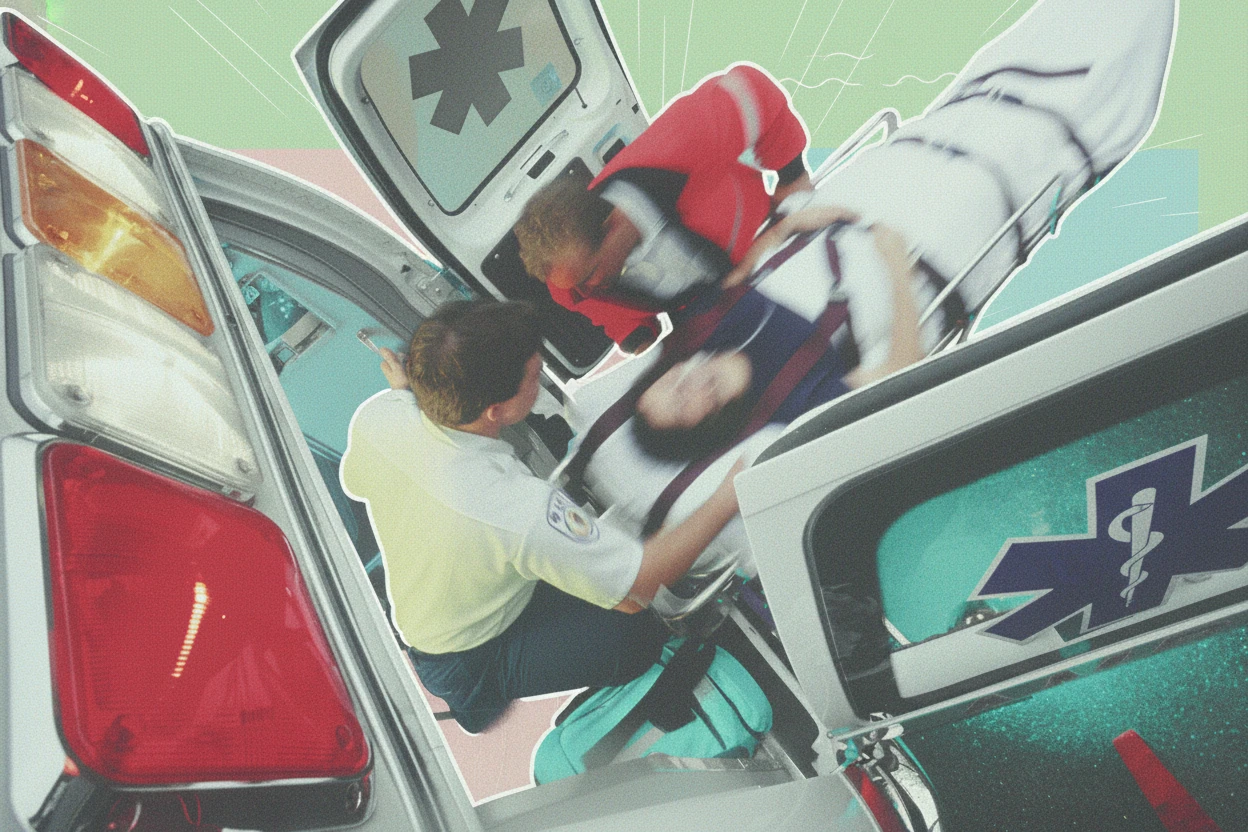
Immediate treatment of cardiac arrest is critical to restore blood flow and oxygen delivery to vital organs. The cornerstone of treatment is cardiopulmonary resuscitation (CPR), which involves chest compressions to manually pump blood6. Chest compressions should be performed at a rate of 100 to 120 compressions per minute, allowing the chest to fully recoil between compressions6.
Use of an automated external defibrillator (AED) is essential when available. AEDs analyze the heart rhythm and deliver an electric shock if a shockable rhythm is detected, helping to restore a normal heartbeat2. Early defibrillation significantly increases survival rates2.
Advanced resuscitation measures provided by emergency medical personnel include:
- Advanced airway management to secure breathing6
- Administration of medications such as epinephrine to support heart function2
- Post-resuscitation care in the hospital to manage underlying causes and prevent recurrence6
Treatment varies depending on the cause of cardiac arrest and may involve medications, surgical procedures, or implantable devices like defibrillators9.
“Survival can be as high as 90% if treatment starts within the first minutes after sudden cardiac arrest. The rate drops by about 10% each minute longer.”
— Cleveland Clinic2
Cardiac Arrest Prevention
Preventing cardiac arrest focuses on maintaining heart health and managing risk factors. Lifestyle modifications are key to reducing the risk of heart disease and cardiac arrest6. Important preventive measures include:
- Eating a heart-healthy diet rich in fruits, vegetables, whole grains, nuts, and legumes6
- Reducing intake of salt, processed foods, and trans fats6
- Engaging in regular moderate exercise6
- Avoiding tobacco use and limiting alcohol consumption9
- Managing underlying conditions such as high blood pressure, high cholesterol, diabetes, and obesity6
Regular medical check-ups to monitor cardiovascular risk factors and early treatment of heart conditions are also vital6. For individuals at high risk, doctors may recommend implantable cardioverter-defibrillators (ICDs) or genetic testing for inherited arrhythmias9.
“If only we correct our eating habits. Then not only we would have perfect body weight, but also we can get rid of most of the diseases.”
— Subodh Gupta11
Potential Complications
Cardiac arrest can lead to serious complications, especially if treatment is delayed. The brain is highly sensitive to oxygen deprivation, and lack of blood flow during cardiac arrest can cause brain damage within minutes1. Survivors may experience:
- Neurological deficits such as cognitive impairment, difficulty concentrating, and memory loss2
- Motor and coordination problems2
- Speech and swallowing difficulties2
- Fatigue and muscle weakness2
- Other organ dysfunction due to prolonged lack of oxygen6
The severity of complications often depends on the duration of the arrest and the effectiveness of resuscitation efforts6. Prompt CPR and defibrillation improve the chances of survival without severe brain injury2.
Frequently Asked Questions
What is the difference between cardiac arrest and a heart attack?
Cardiac arrest is an electrical problem where the heart suddenly stops beating effectively, while a heart attack is caused by a blockage that stops blood flow to part of the heart muscle. A heart attack can trigger cardiac arrest but they are not the same condition9.
Can cardiac arrest be prevented?
Yes, by maintaining a healthy lifestyle, managing heart disease risk factors, and following medical advice for existing heart conditions, the risk of cardiac arrest can be reduced6.
What should I do if I witness someone having cardiac arrest?
Call emergency services immediately, start CPR with chest compressions, and use an AED if available. Early intervention greatly increases survival chances2.
What are the survival rates for cardiac arrest?
Survival rates vary; approximately 10% survive out-of-hospital cardiac arrest, while in-hospital survival can be as high as 60% depending on circumstances and promptness of treatment6.
What happens after surviving cardiac arrest?
Survivors often require rehabilitation to recover neurological and physical functions. Long-term heart care and lifestyle changes are essential to prevent recurrence2.