Sudden cardiac arrest (SCA) is the leading medical cause of death in young athletes, with survival rates varying significantly by race and circumstances of the event12. Black male athletes, particularly those competing in Division I basketball, face a notably higher risk of sudden cardiac arrest and death compared to their white counterparts34. Understanding the underlying causes, risk factors, and prevention strategies is critical to improving outcomes and safety for these athletes56.
Basketball Passion and Athlete's Heart Condition
Basketball is a popular sport among young competitive athletes, with many elite players engaging in multiple daily workouts and competing at both domestic and international levels73. Intense physical training leads to physiological changes in the heart-attack-symptoms-in-womenheart-attack-symptoms-in-womenheart-attack-symptoms-quick-recognition-saves-livesheart-attack-symptoms-quick-recognition-saves-livesheart, collectively known as "athlete’s heart." This condition involves benign adaptations such as increased left ventricular mass and chamber size, which can mimic pathological conditions but are not harmful8.
One of the most common causes of sudden cardiac death (SCD) in young athletes is hypertrophic cardiomyopathy (HCM), accounting for about 20–25% of cases in the United States5. HCM is characterized by abnormal thickening of the heart muscle, which can increase the risk of fatal arrhythmias during intense exercise8. Differentiating between athlete’s heart and HCM is essential, as the former is a normal adaptation while the latter is a serious medical condition.
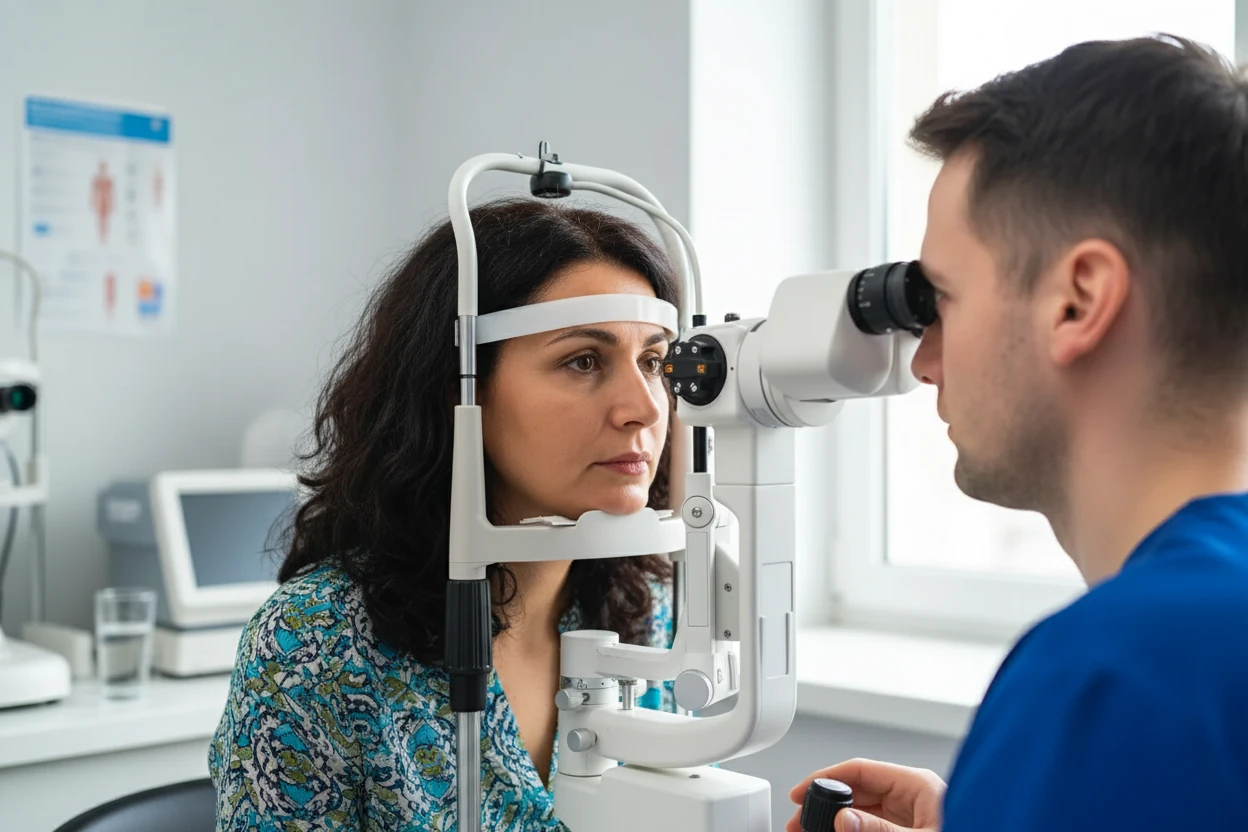
Comprehensive cardiac screening for athletes typically includes a detailed history, physical examination, electrocardiogram (EKG), and echocardiography, with further testing such as stress testing or cardiac MRI if abnormalities are detected9. Athletes with borderline findings may be advised to monitor symptoms closely before making decisions about sports participation9.
💡 Did You Know?
Implementing EAPs and providing training in CPR and AED use for team members and personnel are essential steps toward improving survival rates in SCA cases13.
Key points about athlete’s heart and cardiac screening include:
- Athlete’s heart involves physiological cardiac adaptations to intense exercise8.
- Hypertrophic cardiomyopathy is a pathological condition with abnormal thickening of the heart muscle8.
- Basketball players often undergo rigorous training schedules, increasing cardiac workload73.
- Screening methods include EKG, echocardiography, stress testing, and MRI9.
- Differentiating athlete’s heart from HCM is critical to prevent sudden cardiac events98.
Sudden Cardiac Arrest in Black Male Athletes
Epidemiologic studies consistently show that Black athletes, especially Black male athletes in Division I basketball, have the highest incidence of sudden cardiac death, with rates up to 1 in 7,696 athlete-years compared to 1 in 58,480 for white males310. Black athletes have a two- to threefold higher risk of sudden cardiac arrest compared to white athletes10.
The main causes of sudden cardiac death in young athletes include:
- Hypertrophic cardiomyopathy (20.6%)
- Idiopathic left ventricular hypertrophy (13.4%)
- Coronary artery anomalies (12.0%)5
While the prevalence of hypertrophic cardiomyopathy is similar across races, the intensity of exercise and other factors may influence the risk of sudden cardiac arrest in Black athletes10. Social determinants of health, such as socioeconomic deprivation, structural racism, impaired access to healthcare, and psychosocial stressors, are believed to contribute significantly to this increased risk3116.
A study found that Black college football players had a higher risk of developing concentric left ventricular hypertrophy (C-LVH), a thickening of the left side of the heart, which was closely linked to lower family income levels compared to White players116. These findings highlight the complex interplay between biological and social factors in the risk of sudden cardiac arrest.
Understanding why among all athletes, Black players have higher rates of sudden cardiac arrest is an important public health issue and should be an urgent focus of future research.6
“It’s exciting that we’ve seen survival improve over the last decade, likely because of ongoing efforts to improve emergency preparedness including the recognition of sudden cardiac arrest and increases in AED distribution and CPR training.”
— Bradley J. Petek, M.D., Oregon Health & Science University2
Disparities in survival rates after sudden cardiac arrest are also notable. Black athletes have lower survival rates compared to white athletes, with 57% of Black athletes dying after exertion-related SCA compared to 32% of White athletes2. Survival is higher when cardiac arrest occurs during games rather than practices, likely due to better emergency preparedness and availability of automated external defibrillators (AEDs)2.
Factors contributing to the higher risk and poorer outcomes in Black athletes include:
- Higher incidence of sudden cardiac arrest in Black male athletes, especially in basketball310.
- Similar prevalence of hypertrophic cardiomyopathy across races, but increased risk linked to exercise intensity10.
- Social determinants such as socioeconomic deprivation and structural racism116.
- Lower survival rates after sudden cardiac arrest in Black athletes2.
- Importance of emergency preparedness and AED availability in improving survival2.
Survivor's Recovery and Awareness Mission
Survival after exercise-related sudden cardiac arrest varies widely, with some athletes recovering physically but facing significant psychological challenges12. Implantable cardioverter-defibrillators (ICDs) are effective in preventing recurrent arrhythmias and improving survival in athletes who have experienced sudden cardiac arrest12.
Psychological support is a crucial component of rehabilitation, as depression, anxiety, and loss of purpose are common concerns for survivors adjusting to life after a cardiac event12. Shared decision-making between athletes and healthcare providers is now emphasized, focusing on identifying risks and developing personalized safety plans rather than automatic disqualification from sports4.
“An important contributor to health disparities among Black athletes is likely to include factors such as structural racism, impaired access to health care, distrust of the medical system, and underrepresentation in clinical trials.”
— Patrice Desvigne-Nickens, M.D., NHLBI’s Division of Cardiovascular Sciences6
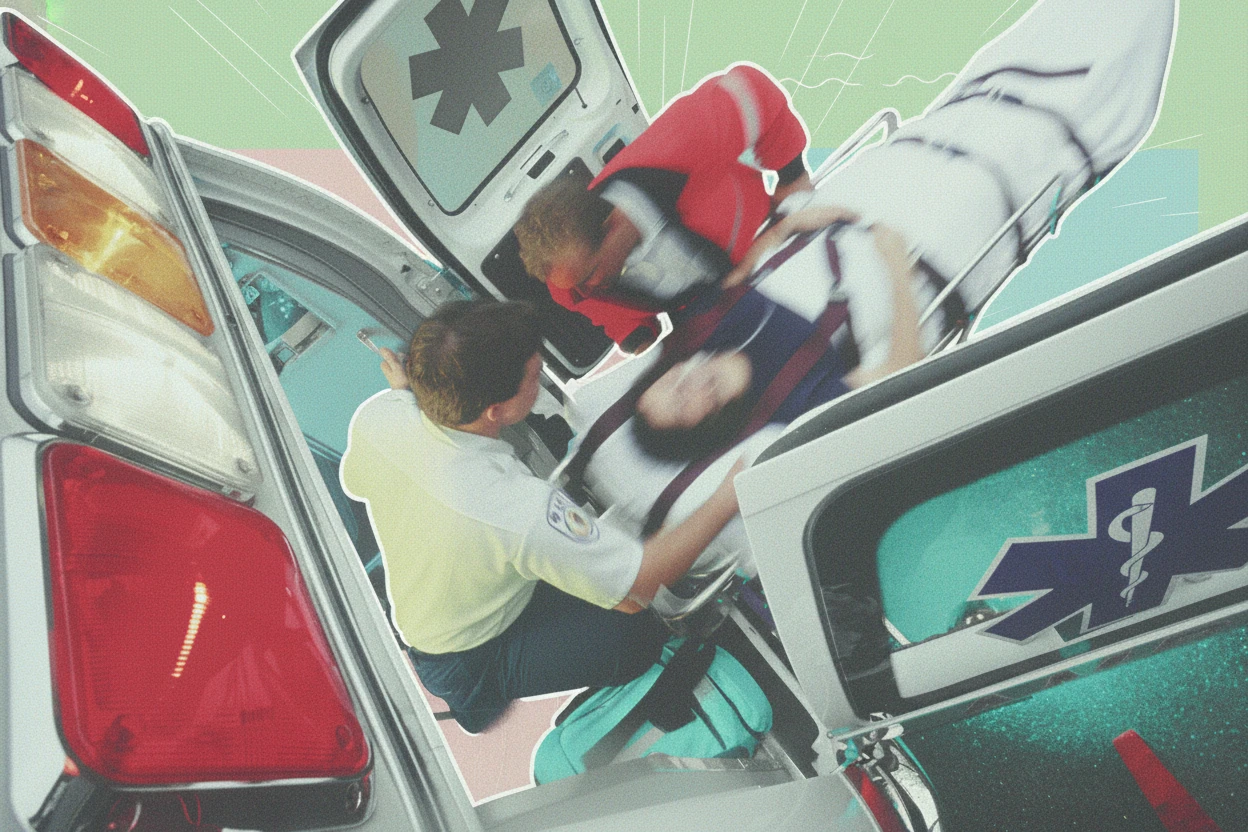
Emergency preparedness plays a vital role in improving survival rates. Implementing emergency action plans (EAPs), training team members and personnel in cardiopulmonary resuscitation (CPR), and ensuring immediate access to AEDs are essential steps to optimize outcomes in sudden cardiac arrest cases13.
Key strategies for recovery and prevention include:
- Use of implantable cardioverter-defibrillators (ICDs) to manage arrhythmia risk12.
- Psychological support to address mental health challenges post-arrest12.
- Shared decision-making to balance risk and athletic participation4.
- Emergency action plans with CPR and AED training for teams and staff13.
- Increased awareness and preparedness to improve survival rates213.