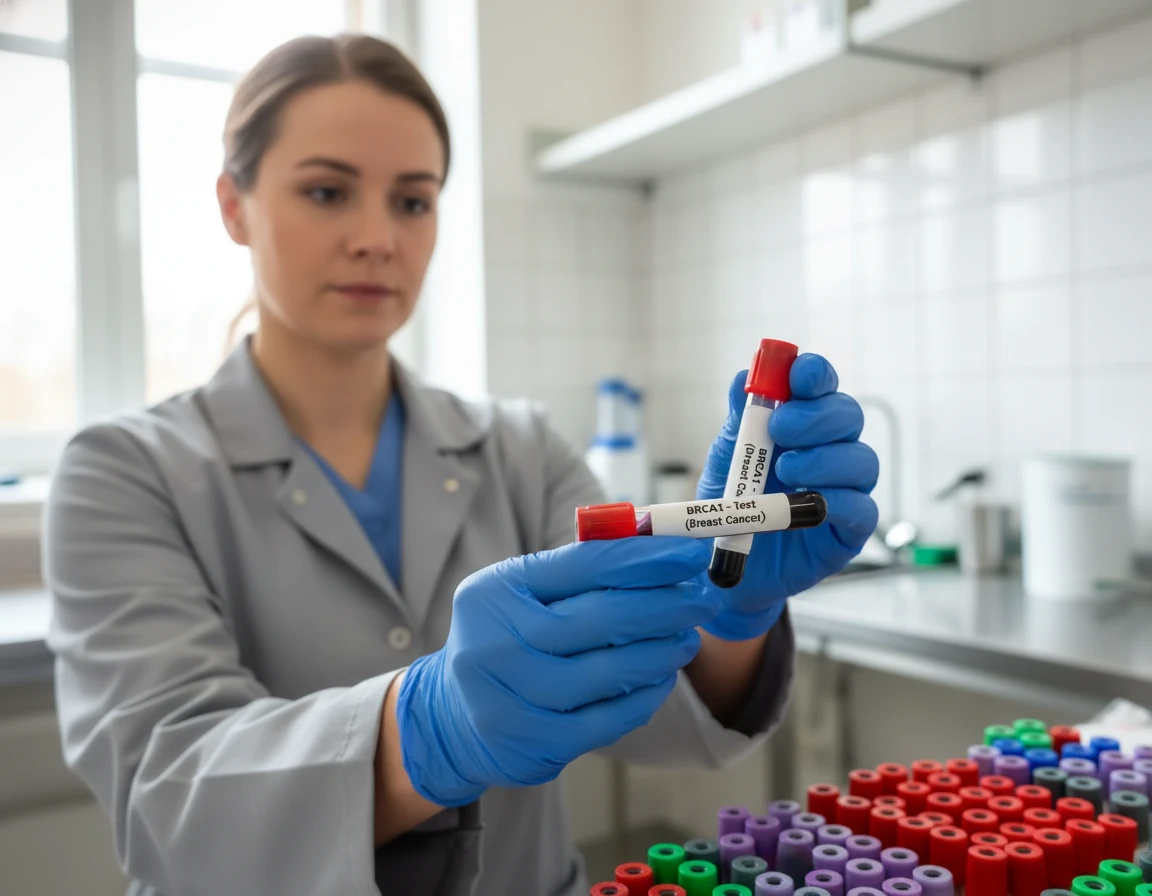
Finding a lump in your breast can be a worrying experience, but most breast lumps are not cancerous. About 8 out of 10 breast lumps turn out to be benign, especially in younger women, making early evaluation important to ensure proper care12. Understanding what to do after discovering a lump and knowing what to expect from diagnostic tests can help reduce anxiety and guide timely treatment3.
Immediate Steps After Finding a Breast Lump
Assess What Could Be Causing the Lump
Breast lumps can arise from various causes, many of which are benign. Common noncancerous lumps include cysts—fluid-filled sacs that often fluctuate with the menstrual cycle—and fibroadenomas, which are benign tumors composed of glandular and stromal tissue41. Hormonal changes during the menstrual cycle can lead to the development or enlargement of cysts, especially in women of reproductive age4. Some lumps may also be related to infections or injuries.
It is important to note that breast tissue naturally feels lumpy or uneven, and some people have lumpier breasts than others. If the lumpiness feels similar on both breasts, it is often normal for that individual5. However, lumps that feel harder, different from the rest of the breast, or are new should be evaluated promptly5.
Women should document the lump’s characteristics, including size, location, duration, pain, changes in size, and any family history of breast cancer. This information aids healthcare providers in clinical assessment and decision-making67.
Have the Lump Examined
A clinical breast exam by a healthcare professional is the next crucial step. The exam includes palpation of the breast, chest wall, underarms, and collarbone area, both while sitting and lying down8. The provider assesses the lump’s consistency, borders, mobility, and whether it is fixed to surrounding tissues. Malignant lumps often feel firm, irregular, and fixed, but small lumps can also be cancerous and should not be dismissed97.
The healthcare provider will also inspect the skin and nipples for changes such as dimpling, puckering, redness, nipple inversion, or discharge. Comparing both breasts side by side helps identify asymmetry or new changes28.
“It’s extremely common for women of all ages to find lumps and bumps in their breasts. The majority will turn out to be benign.”
— Janice Shen, MD, Memorial Sloan Kettering Cancer Center2
Diagnostic Tests for Breast Lumps
Testing for Individuals Over 30
For women over 30, imaging typically involves both mammography and ultrasound to evaluate breast lumps thoroughly7. Mammography uses low-dose X-rays to create images of the breast, allowing detection of microcalcifications and assessment of mass margins and density7. Diagnostic mammography compresses the breast to focus on the area of concern and is more effective in older women with less dense breast tissue6.
Ultrasound complements mammography by differentiating between solid and cystic lesions, guiding further management107. Combining these imaging modalities increases diagnostic accuracy11.
Testing for Individuals Under 30
In younger women, ultrasound is preferred for initial evaluation due to higher sensitivity in dense breast tissue, which reduces the effectiveness of mammography12. Dense breast tissue can obscure lesions on mammograms, making ultrasound a more reliable tool in this age group12. Screening mammography is generally not recommended for women under 40 because of lower sensitivity and concerns about radiation exposure7.
Ultrasound involves applying gel and using a transducer to visualize the breast tissue and identify the nature of the lump10. This non-invasive test helps distinguish cysts from solid masses and guides further diagnostic steps13.
When a Biopsy May Be Necessary
If imaging and clinical findings raise suspicion or are inconclusive, a biopsy may be recommended to obtain tissue samples for definitive diagnosis11. Biopsies are usually performed by radiologists using imaging guidance and include:
- Fine-needle aspiration: Removes fluid or cells from cysts or lumps8.
- Core needle biopsy: Uses a larger needle to extract tissue samples, often with ultrasound guidance8.
- Stereotactic biopsy: Uses mammography to guide needle placement for hard-to-find lesions8.
- Surgical biopsy: Removes the entire lump, usually under anesthesia8.
Biopsy results typically return within days to a week and help determine if the lump is benign, abnormal, or malignant11.
How To Go About Getting Testing Done
After clinical examination, your healthcare provider will recommend appropriate imaging based on your age, risk factors, and lump characteristics7. Women with dense breasts or higher risk may require additional imaging such as MRI2. If a biopsy is needed, it is usually scheduled promptly, and local anesthesia or sedation is provided to minimize discomfort2.
It is important to communicate clearly with your healthcare team about your symptoms, family history, and any changes you observe in the lump to guide testing decisions7. Keeping a record of the lump’s features can aid in this process6.
What Else To Know About Testing for Breast Lumps
- Imaging tests are the first step in evaluating a breast lump to determine its nature7.
- Ultrasound is especially useful in younger women and pregnant or breastfeeding individuals128.
- Mammography involves low-dose radiation, so its use is balanced against benefits, especially in younger women7.
- Dense breast tissue can reduce mammography sensitivity, necessitating ultrasound or MRI for better visualization12.
- Screening mammography is not routinely recommended under age 40 unless risk factors are present7.
“What really matters most is to understand the baseline of what’s normal for you, so you can notice any breast changes early on. If a new change like skin dimpling, nipple inversion, or a breast lump persists rather than going away, then you should talk with your doctor about it.”
— Mediget Teshome, MD, FACS, MPH, UCLA Health14
Understanding Your Breast Lump Results
It's Negative
A benign diagnosis means the lump is not cancerous. Common benign lumps include fibroadenomas, which are the most frequent benign breast tumors in young women and may change size or regress over time4. Simple fibroadenomas are usually managed conservatively unless they cause symptoms or grow4.
Breast cysts diagnosed by ultrasound often require no treatment unless painful or large, in which case fluid drainage may be performed413. Most benign lumps do not require intervention unless symptomatic or enlarging4.
It's Abnormal
Some biopsy results reveal atypical hyperplasia, a benign condition characterized by abnormal cell growth in breast ducts or lobules. This condition increases breast cancer risk by 4-5 times compared to the general population and carries a 10-15% risk of concurrent or subsequent breast cancer15. Management typically involves surgical excision due to this increased risk15.
Other abnormal findings may require close monitoring or further diagnostic workup to assess cancer risk15.
Breast lumps can feel different—hard, soft, movable, or fixed—and their size does not necessarily indicate cancer. Early evaluation and diagnosis are key to effective management.12
It Reveals Cancer
If the lump is diagnosed as breast cancer, treatment options depend on the cancer type, stage, and patient factors. Early detection improves prognosis and expands treatment choices, which may include surgery, radiation, chemotherapy, and hormone therapy28.
Prompt initiation of treatment is crucial for the best outcomes. Specialized cancer centers offer tailored programs for different breast cancer subtypes and provide comprehensive support throughout the treatment journey2.
Key Takeaways
- Most breast lumps are benign, especially in younger women, but any new or persistent lump should be evaluated promptly62.
- A systematic approach including clinical exam, imaging, and biopsy (triple assessment) ensures accurate diagnosis11.
- Ultrasound is preferred for women under 30 due to dense breast tissue, while mammography is more effective in older women127.
- Biopsy is the definitive test to distinguish benign from malignant lumps and guides treatment decisions11.
- Awareness of breast changes and timely consultation with healthcare providers improve early detection and outcomes143.