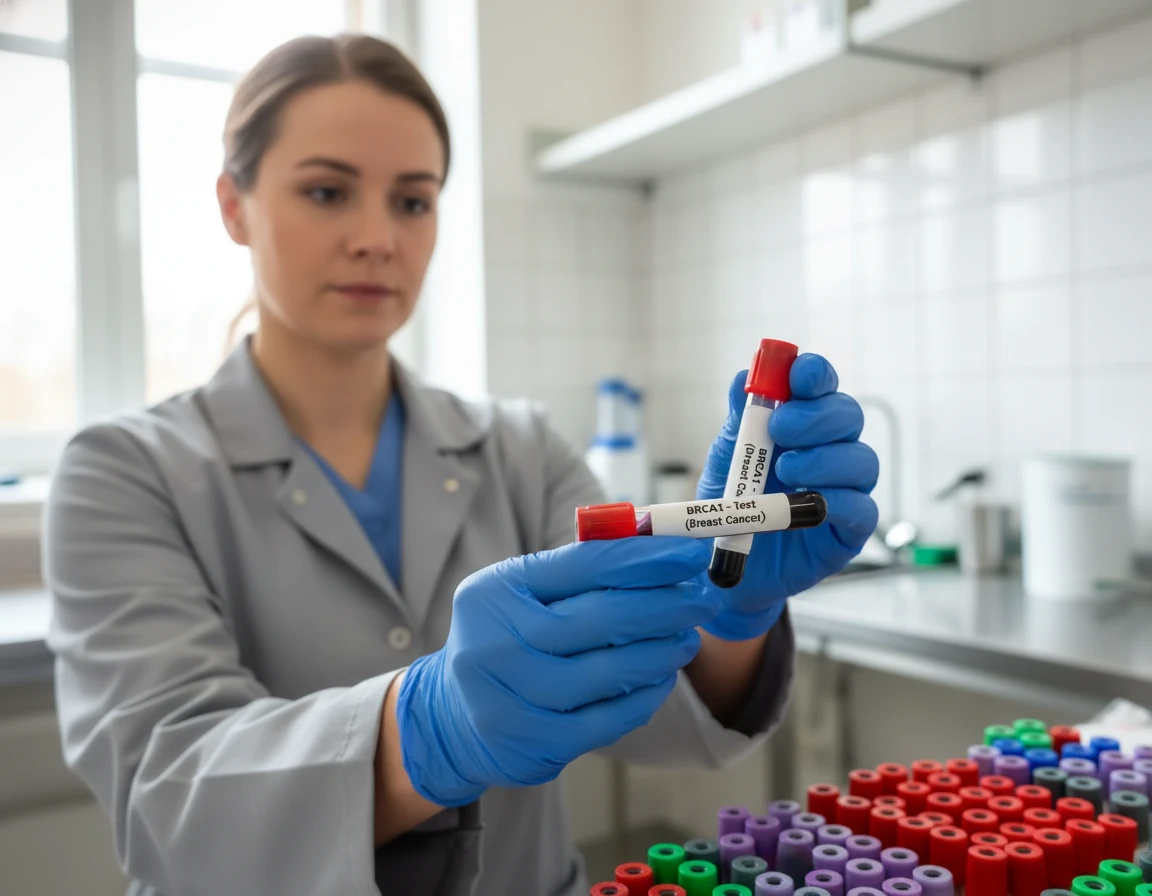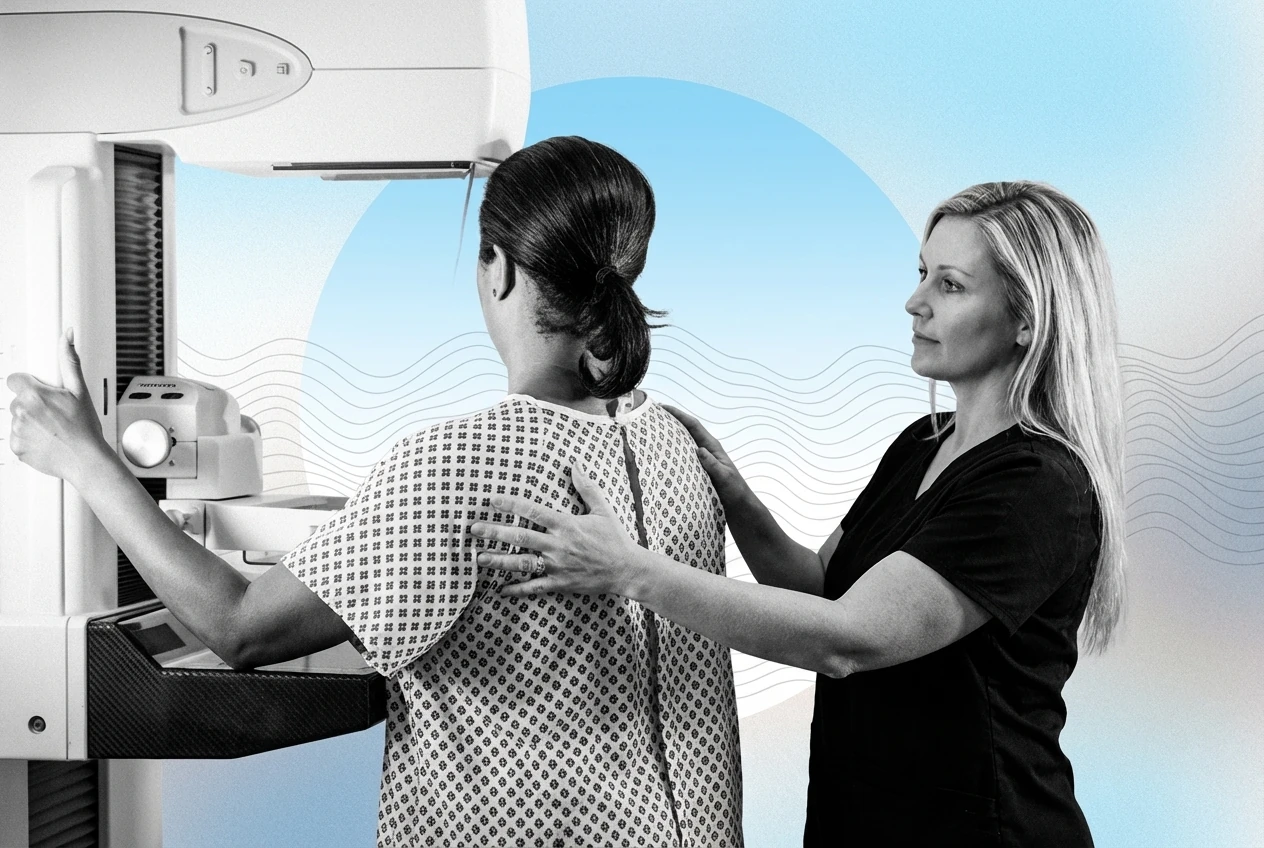
Breast cancer remains the most common cancer among women worldwide, with early detection through mammography being crucial for improving survival rates1. Recent advances in artificial intelligence (AI) have shown promise in enhancing the accuracy of mammogram readings, potentially detecting more cancers than traditional methods2. Studies indicate that AI-supported mammography can increase cancer detection rates by up to 20%, offering hope for earlier diagnosis and better patient outcomes23.
Improved Breast Cancer Detection Accuracy
Artificial intelligence has demonstrated significant potential to improve breast cancer detection by identifying subtle abnormalities that may be missed by human radiologists. Dense breast tissue, which occurs in approximately 40–50% of women over 40, complicates mammogram interpretation because it appears white on images, similar to tumors, thereby masking cancers45. AI algorithms can analyze complex imaging data beyond human visual capacity, detecting cancers with sensitivities reported as high as 88% in some cohorts67.
A large prospective multicenter study involving over 24,000 women showed that radiologists using AI-based computer-aided detection (AI-CAD) detected 13.8% more breast cancers compared to readings without AI support8. Similarly, a Swedish population-based trial found that AI-assisted mammogram readings detected 20% more cancers than the standard double reading by two radiologists, without increasing false positives2. In this study, the cancer detection rate was 6.1 per 1,000 women screened with AI support versus 5.1 per 1,000 with traditional reading2.
AI also shows promise in identifying interval cancers—those diagnosed between routine screenings—which tend to be more aggressive and harder to treat. A UCLA study found that AI flagged 76% of mammograms initially read as normal but later linked to interval breast cancers, potentially reducing interval cancer rates by 30%9. This early detection could lead to less aggressive treatment and improved survival.
The synergistic use of AI and radiologists maintains or reduces false negatives while increasing cancer detection rates1011. AI can identify subtle signs beyond human perception, improving early detection especially in dense breasts12. Moreover, AI can triage normal mammograms, reducing radiologist workload and allowing them to focus on suspicious cases13.
| Metric | Value | Source |
|---|---|---|
| Breast cancer incidence (US) | ~240,000 new cases/year | 1 |
| Mammogram cancer detection rate | 5–6 per 1,000 women screened | 1415 |
| Dense breast prevalence | ~50% of women >40 years | 45 |
| AI sensitivity for detection | Up to 88% in some cohorts | 67 |
| Cancer detection rate (AI) | 6.1 per 1,000 exams | 152 |
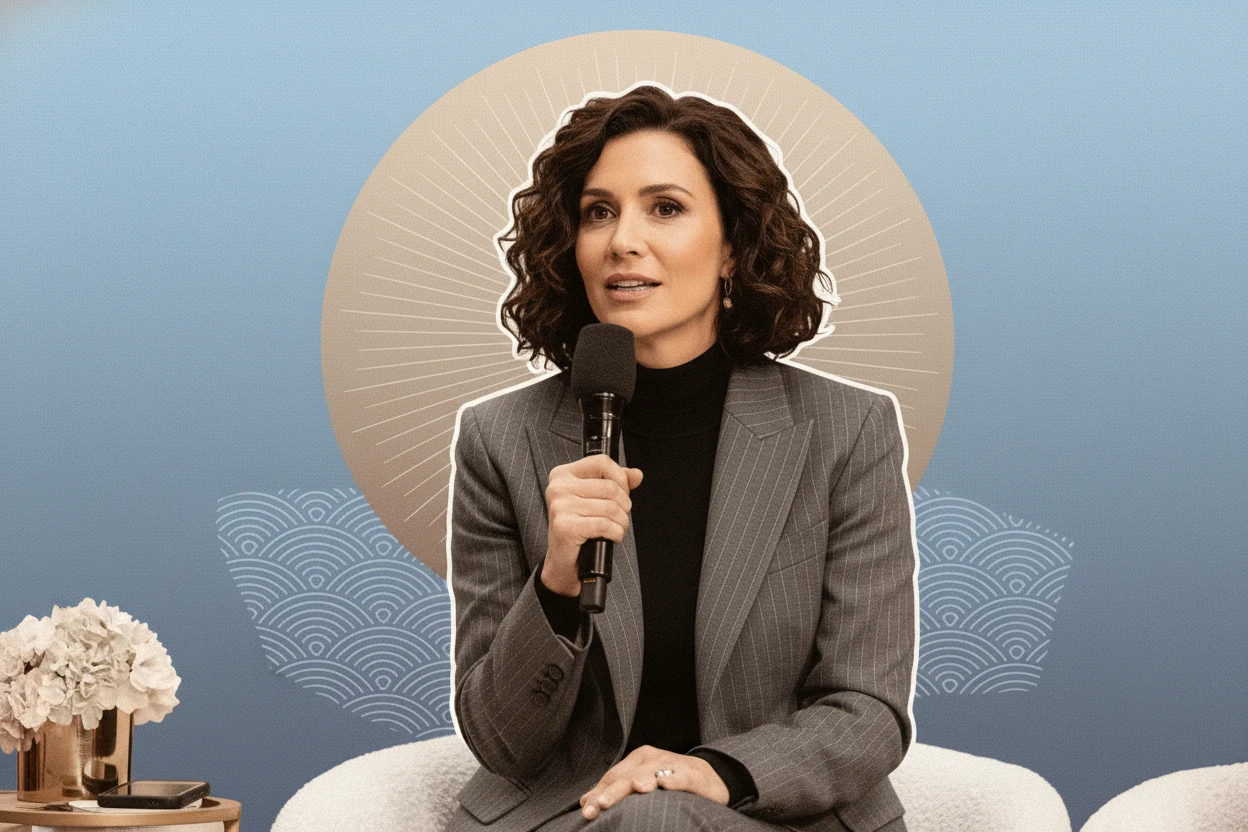
“I don’t love all this AI stuff, but I definitely love this for me or anyone else in my position. No matter how it was found, I’m glad it was found.”
— Deirdre Hall, patient26
Key benefits of AI in detection:
- Improves sensitivity, especially in dense breast tissue45.
- Detects more cancers, including subtle and interval cancers92.
- Maintains low false positive rates comparable to traditional readings2.
- Reduces radiologist fatigue and workload by triaging normal scans13.
- Supports earlier diagnosis, potentially improving treatment outcomes8.
Current Computer Use in Breast Screening
Computers have long been used in breast cancer screening, primarily through computer-aided detection (CAD) systems. However, traditional CAD has shown limited improvements in outcomes and sometimes increased false positives and unnecessary recalls16. Modern AI represents a significant advancement, employing deep learning models trained on millions of mammographic images to detect subtle abnormalities and quantitatively assess breast density417.
Screening programs often use double reading by two radiologists to improve accuracy, but this is resource-intensive7. AI-supported double reading has been associated with higher cancer detection rates without increasing recall rates, suggesting that AI can enhance existing workflows53. For example, a German multicenter study found that AI-supported double reading improved detection rates while maintaining similar recall rates compared to standard double reading3.
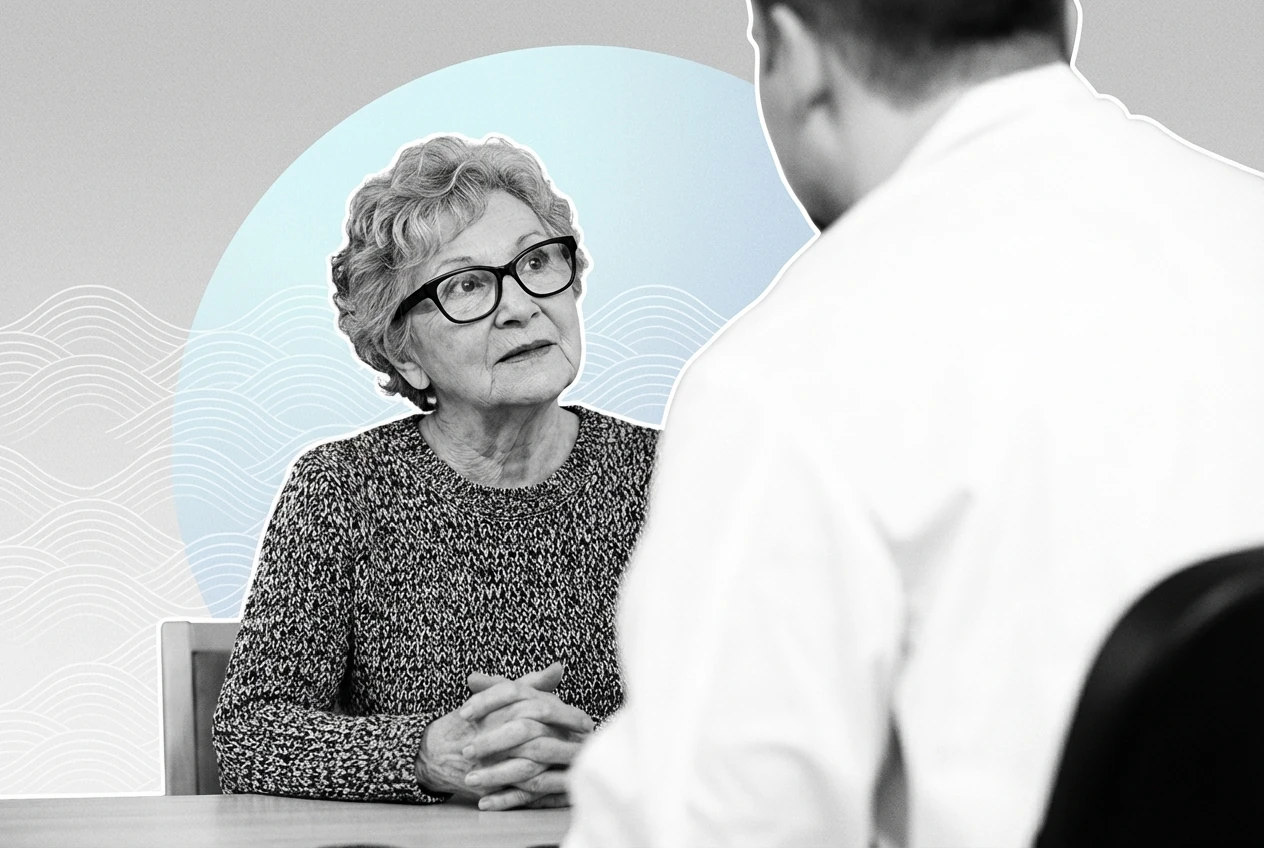
AI serves as a decision support tool, flagging suspicious areas for radiologist review and further diagnostic workup18. Despite its promise, AI cannot currently replace human expertise; radiologists remain essential for final interpretation, clinical judgment, and patient communication1013. Dense breast notification laws, such as amendments to the FDA's Mammography Quality Standards Act, require facilities to inform patients about breast density, guiding supplemental screening decisions519.
Current computer use highlights:
- CAD systems have been used for decades but with limited success16.
- AI uses deep learning to analyze mammograms beyond human visual limits420.
- AI can quantitatively assess breast density, improving risk stratification19.
- AI supports radiologists by highlighting suspicious findings for review18.
- Radiologist expertise remains critical for diagnosis and patient care10.
“These promising interim safety results should be used to inform new trials and program-based evaluations to address the pronounced radiologist shortage in many countries.”
— Dr. Kristina Lång, Lund University2
AI's Role in Future Mammography
Artificial intelligence is poised to transform breast cancer screening by improving detection accuracy, efficiency, and personalized risk assessment. AI models trained on large datasets can predict breast cancer risk and identify patients who may benefit from supplemental imaging such as MRI2122. For instance, the FDA recently authorized Clairity Breast, the first AI-powered platform that predicts a woman’s five-year breast cancer risk using only a standard mammogram, enabling more personalized screening strategies22.
AI integration can address challenges such as radiologist shortages and increasing imaging demands by triaging normal mammograms and focusing human expertise on complex cases2313. Early adopters in countries like Sweden have reported successful implementation of AI-supported screening with maintained safety and improved cancer detection rates524. Prospective studies continue to evaluate AI’s long-term impact on screening outcomes, including interval cancer rates and stage at diagnosis818.
“The nice thing about AI is that it doesn’t get tired. It’s not going to replace the job or the expertise of radiologists, but I think it’s only going to enhance our ability to detect more and more breast cancers.”
— Dr. Lisa Abramson, breast radiologist26
Despite these advances, concerns remain regarding overdiagnosis, potential overtreatment, and the need for diverse training datasets to ensure AI accuracy across different populations25. AI should be viewed as a tool to augment, not replace, radiologists, ensuring human oversight for safe and effective use10. Cost and access considerations also play a role; some centers charge patients for AI analysis, though many academic centers do not, emphasizing equity in care25.
Future directions for AI in mammography:
- Enhancing early detection and reducing interval cancers93.
- Providing personalized risk prediction to guide screening intervals22.
- Reducing radiologist workload through effective triage of normal exams13.
- Supporting radiologists with decision support without replacing them10.
- Addressing equity and diversity in AI training and clinical application25.