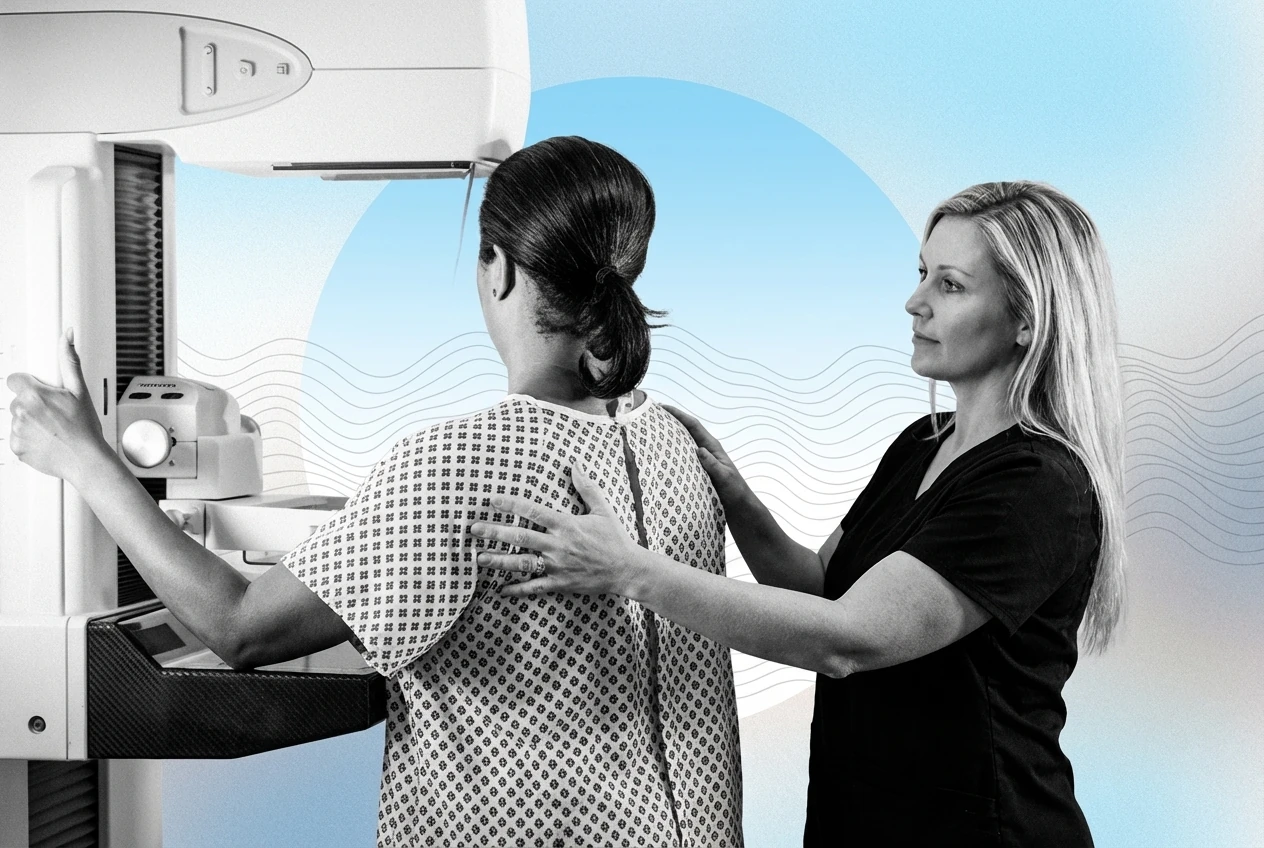
Breast cancer remains the most commonly diagnosed cancer deaths among women, with incidence increasing as women age12. Screening mammography has contributed to reducing breast cancer mortality, especially in women aged 40 to 74 years34. However, for women aged 75 and older, the balance of benefits and harms from continued screening is less clear due to limited evidence and increased risks such as overdiagnosis54. Understanding these risks and the uncertainties in guidelines is essential for making informed screening decisions in older women.
Overdiagnosis Risks in Breast Cancer Screening
Overdiagnosis refers to the detection of breast cancers through screening that would not have caused symptoms or death during a woman’s lifetime6. This risk increases with age, particularly in women over 70 years old, and is a recognized harm of breast cancer screening67. For every 1000 women screened over 10 years, 167 to 251 receive an abnormal mammogram result, 56 to 64 undergo at least one biopsy, and 9 to 26 have invasive cancer detected8. However, not all detected cancers would have progressed to cause harm, leading to unnecessary treatment and emotional distress6.
💡 Did You Know? Among women aged 75 and older, 200 out of 1,000 screened over 10 years will experience a false-positive result, leading to pain, anxiety, and distress11.
A systematic review and meta-analysis estimated that the overall incidence of overdiagnosis due to screening mammography among women aged 40 and older is approximately 12.6%9. This figure varies widely by age and health status. For example, among women aged 70 to 74, about 31% of screen-detected breast cancers may be overdiagnosed, increasing to 47% in women aged 75 to 84 and exceeding 50% in those with less than five years of life expectancy710. Overdiagnosis leads to overtreatment, including surgery, radiation, and sometimes chemotherapy, which can cause functional decline and reduce quality of life in older women7.
The process following an abnormal mammogram can be anxiety-inducing, requiring additional imaging and biopsies6. False-positive results are common and contribute to psychological stress without improving health outcomes11. The challenge lies in the current inability to distinguish which detected cancers will progress and which will remain indolent, complicating treatment decisions912.
- Overdiagnosis increases with age, especially in women over 70 years67.
- Not all detected breast cancers require treatment; some remain indolent6.
- Overdiagnosis can lead to unnecessary surgery, radiation, and chemotherapy7.
- False-positive mammograms cause anxiety and require follow-up testing611.
- The overall incidence of overdiagnosis in women 40+ is about 12.6%9.
Unclear Guidelines for Ending Breast Cancer Screenings
Guidelines on when to stop breast cancer screening in older women are inconsistent due to limited direct evidence from randomized controlled trials in women aged 75 and older1364. The median age at breast cancer diagnosis is 62 years, yet screening is often offered well beyond this age136. This creates uncertainty about the benefits and harms of continued screening in older populations.
Different medical organizations provide varying recommendations:
- The U.S. Preventive Services Task Force (USPSTF) recommends individualized decision-making for women aged 75 and older, citing insufficient evidence to assess benefits versus harms64.
- The American College of Obstetricians and Gynecologists (ACOG) advises continuing screening as long as a woman has a life expectancy of at least 10 years612.
- The American College of Radiology (ACR) suggests continuing screening beyond age 74 unless severe comorbidities limit life expectancy6.
Older women exhibit wide variability in health status, ranging from frail to highly active, complicating universal screening recommendations6. Many older women were not included in the major trials that established mammography benefits, making it difficult to apply trial data directly to this age group64. Additionally, breast cancers in older women tend to be less aggressive and grow more slowly, which may reduce the potential benefit of early detection14.
| Guideline Organization | Screening Recommendation for Women 75+ | Basis of Recommendation |
|---|---|---|
| USPSTF | Individualized decision-making | Insufficient evidence |
| ACOG | Continue if life expectancy ≥ 10 years | Expert consensus |
| ACR | Continue unless severe comorbidities | Expert consensus |
The decision to continue breast cancer screening after age 75 is complex due to limited evidence and increased risks such as overdiagnosis. Women and their healthcare providers should engage in shared decision-making that considers individual health status, life expectancy, and personal values.13146
Evaluating Breast Cancer Screening Decisions
Given the uncertainties and risks, breast cancer screening decisions in older women should be individualized through shared decision-making between the patient and healthcare provider13614. Factors influencing these decisions include comorbidities, life expectancy, breast cancer risk, physical ability, and patient preferences6.
Screening mammography requires physical flexibility for proper positioning, which may be challenging for some older women and can affect screening effectiveness6. Some women prefer to continue screening for reassurance, even if they would decline aggressive treatment for a detected cancer6. Others may feel comfortable stopping screening based on their health status and values15.
Key considerations when evaluating screening include:
“For every woman who avoids a death from breast cancer through screening, 2 to 3 women will be treated unnecessarily.”
— Mark Pearlman, MD, American College of Obstetricians and Gynecologists12
- Comorbidities and overall health status
- Estimated life expectancy (often ≥10 years recommended for continued screening)
- Breast cancer risk factors such as family history or breast density
- Physical ability to undergo mammography
- Patient comfort and preferences regarding screening and potential treatment
- Potential harms of screening, including overdiagnosis and false positives
- Psychological impact of screening outcomes and follow-up testing
Screening provides information that can guide treatment decisions if cancer is detected, but the potential harms must be weighed carefully6. Tools are being developed to aid conversations between clinicians and older women, helping to balance benefits and harms within limited clinical visit times7.
- Life expectancy and comorbid conditions6
- Breast cancer risk factors (family history, breast density)6
- Physical ability to undergo mammography6
- Patient preferences and values regarding screening and treatment615
- Potential psychological and physical harms from screening and follow-up611