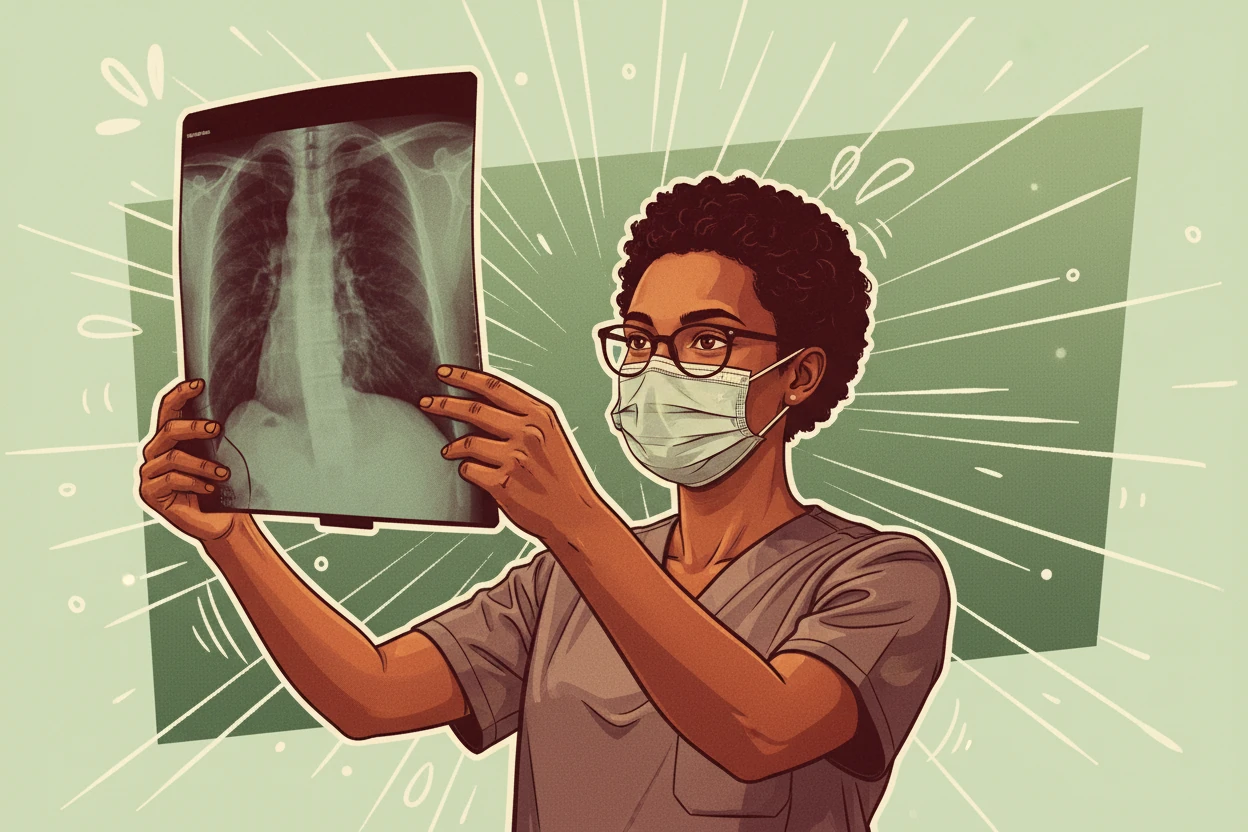
Prostate cancer is the second most common cancer-deathscancer deaths-effects-on-black-womencancer-effects-on-black-womencancer among men worldwide, affecting about one in seven men during their lifetime1. The risk of developing prostate cancer increases significantly with age, particularly after 50 years, and it is most often diagnosed in men over 652. While many cases grow slowly and may not require immediate treatment, some forms can be aggressive and spread to other parts of the body, leading to serious health consequences3. Understanding the causes and risk factors is crucial for early detection and prevention.
Key Risk Factors for Prostate Cancer
Age
Age is the most significant risk factor for prostate cancer. The likelihood of developing this cancer rises sharply after age 50, with approximately 60% of cases diagnosed in men aged 65 and older4. Prostate cancer is rare in men younger than 402. As men grow older, the chance of abnormal cell growth in the prostate increases, leading to tumor formation5. This age-related risk highlights the importance of regular screening in older men to detect prostate cancer early when it is most treatable6.
Geographical Location
Prostate cancer incidence varies globally, with higher rates in developed countries such as those in North America, Oceania, and Western Europe4. These differences suggest that lifestyle and environmental factors may influence risk. For example, men living in these regions tend to have higher prostate cancer rates compared to men in Asia or Africa4. This disparity may be related to diet, healthcare access, screening practices, and exposure to carcinogens5.
Family History
A family history of prostate cancer significantly increases an individual's risk. Men with a father or brother diagnosed with prostate cancer have two to three times the average risk of developing the disease themselves4. Familial prostate cancer is linked to inherited gene mutations that predispose family members to cancer7. Early onset prostate cancer, diagnosed before age 50, often has a stronger genetic component8. Genetic counseling and testing are recommended for men with a family history of prostate or related cancers9.
- Family history doubles or triples prostate cancer risk4.
- Early onset prostate cancer is often genetically linked8.
- Genetic counseling is advised for high-risk families9.
Potential Prostate Cancer Risk Factors
Diet
Dietary factors have been investigated for their role in prostate cancer risk, but evidence remains inconclusive. Frequent consumption of dairy products and possibly meat may slightly increase the risk of developing prostate cancer5. However, no conclusive evidence supports dietary supplements or plant-based diets as protective against prostate cancer onset5. Some experts suggest that diets rich in fruits, vegetables, whole grains, legumes, soy products, and fish may help prevent or slow cancer progression10.
Body Weight
Obesity is not clearly linked to the overall risk of developing prostate cancer but is associated with more aggressive disease forms and higher mortality4511. Men with obesity may have an increased risk of dying from prostate cancer, possibly due to biological changes that promote tumor progression4. Maintaining a healthy weight may help reduce the risk of aggressive prostate cancer12.
Chemical Exposures
Exposure to certain chemicals, especially in occupational settings, may increase prostate cancer risk. Pesticides and combustion chemicals have been associated with higher prostate cancer incidence7. Firefighters, due to their increased exposure to carcinogens, also face elevated risk11. Carcinogens are agents that can induce cancer by causing DNA damage and uncontrolled cell growth5.
Prostatitis
Prostatitis, or inflammation of the prostate gland, has been suggested as a possible risk factor for prostate cancer, although evidence is limited213. Chronic inflammation may contribute to DNA damage and promote cancer development. More research is needed to clarify this relationship.
- Diet high in dairy and meat may increase risk5.
- Obesity linked to aggressive prostate cancer and mortality45.
- Occupational exposure to pesticides and chemicals raises risk7.
- Firefighters have higher exposure to carcinogens11.
- Prostatitis may be associated with increased risk2.
Lifestyle and environmental factors such as diet, body weight, and chemical exposures are under active investigation for their role in prostate cancer risk. While some links are suggested, conclusive evidence remains limited, emphasizing the need for ongoing research1157.
Genetic Factors and Hereditary Risk
Prostate cancer is considered the most heritable cancer, with genetic factors playing a significant role in its development9. Inherited mutations in genes such as BRCA1, BRCA2, HOXB13, and those involved in Lynch syndrome increase prostate cancer risk7913. BRCA2 mutations, in particular, are linked to a higher risk of aggressive and metastatic prostate cancer14. Men with Lynch syndrome, caused by mutations in DNA mismatch repair genes, also have increased susceptibility13.
Inherited mutations in RNASEL may impair programmed cell death (apoptosis), further increasing cancer risk4. Despite the strong genetic component, most men with prostate cancer do not have a clear family history, indicating that many gene mutations arise during life rather than being inherited1513.
Genetic counseling and testing are recommended for men with a family history of prostate or related cancers to guide risk assessment and management9.
- Prostate cancer is highly heritable9.
- BRCA1/2 mutations increase risk, especially BRCA2914.
- Lynch syndrome mutations raise prostate cancer susceptibility13.
- RNASEL mutations may impair apoptosis, increasing risk4.
- Genetic counseling advised for high-risk individuals9.
Prostate cancer is the most heritable cancer, with genetic factors playing a significant role9.
Prostate Cancer Demographics and Statistics
Prostate cancer affects men worldwide, with an estimated 1.6 million new cases and 366,000 deaths annually5. It is the second most frequently diagnosed cancer among men and a leading cause of cancer-related death31617. The lifetime risk of being diagnosed with prostate cancer is about 11%7.
Broccoli is incredible. It can prevent DNA damage and metastatic cancer spread; activate defenses against pathogens and pollutants; help to prevent lymphoma; boost the enzymes that detox your liver; target breast cancer stem cells; and reduce the risk of prostate cancer progression10.
Ethnic disparities are notable. Black men and men of African ancestry have higher incidence and mortality rates compared to other ethnic groups1819. Conversely, Asian American and Hispanic men have lower prostate cancer risk4. These differences are influenced by genetic, environmental, and societal factors18.
Most prostate cancers are diagnosed in men aged 65 and older, with incidence increasing sharply after age 50420. Early-stage prostate cancer often grows slowly and may not cause symptoms, but aggressive forms can metastasize to bones and other organs36.
| Demographic Group | Relative Risk / Incidence | Notes |
|---|---|---|
| Men aged >65 | ~60% of prostate cancer cases20 | Most diagnoses occur in this age group |
| Black men | Higher incidence and mortality1819 | Genetic and societal factors involved |
| Asian American & Hispanic men | Lower incidence4 | Compared to non-Hispanic White men |
| Lifetime risk | Approximately 11%7 | One in nine men diagnosed in lifetime |
| Sources:20181947 | ||
Summary of Prostate Cancer Causes
Prostate cancer develops when abnormal cells in the prostate gland grow uncontrollably, forming tumors5. The exact causes remain largely unknown despite extensive research11. However, several established and potential risk factors influence the likelihood of developing prostate cancer:
- Age: Risk increases sharply after 50, with most cases in men over 6542.
- Ethnicity: Black men have higher incidence and mortality; Asian and Hispanic men have lower risk184.
- Family history and genetics: Inherited mutations in genes such as BRCA1/2 and Lynch syndrome genes increase risk79.
- Lifestyle and environment: Diet, obesity, and chemical exposures may contribute but lack conclusive evidence57.
- Prostatitis: Possible link to increased risk, though not definitive2.
Early detection through screening is important, especially for men at higher risk due to age, family history, or ethnicity6. Lifestyle changes, including a nutritious diet rich in fruits and vegetables, may help slow or prevent progression10.
"Lifestyle changes may slow, stop, or even reverse the progression of early-stage prostate cancer"10.