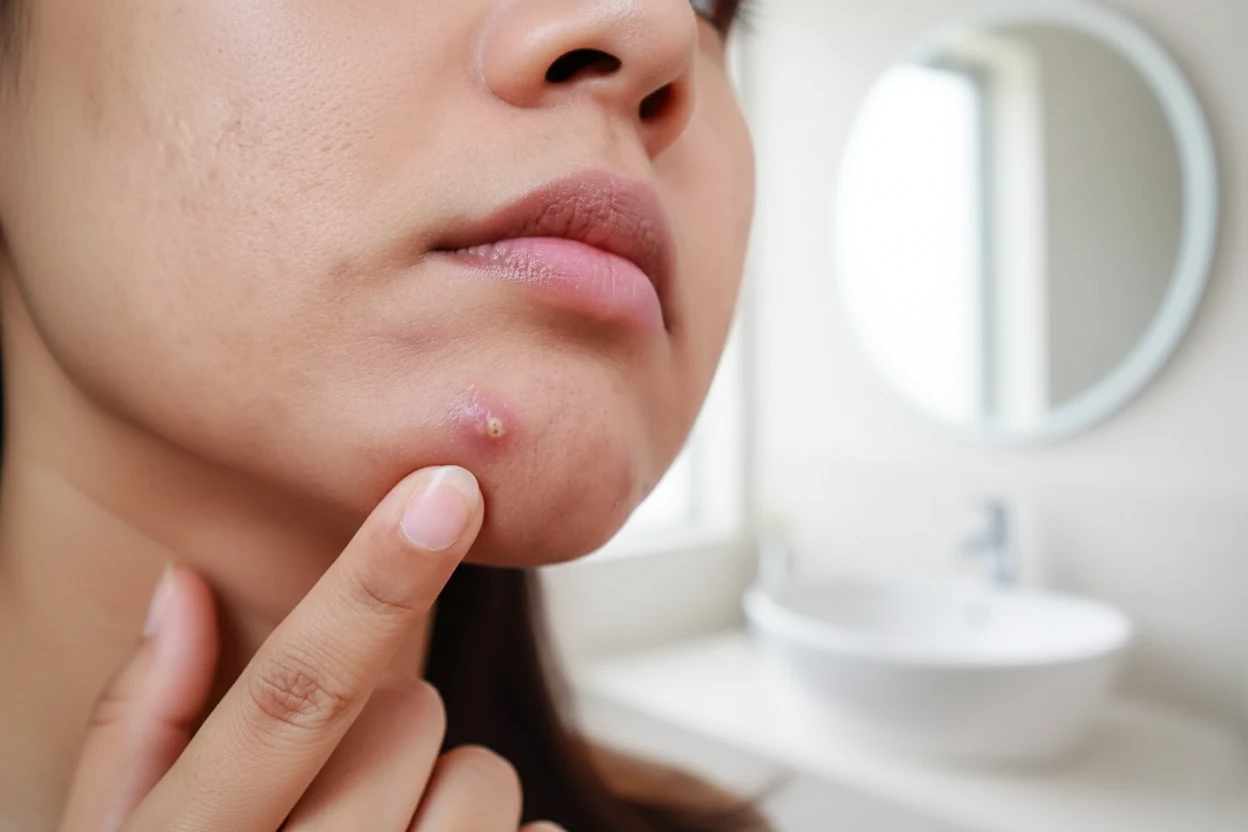
acne-bacne-causes-treatments-and-preventionacne-bacne-causes-treatments-and-preventionacne-treatment-guideacne-treatment-guideAcne vulgaris is a common skin condition that affects many adolescents and young adults, especially between the ages of 18 and 211. Whey protein supplements, widely used to build muscle and improve strength, have been reported to trigger or worsen acne in some individuals2. Research suggests this link involves hormonal changes, increased oil production, and inflammation caused by whey protein intake3.
Whey Protein and Acne
What the Research Says
Whey protein is a milk-derived supplement rich in essential amino acids that can influence hormone levels related to acne development4. It raises serum insulin and insulin-like growth factor-1 (IGF-1), both of which stimulate sebaceous gland activity and keratinocyte (skin cell) proliferation—key factors in acne pathogenesis5. Increased IGF-1 promotes sebum production and inflammatory responses in sebaceous glands, creating an environment conducive to acne6.
In research studies, milk at such high levels can increase levels of a hormone called insulin-like growth factor 1 (IGF-1). Research studies in humans, animals, and in the laboratory have shown that this particular hormone can impact the sebaceous glands and cause increased clogging of the pores.
— Rajani Katta, Baylor College of Medicine16
Epidemiological studies show mixed results. Some report a positive association between whey protein intake and acne risk, particularly in young males using supplements for bodybuilding789. For example, a case-control study involving 201 male adolescents and young adults found that those consuming whey protein were nearly three times more likely to have acne than non-users10. Other studies, however, found no clear evidence that whey protein worsens acne severity1112. This variability may be due to individual susceptibility, dosage, and the purity of supplements12.
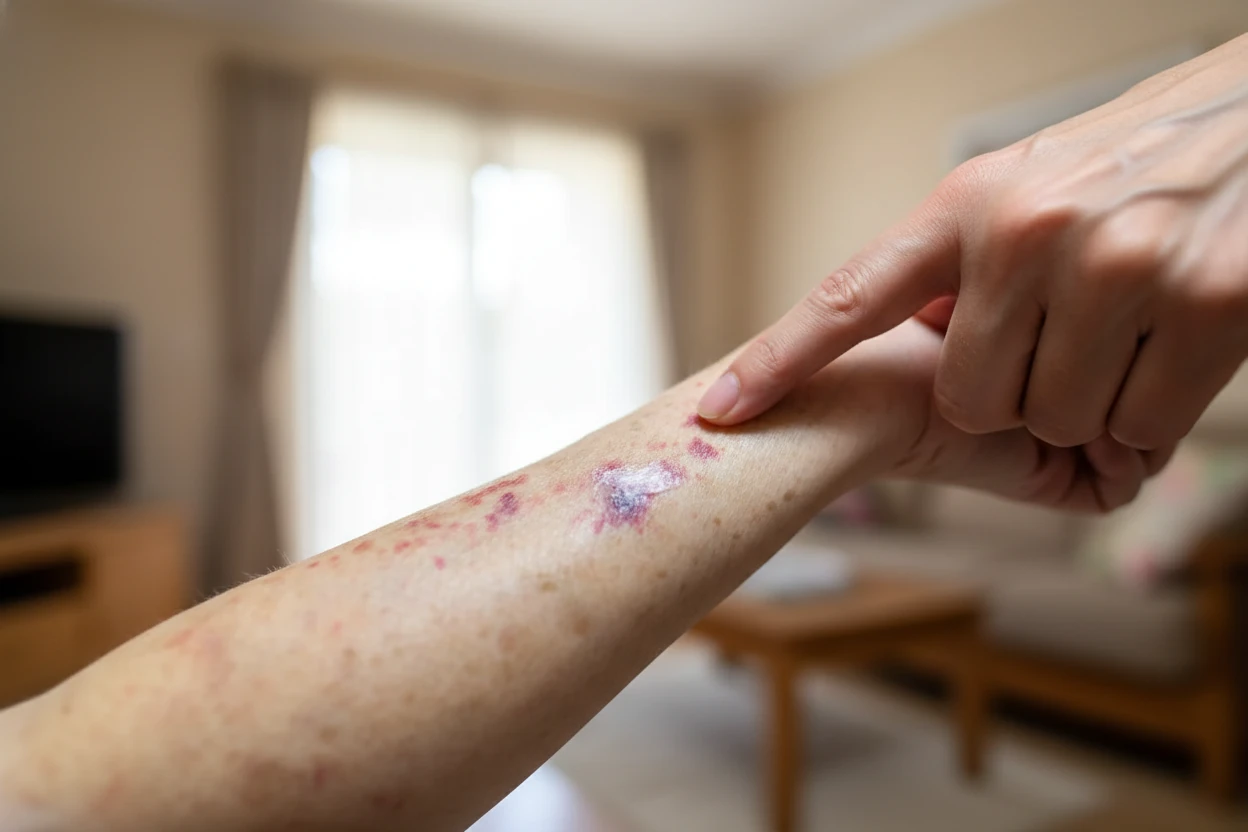
Case reports describe acneiform eruptions, especially on the trunk, in whey protein users1314. Whey protein’s insulinotropic effect (ability to increase insulin) may lead to excess sebum, clogged pores, and bacterial overgrowth, all contributing to acne15. People with naturally oily skin or a family history of acne may experience more pronounced breakouts after whey protein consumption3.
Who Is More Likely To Get Acne From Whey Protein?
Certain groups are more susceptible to acne triggered or worsened by whey protein:
- Male adolescents and young adults, especially those using whey protein for muscle building, show a higher risk of acne1810.
- Individuals with acne-prone skin or a history of hormonal acne are more likely to experience flare-ups3.
- People sensitive to dairy hormones or with dairy intolerance may have increased acne risk when consuming whey protein2.
- Those consuming high doses or low-purity whey protein supplements may be at greater risk12.
- Females and individuals with no prior acne history have also reported new breakouts linked to whey protein use2.
Acne Causes and Triggers
Acne vulgaris is a multifactorial inflammatory disease primarily involving the pilosebaceous unit (hair follicle and sebaceous gland)17. The main pathogenic factors include:
- Follicular hyperkeratinization: Excessive buildup of dead skin cells blocks pores18.
- Increased sebum production: Driven by androgens (male hormones), leading to oily skin1917.
- Colonization by Cutibacterium acnes (formerly Propionibacterium acnes): Bacteria that thrive in clogged pores and trigger inflammation1817.
- Inflammation: The immune response to bacterial growth and clogged pores causes redness and swelling17.
Other Factors That Contribute to Acne
Several additional factors influence acne onset and severity:
- Genetic predisposition: Family history increases acne risk by affecting sebaceous gland activity and immune responses1820.
- Hormonal fluctuations: Puberty, menstrual cycles, and pregnancy alter androgen levels, modulating sebum production and acne severity1921.
- Medications: Drugs like corticosteroids and lithium can induce or worsen acne2220.
- Comedogenic skin products: Cosmetics or skincare that block pores may exacerbate acne1722.
- Diet: High glycemic foods and dairy intake can influence acne through hormonal and inflammatory pathways2324.
Dairy's Role in Acne Development
Dairy products, including milk and whey protein, contain bioactive molecules such as IGF-1 and androgens that stimulate sebaceous gland activity and keratinocyte proliferation, contributing to acne255. Meta-analyses indicate a modest but consistent association between milk consumption and increased acne risk, with skim milk showing the strongest link2526.
Hormones in milk, including testosterone and its derivative dihydrotestosterone (DHT), increase sebum production, making skin oilier and more prone to acne191727. IGF-1 levels peak during adolescence, coinciding with the highest acne prevalence27. Elevated insulin and IGF-1 from dairy intake promote follicular hyperkeratinization and inflammation, key drivers of acne lesions423.
While the evidence supports an association between dairy intake and acne, a definitive causal relationship remains unproven2829. Some individuals may benefit from eliminating or reducing dairy products, especially skim milk, to see if their acne improves2921. Fermented dairy products and plant-based alternatives appear to have less impact on acne development29.
Many young people and athletes consuming whey protein supplements experience acnegenic effects. Studies show those using whey protein have nearly three times higher odds of developing acne compared to non-users. Monitoring skin changes and considering alternative protein sources can help manage acne linked to whey protein1031.
Supplement Contaminants and Acne
Protein supplements, particularly those marketed for bodybuilding, may contain undeclared anabolic steroids and steroid-like compounds that increase androgen levels and cause steroid acne30. Steroid acne is characterized by acneiform eruptions due to androgen-induced sebaceous gland hyperactivity3012.
Additionally, contamination with heavy metals such as lead, arsenic, mercury, and cadmium has been reported in some whey protein supplements30. Chronic exposure to these metals can trigger systemic inflammation, potentially worsening acne and other inflammatory skin conditions3012.
Regulatory oversight of dietary supplements is limited, making it essential for consumers to choose products tested by reputable third parties to avoid these contaminants30.
Safe Whey Protein Usage
To minimize acne risk and other adverse effects when using whey protein:
- Choose whey protein products certified by third-party organizations such as NSF Certified for Sport, Informed Choice, or USP to ensure purity and safety3012.
- Avoid supplements with artificial sweeteners, added sugars, or fillers that may promote inflammation3012.
- Adhere to recommended serving sizes to prevent excessive hormonal effects that could worsen acne3012.
- Monitor your skin’s response after starting whey protein to detect any adverse reactions early3012.
- Incorporate anti-inflammatory foods rich in omega-3 fatty acids, which may support skin health during supplementation2317.
Acne-Friendly Protein Alternatives
For individuals sensitive to whey protein or concerned about dairy-related acne, several non-dairy protein options are available:
- Plant-based proteins such as soy, pea, and hemp provide essential amino acids without dairy hormones3012.
- Collagen protein supports skin integrity and musculoskeletal health while offering a protein source3012.
- Whole food proteins from animal sources like lean meats, eggs, and fish, as well as plant sources like nuts, seeds, and legumes, offer balanced nutrition with potentially less acne risk3012.
Switching to these alternatives may reduce acne flare-ups linked to whey protein intake3132.
Dairy intake, especially skim milk, is modestly associated with increased acne risk due to hormones like IGF-1 and androgens that stimulate oil production and inflammation. Eliminating dairy may benefit some individuals with acne262729.
Summary of Key Points
- Whey protein can increase insulin and IGF-1 levels, stimulating sebum production and keratinocyte growth, which may exacerbate acne in susceptible individuals45.
- Male adolescents and young adults using whey protein supplements for bodybuilding are at higher risk of acne flare-ups1810.
- Acne results from multiple factors including follicular hyperkeratinization, increased sebum, bacterial colonization, and inflammation, with hormones playing a central role1817.
- Dairy products contain hormones like IGF-1 and androgens that contribute to acne development; skim milk shows the strongest association252627.
- Some whey protein supplements may be contaminated with anabolic steroids or heavy metals, which can worsen acne and cause systemic inflammation3012.
- Choosing third-party tested whey protein, avoiding additives, following dosage recommendations, and monitoring skin response can help minimize acne risk3012.
- Plant-based and whole food protein alternatives provide effective options for those prone to whey protein-related acne3012.