Lung diseases are among the leading causes of illness and death worldwide, with environmental pollution and smoking as major contributors to lung damage1. Despite the popularity of lung detox products, scientific evidence shows that the lungs have natural self-cleaning abilities and begin to heal once harmful exposures stop2. Understanding how lungs maintain health and how to support their natural detoxification can help prevent chronic lung conditions and improve respiratory function3.
Factors Affecting Lung Health
Lung health depends on a complex interplay of environmental exposures, lifestyle choices, and genetic factors4. Each of these influences can either protect or harm the respiratory system.
Environmental
Air quality is a critical determinant of lung health. Exposure to particulate matter from sources such as biomass burning, wildfires, and indoor pollutants causes airway irritation and inflammation, worsening chronic lung diseases56. Common airborne allergens like pollen and dust mites also impair lung function and exacerbate respiratory symptoms4. Volatile organic compounds (VOCs) from chemical cleaning agents further irritate airways and reduce respiratory health6. Indoor air pollution can be mitigated by using air purifiers and regularly replacing HVAC filters, which reduce contaminants and allergens6.
Lifestyle
Lifestyle choices significantly impact lung capacity and function. Physical activity enhances pulmonary ventilation and oxygen delivery, improving lung capacity and efficiency7. Conversely, inactivity is linked to diminished respiratory capacity and increased risk of lung disease7. Tobacco smoking remains the primary preventable cause of lung disease, causing airway inflammation, fibrosis, and chronic damage8. Avoiding tobacco smoke and secondhand smoke exposure is essential for lung health8. Additionally, maintaining a balanced diet rich in antioxidants supports lung tissue integrity and immune defenses1.
Genetic
Genetic predispositions influence individual susceptibility to lung diseases and response to environmental insults4. While genetics cannot be changed, understanding family history can guide early monitoring and preventive strategies to protect lung health4.
Signs of Lung Damage
Early recognition of lung damage symptoms is vital for prompt medical evaluation and intervention4. Common signs include:
- A persistent cough lasting more than two months, indicating possible lung pathology49.
- Shortness of breath or dyspnea on exertion, reflecting impaired lung function49.
- Productive cough and coughing up mcv blood test results meaning and normal range (hemoptysis), which may signal lung injury or disease49.
- Wheezing, a sign of airway obstruction and respiratory disease49.
- Chest tightness or unexplained chest pain lasting over a month, often linked to lung inflammation49.
These symptoms may initially be mild but can progress to severe respiratory conditions if untreated9.
Natural Lung Detoxification Processes
The lungs possess intrinsic mechanisms to defend against inhaled toxins and maintain respiratory health. Two primary processes are mucociliary clearance and phagocytosis.
Mucociliary Clearance
The respiratory tract is lined with epithelial cells that produce mucus, which traps inhaled particles, pollutants, and microbes103. Tiny hair-like structures called cilia beat rhythmically to move this mucus upward toward the throat, where it can be expelled by coughing or swallowing103. This coordinated movement is the lungs' first line of defense, preventing harmful substances from reaching delicate lung tissue10. However, chronic exposure to pollutants and tobacco smoke impairs ciliary function and causes mucus hypersecretion, reducing clearance efficiency and increasing lung vulnerability8.
Phagocytosis
Particles and pathogens that bypass mucociliary clearance are removed by alveolar macrophages—immune cells residing in the alveoli (air sacs) where gas exchange occurs4. These macrophages engulf and digest foreign substances, helping to protect lung tissue from infection and damage4. Despite these defenses, some ultrafine particles can persist in lung tissue, contributing to chronic inflammation and disease risk4.
Natural Lung Detox Support Methods
Supporting the lungs’ natural detoxification processes involves lifestyle and environmental measures that reduce exposure to harmful agents and promote respiratory health.
Limit Exposure to Pollutants
Reducing contact with indoor and outdoor air pollutants helps protect lung function6. Practical steps include:
- Using indoor air purifiers to remove airborne contaminants6.
- Regularly replacing HVAC filters to reduce allergens and dust6.
- Choosing natural cleaning agents over chemical products to minimize airway irritation6.
- Avoiding burning candles, fireplaces, or natural gas indoors to reduce smoke inhalation211.
- Keeping homes clean with HEPA-filter vacuum cleaners to lower dust and allergens211.
Avoid Smoking
Quitting smoking is the most effective way to prevent and heal lung damage812. The lungs begin self-cleaning immediately after quitting, with improvements in circulation and function occurring within weeks to months12. Avoiding secondhand smoke is equally important, as it contains numerous toxic chemicals harmful to lung health13. Vaping also impairs mucus clearance and increases infection risk13.
“Quitting smoking is an important first step in protecting your health. The lungs have the ability to cleanse themselves.”
— Vinmec Health System12
Exercise Regularly
Aerobic exercise enhances pulmonary ventilation and oxygen delivery, improving lung capacity and efficiency713. Even moderate activities like walking help keep air sacs open and support lung function12. Strengthening respiratory muscles through targeted exercises can further improve breathing efficiency7.
Practice Breathing Exercises
Controlled breathing techniques can optimize lung capacity and promote relaxation of airway muscles7. These exercises help fine-tune respiratory muscles and support natural mucus clearance11.
Stay Hydrated
Adequate hydration thins mucus in the airways, making it easier to clear through coughing or swallowing13. Drinking warm liquids such as tea or broth can further loosen mucus and soothe irritated airways12.
Practice Controlled Coughing
Active coughing helps expel excess mucus accumulated in the lungs, especially after quitting smoking12. This natural clearance method opens smaller airways and improves oxygen exchange12.
Try Herbal Teas
Some herbal teas, like green tea, contain antioxidants with anti-inflammatory properties that may support lung health143. While these do not detoxify lungs directly, they can contribute to reducing airway inflammation14.
💡 Did You Know?
Natural remedies and detoxification diets claim to reverse lung damage, but lungs primarily heal themselves once harmful exposures stop2.
Medical Lung Detox Treatments
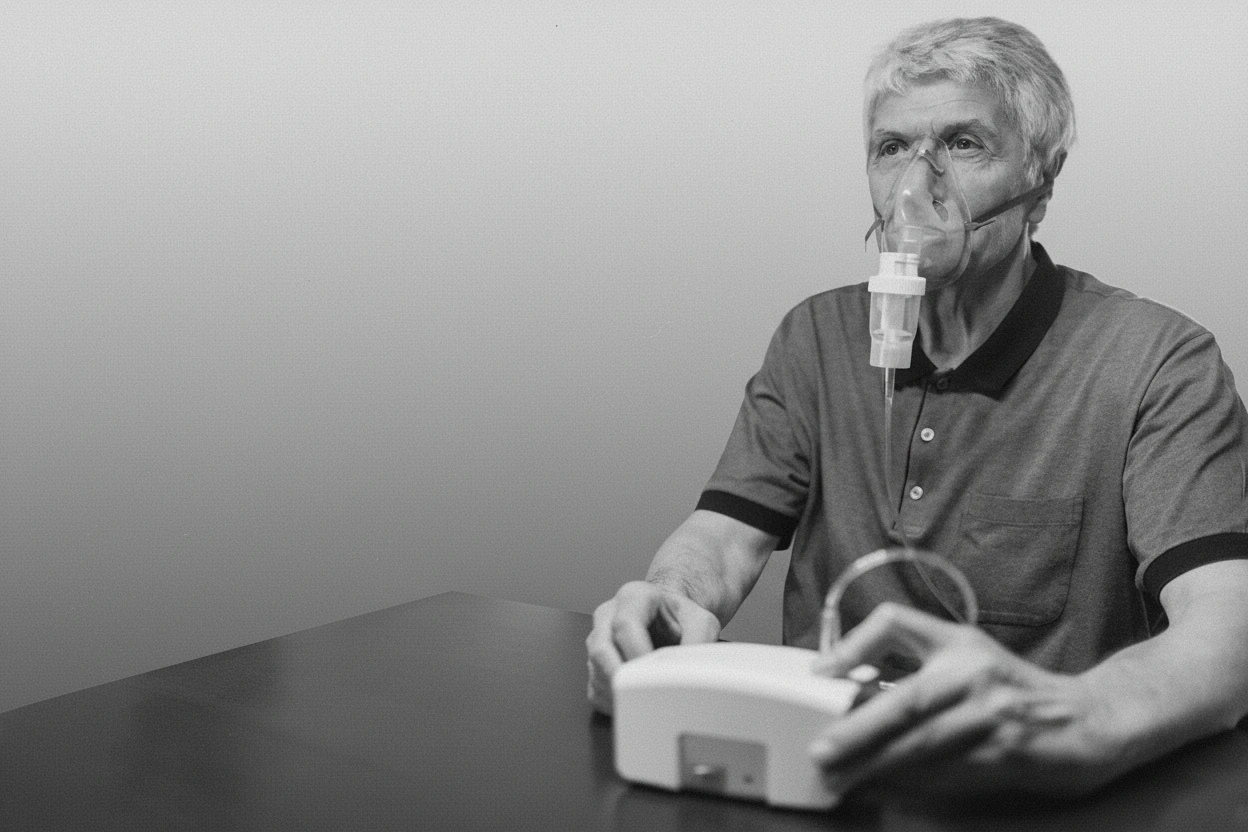
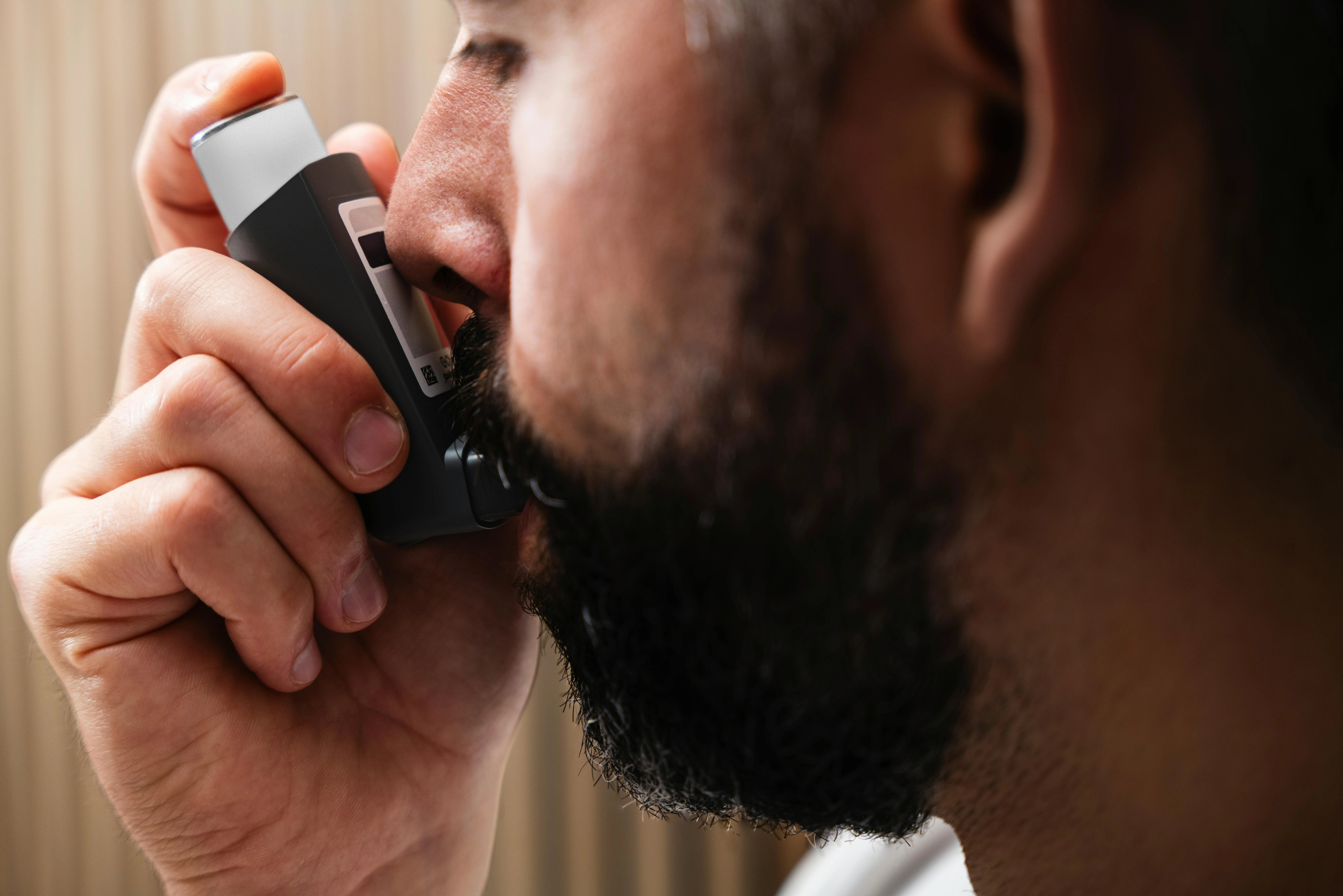
Medical interventions focus on managing lung diseases and supporting lung clearance when natural mechanisms are insufficient. Key treatments include:
- Bronchodilators that relax bronchial smooth muscle to improve airflow15.
- Corticosteroids to reduce airway inflammation and mucus hypersecretion15.
- Antibiotics for bacterial infections complicating lung disease4.
- Supplemental oxygen therapy to improve blood oxygenation in advanced lung conditions15.
- Pulmonary rehabilitation programs to enhance quality of life and functional status in chronic respiratory disease16.
In rare cases, specialized procedures like whole lung lavage (WLL) are used to wash out harmful deposits from the lungs, such as in pulmonary alveolar proteinosis (PAP)17. WLL involves flushing the lungs with saline solution under anesthesia to remove accumulated material and improve breathing17.
Whole lung lavage helps people who have a condition known as pulmonary alveolar proteinosis (PAP). With PAP, deposits of a sand-like material build up in the alveoli (air sacs) of the lungs.
Effectiveness of Lung Detox Products
Despite widespread marketing, lung detox products lack scientific support for their claims18213. Many such products, including pills, teas, oils, and inhalers, are not FDA-approved and may pose health risks, especially when inhaled18192. Aerosolized oils can cause lung inflammation and worsen respiratory conditions2. While some supplements like vitamin D may help reduce airway inflammation, their role in lung detoxification remains unproven141.
“There are countless products for sale on the internet that claim to remove toxins from the lungs, but there is no scientific research to support the use of any of them.”
— Joshua Englert, MD13
Evidence-based lung health strategies focus on lifestyle modifications and professional medical care rather than detox products41.
Maintaining Healthy Lungs
Long-term lung health depends on adopting healthy behaviors and minimizing exposure to harmful agents4. Effective strategies include:
- Quitting smoking and avoiding secondhand smoke8.
- Reducing exposure to air pollution and indoor irritants6.
- Eating a balanced diet rich in antioxidants to support immune function1.
- Staying hydrated to maintain mucus clearance1.
- Practicing good hand hygiene and receiving vaccinations against respiratory infections4.
- Regular medical check-ups to detect and manage lung conditions early4.
“At the end of the day, lungs primarily like clean air. Lungs don’t like pollution, smoke or irritants, so the best way to keep your lungs healthy is to make sure you are taking in clean air.”
— Nawaid Shakir, MD11
Key Takeaways
- Lung health is influenced by environmental exposures, lifestyle habits, and genetics; reducing pollutant exposure and smoking is critical486.
- Early symptoms of lung damage such as chronic cough and shortness of breath require prompt medical evaluation to prevent progression49.
- The lungs have natural detoxification mechanisms including mucociliary clearance and alveolar macrophage phagocytosis that trap and remove inhaled toxins410.
- Supporting lung health through clean air, exercise, hydration, and avoiding smoking enhances natural lung detoxification782.
- Lung detox products lack scientific evidence and may be harmful; medical treatments focus on managing disease and supporting lung function181513.