asthma-and-exercise-benefits-risks-and-safety-tipsasthma-and-exercise-benefits-risks-and-safety-tipsasthma-types-classifications-triggers-and-severityasthma-types-classifications-triggers-and-severityAsthma affects an estimated 300 million individuals worldwide and is characterized by chronic airway inflammation leading to symptoms such as wheezing, coughing, and shortness of breath1. This respiratory condition varies widely in severity and triggers, requiring personalized treatment plans to achieve symptom control and reduce the risk of exacerbations1. Advances in understanding asthma's underlying mechanisms have improved management strategies, emphasizing the importance of ongoing monitoring and tailored therapies2.
Asthma Medications
Asthma management primarily relies on pharmacological therapies aimed at controlling airway inflammation and bronchoconstriction3. Medications are classified into quick relief, long-term control, combination therapies, and biologics, each serving distinct roles in managing asthma symptoms and preventing exacerbations3.
Quick Relief Medicines
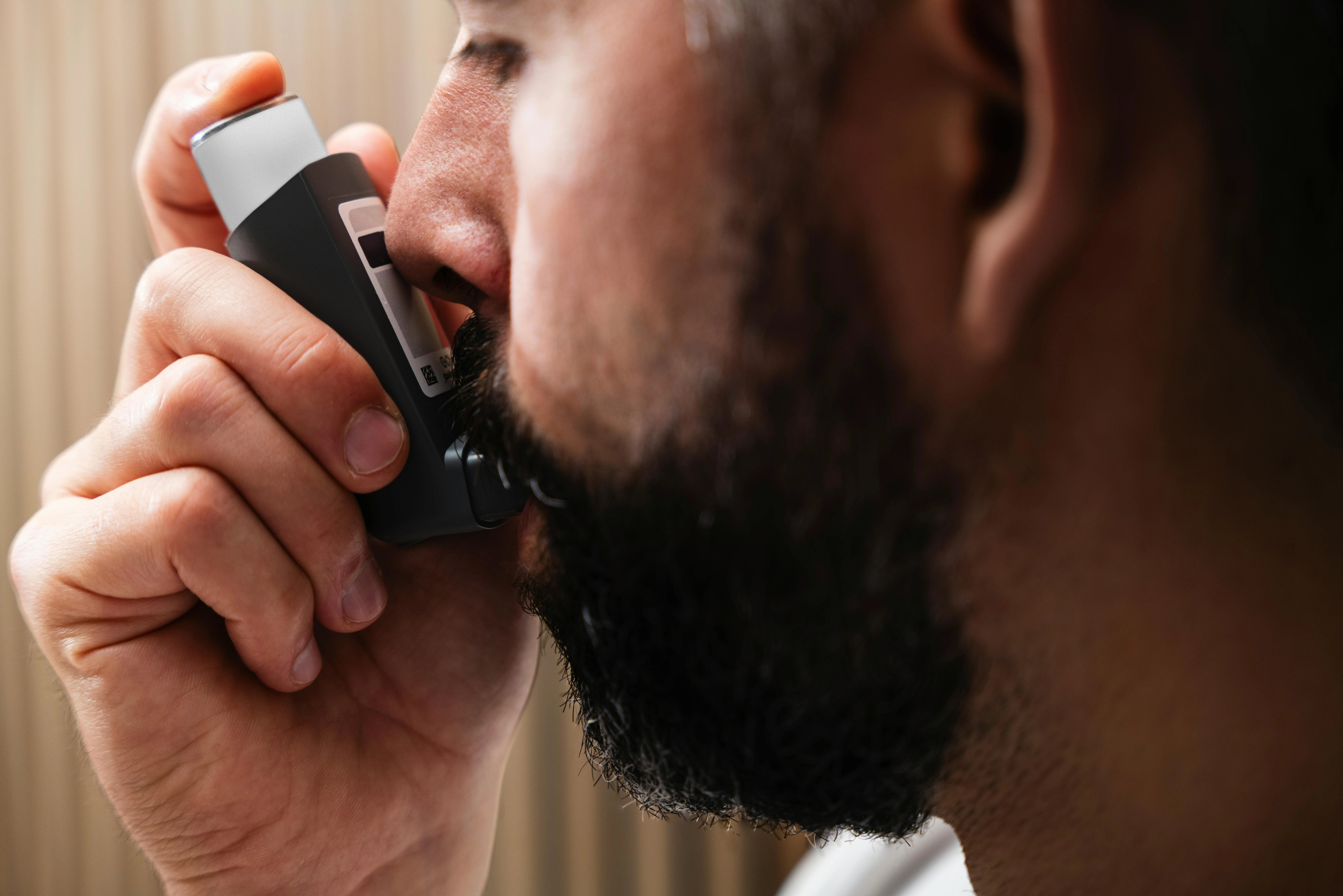
Quick relief medicines provide rapid alleviation of acute asthma symptoms by relaxing bronchial smooth muscle4. Short-acting beta-2 agonists (SABAs), such as albuterol, are the most common rescue medications used for this purpose4. Patients with mild or exercise-induced asthma may use SABAs on an as-needed basis for symptom relief4. It is essential that all patients have access to a rescue inhaler to manage sudden asthma symptoms effectively4.
Long-term Control Medicines
Long-term control medicines focus on reducing airway inflammation to prevent symptoms and exacerbations. Inhaled corticosteroids (ICS) are the cornerstone of anti-inflammatory treatment and are recommended for all patients with asthma56. The 2024 Global Initiative for Asthma (GINA) guidelines emphasize that treatment should always include ICS-containing medications and discourage the use of SABAs alone5. Regular use of ICS markedly reduces the frequency and severity of asthma symptoms and lowers the risk of flare-ups or death1.
Combination Quick-Relief and Control Medicines
Maintenance-and-reliever therapy (MART) combines ICS with formoterol, a long-acting beta-2 agonist (LABA), in a single inhaler used both for daily control and as needed for symptom relief57. This approach is preferred for most patients, providing both anti-inflammatory effects and rapid bronchodilation5. An alternative regimen (Track 2) uses SABA as the reliever alongside a separate ICS inhaler5. This stepwise approach allows treatment to be adjusted based on symptom control and risk factors58.
Biologics
Biologic therapies are advanced treatments indicated for patients with severe asthma who have specific inflammatory phenotypes, particularly type 2 inflammation3910. These medications, such as dupilumab, omalizumab, and mepolizumab, are administered via subcutaneous injections or intravenous infusions and target underlying immune pathways to reduce inflammation and exacerbations9. Biologics have revolutionized management for moderate-to-severe asthma, improving symptom control and quality of life910.
- Biologics are reserved for patients with severe asthma not adequately controlled by standard therapies3.
- They target specific cytokines and immune cells involved in type 2 inflammation10.
- Administration routes include injections and infusions, requiring clinical supervision9.
“ICS-containing treatment markedly reduces the frequency and severity of asthma symptoms and markedly reduces the risk of flare-ups or death.”
— Helen Reddel, Global Initiative for Asthma1
Bronchial Thermoplasty Procedure
Bronchial thermoplasty (BT) is a non-pharmacological intervention approved by the FDA for patients with severe asthma who remain symptomatic despite maximal medical therapy11. The procedure uses bronchoscopic delivery of controlled thermal energy to reduce airway smooth muscle mass, which contributes to airway narrowing and bronchoconstriction in severe asthma11.
BT is performed in three sessions, each targeting different lung regions to maximize therapeutic benefit11. Clinical trials have demonstrated that BT can reduce asthma exacerbations and improve quality of life in selected patients11. It is considered when standard treatments, including high-dose ICS and biologics, fail to achieve adequate control11.
- BT reduces airway smooth muscle hypertrophy, a key factor in severe asthma symptoms11.
- The procedure is delivered via bronchoscopy with thermal energy applied to the airway walls11.
- BT requires multiple treatment sessions spaced weeks apart11.
Asthma Immunotherapy
Immunotherapy is recommended for patients with allergic asthma who have identifiable allergens contributing to their symptoms11. This treatment aims to desensitize the immune system to specific allergens, reducing its reactivity over time11. Allergy testing is essential to identify relevant triggers before initiating immunotherapy11.
Immunotherapy can be administered through subcutaneous injections or sublingual tablets, with the choice depending on patient preference and clinical guidelines11. Treatment involves escalating doses of allergens over several years, typically lasting 3 to 5 years, to achieve sustained symptom reduction11.
- Immunotherapy targets allergic asthma by inducing immune tolerance to specific allergens11.
- It requires careful patient selection based on allergy testing results11.
- Long-term commitment to treatment is necessary for optimal outcomes11.
Complementary Asthma Treatments
Complementary and alternative medicine (CAM) approaches may support asthma management but should not replace conventional treatments. Some patients explore therapies such as acupuncture and breathing exercises to improve quality of life and symptom control.
Acupuncture
Acupuncture involves the insertion of fine needles at specific body points and has been suggested to provide symptomatic relief in asthma. However, high-quality evidence supporting its effectiveness is limited, and it is not recommended as a substitute for standard asthma medications.
Breathing Exercises
Breathing exercises aim to improve respiratory muscle function and reduce symptoms such as breathlessness. While some studies indicate potential benefits, these exercises should be used alongside prescribed asthma treatments rather than as standalone therapy.
Asthma Management Strategies
Effective asthma management combines medication with lifestyle modifications and self-monitoring to maintain control and prevent exacerbations512.
Avoid Triggers
Avoiding known asthma triggers is crucial to reduce symptom frequency and severity4. Common triggers include:
- Allergens such as mold, pollen, pet dander, and dust mites4.
- Nonsteroidal anti-inflammatory drugs (NSAIDs) in sensitive individuals4.
- Psychological stress and emotional changes4.
- Viral respiratory infections4.
Regular Exercise
Physical activity benefits asthma control and overall health4. Low-intensity exercise is recommended for patients with exercise-induced symptoms to improve lung function and fitness safely4.
Use a Peak Flow Meter
Peak flow meters provide an objective measure of expiratory airflow and help track lung function over time4. Regular monitoring assists in detecting worsening asthma and optimizing treatment4. However, accurate measurements depend on patient effort and technique, which may be challenging for some4.
Develop an Asthma Action Plan
An individualized asthma action plan guides patients in recognizing symptom changes and adjusting treatment accordingly5. It includes strategies for trigger avoidance, medication use, and when to seek medical care5. Collaboration with healthcare providers ensures the plan is tailored to the patient's needs and risk factors5.
- Self-monitoring and education improve adherence and outcomes13.
- Action plans reduce hospitalizations and emergency visits14.
Personalized asthma action plans empower patients to manage symptoms effectively and reduce exacerbation risks. Regular review and adjustment of these plans are essential for maintaining control.135
Living With Asthma
Living with asthma requires ongoing management to prevent complications and maintain quality of life512. Most patients can lead normal, active lives with appropriate treatment and self-care4. Key aspects include:
- Adherence to prescribed medications and lifestyle changes4.
- Regular follow-up with healthcare providers for monitoring and treatment adjustment5.
- Awareness of individual risk factors and comorbidities that may affect asthma control1.
- Education on inhaler technique and symptom recognition13.
Avoiding triggers and maintaining physical activity contribute to better symptom control and overall well-being4. Psychological support may be beneficial, as stress can provoke asthma attacks4.
Asthma Treatment Summary
“Asthma treatment should be customized to the individual patient, taking into account their level of symptom control, their risk factors for exacerbations, phenotypic characteristics, and preferences, as well as the effectiveness of available medications, their safety, and their cost to the payer or patient.”
— Helen Reddel, Global Initiative for Asthma1
Asthma is a chronic inflammatory disease requiring a multifaceted management approach512. Treatment involves:
- Pharmacological therapies including ICS-containing controllers, quick-relief SABAs, combination inhalers, and biologics for severe cases53.
- Non-drug interventions such as bronchial thermoplasty for selected patients with severe asthma11.
- Immunotherapy for allergic asthma to reduce sensitivity to specific allergens11.
- Lifestyle modifications focusing on trigger avoidance, regular exercise, and self-monitoring4.
- Patient education and individualized asthma action plans to enhance adherence and self-management513.
Regular assessment of asthma control and risk factors guides stepwise treatment adjustments to optimize outcomes58. With comprehensive care, most patients achieve good symptom control and reduce the risk of severe exacerbations4.