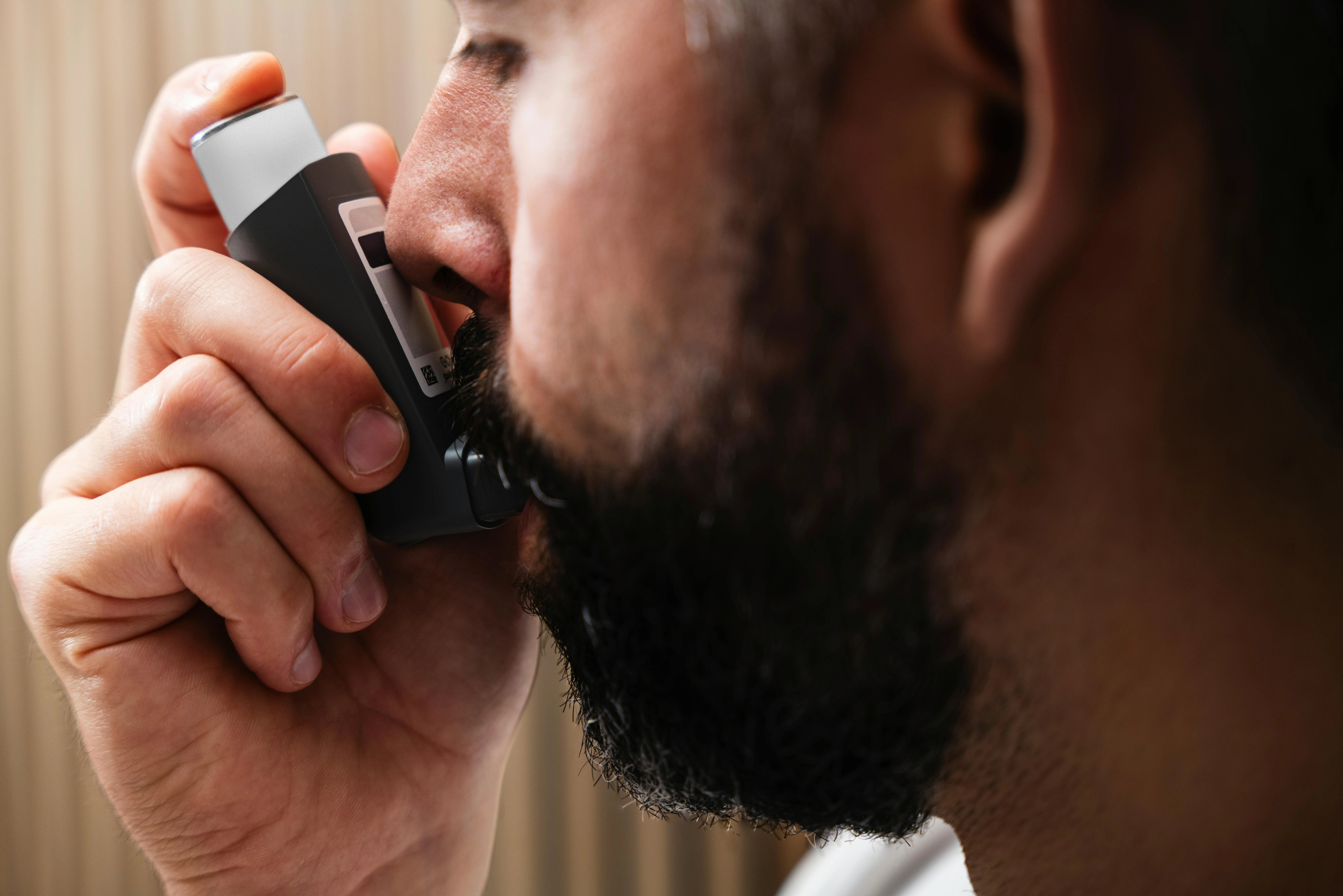
Emphysema is a chronic lung disease that causes damage to the tiny air sacs in the lungs, called alveoli, leading to difficulty breathing and reduced oxygen supply to the body1. It is a major form of chronic obstructive pulmonary disease (COPD), affecting millions worldwide and often developing slowly over many years2. The disease significantly impairs lung function and quality of life, with symptoms worsening as lung tissue is progressively destroyed3.
Types of Emphysema
Emphysema is classified based on the anatomical distribution of alveolar damage within the lung lobules. The three main types are centrilobular, panlobular, and paraseptal emphysema4.
Centrilobular Emphysema
Centrilobular emphysema is the most common type and primarily affects the central parts of the acinus near the respiratory bronchioles, mostly in the upper lung zones4. It usually starts in the center of the lungs and spreads outward, causing enlargement and destruction of alveoli5. This type is strongly linked to cigarette smoking and long-term exposure to tobacco smoke4. The damage leads to loss of elasticity in the alveoli, impairing gas exchange and airflow3.
Panlobular Emphysema
Panlobular emphysema affects the entire acinus, including alveoli, bronchioles, and blood vessels, resulting in uniform enlargement of air spaces4. It is commonly found in the lower half of the lungs and is associated with alpha-1 antitrypsin deficiency, a genetic disorder that predisposes individuals to this type6. The destruction of alveolar walls reduces the surface area for oxygen and carbon dioxide exchange, leading to progressive breathlessness4.
Paraseptal Emphysema
Paraseptal emphysema is a rare form that mainly affects the alveoli near the pleura, the lining of the lungs, often occurring in the lung apices4. It is frequently found alongside other types of emphysema and is associated with prior lung infections or inflammatory processes4. This type can lead to the formation of large air spaces called bullae, which may increase the risk of lung collapse (pneumothorax)3.
Emphysema Symptoms
Emphysema symptoms typically develop gradually and worsen over time, often impairing daily functioning7. Early signs are subtle and may be overlooked, but as the disease progresses, symptoms become more severe7.
Common symptoms include:
- Shortness of breath, especially during physical activity1
- Wheezing or a whistling sound when breathing out1
- Chronic cough, sometimes with mucus production3
- Chest tightness or heaviness1
- Fatigue and decreased exercise tolerance3
- Weight loss and swelling in the ankles or legs in advanced stages1
In severe cases, cyanosis—a bluish tint of the lips and nails—may occur due to low oxygen levels in the blood7. Over time, breathlessness can occur even at rest, significantly affecting quality of life2.
Emphysema symptoms often start slowly and may go unnoticed for years. Early detection is key to managing the disease and improving outcomes.7
Emphysema Causes and Development
Emphysema results from the destruction of alveolar walls, leading to impaired gas exchange and airflow limitation6. This damage is caused by an imbalance between proteases (enzymes that break down proteins) and antiproteases, chronic inflammation, oxidative stress, and impaired tissue repair8.
The hallmark of emphysema is the destruction of alveolar walls, which causes air spaces to merge and reduces the surface area available for oxygen and carbon dioxide exchange6. This leads to difficulty breathing (dyspnea) and reduced oxygen delivery to the body7.
Smoking is the leading cause of emphysema, as cigarette smoke contains harmful chemicals that damage lung tissue and trigger inflammation2. Other causes include:
- Long-term exposure to air pollution, chemical fumes, dust, and vapors4
- Genetic factors such as alpha-1 antitrypsin deficiency, which reduces the lung’s ability to protect itself from enzyme damage6
- Recurrent lung infections and allergies that worsen lung inflammation3
The disease develops slowly, often over decades, with symptoms appearing after significant lung damage has occurred2.
Emphysema Risk Factors
Several factors increase the risk of developing emphysema by damaging the alveoli and reducing lung elasticity4. These include:
- Cigarette smoking, the most significant risk factor6
- Smoking pipes, cigars, and cannabis4
- Exposure to secondhand smoke4
- Occupational exposure to chemical dust, fumes, and vapors4
- Long-term exposure to air pollution and industrial chemicals4
- Age, with emphysema more common in people aged 50 and older due to gradual lung damage4
- Genetic predisposition, especially alpha-1 antitrypsin deficiency6
The cumulative exposure to tobacco smoke is the strongest risk factor, with symptoms typically appearing after many years of smoking6.
Diagnosing Emphysema
Diagnosis of emphysema involves clinical evaluation, lung function tests, and imaging studies7. A thorough history of symptoms, smoking, and occupational exposures is essential7. Physical examination may reveal signs such as wheezing, crackles, and difficulty breathing7.
Key diagnostic tools include:
- Spirometry: Measures airflow limitation and lung function, the standard test for emphysema diagnosis6
- Chest CT scan: The most sensitive imaging method to detect and quantify emphysema9
- Arterial blood gases: Assess oxygen and carbon dioxide levels in the blood to evaluate gas exchange efficiency7
- Alpha-1 antitrypsin testing: Recommended for patients with early-onset emphysema or family history to detect genetic deficiency6
Stages of Emphysema
Emphysema severity is classified based on spirometric staging and symptom burden6. The stages include:
| Stage | Characteristics | Symptoms |
|---|---|---|
| Mild | Slight airflow limitation | Symptoms mainly during exertion6 |
| Moderate | Worsening airflow limitation | Increased dyspnea and respiratory symptoms6 |
| Severe | Significant airflow limitation and gas exchange impairment | Breathlessness at rest, frequent exacerbations2 |
Early diagnosis and staging help guide treatment and management strategies7.
“The Global Initiative for Chronic Obstructive Lung Disease (GOLD) defines COPD as a common, preventable, and treatable disease characterized by persistent respiratory symptoms and airflow limitation due to airway or alveolar abnormalities usually caused by significant exposure to noxious particles or gases.”
— Global Initiative for Chronic Obstructive Lung Disease (GOLD)2
Emphysema Treatment Options
There is currently no cure for emphysema, but treatments focus on relieving symptoms, slowing disease progression, and improving quality of life7. Treatment is tailored to the severity of the disease and patient needs7.
Common treatment options include:
- Smoking cessation, the most critical step to slow progression6
- Inhaled bronchodilators to improve airflow and reduce breathlessness6
- Inhaled corticosteroids combined with bronchodilators to decrease airway inflammation and reduce exacerbations6
- Long-term oxygen therapy for patients with severe hypoxemia to improve survival and quality of life6
- Pulmonary rehabilitation programs that include exercise training, education, and breathing techniques to enhance exercise capacity and symptom control7
- Surgical options such as lung volume reduction surgery or lung transplantation for selected patients with advanced emphysema6
Medications may also include antibiotics for infections and anti-inflammatory drugs to manage symptoms10.
Quitting smoking is the single most effective way to slow emphysema progression and improve lung health. Combining medications with lifestyle changes offers the best symptom control.67
Preventing Emphysema Progression
While emphysema is incurable, certain measures can help prevent worsening of the disease7. Key preventive strategies include:
- Complete smoking cessation and avoidance of secondhand smoke7
- Avoiding exposure to air pollutants, workplace chemicals, and lung irritants; using protective masks when necessary5
- Regular physical activity to support lung function and overall health7
- Routine medical evaluations for early detection and management of lung conditions7
- Good nutrition to maintain respiratory and general health7
Vaccinations against influenza and pneumonia-symptoms-and-treatmentpneumonia-symptoms-and-treatmentpneumonia are also recommended to prevent respiratory infections that can exacerbate emphysema11.
Emphysema is a chronic disease that affects more than just the lungs. Managing overall health and comorbid conditions is essential for a better quality of life.12
Emphysema Comorbid Conditions
Emphysema often occurs alongside other health problems that can complicate management and worsen outcomes12. Common comorbidities include:
- Gastroesophageal reflux disease (GERD), which is frequent in emphysema patients12
- Pulmonary hypertension and other heart problems due to chronic low oxygen levels13
- Anxiety and depression related to chronic illness and breathlessness3
- Increased risk of lung infections such as pneumonia11
Preventive measures to reduce comorbid risks include quitting smoking, avoiding secondhand smoke, and minimizing exposure to lung irritants5.
Managing Life With Emphysema
Living with emphysema requires comprehensive management to maintain quality of life and reduce complications5. Emphysema has systemic effects involving cardiovascular, muscular, and neurological systems, increasing the risk for various comorbidities12.
Key aspects of managing life with emphysema include:
- Adhering to prescribed treatments and pulmonary rehabilitation programs7
- Avoiding lung irritants and environmental pollutants5
- Maintaining regular medical follow-ups for monitoring and early intervention7
- Engaging in gentle physical activity to improve lung capacity and muscle strength7
- Managing symptoms such as anxiety and depression through counseling or medication if needed3
Support from healthcare providers, family, and social networks is important for coping with the chronic nature of emphysema7.