Eye twitching is a common condition that many people experience at some point in their lives. It often appears as an involuntary, abnormal blinking or spasm of the eyelid muscles and usually resolves on its own without treatment1. While most cases are minor and linked to lifestyle factors like stress or caffeine intake, persistent or severe twitching may indicate an underlying neurological or ocular disorder requiring medical evaluation2. Understanding the different types, causes, symptoms, and treatments can help manage this condition effectively and know when to seek professional care3.
Types of Eyelid Twitching
Eyelid twitching can manifest in several distinct forms, each with different causes and implications. The three most common types are eyelid myokymia, benign essential blepharospasm, and hemifacial spasm4.
-
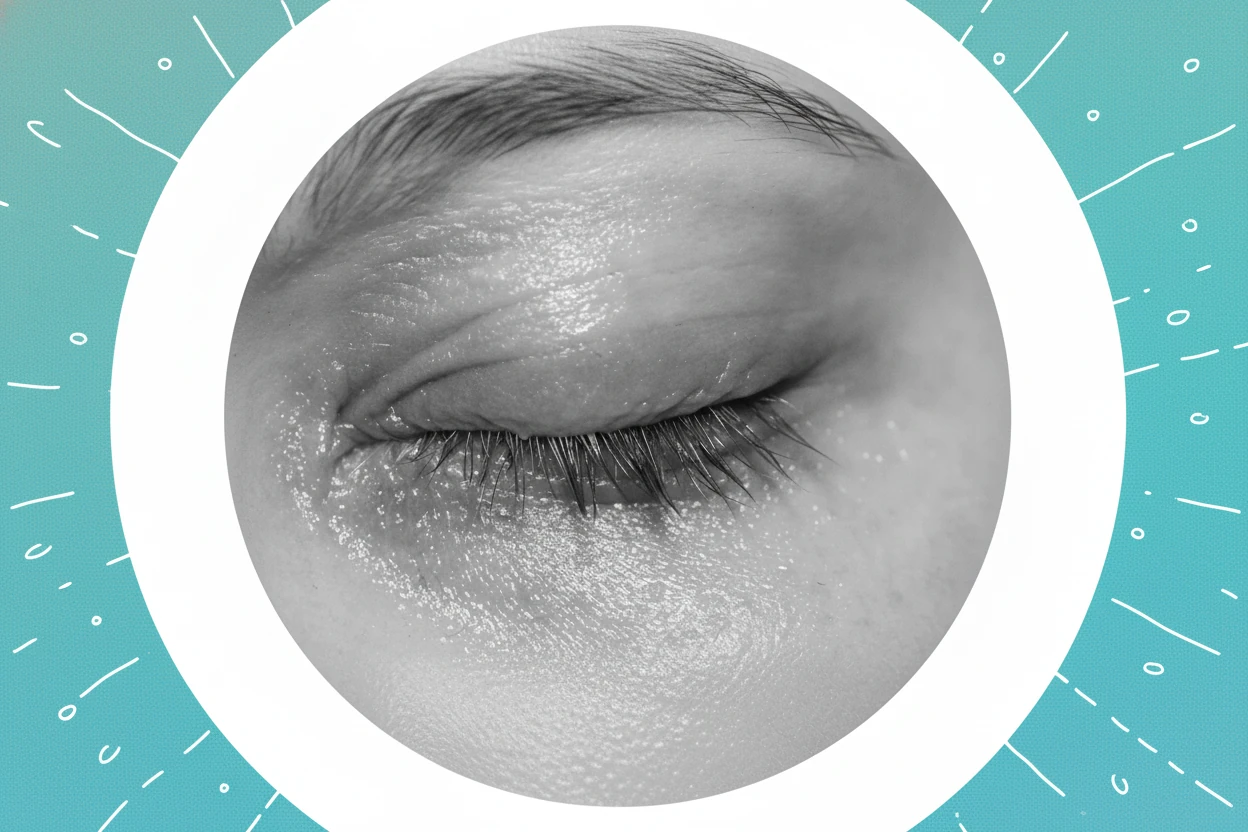
Eyelid Myokymia: This is the most frequent and mildest form, characterized by small, slow, and steady involuntary contractions, usually affecting one eyelid, often the lower one. It is typically benign and transient, lasting a few seconds to days5. Myokymia often feels like gentle tugs or ripples on the eyelid muscles and is usually not visible to others6.
-
Benign Essential Blepharospasm: This is a chronic movement disorder classified as a focal dystonia affecting the muscles around both eyes. It starts as increased blinking and can progress to forceful, sustained contractions causing partial or complete eyelid closure, sometimes lasting minutes to hours. It predominantly affects middle-aged and older women, with a mean onset in the 50s, and may lead to functional visual impairment74. Blepharospasm may also involve psychiatric comorbidities such as anxiety and depression7.
-
Hemifacial Spasm: This condition involves involuntary contractions of muscles on one side of the face, including the eyelid, cheek, mouth, and neck muscles. It usually results from vascular compression of the facial nerve at its root exit zone. Although benign, hemifacial spasm can cause significant social distress due to its visible and sometimes disabling nature74.
Other less common types of eye twitching include fasciculations (small, fast facial muscle movements) and nystagmus (rapid, involuntary eye movements), but these are distinct from eyelid twitching and have different clinical implications58.
Common Causes of Eye Twitching
Eye twitching can arise from a variety of causes, ranging from simple lifestyle factors to complex neurological disorders. The exact cause is often unknown but may originate in the motor nerves controlling eyelid muscles3.
-
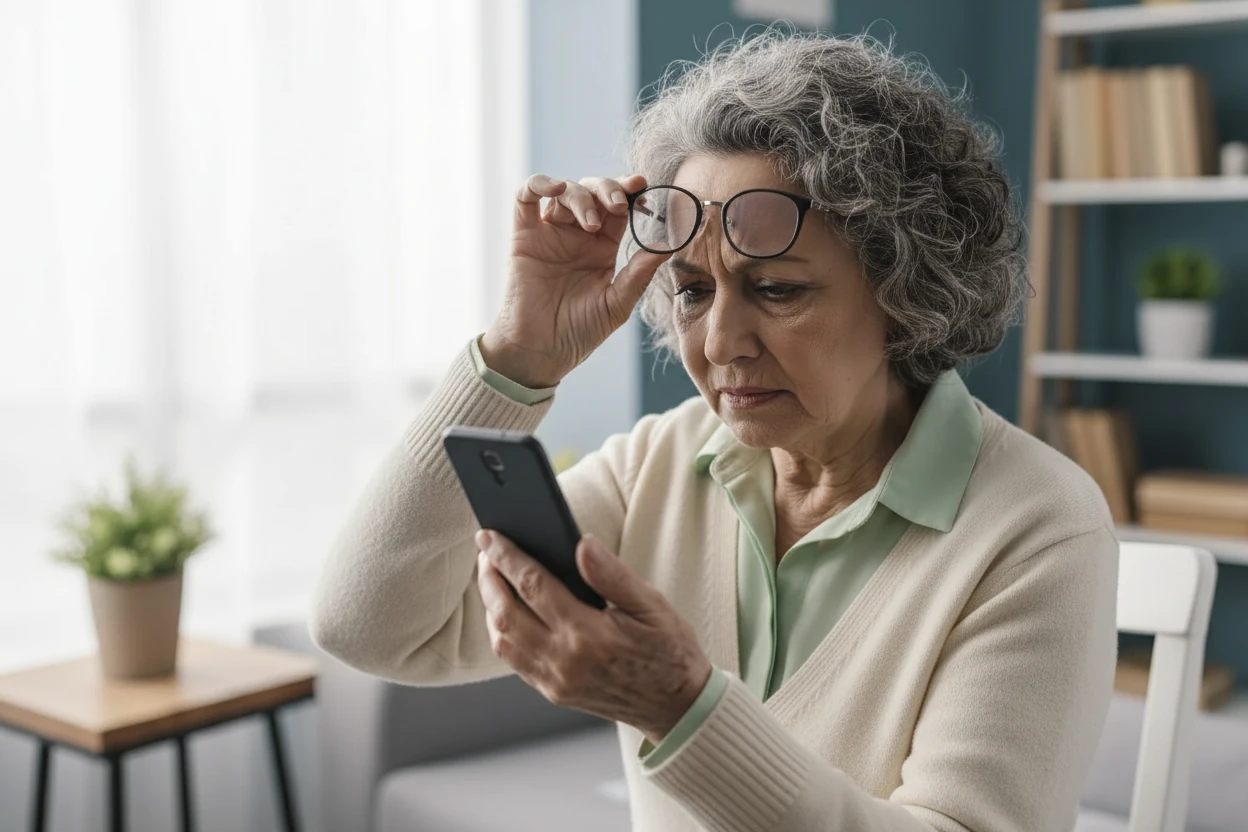
Lifestyle and Environmental Triggers: Stress, fatigue, lack of sleep, excessive caffeine or alcohol intake, and prolonged screen time are common triggers of eyelid myokymia59. Eye strain from uncorrected vision problems or increased digital device use can also contribute109. Environmental irritants such as bright lights, wind, air pollution, and dry eyes may worsen symptoms59.
-
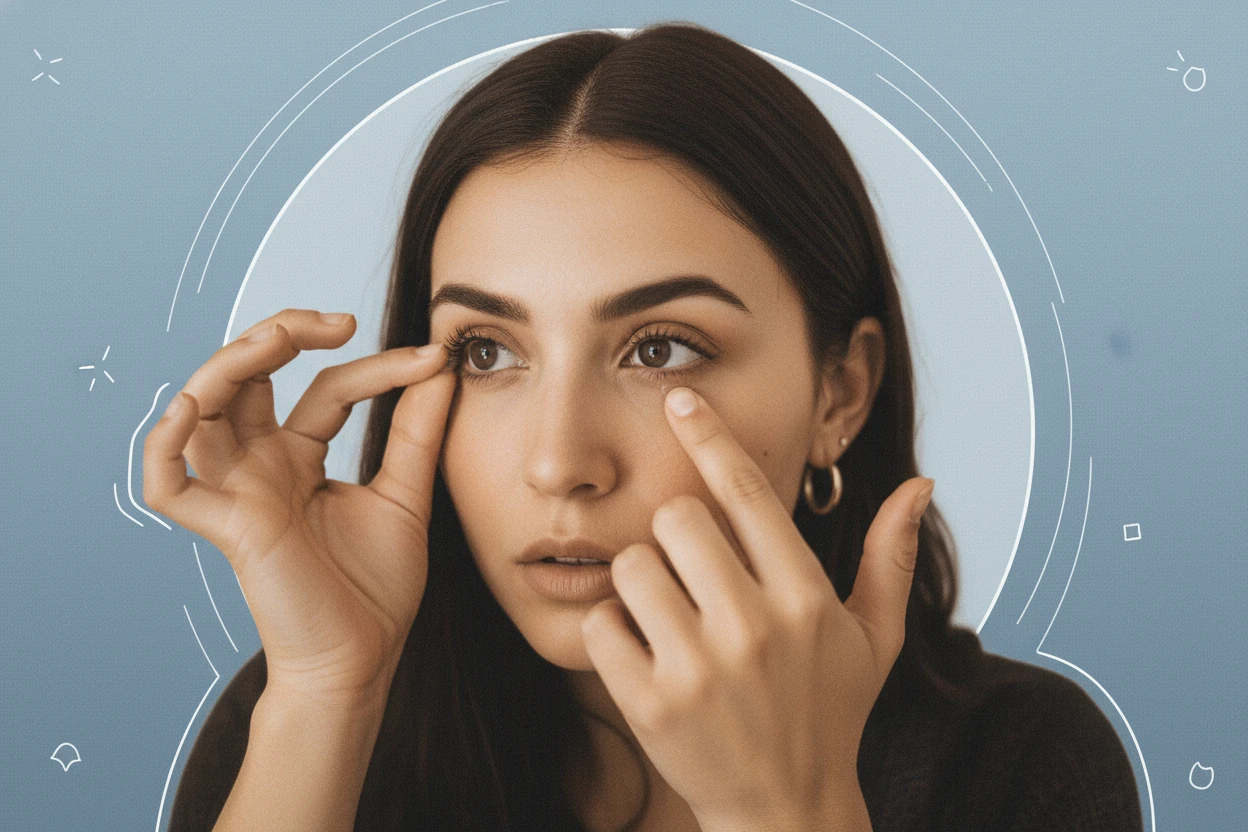
Ocular Surface Conditions: Dry eye disease (DED) and eye irritation from allergies-symptoms-and-differencesallergies-symptoms-causes-and-treatmentallergies, infections, or contact lens use can provoke eyelid twitching1112139. These conditions cause discomfort and inflammation, stimulating eyelid muscle spasms.
-
Medications: Certain drugs, including topiramate, antipsychotics, antiseizure medications, and Parkinson’s disease treatments, have been associated with persistent or chronic eyelid twitching1456. For example, topiramate-induced persistent eyelid myokymia has been reported14.
-
Neurological Disorders: More serious causes include movement disorders such as blepharospasm, Meige syndrome (a rare dystonia involving periocular and lower facial muscles), hemifacial spasm, multiple sclerosis, Parkinson’s disease, Bell’s palsy, and Tourette syndrome756. These conditions often present with additional neurological symptoms.
-
Structural Causes: Hemifacial spasm is frequently caused by a blood vessel compressing the facial nerve, while secondary causes can include trauma, brainstem lesions, tumors, or infections75.
-
Genetic and Other Factors: A family history of eye twitching or head injury may increase the risk. The malfunction of neural circuits in the basal ganglia is implicated in blepharospasm155.
“Eye twitching is a common condition that may run in families. The exact cause of eye twitching is not known, but the condition can originate in the motor nerves of the brain. Dry eyes, stress, fatigue, eye strain, and certain medications can contribute to an episode.”
— Amanda Henderson, Johns Hopkins Medicine3
Associated Symptoms
Eye twitching is often accompanied by other symptoms that can help distinguish benign from more serious causes.
- Common Associated Symptoms:
- Eye soreness or irritation7
- Photophobia (light sensitivity)7
- Dry eyes or a gritty sensation117
- Increased blinking rate2
- Mild eye discomfort or redness9
-
Facial spasms, especially in hemifacial spasm or blepharospasm74
-
Complications:
- Chronic blepharospasm can lead to functional visual impairment due to forceful eyelid closure7.
- Severe, persistent twitching may cause permanent eyelid changes such as drooping (ptosis), abnormal eyelid folding, or extra skin around the eyes1617.
- Rarely, chronic eyelid spasms can spread to other facial muscles, causing broader dystonia17.
- Vision problems may occur if twitching is frequent or severe enough to interfere with eye opening2.
Most eyelid myokymia cases are painless and resolve without complications. However, persistent or progressive twitching, especially when accompanied by facial involvement or neurological signs, requires further evaluation9.
Eye twitching symptoms often improve with sleep and relaxation but may worsen with stress, bright lights, caffeine, or eye irritation. Persistent twitching that affects vision or causes eyelid closure should prompt medical attention.182
Treatment and Home Remedies
Treatment for eye twitching depends on the underlying cause and severity of symptoms.
- Home Remedies:
- Getting adequate sleep and managing stress can reduce twitching episodes19.
- Limiting caffeine and alcohol intake may help prevent or lessen symptoms19.
- Using artificial tear eye drops can relieve dry eyes and irritation contributing to twitching9.
- Applying warm compresses to the eyelids may soothe muscle spasms4.
-
Reducing screen time and correcting vision problems can decrease eye strain109.
-
Medical Treatments:
- Botulinum toxin injections (Botox) are the first-line treatment for blepharospasm and hemifacial spasm. They work by temporarily paralyzing the affected muscles, providing relief for about 3–4 months. Repeat injections are usually necessary7417.
- Oral medications may be used if injections are not tolerated but are generally less effective7.
- Surgery (myectomy) to remove some eyelid muscles and nerves is reserved for refractory cases unresponsive to botulinum toxin74.
- Treating underlying conditions such as dry eye disease or neurological disorders is essential for symptom control117.
Most cases of eyelid myokymia do not require medical treatment and resolve spontaneously with lifestyle adjustments199. However, chronic or severe cases, especially blepharospasm and hemifacial spasm, often need specialized care7.
| Treatment Type | Indication | Duration of Effect | Notes |
|---|---|---|---|
| Botulinum toxin injections | Blepharospasm, hemifacial spasm | 3–4 months | Repeat injections needed7 |
| Oral medications | Patients intolerant to injections | Variable | Less effective7 |
| Surgery (Myectomy) | Refractory cases | Long-term | Rarely required74 |
| Home remedies | Mild, transient myokymia | Temporary | Sleep, stress reduction, caffeine limitation19 |
When to See a Doctor
Most eyelid twitches are harmless and resolve without intervention. However, certain signs and symptoms warrant prompt medical evaluation:
- Twitching lasts longer than one to two weeks18.
- Twitching causes the eyelid to close completely or makes it difficult to open the eye18.
- Twitching spreads to other parts of the face or body18.
- The eye becomes red, swollen, or has unusual discharge18.
- There is drooping of the eyelid or other changes in eyelid position18.
- Twitching is associated with vision changes or functional impairment2.
- There is a history of head injury, neurological symptoms, or family history of movement disorders35.
A healthcare provider, often an ophthalmologist or neurologist, will perform a detailed history and physical examination, including neurological and eye assessments. Imaging studies like MRI or CT scans may be ordered to exclude structural causes if indicated217.
“Botulinum toxin injections are the first-line treatment for blepharospasm and hemifacial spasm, with a high response rate and good safety profile. Repeat injections are typically needed every 3–4 months. Surgery is considered in refractory cases but is not commonly required.”
— J. Rucker7
Summary and Key Takeaways
- Eye twitching is a common, usually benign condition that often resolves with rest, stress reduction, and limiting caffeine19.
- The three main types of eyelid twitching are eyelid myokymia (mild, transient), benign essential blepharospasm (chronic, bilateral), and hemifacial spasm (unilateral facial muscle involvement)74.
- Common causes include stress, fatigue, caffeine, eye strain, dry eyes, medications, and neurological disorders35.
- Persistent, progressive, or functionally disabling twitching, especially with facial involvement or other neurological symptoms, requires medical evaluation718.
- Botulinum toxin injections are the most effective treatment for blepharospasm and hemifacial spasm, with surgery reserved for refractory cases74.
- Home remedies such as adequate sleep, stress management, and eye lubrication can help mild cases19.