endometriosis-quiz-assess-your-symptoms-risk">endometriosis-stages-symptoms-and-treatment">Endometriosis affects about 10% of women of reproductive age and is characterized by chronic inflammation and estrogen dependence, which contribute to its symptoms and progression1. Research suggests that dietary choices can influence inflammation and hormone levels, potentially impacting the severity of endometriosis symptoms2. While diet alone cannot cure endometriosis, adopting an anti-inflammatory, nutrient-rich eating pattern may help reduce pain and improve quality of life34.
Endometriosis and Diet Connection
Endometriosis is an estrogen-dependent condition marked by inflammation and oxidative stress, which play key roles in its development and symptom severity2. Diet influences endometriosis through hormonal modulation and by altering inflammatory and oxidative responses5. Observational studies show that diets rich in fruits, vegetables, and omega-3 fatty acids are linked to a lower risk or milder symptoms, while high consumption of red meat, trans fats, and alcohol may increase risk and worsen symptoms678. However, current evidence mainly comes from observational and small intervention studies, with a lack of large randomized controlled trials to provide definitive dietary guidelines91011.
Improving diet quality and nutritional knowledge among women with endometriosis may enhance well-being and reduce pain12. A balanced diet that supports hormone regulation and reduces inflammation is a valuable adjunct to medical management135.
Foods To Eat for Endometriosis
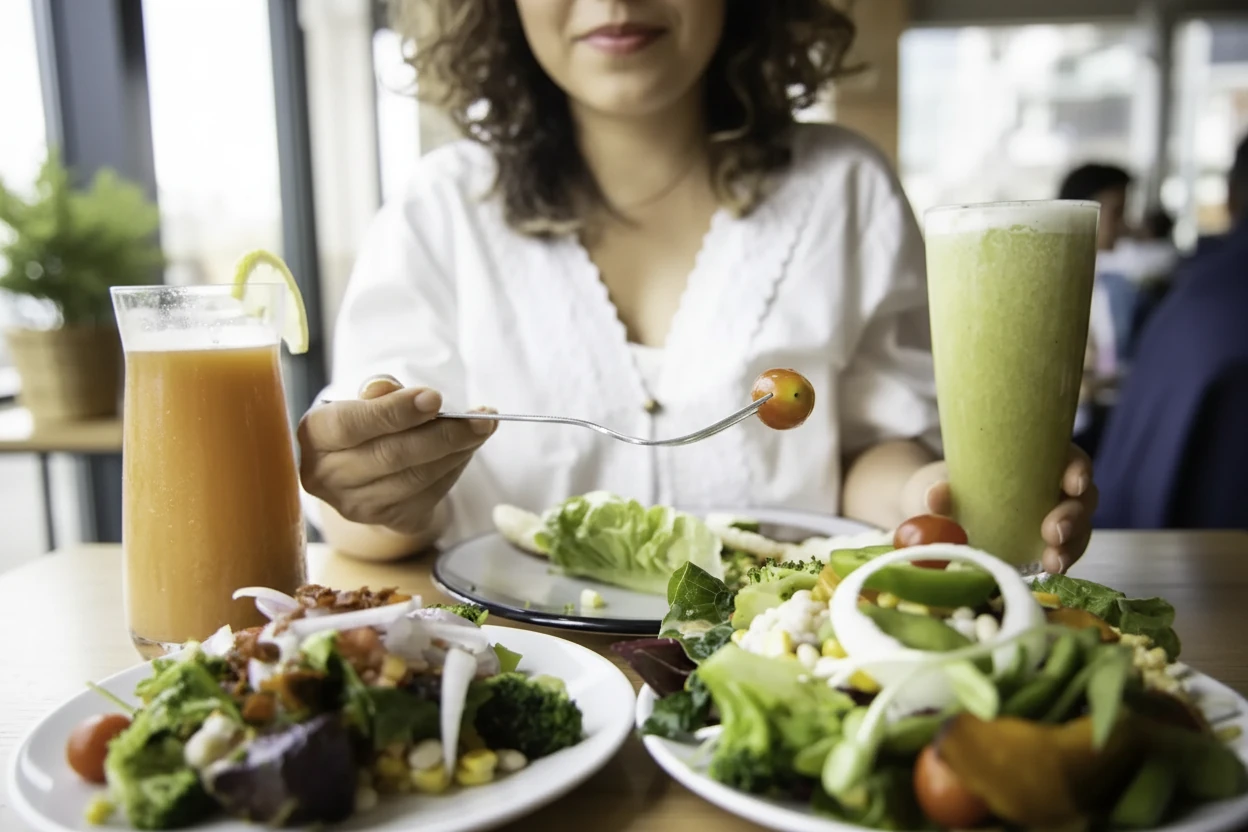
A nutrient-dense, anti-inflammatory diet can help manage endometriosis symptoms by reducing inflammation and supporting hormonal balance. Key food groups beneficial for endometriosis include antioxidant-rich foods, fiber, iron, omega-3 fatty acids, and varied protein sources.
Antioxidant-Rich Foods
Antioxidants combat oxidative stress, which contributes to endometriosis pathology2. Vitamins C and E have shown promise in reducing inflammation and pelvic pain in some studies1114. Colorful fruits and vegetables such as oranges, berries, spinach, and beets are rich in antioxidants and flavonoids like quercetin, resveratrol, and sulforaphane, which may help modulate inflammation and estrogen activity151617.
Fiber
Dietary fiber supports estrogen metabolism by interrupting enterohepatic circulation, promoting estrogen excretion, and potentially lowering circulating estrogen levels by 10 to 25%18. High fiber intake, common in plant-based diets, may also reduce insulin levels, which can influence estrogen production and endometrial cell proliferation10. Fruits, vegetables, legumes, and whole grains are excellent fiber sources1918.
Iron
Heavy menstrual bleeding in endometriosis can lead to iron deficiency anemia. Consuming iron-rich foods such as eggs, lean meats, fish, and green leafy vegetables helps replenish iron stores and supports overall health2021. Iron is essential for energy and immune function, which can be compromised in endometriosis.
Omega-3 Fatty Acids
Omega-3 fatty acids have anti-inflammatory properties and may reduce endometrial tissue inflammation and progression, especially in advanced stages17. Sources include fatty fish (salmon, sardines, mackerel), walnuts, flaxseeds, chia seeds, and plant oils like flaxseed and canola oil617. Omega-3 supplementation is sometimes recommended to complement dietary intake8.
Protein
A variety of protein sources, both animal and plant-based, support tissue repair and hormonal balance. Lean poultry, fish, eggs, beans, legumes, nuts, seeds, and soy products provide essential amino acids without excessive saturated fat1722. Limiting red meat intake while ensuring adequate protein diversity may help reduce inflammation and estrogen levels622.
Foods To Avoid With Endometriosis
Certain foods may exacerbate inflammation, increase estrogen levels, or worsen symptoms in endometriosis. Avoiding or limiting these can help manage the condition.
High-FODMAP Foods
High-FODMAP (fermentable oligosaccharides, disaccharides, monosaccharides, and polyols) foods can cause digestive discomfort such as bloating, gas, and pain, especially in women with overlapping irritable bowel syndrome (IBS) and endometriosis102321. A low-FODMAP diet may reduce gastrointestinal symptoms but should be followed under professional guidance to avoid nutritional deficiencies10.
Gluten
The role of gluten in endometriosis remains unclear. Some women report symptom improvement after gluten elimination, but scientific evidence does not support recommending a gluten-free diet solely for endometriosis management2425. Gluten avoidance may be beneficial if gluten sensitivity or celiac disease is diagnosed26.
Red Meat
High consumption of red meat, particularly processed varieties, is associated with increased risk and severity of endometriosis627. Red meat may raise estrogen levels and promote inflammation. Limiting red meat to 1–2 servings per week and choosing lean, grass-fed options when consumed is advisable2228.
Trans Fats
Trans fats, found mainly in fried, processed, and fast foods, increase inflammation and have been linked to higher endometriosis risk6828. Avoiding foods high in trans fats supports overall health and may reduce symptom severity.
Supplements for Endometriosis Relief
Supplementation with antioxidants such as vitamins C and E has shown some benefit in reducing pelvic pain and inflammation in endometriosis1114. Omega-3 fatty acid supplements may also help reduce inflammation and endometrial lesions, especially in advanced disease8. Other supplements like zinc and curcumin (from turmeric) have anti-inflammatory properties and may support symptom management, though more research is needed17.
Vitamin D plays a role in immune regulation and inflammation; maintaining adequate levels through diet, sunlight, or supplements is recommended29. N-acetylcysteine (NAC), a precursor to the antioxidant glutathione, has shown promise in reducing endometrial cysts in some trials17.
It is important to consult healthcare providers before starting supplements, as evidence is limited and supplements may interact with medications17.
Endometriosis-Friendly Meal Ideas
Creating meals that emphasize anti-inflammatory and nutrient-rich foods can support symptom management. Focus on balanced plates with:
“Following an anti-inflammatory diet with foods rich in magnesium along with high consumption of fruits and vegetables such as strawberries, blueberries and broccoli helps eliminate bloat and could ultimately prevent a patient with endometriosis from having surgery in some cases.”
— Karen Hartung, Palm Beach Gardens Medical Center28
- A variety of colorful vegetables and fruits rich in antioxidants and fiber22.
- Lean proteins such as skinless poultry, fish, eggs, and plant-based options like beans and legumes17.
- Healthy fats from sources like olive oil, nuts, seeds, and fatty fish6.
- Whole grains or gluten-free alternatives if needed22.
Examples include grilled salmon with steamed broccoli and quinoa, a spinach and berry salad with walnuts and avocado, or a chickpea and vegetable stir-fry with brown rice. Gradual increases in fiber intake with adequate hydration can minimize digestive discomfort34.
Alternative Therapies for Endometriosis
Beyond diet, alternative therapies such as acupuncture, massage, and relaxation techniques may help reduce pain and improve quality of life17. Regular exercise supports hormone regulation, reduces estrogen levels, and releases mood-enhancing endorphins29. Stress management through meditation or counseling can also alleviate symptoms by reducing inflammation triggered by chronic stress4.
💡 Did You Know? Eating whole, natural foods rich in fiber helps your body eliminate excess estrogen by promoting regular bowel movements, which is important for managing endometriosis symptoms3.
Endometriosis Diet Summary
Diet plays a supportive role in managing endometriosis by reducing inflammation and modulating hormone levels. Key recommendations include:
- Emphasize a plant-based, anti-inflammatory diet rich in fruits, vegetables, fiber, omega-3 fatty acids, and lean protein67.
- Limit intake of red meat, trans fats, processed foods, alcohol, and caffeine to reduce estrogen and inflammation828.
- Consider supplements such as vitamins C, E, D, omega-3s, and zinc after consulting a healthcare provider1117.
- Tailor dietary choices to individual tolerance, possibly using food journals to identify triggers3.
- Combine dietary changes with exercise, stress management, and medical treatment for comprehensive care29.
While diet cannot cure endometriosis, it can significantly improve symptom management and overall well-being3.