depression-7-helpful-choicesdepression-7-helpful-choicesdepression-reliefdepression-reliefDepression affects millions of older adults worldwide and is a significant barrier to healthy aging12. It is closely linked with chronic physical illnesses such as diabetes and cardiovascular disease, which often worsen with age345. Understanding how depression influences physical health and vice versa is vital for improving care and outcomes in older populations61.
Depression and Physical Health Decline
Depression in older adults is strongly associated with a decline in physical health and increased risk of chronic conditions. Depressive symptoms often predict worsening physical performance and frailty over time, contributing to reduced mobility and functional limitations758. Older adults with depression are more likely to experience somatic symptoms and a loss of interest in activities, which can further impair physical health9.
Several mechanisms explain how depression worsens physical health. These include lifestyle changes such as physical inactivity and unhealthy eating habits, which are common among depressed individuals and increase the risk of chronic diseases101112. Inflammation also plays a key role, as it is linked to both depression and many physical illnesses, including cardiovascular disease and diabetes345. Genetic vulnerabilities may predispose some older adults to late-life depression, further complicating their health status9.
Depression negatively affects self-care behaviors, leading to poorer management of chronic conditions and increased risk of complications136. This decline in physical health can accelerate the aging process, resulting in greater frailty and disability114. Chronic depression has been shown to cause significant declines in self-reported physical ability over time, highlighting the importance of addressing mental health to preserve physical function1516.
- Depressive symptoms predict low physical performance and frailty over time758.
- Physical inactivity and unhealthy eating are strongly associated with increased depression101112.
- Depression is linked to poor self-care and increased risk of chronic diseases136.
- Inflammation connects depression with a wide range of physical conditions345.
- Genetic vulnerabilities contribute to late-life depression risk9.
Depression is not just a mental health issue; it directly impacts physical health by increasing the risk of chronic diseases and accelerating physical decline in older adults.13
The Bidirectional Health Risk
The relationship between depression and physical health is bidirectional and complex. Chronic physical illnesses such as diabetes and cardiovascular disease increase the risk of developing depression, while depression itself raises the likelihood of these physical conditions3456. This two-way interaction creates a cycle where worsening physical health and mental health feed into each other.
Physical illness can lead to depression through changes in social life, work, and daily functioning, which often result in isolation and reduced quality of life6. Conversely, depression can worsen physical health by promoting behaviors like inactivity and poor diet, which increase the risk of chronic diseases110. Social factors such as a small social network and physical impairment also increase the risk of depression, further linking mental and physical health10.
Evidence from large cohort studies and meta-analyses supports the close link between depression and physical multimorbidity (the presence of multiple chronic conditions)3456. This underscores the need for integrated care approaches that address both mental and physical health simultaneously.
- Depression increases the risk of type 2 diabetes and cardiovascular disease345.
- Chronic physical illness increases the risk of depression6.
- Physical illness can lead to depression through social and work-related changes6.
- Physical inactivity and social isolation are risk factors for depression10.
- Depression and physical health are deeply interconnected and often siloed in care1.
“Depression and its effect on geriatric rehabilitation outcomes highlight the importance of considering mental health in the management of physical health”17.
Managing Health With Depression
Effective management of depression in older adults requires recognizing its impact on physical health and adopting integrated care models. Treatment for depression includes medication, psychotherapy, and lifestyle interventions, all of which can improve both mental and physical health outcomes345.
| Treatment Approach | Benefits for Depression and Physical Health | Notes for Older Adults |
|---|---|---|
| Antidepressant Medications | Improve mood and reduce depressive symptoms | Monitor for side effects and drug interactions34518 |
| Psychotherapy (e.g., CBT, IPT) | Helps change negative thoughts and behaviors | Can be delivered in person or online19 |
| Physical Activity | Prevents depression, improves mobility and cognition | Tailor intensity to individual ability2111 |
| Social Support | Reduces loneliness and depressive symptoms | Includes family, friends, and community groups22 |
| Integrated Care Models | Coordinate mental and physical health management | Recommended for older adults with multimorbidity23 |
Encouraging physical activity and social engagement can significantly improve both mental and physical health in older adults with depression.2122
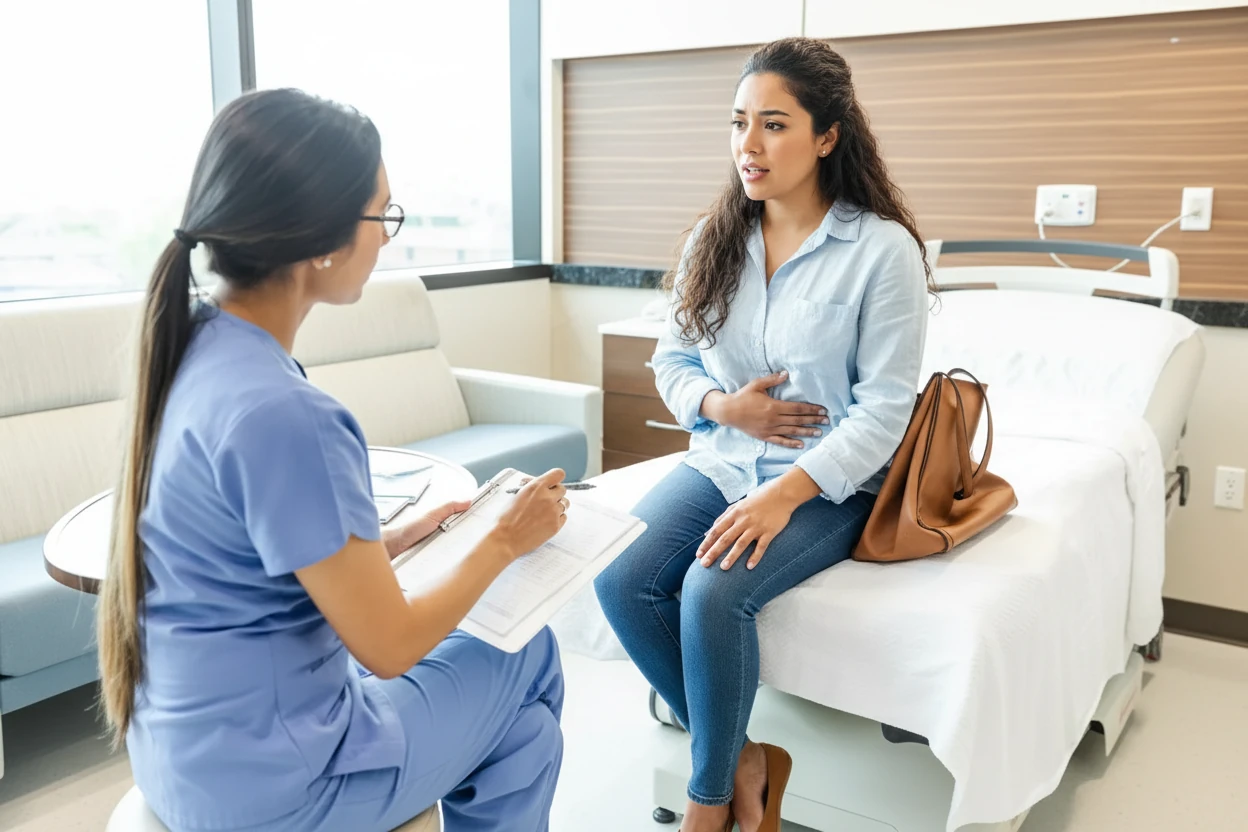
Older adults with depression often face barriers to care, including stigma, underdiagnosis, and challenges accessing mental health services2019. It is important for healthcare providers to screen for depressive symptoms and consider their effects on physical health, especially in patients with chronic illnesses3456.
Lifestyle changes such as increasing physical activity, improving diet, and fostering social connections can reduce depressive symptoms and benefit physical health2110112. Exercise programs have been shown to prevent depression and improve quality of life in older adults2111. Social support and meaningful activities also play a crucial role in reducing loneliness and depressive symptoms22.
Integrated care models that combine mental health treatment with management of physical conditions have demonstrated effectiveness in improving outcomes for older adults with depression23. These models emphasize coordinated care among healthcare providers, addressing both psychological and physical needs.
- Depression can be treated with medications and psychotherapy34519.
- Lifestyle changes for depression also benefit physical health211011.
- Integrated care models improve outcomes in older adults with depression23.
- Social support and physical activity reduce depression and improve quality of life2122.
- Older adults should share depressive symptoms with healthcare providers for comprehensive care345.