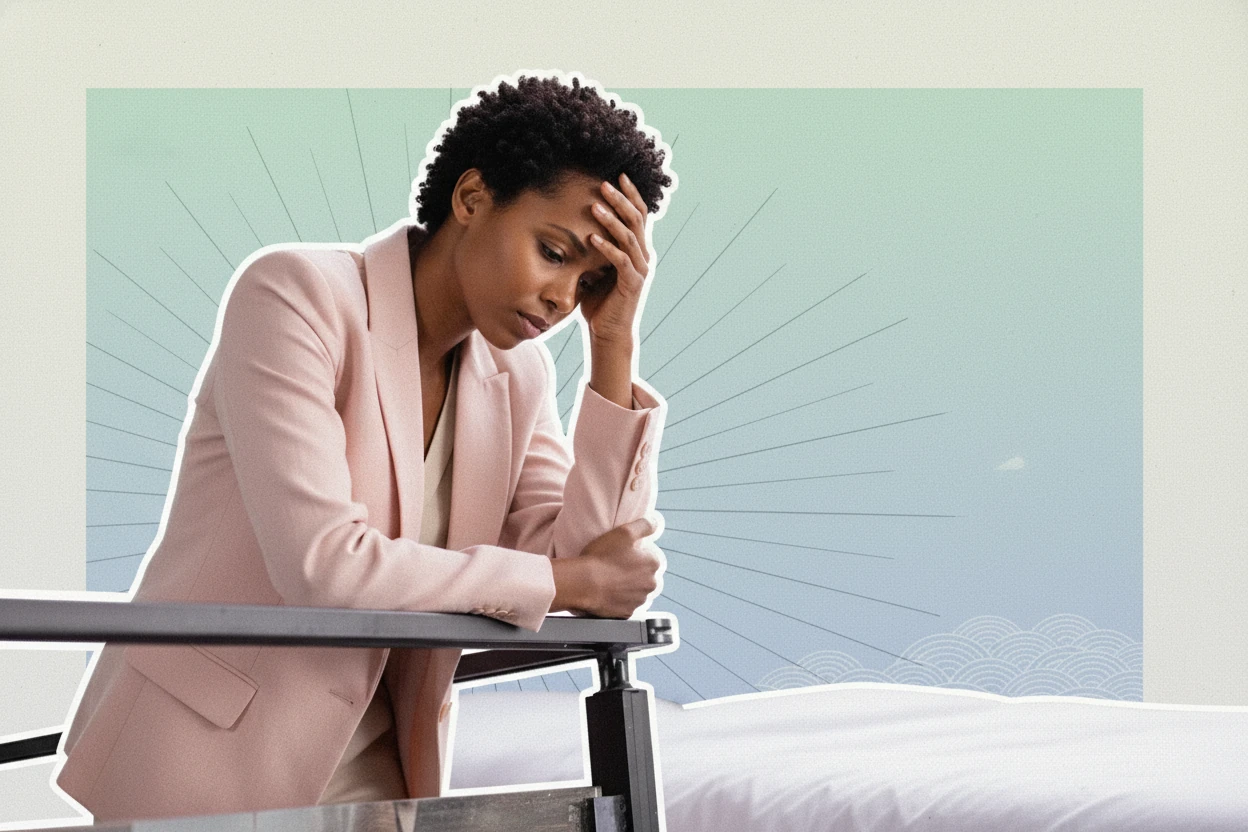
Situational depression-7-helpful-choices">depression-reliefdepression-reliefdepression, also known as adjustment disorder with depressed mood, is a common emotional response to significant life changes or stressful events. It often arises after experiences such as job loss, relationship breakdown, or serious illness, triggering feelings of sadness and anxiety that impact daily functioning1. While these symptoms typically resolve within six months after the stressor ends, situational depression can cause considerable distress and impairment during its course2.
Recognizing Situational Depression Symptoms
Situational depression is characterized by emotional or behavioral symptoms that occur in response to a specific identifiable stressor, usually within three months of the event3. These symptoms are more intense than a typical reaction to stress and cause significant impairment in social, occupational, or other important areas of functioning3.
Common symptoms include:
- Persistent feelings of sadness or depressed mood3
- Anxiety symptoms such as nervousness and tension3
- Behavioral disturbances, including impulsive or oppositional actions3
- Somatic complaints like palpitations or headaches3
- Social withdrawal and decreased interest in previously enjoyed activities3
- Difficulty concentrating and making decisions4
- Changes in appetite and sleep patterns4
- Increased worry and tearfulness4
In severe cases, individuals may experience suicidal ideation, underscoring the importance of timely evaluation and intervention35.
Adjustment disorder symptoms must not be better explained by another mental disorder to confirm the diagnosis3. Typically, these symptoms begin within three months of the stressor and resolve within six months after the stressor has ended6.
Situational depression symptoms often mirror those of clinical depression but are directly linked to a recent stressful event. Recognizing these symptoms early can prevent worsening mental health and support recovery45.
Common Causes of Situational Depression
Situational depression arises as a maladaptive response to identifiable stressors that disrupt an individual's emotional balance. These stressors often involve significant life changes or traumatic events that challenge coping abilities3.
Common triggers include:
- Bereavement or loss of a loved one3
- Relationship difficulties or breakup3
- Job loss or unemployment3
- Relocation or major life transitions3
- Diagnosis of a serious medical illness3
Risk Factors
Certain individual vulnerabilities increase the likelihood of developing situational depression following a stressor. These include:
- Female sex, as women are more frequently diagnosed with adjustment disorders3
- Prior history of psychiatric illness3
- Previous exposure to trauma or adverse life events3
- Lack of strong social support systems3
- High levels of stress or economic instability1
Not everyone exposed to these stressors develops situational depression, highlighting the role of personal resilience and coping mechanisms3.
Situational Depression vs. Clinical Depression
Situational depression, classified under adjustment disorders in the DSM-5, differs from clinical depression (major depressive disorder, MDD) in several key aspects, including duration, symptom onset, and diagnostic criteria37.
| Feature | Situational Depression (Adjustment Disorder) | Clinical Depression (MDD) |
|---|---|---|
| Symptom Onset | Within 3 months of identifiable stressor3 | May occur with or without identifiable stressor7 |
| Symptom Duration | Typically less than 6 months after stressor ends3 | At least 2 weeks, often longer and recurrent7 |
| Symptom Severity | Symptoms disproportionate but less severe than MDD3 | Persistent and severe symptoms causing significant impairment7 |
| Diagnostic Criteria | Does not meet full criteria for MDD3 | Requires 5 or more symptoms including depressed mood or anhedonia7 |
| Prognosis | Usually resolves with stressor removal and therapy3 | May require long-term treatment; risk of recurrence7 |
| Sources:37 | ||
Both conditions share symptoms such as sadness, social withdrawal, and anxiety, but clinical depression involves more persistent and pervasive symptoms that significantly impair functioning37.
“When people think of situational depression, they are often thinking of adjustment disorders.”
— Steven Bartek, M.D., Michigan Medicine5
Effective Treatment Options
Treatment for situational depression focuses on symptom relief and restoring normal functioning. Because symptoms are typically linked to a specific stressor, addressing the stressor and enhancing coping skills are crucial components of care3.
“Clinical depression (major depressive disorder) is one of the most common mental health conditions. Anyone can experience clinical depression—even if there doesn’t seem to be a reason for it.”
— Cleveland Clinic7
Self-Care
Self-care strategies support recovery by reducing stress and improving mood. Recommended approaches include:
- Mindfulness practices to reduce anxiety and promote relaxation3
- Behavioral activation, such as engaging in pleasurable and meaningful activities3
- Maintaining physical health through balanced nutrition, regular exercise, and adequate sleep3
- Developing healthy coping skills and stress management techniques4
- Ensuring safety and seeking professional help when needed3
Therapy
Psychotherapy is the first-line treatment for adjustment disorder with depressed mood. Effective therapeutic approaches include:
- Cognitive-behavioral therapy (CBT) to identify and modify negative thought patterns and behaviors3
- Supportive counseling to provide emotional support and problem-solving strategies3
- Psychoeducation to enhance understanding of symptoms and coping mechanisms4
Therapy aims to help individuals process the stressor, develop resilience, and restore functioning3.
Medications
Pharmacotherapy is generally reserved for severe cases or when symptoms persist despite psychotherapy and self-care3. Antidepressants or anxiolytics may be considered to alleviate symptoms but are not typically the primary treatment for situational depression5.
“Major depressive disorder can be managed with various treatment modalities, including pharmacological, psychotherapeutic, interventional, and lifestyle modification.”
— StatPearls Publishing8
Prevention Strategies
Preventing situational depression is challenging due to the unpredictable nature of stressors. However, enhancing resilience and coping abilities can reduce risk and improve outcomes3.
Key prevention strategies include:
- Building strong social support networks to provide emotional and practical assistance3
- Practicing regular self-care and stress management techniques3
- Developing effective coping skills to handle life changes and stressors3
- Early recognition and intervention upon symptom onset to prevent progression63
Despite these measures, individual vulnerability and life circumstances influence the likelihood of developing adjustment disorders3.
Potential Complications
Although situational depression typically resolves within six months after the stressor ends, untreated cases can lead to more serious mental health conditions3.
Possible complications include:
- Progression to major depressive disorder (MDD)3
- Development of generalized anxiety disorder (GAD)3
- Onset of post-traumatic stress disorder (PTSD), especially after severe trauma3
- Increased risk of suicidal ideation and behavior35
Early diagnosis and treatment are essential to prevent these adverse outcomes6.
💡 Did You Know?
If you or someone you know is struggling with depression or suicidal thoughts, calling or texting 988 connects you to the Suicide and Crisis Lifeline, available 24/7 for immediate support9.
When to Seek Medical Help
Individuals experiencing symptoms of situational depression should seek professional evaluation, especially if symptoms persist or worsen3.
“Depression is one of the most common mental disorders in the United States. The symptoms range from mild to severe and can disrupt a person’s ability to carry out everyday activities.”
— National Institute of Mental Health10
Seek medical help if you experience:
- Symptoms lasting longer than six months or worsening over time3
- Significant impairment in work, school, or social functioning3
- Suicidal thoughts or behaviors35
- Severe anxiety, panic attacks, or behavioral disturbances3
Crisis resources such as the 988 Suicide and Crisis Lifeline provide immediate support for individuals in distress9.
Summary and Key Takeaways
- Situational depression is a transient emotional response to identifiable stressors, typically resolving within six months after the stressor ends3.
- Symptoms include anxiety, depressed mood, behavioral changes, and somatic complaints that impair daily functioning3.
- Common causes include bereavement, relationship issues, job loss, relocation, and medical diagnoses, with risk factors such as female sex and prior psychiatric history3.
- Situational depression differs from clinical depression in duration, severity, and diagnostic criteria but shares overlapping symptoms37.
- Treatment focuses on psychotherapy, self-care strategies, and, in severe cases, medication3.
- Prevention involves enhancing resilience through social support and coping skills, though unpredictable stressors limit prevention3.
- Untreated situational depression can lead to major depression, anxiety disorders, PTSD, and increased suicide risk3.
- Early professional help is crucial, especially if symptoms persist or suicidal thoughts arise35.