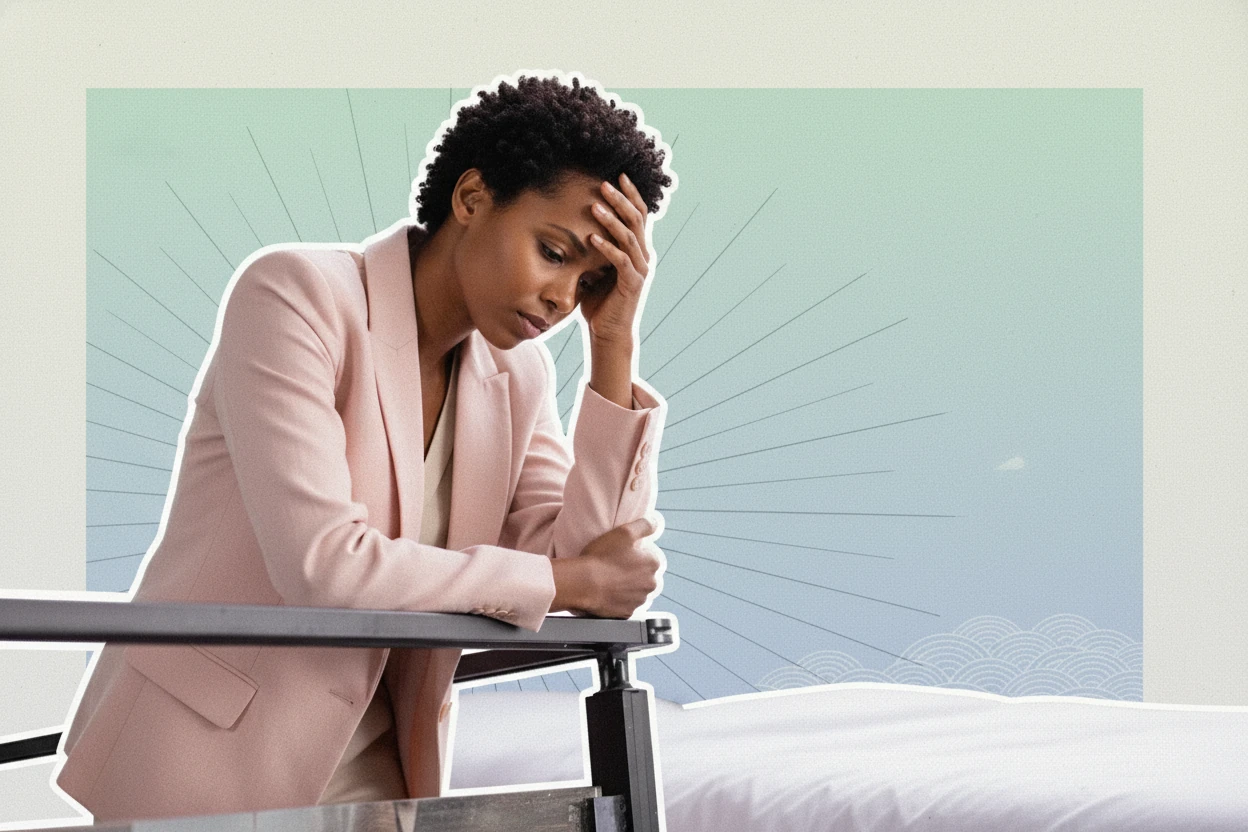
depression-7-helpful-choices">depression-reliefdepression-reliefDepression is a widespread mental health condition affecting millions of people worldwide, with an estimated 7% of adults in the United States experiencing it annually1. It can cause persistent sadness, loss of interest, and significant impairment in daily functioning1. Depression is a complex disorder influenced by genetic, biological, environmental, and psychological factors, and it manifests in various forms, each with distinct symptoms and diagnostic criteria23. Understanding the different types of depression is essential for accurate diagnosis and effective treatment.
Major Depressive Disorder
Major depressive disorder (MDD), also known as clinical depression or unipolar depression, is the most common and severe form of depression23. It is diagnosed when an individual experiences a depressed mood or loss of interest or pleasure in most activities for at least two weeks, accompanied by at least five additional symptoms2. These symptoms include excessive or inappropriate guilt, anhedonia (loss of interest), psychomotor agitation or retardation, suicidal ideation, cognitive impairment, changes in appetite, sleep disturbances, and fatigue23.
The etiology of MDD is multifactorial, involving genetic, biological, and environmental influences23. Neurotransmitter imbalances, particularly involving serotonin, norepinephrine, and dopamine, play a significant role, alongside abnormalities in neuroregulatory systems and neural circuits3. Early life stress and trauma can cause structural brain changes that increase vulnerability to depression3.
Diagnosis relies on clinical history and mental status examination, with tools like the Patient Health Questionnaire-9 (PHQ-9) commonly used for screening3. Treatment typically combines pharmacotherapy and psychotherapy, with selective serotonin reuptake inhibitors (SSRIs) often prescribed as first-line medications23. Electroconvulsive therapy (ECT) and other brain stimulation therapies may be used in severe or treatment-resistant cases3.
- Key symptoms of major depressive disorder include:
- Depressed mood or loss of interest2
- Excessive guilt and feelings of worthlessness2
- Psychomotor agitation or retardation2
- Suicidal thoughts2
- Cognitive difficulties such as poor concentration2
Persistent Depressive Disorder (Dysthymia)
Persistent depressive disorder (PDD), formerly known as dysthymia, is a chronic form of depression characterized by a low mood and additional depressive symptoms lasting at least two years in adults and one year in children and adolescents24. The symptoms are generally less severe than those of major depression but can significantly impair functioning24.
Common symptoms include fatigue, changes in appetite, sleep disturbances, low self-esteem, difficulty concentrating, and feelings of hopelessness24. The exact cause is not fully understood but may involve abnormal brain connectivity and genetic predisposition4.
Diagnosis is clinical, based on symptom duration and severity, often requiring referral to mental health professionals for evaluation4. Treatment involves a combination of antidepressant medications and psychotherapy, particularly cognitive behavioral therapy (CBT), which helps patients reframe negative thoughts24.
- Symptoms of persistent depressive disorder:
- Chronic low mood lasting two years or more2
- Fatigue and low energy2
- Appetite and sleep changes2
- Cognitive difficulties2
- Feelings of hopelessness and low self-esteem4
Disruptive Mood Dysregulation Disorder
Disruptive mood dysregulation disorder (DMDD) is a childhood-onset condition marked by chronic irritability and severe temper outbursts2. It is diagnosed in children who exhibit difficulty regulating emotions, leading to impaired social functioning at school, home, or with peers2.
The disorder typically begins before age 10 and involves frequent, intense temper tantrums disproportionate to the situation2. Treatment usually combines pharmacotherapy and psychotherapy, with parent training playing a crucial role in managing symptoms2.
- Core features of DMDD include:
- Severe temper outbursts2
- Chronic irritability2
- Impaired social functioning2
- Treatment with medication and therapy2
- Parent training as a key component2
Bipolar Depression
Bipolar disorder is a mood disorder characterized by episodes of mania and depression, usually beginning in young adulthood2. Diagnosis requires a history of at least one manic episode, which involves elevated mood and increased energy2.
During depressive phases, symptoms mirror those of major depression, including sadness, loss of interest, and cognitive impairment2. Treatment involves mood stabilizers, antipsychotics, and psychotherapy, with antidepressants used cautiously to manage depressive symptoms without triggering mania2.
- Bipolar disorder features:
- Episodes of mania and depression2
- Onset typically in young adulthood2
- Mania characterized by elevated mood and energy2
- Treatment with mood stabilizers and antipsychotics2
- Antidepressants used for depressive episodes2
Seasonal Affective Disorder
Seasonal affective disorder (SAD) is a type of depression that occurs at specific times of the year, most commonly in fall or winter2. It is characterized by mood changes, fatigue, changes in appetite and sleep, and social withdrawal2.
The exact cause is unclear but may involve changes in serotonin, melatonin, and vitamin D levels due to reduced daylight2. SAD is more common in women, younger adults, and people living in areas with less sunlight2. Treatment includes light therapy to compensate for reduced daylight and medication when needed2.
- Key features of SAD:
- Seasonal pattern, usually fall/winter2
- Mood changes and fatigue2
- Appetite and sleep disturbances2
- Social withdrawal2
- Treatment with light therapy and medication2
Psychotic Depression
Psychotic depression is a severe form of major depression accompanied by psychotic features such as hallucinations and delusions2. Psychosis involves a loss of contact with reality, with hallucinations being sensory experiences without external stimuli and delusions being fixed false beliefs2.
Treatment requires a combination of antidepressants and antipsychotics, and electroconvulsive therapy (ECT) may be effective for some patients2. Not all patients respond to standard treatments, necessitating thorough evaluation and tailored management2.
- Characteristics of psychotic depression:
- Severe depression with psychotic features2
- Hallucinations and delusions2
- Loss of contact with reality2
- Treatment with antidepressants and antipsychotics2
- ECT as an option for resistant cases2
Postpartum Depression
Postpartum depression affects approximately 11% of women after childbirth and is more severe than the "baby blues," a mild, short-lived mood disturbance2. Symptoms include intense sadness, anxiety, and exhaustion that interfere with daily life2.
Symptoms typically develop within the first year after childbirth and are triggered by hormonal changes and fatigue2. Treatment involves medication and psychotherapy2. Postpartum psychosis is a rare, severe form involving thoughts of harming oneself or the baby2.
- Postpartum depression facts:
- Affects about 11% of postpartum women2
- Symptoms include sadness, anxiety, exhaustion2
- Onset within the first year after childbirth2
- More severe than "baby blues"2
- Treated with medication and therapy2
Premenstrual Dysphoric Disorder
Premenstrual dysphoric disorder (PMDD) is a severe form of premenstrual syndrome affecting up to 16% of women of childbearing age2. It causes depression, anxiety, irritability, and mood symptoms in the week before menstruation2.
PMDD is linked to abnormal sensitivity to hormonal changes2. Treatment includes selective serotonin reuptake inhibitors (SSRIs), hormonal contraception, and pain relievers2.
- PMDD features:
- Severe premenstrual mood symptoms2
- Affects up to 16% of women of childbearing age2
- Causes depression, anxiety, irritability2
- Associated with hormonal sensitivity2
- Treated with SSRIs, contraception, pain relief2
Depression Due to Medical Conditions
Depression frequently occurs in people with chronic medical illnesses such as heart disease, cancer, multiple sclerosis, and HIV/AIDS2. Chronic diseases increase depression risk, possibly due to inflammation and elevated inflammatory cytokines crossing the blood-brain barrier2.
These inflammatory changes can trigger or worsen depression2. Treatment with antidepressants and psychotherapy improves functioning in these patients2.
- Depression linked to medical conditions:
- Common in chronic illnesses2
- Inflammation as a risk factor2
- Cytokines affect brain function2
- Worsens with disease progression2
- Responds to antidepressants and therapy2
Atypical Depression
Atypical depression is a subtype of major depression characterized by mood reactivity, leaden paralysis (heavy limbs), and hypersomnia (excessive sleep)2. Unlike typical depression, mood can temporarily improve in response to positive events2.
Treatment often involves SSRIs and monoamine oxidase inhibitors (MAOIs)2.
- Features of atypical depression:
- Mood reactivity2
- Leaden paralysis2
- Hypersomnia2
- Treated with SSRIs and MAOIs2
Subsyndromal Depression
Subsyndromal depression involves depressive symptoms that do not meet the full criteria for major depression due to fewer symptoms or shorter duration2. Diagnosis is based on functional impairment rather than symptom count2.
Treatment focuses on improving functional impairment2.
- Subsyndromal depression characteristics:
- Fewer or shorter symptoms than major depression2
- Diagnosed by functional impairment2
- Treatment tailored to impairment level2
Treatment-Resistant Depression
Treatment-resistant depression (TRD) occurs when major depression does not respond to at least two adequate antidepressant trials2. A thorough evaluation is necessary to rule out other causes and ensure proper dosage and treatment duration2.
Management strategies include switching antidepressants or adding a second antidepressant or antipsychotic2.
- Treatment-resistant depression facts:
- Defined by failure of two antidepressant trials2
- Requires comprehensive evaluation2
- Other causes must be excluded2
- Proper dosage and duration critical2
- Switching or combination therapy effective2
Recognizing Depression Symptoms
Depression symptoms vary but commonly include persistent sadness, sleep disturbances, fatigue, cognitive difficulties, and changes in appetite15. Symptoms interfere with daily functioning and may include excessive crying, feelings of guilt, and suicidal thoughts1.
Men and children may show different symptoms, such as irritability or physical complaints5. Early recognition and diagnosis are vital for effective treatment1.
- Common depression symptoms:
- Persistent sadness or low mood1
- Sleep problems (too much or too little)1
- Fatigue and low energy1
- Cognitive difficulties1
- Suicidal ideation1
“You shall be free indeed when your days are not without a care nor your nights without a want and a grief, but rather when these things girdle your life and yet you rise above them naked and unbound.”
— Khalil Gibran6
Summary of Depression Types
- Depression is a heterogeneous disorder with multiple subtypes varying in severity, duration, and symptom patterns2.
- Major depressive disorder is the most severe and common form, while persistent depressive disorder involves chronic, milder symptoms2.
- Other types of depression include bipolar depression, seasonal affective disorder, psychotic depression, postpartum depression, and premenstrual dysphoric disorder2.
- Accurate diagnosis requires careful evaluation of symptom duration, severity, and context2.
- Treatment typically involves a combination of pharmacotherapy and psychotherapy tailored to the specific subtype and patient needs2.