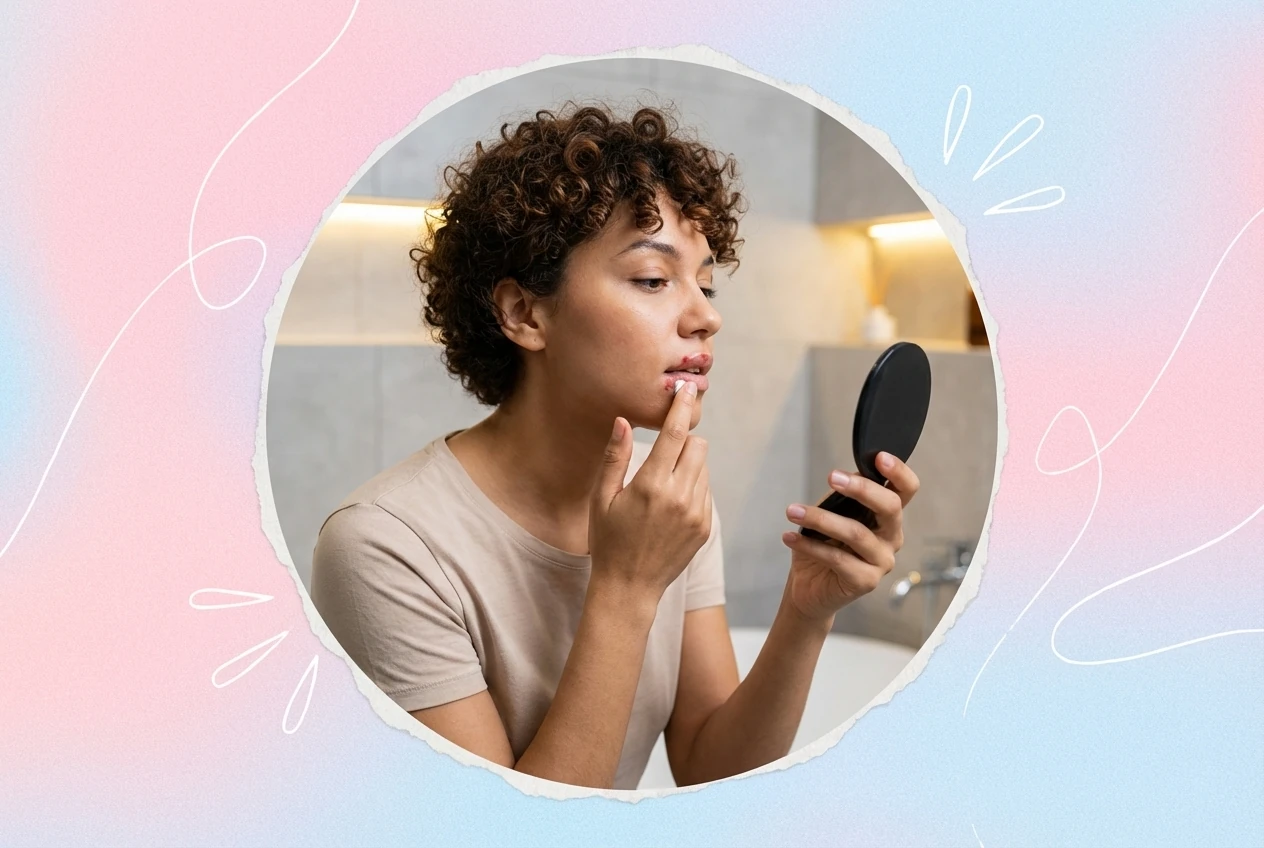
Cold sores and pimples are common skin conditions that often appear near the mouth, leading to confusion in identifying them correctly1. Cold sores are caused by a viral infection and form painful blisters, while pimples result from clogged pores and bacterial growth, presenting as red bumps or pustules2. Understanding their differences and symptoms is important for proper treatment and prevention3.
“You should avoid sharing items like towels, razors, dishes, cutlery or lip products. And make sure you wash your hands before touching your lips, eyes or genitals.”
— Vickie Baker, Cleveland Clinic4
Symptoms of Cold Sores vs. Pimples
Cold sores and pimples can both cause red lesions near the mouth, which may look similar at first3. However, their clinical features and symptoms differ significantly. Cold sores, caused by herpes simplex virus type 1 (HSV-1), typically begin with a burning, itching, or tingling sensation before blisters appear4. These blisters cluster and may rupture, oozing clear fluid before crusting over and healing within 7 to 14 days35.
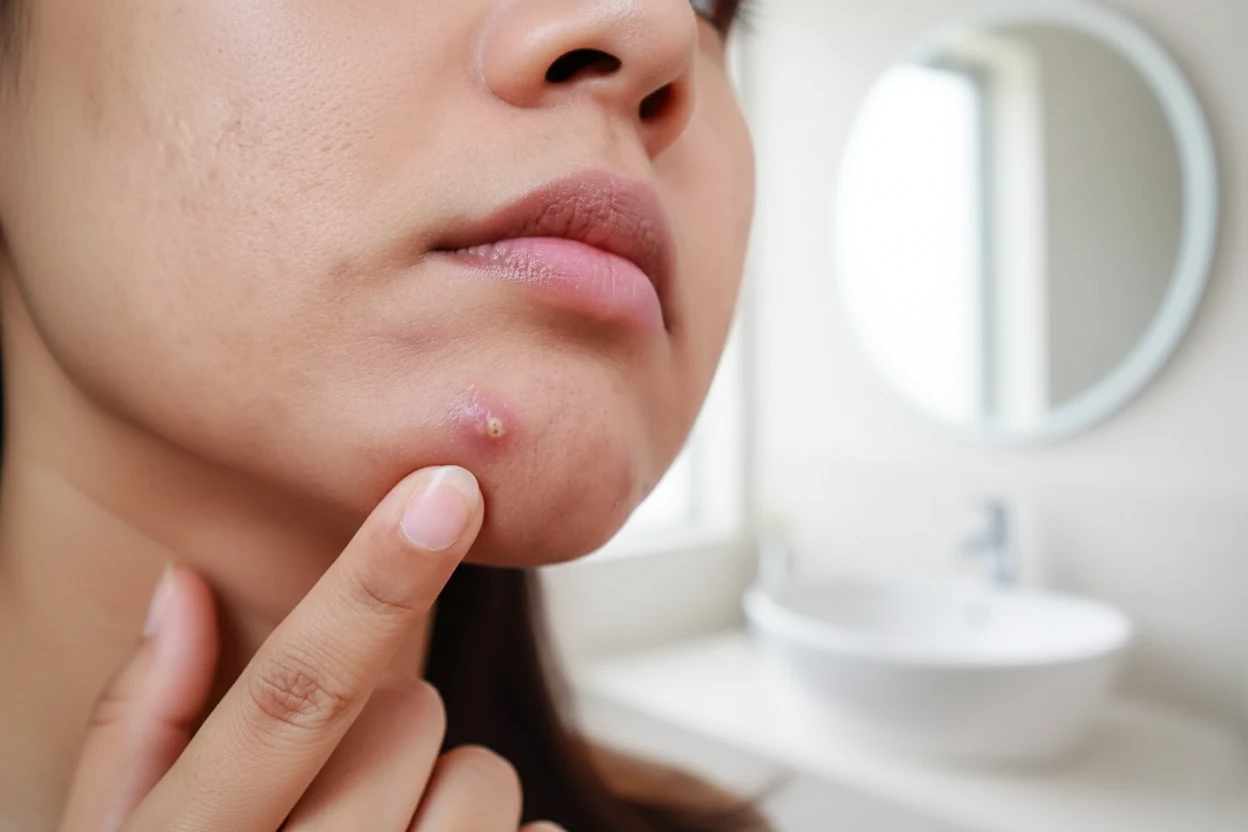
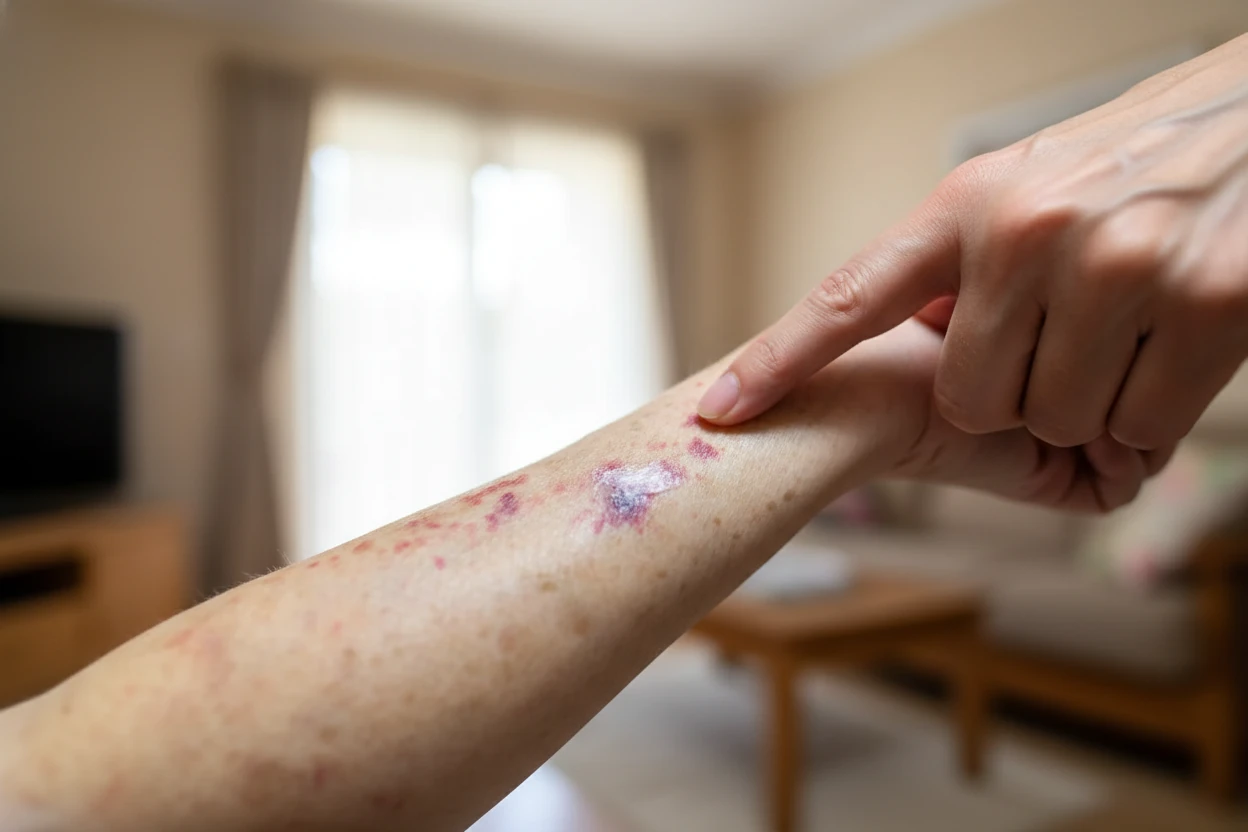
Pimples, on the other hand, are inflamed bumps caused by clogged hair follicles filled with oil, dead skin cells, and bacteria6. They often present as raised red bumps and may develop whiteheads or blackheads but do not form blisters7. Pimples can be painful, especially if they become swollen or cystic, but they usually do not cause the tingling or burning sensations typical of cold sores6.
Both conditions can cause inflammation and tenderness, but cold sores are more likely to cause itching and pain, while pimples may feel sore or tender to the touch38.
Differences
Different Causes
Cold sores and pimples arise from distinct causes. Cold sores result from infection with the herpes simplex virus type 1 (HSV-1), a contagious virus that remains in the body and can reactivate periodically39. HSV-1 spreads through direct contact with infected saliva or lesions, such as kissing or sharing utensils34.
Pimples are a symptom of acne-bacne-causes-treatments-and-preventionacne-bacne-causes-treatments-and-preventionacne-treatment-guideacne-treatment-guideacne vulgaris, a non-infectious skin condition caused by blocked hair follicles due to excess sebum (skin oil) production, dead skin cells, and bacterial colonization, primarily by Cutibacterium acnes109. Hormonal factors, especially androgens, stimulate sebaceous glands to produce more oil, contributing to acne development10.
Cold Sores Are Contagious
Cold sores are highly contagious and can spread through oral-oral contact, including kissing and sharing items like straws, towels, or lip balm34. Transmission can occur even when sores are not visible due to asymptomatic viral shedding3. HSV-1 can also cause genital herpes through oral-genital contact during active outbreaks3.
In contrast, pimples and acne are not contagious. They result from internal skin processes and bacterial overgrowth on the skin surface, which cannot be transmitted to others109.
Different Treatments
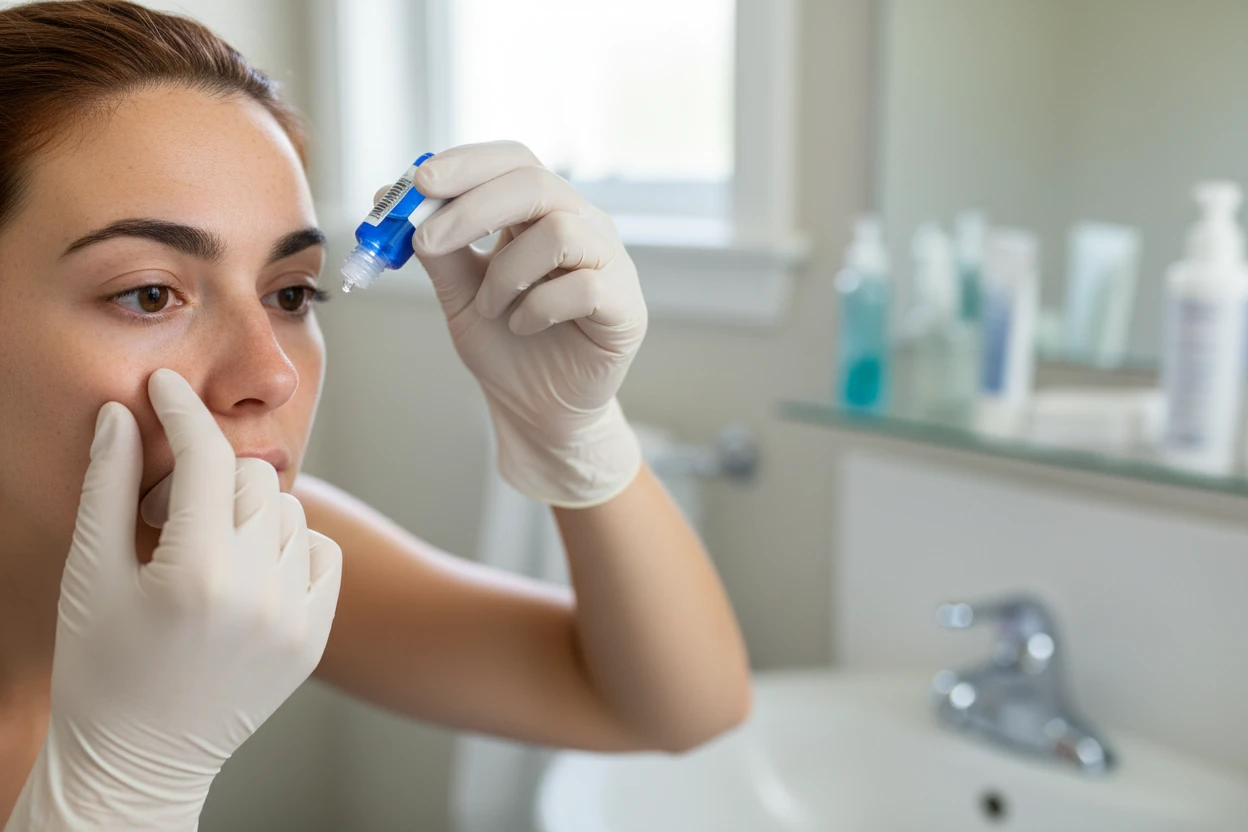
Treatment approaches for cold sores and pimples differ due to their distinct causes. Cold sores are managed with antiviral medications that help reduce the severity and duration of outbreaks113. These include topical creams and oral antiviral drugs.
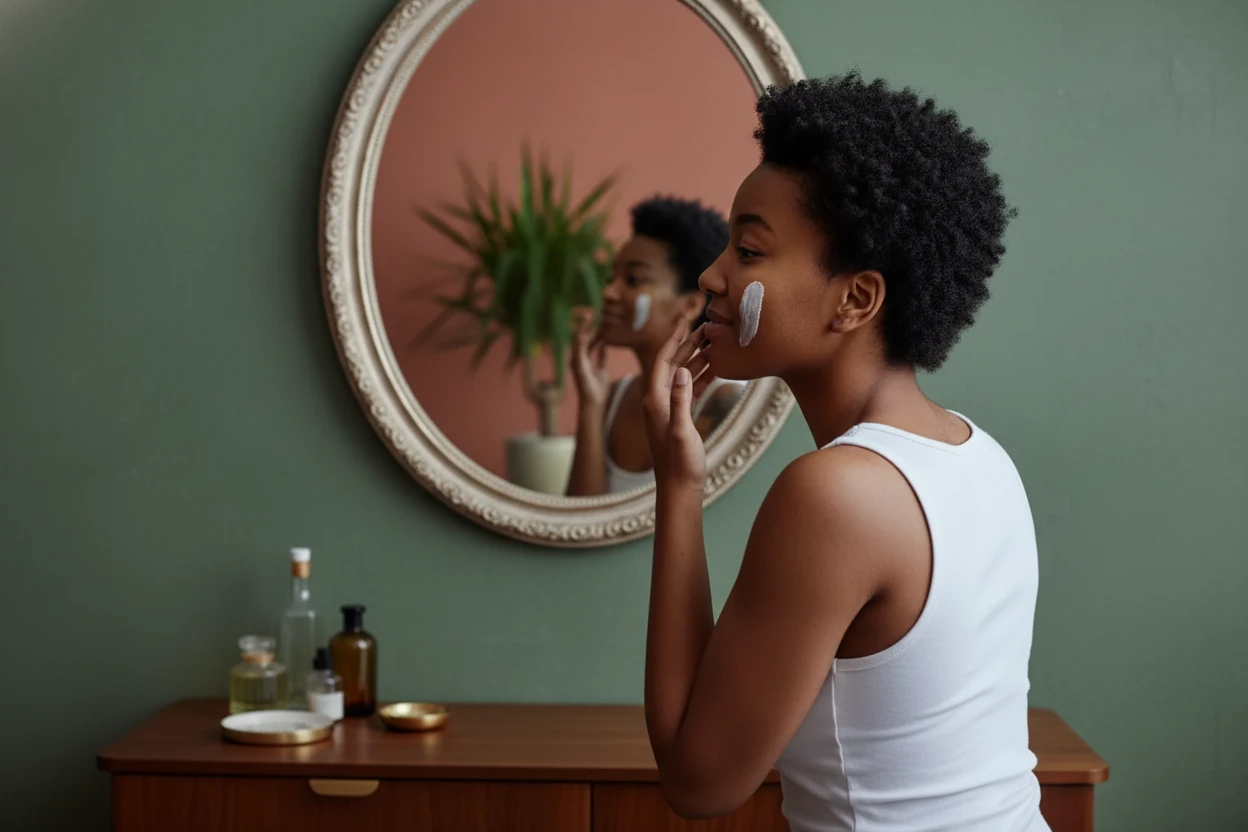
Pimples are treated with topical and systemic therapies targeting inflammation, bacteria, and sebum production. Common treatments include over-the-counter cleansers, topical retinoids, antibiotics, and hormonal therapies12. Mild acne may resolve with good skin hygiene and non-prescription products, while severe or persistent acne requires medical evaluation12.
Affect Different Body Parts
Cold sores most commonly affect the lips and surrounding areas, including the upper and lower lip, corners of the mouth, and sometimes inside the mouth or near the nose and eyes42. They tend to recur in the same location each time4.
Pimples can appear anywhere on the face, including the cheeks, chin, forehead, and nose, as well as the neck, shoulders, back, and chest122. Pimples near the lip usually occur on the lip line but do not develop directly on the lip itself139.
| Feature | Cold Sores (Herpes Labialis) | Pimples (Acne Vulgaris) |
|---|---|---|
| Cause | Herpes simplex virus type 1 (HSV-1)3 | Blocked hair follicles, bacteria, sebum10 |
| Contagious | Yes, highly contagious34 | No109 |
| Appearance | Clusters of fluid-filled blisters5 | Raised red bumps, whiteheads or blackheads7 |
| Symptoms | Tingling, burning, itching, pain48 | Tenderness, inflammation, possible pain6 |
| Common Locations | Lips and surrounding skin42 | Face, neck, shoulders, back, chest122 |
| Duration | 7-14 days, heals with crusting35 | Variable, may persist or recur12 |
Similarities
Both Conditions Are Common
Cold sores and acne vulgaris are widespread dermatologic conditions affecting millions worldwide. HSV-1 seroprevalence reaches up to 80% globally, with about 30% experiencing recurrent cold sore outbreaks143. Acne affects approximately 85% of adolescents and many adults, with adult acne more common in females1512.
Similar Prevention Strategies
Stress and diet are recognized triggers that can worsen both cold sores and acne312. Managing stress and maintaining a balanced diet may help reduce flare-ups of both conditions. Good hygiene practices, such as washing the face after sweating and avoiding sharing personal items, are important for prevention4.
Both Can Affect Your Mental Health
💡 Did You Know? Cold sores and pimples on the lip line can look very similar. Pimples near the lip only occur on the lip line, while cold sores can appear anywhere on or around the lip13.
Both cold sores and acne are associated with psychological distress due to their chronic nature and visible appearance312. Social stigma related to HSV infections can add emotional burden, while acne can impact self-esteem and quality of life312.
Can You Have Both Cold Sores and Pimples?
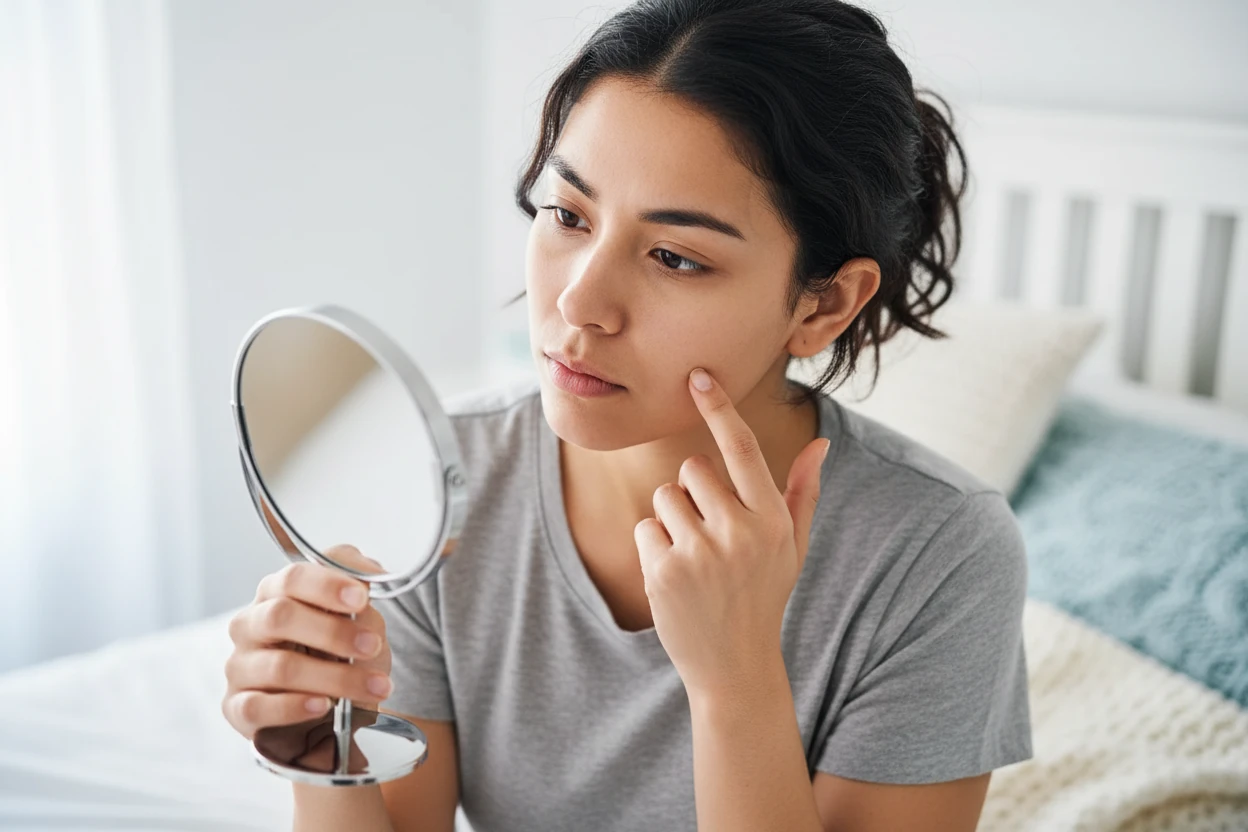
It is possible for an individual to experience both cold sores and pimples simultaneously3. Shared triggers like stress can precipitate outbreaks of herpes labialis and acne at the same time due to stress-induced changes in the immune system312. Clinically, distinguishing between the two relies on recognizing characteristic features such as vesicles (small blisters) in cold sores versus papules or pustules in acne3.
When To Seek Care and Who to Contact
“It's common to feel burning, itching and tingling when you have a cold sore. In fact, you may notice a tingling sensation prior to the blister forming on your lip.”
— Vickie Baker, Cleveland Clinic4
Most cold sores heal on their own within 7 to 14 days without scarring3. Mild acne can often be managed with over-the-counter cleansers and topical treatments12. However, you should seek medical care if:
- Cold sores are severe, frequent, or do not heal within two weeks3
- Acne is persistent, widespread, or causes significant scarring12
- You experience pain, swelling, or signs of infection in either condition312
- You are uncertain whether a lesion is a cold sore or pimple3
General practitioners can diagnose and initiate treatment for both cold sores and acne3. Referral to a dermatologist is appropriate for complicated, recurrent, or treatment-resistant cases3.
A Quick Review
- Cold sores are caused by HSV-1 and appear as clusters of painful, fluid-filled blisters that typically heal within 1–2 weeks32.
- Pimples result from clogged pores with bacteria and oil, forming red bumps that may have white or black heads122.
- Cold sores are contagious and spread through direct contact, while pimples are not contagious39.
- Both conditions can be triggered by stress and diet, and both may cause psychological distress312.
- Mild cases of either condition can often be managed at home, but persistent or severe symptoms require medical evaluation312.