Brushing teeth with baking soda is a popular home remedy for improving oral hygiene and whitening teeth. Baking soda can help reduce plaque and whiten teeth by neutralizing acids and gently scrubbing away stains1. However, it does not offer the cavity protection that fluoride toothpaste provides, making it important to understand its benefits and limitations1. This article explores the safety, effects, and alternatives to baking soda for teeth brushing based on current research.
Baking Soda Safety Overview
Baking soda is generally regarded as safe for use on teeth and gums due to its mild abrasive properties2. It acts as a gentle abrasive that helps remove dental plaque and surface stains without causing significant enamel damage when used properly3. Baking soda also neutralizes acids produced by oral bacteria, which helps maintain a less acidic environment in the mouth and reduces bacterial growth45.
However, plain baking soda powder may cause discomfort or sensitivity in some users, especially with frequent or aggressive application4. Importantly, baking soda lacks fluoride, a key ingredient in most toothpastes that strengthens enamel and prevents cavities67. Exclusive use of baking soda without fluoride may increase the risk of dental caries over time86.
Swallowing baking soda during brushing should be avoided as excessive ingestion can disrupt the body's acid-base balance and potentially cause metabolic alkalosis or kidney-infection-symptoms-and-signskidney-infection-symptoms-and-signskidney-stones-causes-and-risk-factorskidney-stones-causes-and-risk-factorskidney complications9. Overall, baking soda dentifrices (toothpastes) that combine baking soda with fluoride are preferable for daily oral care106.
Benefits of Baking Soda for Teeth
Baking soda offers several oral health benefits due to its unique chemical and physical properties. These include balancing mouth bacteria, helping remove plaque, supporting mild whitening, and being a cost-effective option.
Balances Mouth Bacteria
Baking soda’s alkalinity helps neutralize acids produced by oral bacteria, raising the pH in the mouth and creating an environment less favorable for acidogenic bacteria that cause tooth decay45. Rinsing with baking soda solutions has been shown to increase salivary pH and reduce bacterial counts, contributing to improved oral health512. This acid neutralization supports remineralization of early caries lesions and reduces plaque acidity11.
Helps Remove Plaque
The mild abrasiveness of baking soda helps physically remove dental plaque and surface stains without excessive enamel wear413. Clinical trials demonstrate that toothpastes containing baking soda provide a small but significant reduction in plaque and gingivitis compared to non-baking soda toothpastes41415. Baking soda toothpastes have a lower relative dentin abrasivity value, making them safer for daily use than many other abrasive agents16.
Supports Whitening
Baking soda can gently lift and remove surface stains on teeth through its abrasive action and pH neutralization173. Some studies suggest that baking soda-containing toothpastes outperform other whitening toothpastes in stain removal173. However, the whitening effect of plain baking soda alone is less well established and generally limited to superficial stains218. More dramatic whitening typically requires peroxide-based products or professional treatments2.
Is Cost-Effective
“Baking soda dentifrices are effective for stain removal and tooth whitening. Baking soda reduces plaque acidity and supports caries reduction.”
— Yiming Li, Loma Linda University School of Dentistry11
Baking soda is an inexpensive and readily available option for oral hygiene2. It is a low-cost alternative to commercial whitening toothpastes and can be used by individuals seeking a simple home remedy for mild whitening and plaque control3.
- Baking soda helps reduce plaque and gingivitis by disrupting dental biofilm and reducing bacteria count1.
- It neutralizes acids in the mouth, making it less acidic and harder for cavity-causing bacteria to multiply1.
- Baking soda toothpastes combine antibacterial properties with fluoride for cavity prevention6.
- Using baking soda can be helpful for people allergic to ingredients in conventional toothpaste16.
- Baking soda is safe for daily use when formulated as a toothpaste11.
Potential Risks and Side Effects
Despite its benefits, there are some risks and downsides to brushing teeth with baking soda that users should consider.
- Baking soda lacks fluoride, which is essential for cavity prevention and enamel strengthening7.
- Using plain baking soda powder directly on teeth may cause irritation, sensitivity, or discomfort, especially for those with sensitive teeth or gums24.
- Excessive or aggressive brushing with baking soda can lead to enamel erosion and increased tooth sensitivity over time41319.
- The gritty texture and salty, bitter taste of baking soda can be unpleasant and off-putting for some users220.
- There is limited direct research on the long-term effects of brushing with plain baking soda alone, and it is not approved by the American Dental Association as a standalone toothpaste221.
Some small studies suggest that homemade baking soda paste may whiten teeth quickly, but more research is needed to confirm safety and efficacy2. Additionally, mixing baking soda with acidic substances like lemon juice or vinegar is discouraged because the acid-abrasive combination can cause enamel erosion24.
Baking soda is a mild abrasive that effectively removes plaque and surface stains without causing tooth sensitivity. However, it does not provide fluoride protection, so it should not replace fluoride toothpaste for cavity prevention. Using baking soda excessively or mixing it with acids can damage enamel.19227
Safe Brushing With Baking Soda Tips
To maximize benefits and minimize risks when using baking soda for teeth brushing, consider the following safety tips:
- Use baking soda sparingly, limiting brushing with plain baking soda to once or twice weekly initially24.
- Prefer fluoride-containing baking soda toothpastes for daily use to gain cavity protection67.
- Mix equal parts baking soda and water into a paste before brushing to reduce abrasiveness1.
- Brush gently for about one minute and rinse thoroughly to avoid enamel wear and sensitivity1.
- Avoid mixing baking soda with acidic substances such as lemon juice or vinegar to prevent enamel erosion2.
- Do not swallow baking soda during brushing to avoid systemic toxicity or metabolic alkalosis9.
-
Consult your dentist for personalized advice on baking soda use and oral hygiene practices24.
-
Baking soda’s abrasive nature helps clean teeth but should not be used daily without caution2.
- Starting with limited use helps assess tolerance and prevent irritation2.
- Baking soda toothpastes are better tolerated and provide additional benefits like fluoride6.
- The gritty texture and salty taste of baking soda may be unpleasant but are normal2.
- Avoid combining baking soda with acids to protect enamel2.
“Brushing your teeth with baking soda is not enough on its own to kill bacteria, remove plaque, and prevent cavities.”
— Ashish Sabharwal, University at Buffalo11
Teeth Whitening Alternatives to Baking Soda
While baking soda offers mild whitening effects, other options provide more pronounced and controlled tooth whitening.
- Hydrogen peroxide and carbamide peroxide are the most commonly recommended bleaching agents for at-home whitening due to their proven efficacy and safety62.
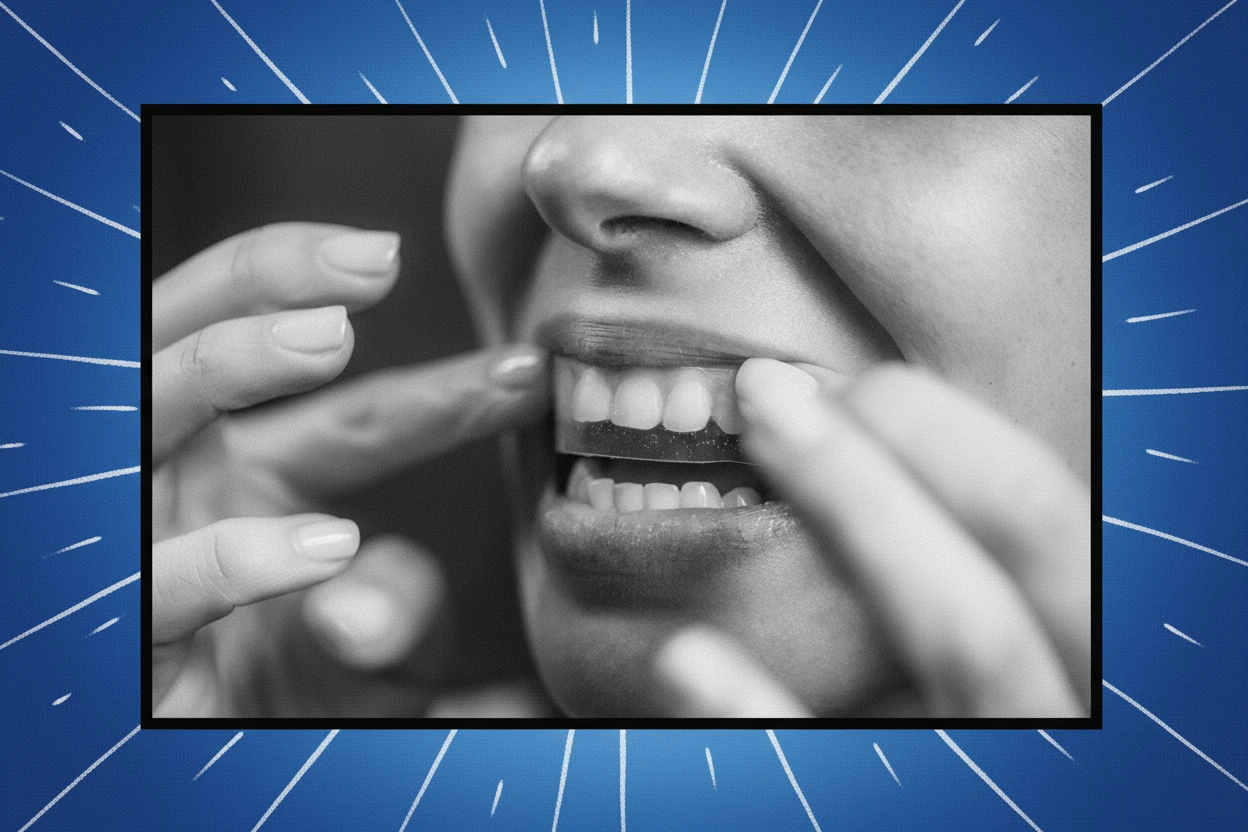
- Whitening products come in various forms such as toothpaste, strips, gels, and trays, sometimes enhanced with LED light activation172.
- Fluoride and potassium nitrate are often included in whitening products to reduce sensitivity and protect enamel during treatment67.
- Color-correcting toothpastes use pigments to temporarily brighten teeth but offer only short-term effects and are advised for limited use23.
- Professional in-office whitening treatments provide the most effective and controlled results but usually require multiple sessions and dental supervision176.
| Whitening Method | Key Features | Safety & Effectiveness |
|---|---|---|
| Baking Soda | Mild abrasive, surface stain removal | Safe for mild whitening, limited effect173 |
| Peroxide-based Products | Effective bleaching agents (H2O2, carbamide peroxide) | Proven efficacy, enamel-safe with proper use62 |
| Color-correcting Toothpaste | Temporary whitening via pigments | Mild, short-term effects3 |
| Professional Whitening | In-office, multiple sessions, supervised | Most effective, controlled results176 |
“Baking soda provides mild whitening comparable to some whitening toothpastes but is less effective than peroxide-based products.3”
Key Takeaways and Review
- Baking soda is a mild abrasive and alkalizing agent that helps reduce plaque, neutralize acids, and remove surface stains safely when used properly4511.
- Toothpastes containing baking soda combined with fluoride offer the best balance of plaque control, whitening, and cavity prevention610.
- Plain baking soda powder can cause sensitivity or irritation if used frequently or aggressively and lacks fluoride protection24.
- Avoid mixing baking soda with acidic substances like lemon juice or vinegar, which can erode enamel2.
-
For stronger whitening effects, peroxide-based products or professional treatments are recommended over baking soda alone62.
-
Baking soda is an affordable and accessible option for mild whitening and plaque control3.
- Using baking soda toothpaste twice daily is generally safe and effective11.
- Consult a dental professional to tailor oral hygiene practices to your needs2.