Angina is a common symptom of heart disease that affects millions worldwide and signals reduced mcv blood test results meaning and normal range flow to the heart muscle1. It often presents as chest discomfort or pain that can indicate an increased risk of heart attack if left untreated2. Understanding angina's symptoms, types, causes, and treatments is essential for timely diagnosis and effective management3.
Angina Symptoms
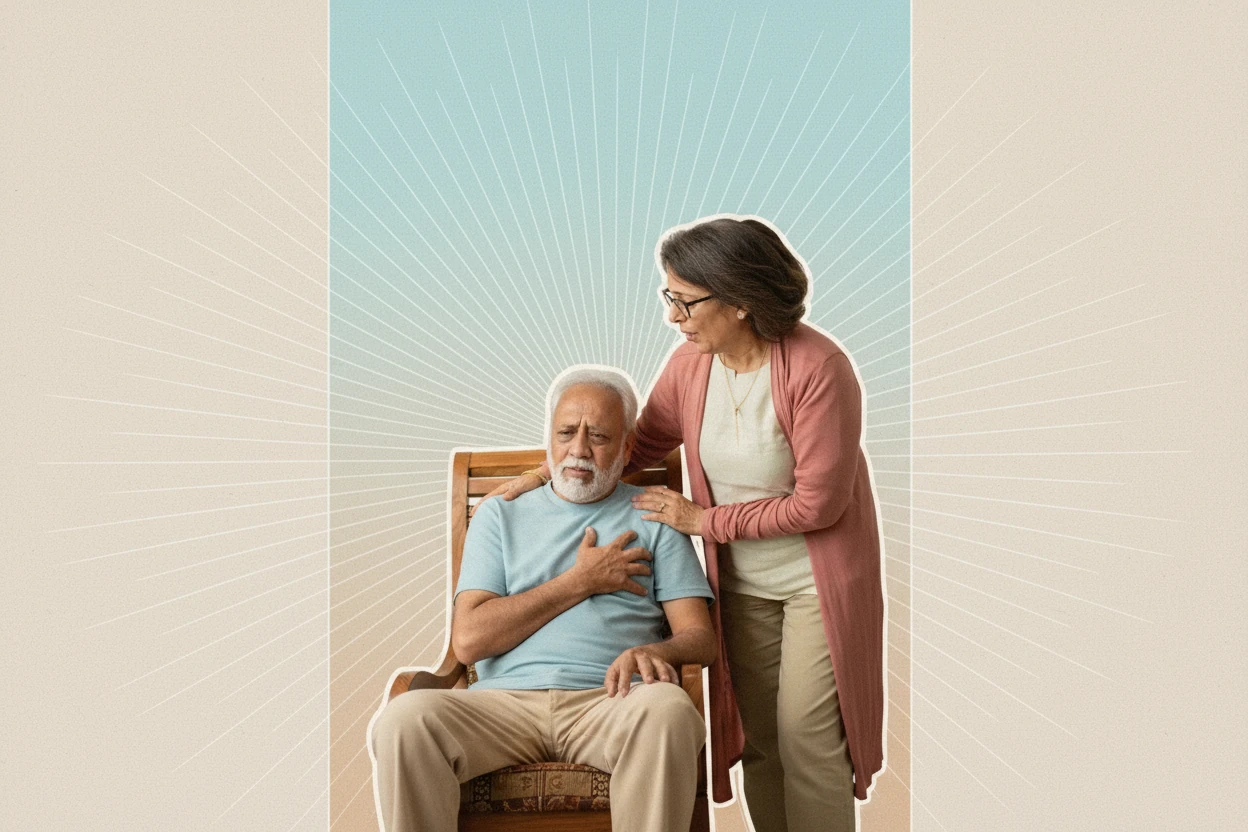
Angina pectoris is chest discomfort of cardiac origin, often described as constriction, tightness, or burning pain in the chest4. This pain is typically located behind the breastbone (retrosternal) and can radiate to the left arm, jaw, or back4. The discomfort usually develops gradually and intensifies over several minutes5. Angina may also be accompanied by symptoms such as shortness of breath (dyspnea), sweating (diaphoresis), and fatigue6.
Symptom presentation can differ between sexes. Women with angina more often report atypical symptoms, including pain in the neck, jaw, shoulder, upper back, or abdomen, while men more commonly report classic chest pain7. Other associated symptoms may include dizziness, nausea, and a sense of impending doom8.
Types of Angina
Angina is classified into several subtypes based on clinical presentation and underlying cause. These include stable angina, unstable angina, variant angina, and microvascular angina9.
Stable Angina
Stable angina is the most common form and typically occurs predictably with physical exertion or emotional stress9. It is characterized by chest pain or discomfort that lasts less than five minutes and is relieved by rest or nitroglycerin9. Common triggers include exercise, emotional stress, heavy meals, and smoking10. The pain pattern remains consistent over at least two months regarding frequency, triggers, duration, and response to treatment11.
Unstable Angina
Unstable angina is a medical emergency marked by chest pain at rest, increasing frequency, or prolonged duration12. Unlike stable angina, the pain may last more than 20 minutes and may not respond well to rest or medication12. It often signals an impending heart attack and requires urgent medical evaluation and treatment12. Unstable angina is the most frequent symptom of ischemic heart disease and a leading cause of death worldwide12.
Variant Angina
Also known as Prinzmetal's angina, variant angina results from coronary artery spasms that cause transient myocardial ischemia1314. This type often occurs at rest, particularly during the night or early morning hours14. Episodes are usually brief, lasting less than 15 minutes, and typically respond well to nitrates or calcium channel blockers14. Patients may experience prolonged chest pain symptoms with distinct clinical characteristics15.
Microvascular Angina
Microvascular angina involves dysfunction of the small coronary vessels and presents with chest pain despite normal coronary angiograms16. It is more common in women and often causes prolonged and more intense chest pain compared to typical angina16. This condition reflects coronary microvascular disease affecting tiny heart arteries and can coexist with obstructive coronary artery disease1711.
Angina Causes
Angina is a symptom of myocardial ischemia caused by an imbalance between oxygen supply and demand in the heart muscle3. The underlying causes vary by angina subtype.
Coronary Artery Disease
The most common cause of angina is atherosclerotic coronary artery disease (CAD), where plaque builds up inside the coronary arteries, narrowing the vessel lumen and reducing blood flow3. This progressive atherosclerosis leads to chronic ischemia by limiting coronary blood flow3. Plaque rupture can trigger thrombosis, causing acute coronary syndromes such as unstable angina and myocardial infarction3. Major risk factors for CAD include elevated LDL cholesterol, smoking, hypertension, diabetes, obesity, sedentary lifestyle, and genetic predisposition3.
Coronary Microvascular Disease
Microvascular angina arises from dysfunction of the small coronary vessels that cannot be detected by standard angiography16. This condition causes ischemic chest pain despite normal large coronary arteries and is often associated with more severe and prolonged symptoms16. It is particularly prevalent in women and may coexist with other forms of coronary artery disease17.
Coronary Artery Spasms
Variant angina is caused by transient spasms of the coronary arteries, leading to temporary narrowing and reduced blood flow1314. These spasms often occur at rest and may be triggered by factors such as cold exposure, stress, or certain medications14. The spasms cause brief episodes of chest pain that respond to vasodilator medications14.
When to Seek Medical Care
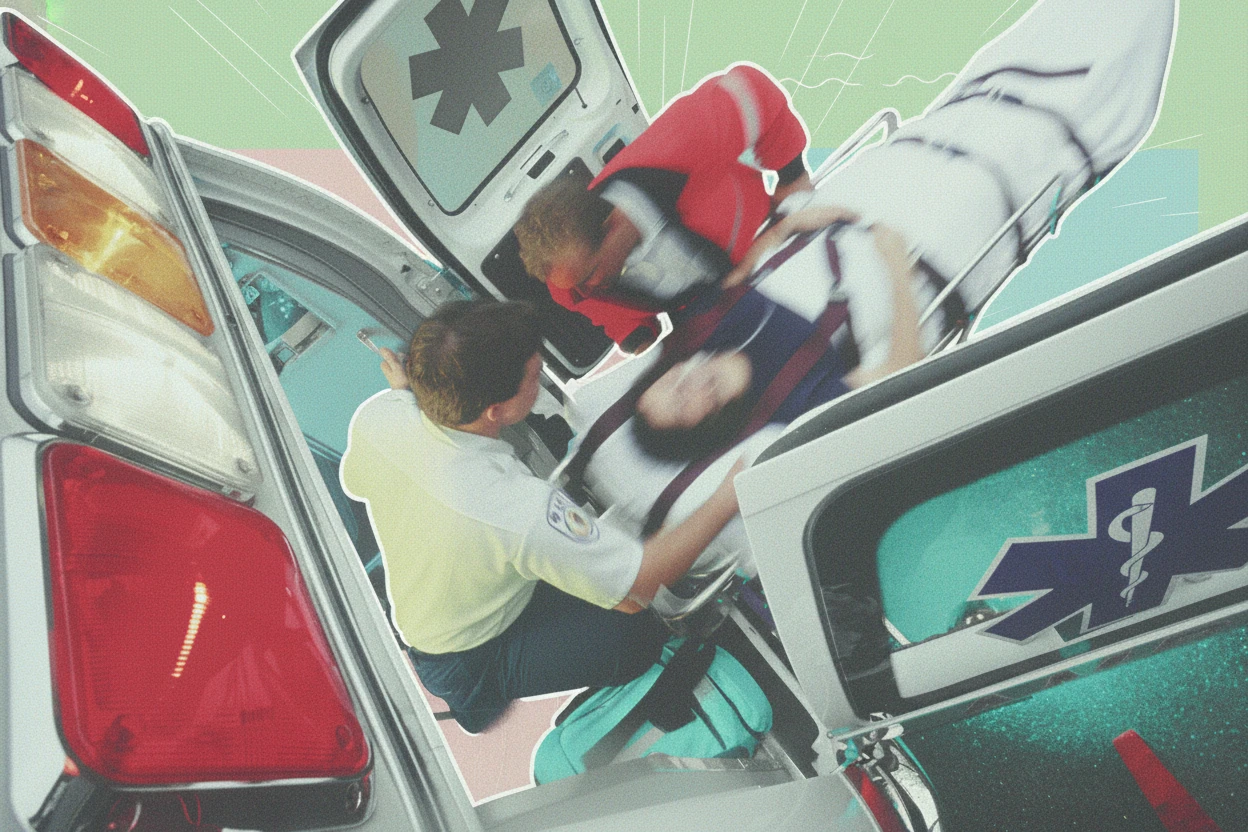
Angina signals an underlying problem with the heart's blood supply and requires prompt medical attention, especially if symptoms change or worsen3. Patients should seek care if chest pain occurs at rest, lasts longer than usual, or is accompanied by symptoms such as dizziness, nausea, sweating, or shortness of breath8. Unstable angina is a medical emergency and may precede a heart attack12.
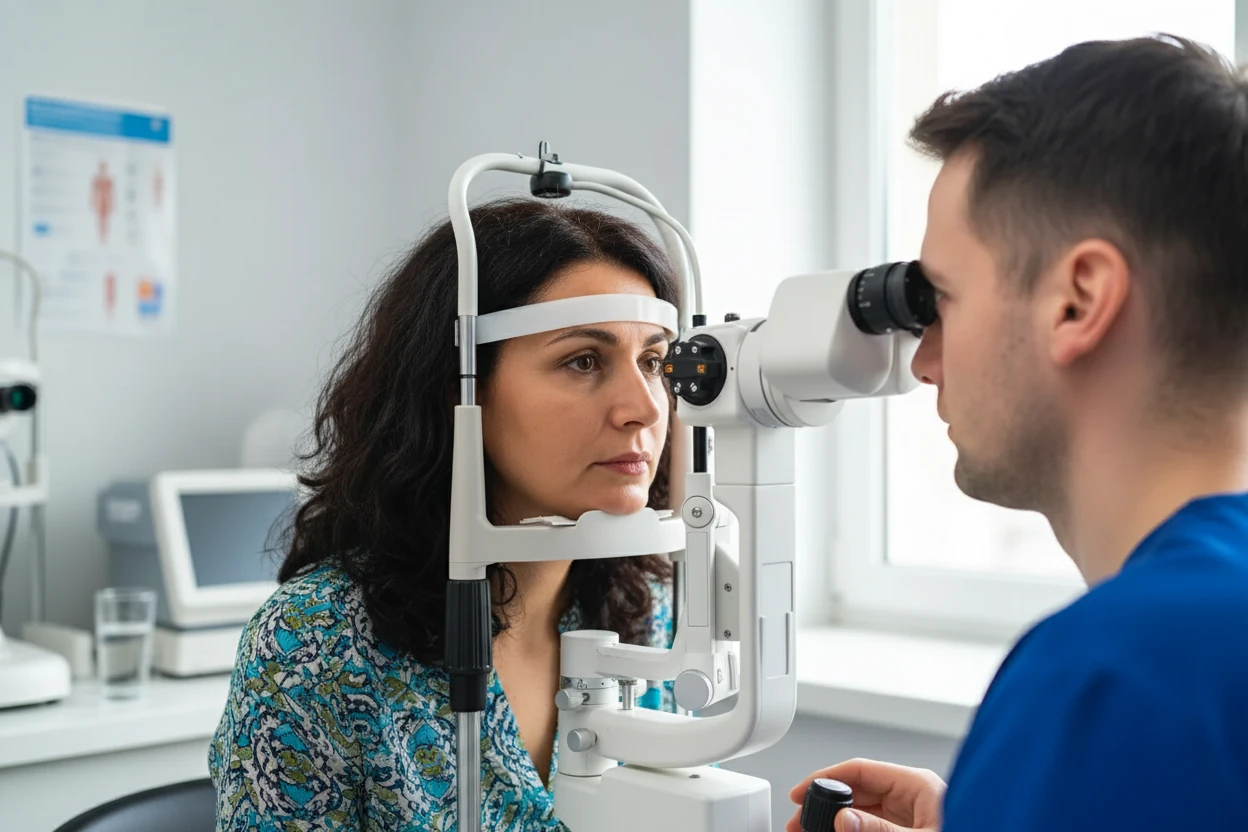
Early evaluation includes a detailed history, physical examination, and assessment of cardiovascular risk factors3. Diagnostic tests such as electrocardiogram (ECG), exercise stress testing, cardiac biomarkers, imaging studies, and invasive coronary angiography help confirm the diagnosis and guide treatment3.
“Approximately 1% of primary care office visits are for chest pain, and 2% to 4% of these patients will have unstable angina or myocardial infarction.”
— John R. McConaghy, American Academy of Family Physicians18
Angina Treatment
Treatment of angina aims to reduce symptoms, improve quality of life, and prevent heart attacks3. Management is tailored based on angina type and patient risk profile.
Lifestyle Changes
Lifestyle modification is a cornerstone of angina management and helps reduce cardiovascular risk factors3. Recommended changes include:
- Eating a heart-healthy diet rich in fruits, vegetables, whole grains, and lean protein319
- Reducing intake of salt, saturated fat, sugar, and alcohol to control blood pressure and cholesterol319
- Engaging in regular physical activity tailored to patient tolerance, aiming for at least 150 minutes per week of moderate aerobic exercise3
- Quitting smoking to reduce vascular injury and improve heart health3
- Managing stress through relaxation techniques and ensuring adequate sleep (7–9 hours per night)319
These interventions improve symptom control and reduce the risk of adverse cardiovascular events3.
Medications
Medications for angina relieve symptoms and reduce the risk of heart attack. Common drug classes include:
- Nitrates (e.g., nitroglycerin) to dilate blood vessels and relieve chest pain20
- Beta blockers to reduce heart rate and myocardial oxygen demand20
- Calcium channel blockers to relax coronary arteries and reduce spasms20
- Antiplatelet agents (e.g., aspirin) to prevent blood clots20
- Statins to lower cholesterol and stabilize plaques20
- Other blood pressure medications and ranolazine for symptom control20
In some cases, procedures such as angioplasty with stenting or coronary artery bypass grafting (CABG) may be necessary to restore blood flow20.
Angina can be a warning sign of a heart attack, sometimes days or weeks in advance. Prompt treatment with medications and lifestyle changes can prevent serious complications.2
Preventing Angina
Prevention focuses on reducing risk factors for coronary artery disease and improving overall cardiovascular health3. Key strategies include:
- Controlling hypertension, diabetes, and dyslipidemia through medication and lifestyle3
- Smoking cessation supported by counseling and pharmacotherapy3
- Maintaining a Mediterranean-style diet associated with fewer cardiovascular events3
- Engaging in consistent moderate exercise to improve heart function and reduce ischemic symptoms3
- Managing psychosocial stress and fostering social support to improve outcomes3
These measures reduce the likelihood of angina development and progression3.
Angina Complications
While stable angina does not cause permanent heart damage, unmanaged angina increases the risk of serious complications3. These include:
“Cardiac disease is the leading cause of death in the United States, yet only 2% to 4% of patients presenting to a primary care office with chest pain will have unstable angina or an acute myocardial infarction.”
— John R. McConaghy, American Academy of Family Physicians18
- Myocardial infarction (heart attack) due to prolonged ischemia causing irreversible heart muscle damage3
- Arrhythmias resulting from disrupted cardiac electrical activity3
- Heart failure from chronic ischemic injury impairing heart function3
Early diagnosis and treatment of angina are critical to prevent these adverse outcomes3.
Summary
Angina is chest pain caused by reduced blood flow to the heart muscle, most commonly due to coronary artery disease3. Symptoms include chest tightness or burning that may radiate to the arm, jaw, or back, with variations between men and women47. Angina is classified into stable, unstable, variant, and microvascular types, each with distinct causes and clinical features9. Prompt medical evaluation is essential, especially for unstable angina, which is a medical emergency12. Treatment combines lifestyle changes, medications, and sometimes procedures to relieve symptoms and prevent heart attacks3. Preventive measures focusing on risk factor control and healthy habits reduce angina risk and improve cardiovascular health3.