Stable angina is the most common type of angina and typically occurs during physical activity or emotional stress1. It is caused by reduced mcv blood test results meaning and normal range flow to the heart muscle due to narrowed or blocked coronary arteries, leading to chest pain or discomfort that usually lasts a short time and is relieved by rest or medication2. Understanding the symptoms, causes, diagnosis, and treatment options is essential for managing this condition and improving quality of life3.
Recognizing Stable Angina Symptoms
Pain
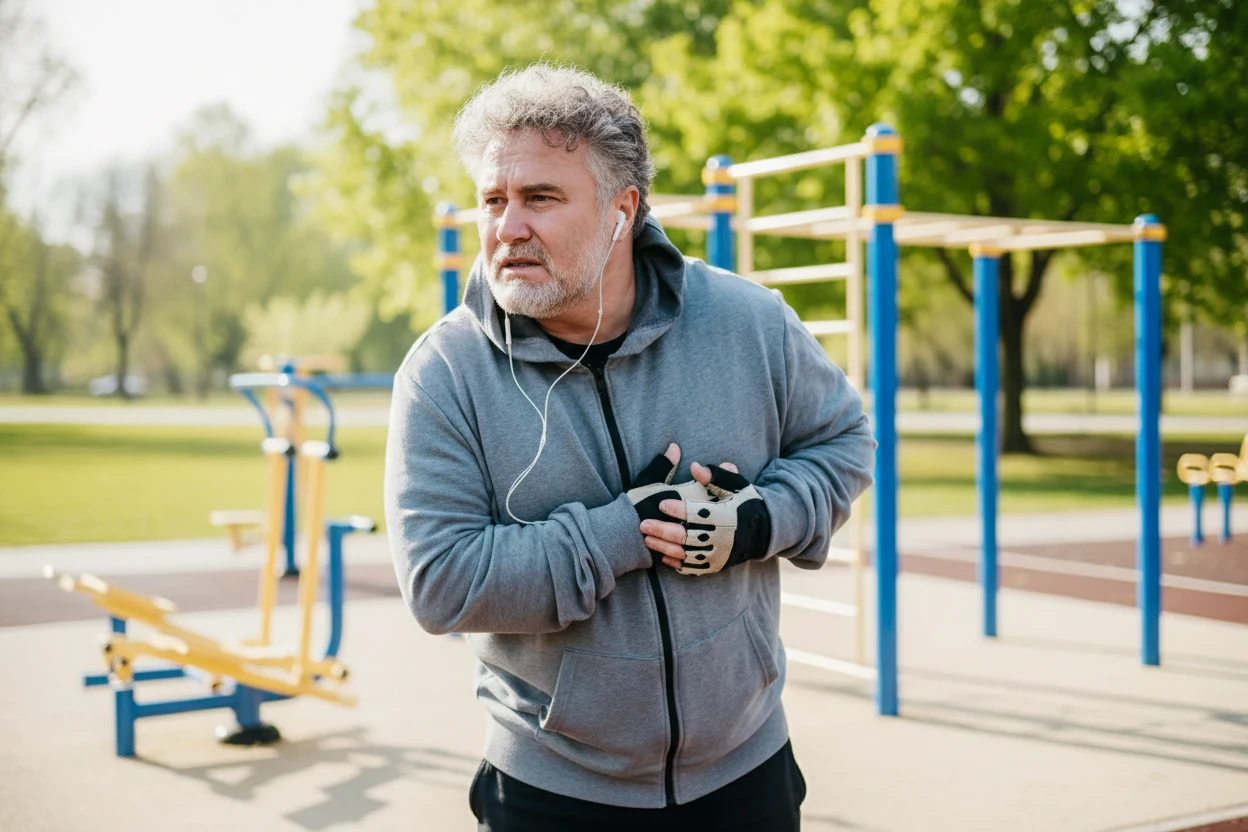
Stable angina is characterized by chest pain or discomfort that is predictable and triggered by exertion or emotional stress4. The pain is often described as pressure, squeezing, heaviness, or tightness in the chest, usually behind the breastbone or slightly to the left5. It typically develops slowly, intensifies, and then subsides within 1 to 15 minutes after stopping activity or taking nitroglycerin45. The pain may radiate to the left arm, neck, jaw, shoulder, or back during episodes45. These episodes are reproducible with similar triggers such as physical exertion or emotional stress65.
Additional Symptoms
Besides chest pain, stable angina may present with other symptoms including shortness of breath, dizziness, nausea, and fatigue78. Some patients, especially women and older adults, may experience atypical symptoms such as isolated neck or shoulder discomfort without chest pain910. Symptom variability requires careful clinical evaluation to distinguish stable angina from other causes of chest discomfort11. Episodes usually last less than 15 minutes and are relieved by rest or nitrates126.
💡 Did You Know?
Stable angina is characterized by chest discomfort or anginal equivalent that is provoked with exertion and alleviated at rest or with nitroglycerin13.
Primary Causes of Stable Angina
Stable angina results primarily from myocardial ischemia caused by obstructive coronary artery disease (CAD) due to atherosclerotic plaque buildup1214. This plaque narrows the coronary arteries, limiting oxygen-rich blood supply to the heart muscle, especially during increased demand such as exercise or stress515. Ischemia activates cardiac sensory nerves, causing the sensation of angina16. Stable angina often represents the initial clinical manifestation of CAD15.
Other cardiac and systemic conditions like heart failure and anemia can mimic or worsen angina symptoms915. Additionally, microvascular dysfunction and coronary artery spasms are recognized as alternative mechanisms causing angina in some patients917.
Risk Factors
- Family history of coronary artery disease increases the risk of developing stable angina1815.
- Hypertension contributes to the progression of coronary artery disease and angina development14.
- Dyslipidemia, including elevated LDL cholesterol and reduced HDL cholesterol, promotes atherosclerosis and increases angina risk14.
- Smoking, diabetes, obesity, and sedentary lifestyle further elevate cardiovascular risk1815.
- Emotional stress and cold temperatures can trigger angina episodes by increasing myocardial oxygen demand7.
Until about 30 years ago, the collective opinion was that atherosclerosis was an inexorable, progressive disease that would eventually block one or more of the heart's arteries, causing a heart attack19.
— William Boden, VA New England Healthcare System and Harvard Medical School
Diagnosing Stable Angina
Diagnosis begins with a detailed history and physical examination focusing on chest pain characteristics and risk factors5. Resting electrocardiogram (ECG) is a first-line test to detect ischemic changes or arrhythmias45. Chest radiography helps exclude pulmonary or other thoracic causes of chest pain20.
Noninvasive imaging such as echocardiography and cardiac magnetic resonance imaging (MRI) assess cardiac function and detect ischemia or wall motion abnormalities209. Stress testing, either exercise or pharmacologic, is used to provoke ischemia and evaluate functional capacity5. Computed tomography (CT) coronary angiography provides noninvasive visualization of coronary artery stenosis and plaque burden20.
Invasive coronary angiography remains the gold standard for detecting obstructive coronary artery disease and guiding revascularization decisions15. Laboratory tests including cardiac biomarkers and lipid profiles aid in risk stratification and diagnosis5.
The heart has an incredible ability to adapt by widening the smaller arteries downstream from the narrowed section of the artery19.
— William Boden, VA New England Healthcare System and Harvard Medical School
Effective Treatment Options
Management of stable angina aims to relieve symptoms, improve quality of life, and reduce the risk of cardiovascular events1218. Treatment includes lifestyle modifications, pharmacologic therapy, and, when necessary, revascularization procedures.
Medications for Symptoms
- Beta-blockers reduce myocardial oxygen demand by slowing the heart rate and are first-line agents for symptom control5.
- Calcium channel blockers relax and widen blood vessels and serve as alternatives or adjuncts to beta-blockers15.
- Nitrates such as nitroglycerin relieve acute angina episodes by dilating coronary arteries5.
- Ranolazine may be used if symptoms persist despite other medications8.
Preventive Medications
- Statins lower LDL cholesterol, stabilize atherosclerotic plaques, and reduce cardiovascular events515.
- Antiplatelet agents like aspirin prevent blood clot formation and reduce the risk of heart attacks5.
- ACE inhibitors improve endothelial function and lower cardiovascular risk5.
- Angiotensin receptor blockers (ARBs) are alternatives for patients intolerant to ACE inhibitors15.
Procedures
Revascularization is considered for patients with persistent symptoms despite optimal medical therapy or those with high-risk coronary anatomy1521. The two main procedures are:
| Procedure | Description | Purpose |
|---|---|---|
| Percutaneous coronary intervention (PCI) | Angioplasty with stent placement to open narrowed arteries5 | Improve blood flow and relieve symptoms5 |
| Coronary artery bypass grafting (CABG) | Surgical bypass of blocked coronary arteries5 | Improve blood flow and reduce risk of events5 |
Emerging therapies like cardiac shock-wave therapy and electroacupuncture have shown promise but require further validation2223.
But the evidence is overwhelmingly consistent that most people treated with optimal medical therapy fare the best over time19.
— William Boden, VA New England Healthcare System and Harvard Medical School
Prevention Strategies
Preventing stable angina focuses on modifying lifestyle risk factors to slow coronary artery disease progression and improve cardiovascular outcomes185. Key prevention strategies include:
- Smoking cessation to reduce cardiovascular risk and improve angina outcomes1415.
- Adopting a Mediterranean-style diet rich in vegetables, fruits, whole grains, fish, and lean meats2423.
- Maintaining a healthy weight through diet and regular physical activity1425.
- Engaging in regular moderate exercise to improve cardiovascular fitness and reduce angina symptoms25.
- Managing stress through relaxation techniques to prevent angina triggered by emotional stress10.
- Ensuring adequate sleep to support cardiovascular health and reduce ischemic events15.
Potential Complications
If stable angina is not properly managed, it can progress to more serious conditions such as unstable angina, myocardial infarction (heart attack), arrhythmias, and sudden cardiac arrest2627. Unstable angina is characterized by chest pain at rest, longer duration, and resistance to nitroglycerin, signaling acute coronary syndrome and higher risk of adverse events28.
Ischemia can provoke life-threatening arrhythmias, and severe ischemia or arrhythmias may lead to sudden cardiac arrest and death27. Prompt diagnosis and treatment are critical to prevent these complications.
Managing Life with Stable Angina
Many patients with stable angina can maintain an active lifestyle with appropriate treatment and lifestyle changes15. Symptom relief is often achieved with rest and medications such as nitroglycerin4. Patient education, regular follow-up, and social support are essential to improve adherence to therapy and quality of life1011.
Symptom variability requires patients to monitor their angina patterns carefully and seek medical attention if chest pain worsens or changes in character11. With good management, the risk of heart attack and other complications is significantly reduced1815.
Stable angina is predictable and relieved by rest or nitroglycerin, allowing many patients to lead normal lives with proper treatment. However, any new or worsening chest pain should prompt urgent medical evaluation to rule out unstable angina or heart attack15264.
Frequently Asked Questions
What is the difference between stable and unstable angina?
Stable angina occurs predictably with exertion or stress and is relieved by rest or medication, lasting less than 15 minutes. Unstable angina is unpredictable, can occur at rest, lasts longer, and does not respond well to rest or nitrates, requiring urgent medical care426.
Can stable angina be cured?
Stable angina is a chronic condition caused by coronary artery disease. While it cannot be cured, symptoms can be effectively managed with lifestyle changes, medications, and sometimes procedures to improve blood flow153.
When should I seek emergency care for angina?
Seek emergency care if chest pain lasts more than 15 minutes, worsens, occurs at rest, or does not improve after three doses of nitroglycerin. These signs may indicate unstable angina or a heart attack5263.