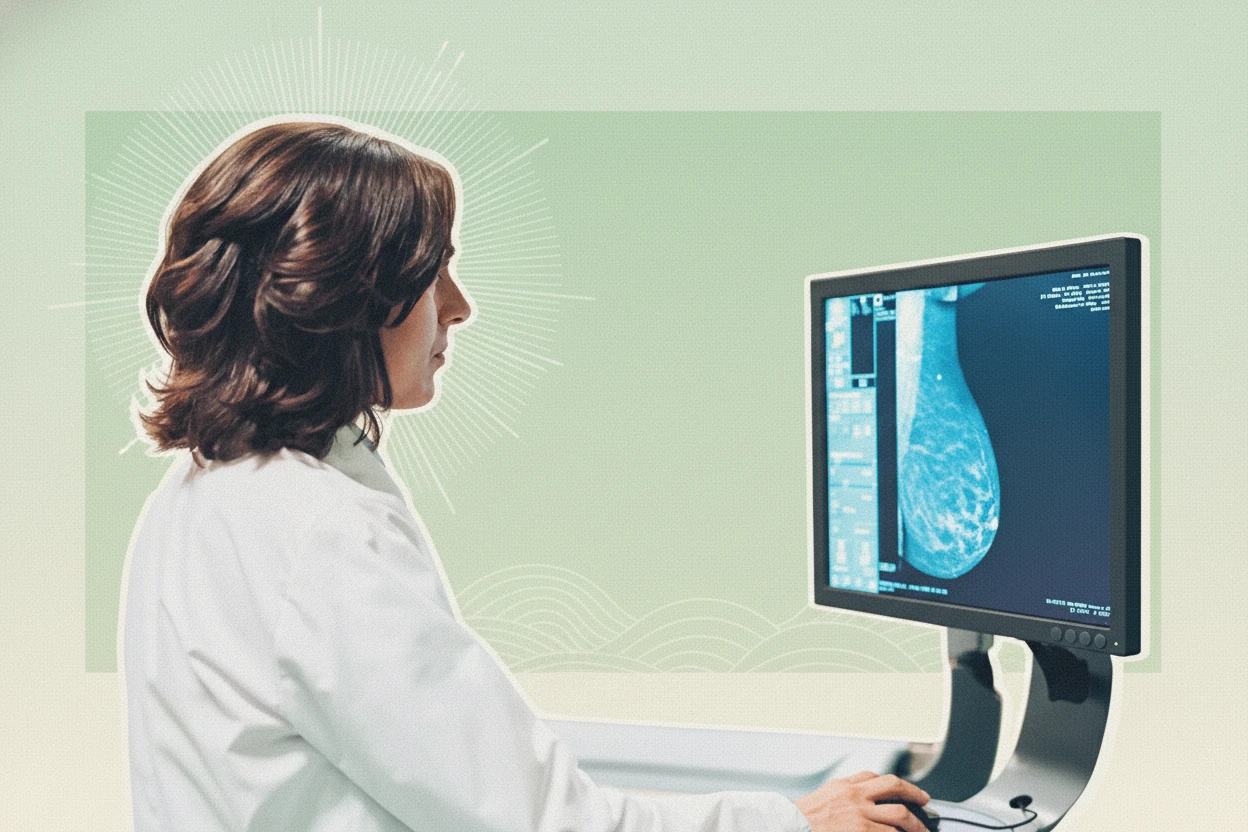
Breast cancer remains the most commonly diagnosed cancer among women, with early detection playing a crucial role in reducing mortality. Starting mammogram screening at age 40 enables detection of tumors at earlier, more treatable stages, improving survival rates significantly1. Despite common misconceptions, most breast cancers occur in women without a family history, underscoring the importance of universal screening beginning in the forties1. The updated guidelines reflect these findings and aim to enhance breast cancer outcomes nationwide2.
Impact on Women in Their 40s
The 2024 update from the U.S. Preventive Services Task Force (USPSTF) now recommends that all women aged 40 and older begin regular mammography screening every other year3. This shift from previous guidance, which suggested individualized decisions for women in their forties, is based on evidence that earlier detection reduces breast cancer mortality by approximately 40% in women aged 40 and above1. Women between 40 and 49 are encouraged to engage in shared decision-making with their healthcare providers to determine the optimal timing for starting mammograms, considering personal risk factors and preferences4.
Healthcare systems are urged to actively notify eligible women about these updated recommendations to improve adherence and screening rates1. The Affordable Care Act supports this initiative by mandating insurance coverage for mammograms without patient cost-sharing, removing financial barriers to screening2. Importantly, these guidelines apply broadly to all individuals with breast tissue, regardless of gender identity1.
Women with high-risk factors, such as BRCA1 or BRCA2 genetic mutations, require personalized screening plans that often begin before age 40 and may include more intensive modalities like magnetic resonance imaging (MRI)56. Shared decision-making remains essential to tailor screening schedules appropriately for these individuals4.
- Women aged 40 and older are recommended to start biennial mammography screening to reduce breast cancer mortality3.
- Shared decision-making is advised for women in their 40s to personalize screening timing4.
- Insurance coverage for mammograms is mandated without cost-sharing under the Affordable Care Act2.
- Screening guidelines apply to all persons with breast tissue, including transgender and nonbinary individuals1.
- High-risk individuals may require earlier and supplemental screening such as MRI51.
“This is a major win. We are not only seeing a younger population of patients being diagnosed with breast cancer, but also people from underserved groups. For example, Black women sometimes develop breast cancer as many as five years earlier than white patients, so these new guidelines help to build equity into the system. Fifty years old is too late to start screening for Black women. I am also excited that the new guidelines will support insurance coverage for younger women.”
— Anna Weiss, MD, University of Rochester Medical Center7
Key Changes in Breast Cancer Screening
The primary change in the 2024 USPSTF guidelines is the recommendation to begin routine mammography screening at age 40, continuing every two years until age 743. This contrasts with the previous recommendation, which suggested starting at age 50 for average-risk women and individualized decisions for those in their 40s. The updated guidance aligns more closely with other expert organizations like the American Cancer Society and the American College of Radiology, which have long advocated for earlier screening89.
Advances in screening technology are acknowledged, with both standard two-dimensional (2D) mammography and digital breast tomosynthesis (3D mammography) considered effective options1. While 3D mammography improves cancer detection rates and reduces false positives, it is not yet universally available. Therefore, 2D mammography remains a valid and important screening tool, and women should not delay screening while waiting for access to 3D technology1.
The guidelines also highlight the need for further research on the use of artificial intelligence (AI) in mammogram interpretation, cautioning against premature widespread adoption without robust evidence of benefit102. Additionally, the USPSTF calls for more studies on supplemental screening methods, such as breast ultrasound or MRI, especially for women with dense breast tissue, which can reduce mammogram sensitivity and increase breast cancer risk14.
Other notable changes and considerations include:
- Screening recommendations now apply to all individuals with breast tissue, including transgender men and nonbinary persons1.
- The USPSTF did not make a recommendation for screening women aged 75 and older due to insufficient evidence3.
-
There is an emphasis on addressing disparities in breast cancer outcomes, particularly among Black women, who face higher mortality rates despite similar or higher screening rates3.
-
Mammography screening is now recommended every other year starting at age 40 through age 743.
- Both 2D and 3D mammography are endorsed as effective screening tools1.
- AI applications in mammography require further validation before routine use10.
- Supplemental screening for dense breasts lacks sufficient evidence for routine recommendation4.
- No conclusive guidance exists yet for screening women over 75 years old3.
New and more inclusive science about breast cancer in women younger than the age of 50 has allowed expansion of prior recommendations. There are a lot more women getting breast cancer, and that influences the updated recommendation8.
How Earlier Screening Saves Lives
Starting mammography screening at age 40 enables detection of breast cancers at earlier, more treatable stages, which significantly improves survival outcomes12. Population-wide screening is critical because approximately 75% of breast cancers occur in women without a family history, making universal screening essential for early diagnosis1. Since 1990, breast cancer mortality has declined by over 40%, largely due to the widespread use of screening mammography that facilitates earlier treatment11.
| Screening Strategy | Breast Cancer Deaths Averted (per 1000 women) | Life-Years Gained | False-Positive Results | Overdiagnosis Cases |
|---|---|---|---|---|
| Biennial screening (40-74) | 8.2 | 165.2 | 1376 | 14 |
| Biennial screening (50-74) | 6.7 | 120.8 | 873 | 12 |
| Biennial screening Black women (40-74) | 10.7 | 228.9 | 1253 | 18 |
| Biennial screening Black women (50-74) | 9.2 | 176.7 | 814 | 16 |
| Sources:13 | ||||
Screening technology improvements, such as digital breast tomosynthesis (3D mammography), have enhanced cancer detection rates and reduced false positives, but 2D mammography remains effective and should not be deferred if 3D is unavailable112. The USPSTF emphasizes that a 2D mammogram is better than no mammogram at all, urging women not to delay screening1.
Modeling studies estimate that biennial screening starting at age 40 results in more breast cancer deaths averted and life-years gained compared to starting at age 50. For example, biennial screening from ages 40 to 74 averts approximately 8.2 breast cancer deaths per 1,000 women screened, compared to 6.7 deaths averted when starting at age 5013. The benefits are even greater for Black women, who experience higher breast cancer mortality and more aggressive disease at younger ages13.
While the USPSTF recommends biennial screening, some organizations advocate for annual mammography starting at 40, citing evidence that more frequent screening may further reduce mortality, especially given the faster-growing tumors often seen in younger women14. The risks of screening, such as false positives and overdiagnosis, are considered manageable and outweighed by the benefits of early detection14.
Key benefits and considerations of earlier screening include:
Starting mammograms at age 40 can reduce breast cancer deaths by nearly 20% overall and even more among Black women, who face higher risks and earlier onset of aggressive cancers. Early detection allows for less invasive treatment and better survival outcomes1318.
- Detecting breast cancers at smaller sizes and earlier stages improves treatment success and survival12.
- Biennial screening from age 40 to 74 reduces breast cancer mortality by about 40%1.
- Screening benefits are particularly significant for Black women, addressing disparities in outcomes13.
- 2D mammography remains an effective screening tool and should not be delayed for 3D availability1.
- Annual screening may offer additional mortality reduction but requires further research14.