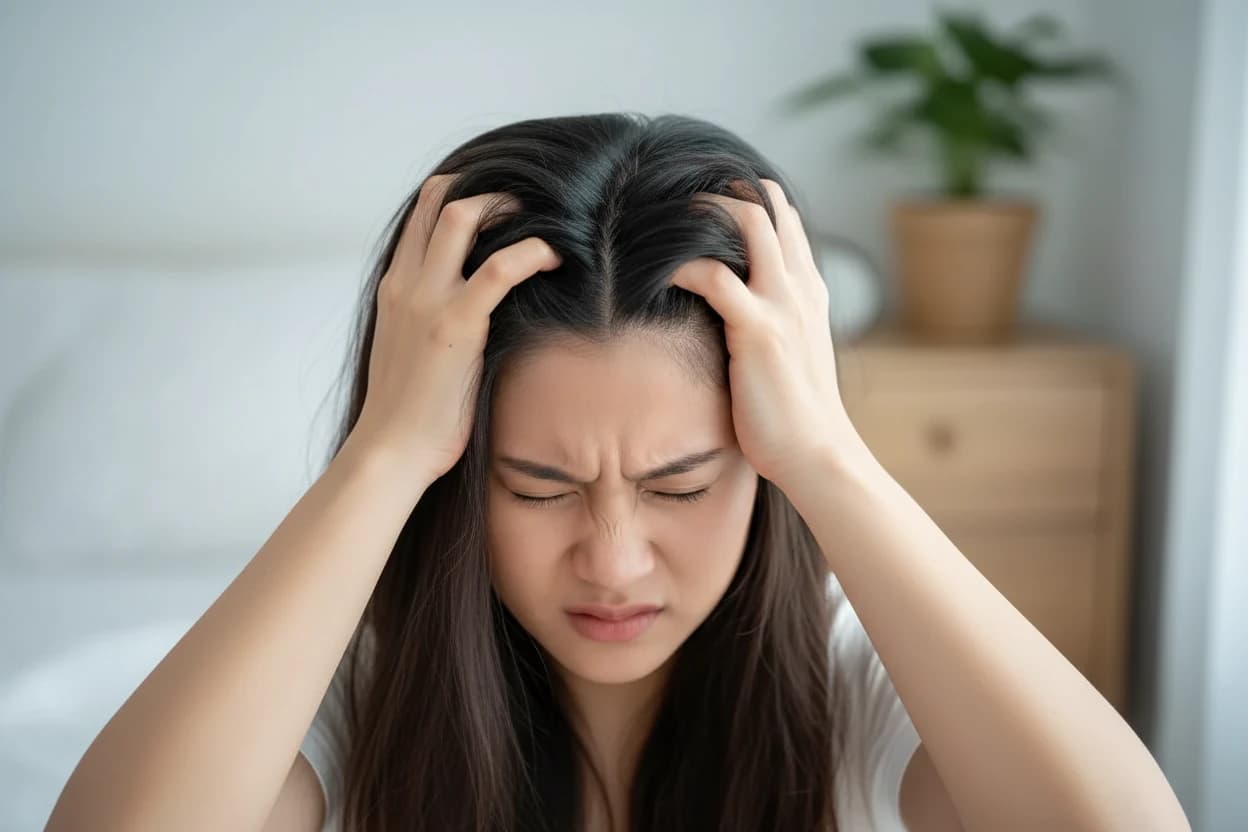
Dandruff is a common scalp condition affecting a large portion of the population worldwide, characterized by itchy, flaky skin and sometimes oily patches on the scalp1 . It is considered a mild form of seborrheic dermatitis caused primarily by an overgrowth of the yeast Malassezia2 . While over-the-counter (OTC) antifungal shampoos remain the first-line treatment, many people seek natural home remedies to manage symptoms and improve scalp health3 . This article explores seven popular natural treatments for dandruff, their potential benefits, and the current scientific evidence supporting their use.
Tea Tree Oil for Dandruff Relief
Tea tree oil, derived from the leaves of the Melaleuca alternifolia plant, is widely used for its antibacterial and antifungal properties3 . It contains compounds such as terpinen-4-ol, which may suppress the growth of pathogens on the scalp and reduce inflammation1 . A randomized, single-blind clinical trial showed that a 5% tea tree oil shampoo used daily for four weeks led to a 41% improvement in dandruff severity compared to 11% in the placebo group, with significant reductions in itchiness and greasiness4 . Importantly, no adverse effects were reported in this study4 .
“Five percent tea tree oil appears to be effective and well tolerated in the treatment of dandruff.”
— Andrew C. Satchell4
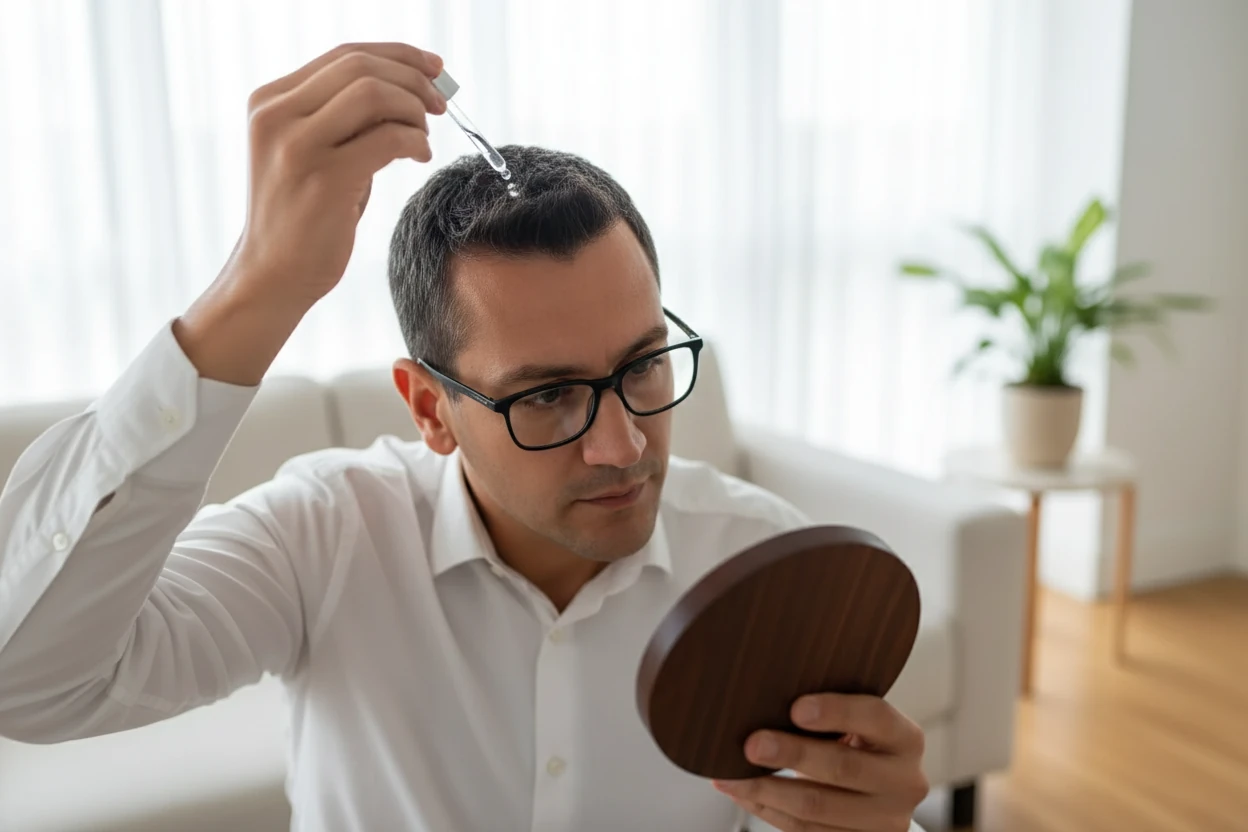
However, some sources note that high-quality clinical evidence is limited, and tea tree oil can cause skin irritation or allergic reactions if applied undiluted2 5. To minimize the risk of irritation, it is recommended to dilute tea tree oil by adding a few drops to a carrier oil or using shampoos formulated with tea tree oil3 .
Tips for using tea tree oil:
- Use shampoos containing 5% tea tree oil for safe application4 .
- Avoid applying pure tea tree oil directly to the scalp without dilution3 .
- Start with a patch test to check for skin sensitivity5 .
Tea tree oil is a popular home remedy for dandruff because it has antibacterial and antifungal properties3 .
Coconut Oil Scalp Treatment
Coconut oil is traditionally used in skin and hair care for its moisturizing and antimicrobial effects6 . It contains lauric acid, which has antifungal properties that may help reduce fungal growth on the scalp7 . A 16-week study involving 140 women found that regular application of coconut oil altered the scalp microbiome and improved markers associated with dandruff, although it did not directly link these changes to dandruff reduction8 .
Despite these promising findings, there is currently no strong clinical evidence from major medical institutions confirming coconut oil’s effectiveness specifically for dandruff treatment2 . Coconut oil may improve scalp hydration and reduce irritation, which can indirectly help manage dandruff symptoms6 .
How to use coconut oil for dandruff:
- Massage a spoonful of coconut oil into the scalp3 .
- Leave it on for about two hours before washing it out with shampoo3 .
- Repeat this treatment twice a week for best results3 .
Probiotics for Scalp Health
Probiotics are live microorganisms that help balance the microbiome on and in the body6 . They have been studied for their potential to improve skin health by modulating immune responses and controlling fungal infections9 . A 2024 systematic review found that while probiotics are promising as functional foods, evidence for their effectiveness in dandruff control is limited and inconsistent9 .
No high-quality clinical trials currently support probiotics as a standalone treatment for dandruff2 . However, some studies suggest probiotics may help reduce dandruff severity by balancing scalp bacteria and yeast populations6 .
Potential benefits of probiotics for dandruff:
- May help regulate the scalp microbiome6 .
- Could reduce fungal overgrowth linked to dandruff6 .
- May improve overall scalp health and reduce inflammation6 .
Regular intake of probiotics through supplements or probiotic-rich foods might support scalp health, but more research is needed to confirm their role in dandruff management9 .
Aloe Vera for Dandruff Control
Aloe vera gel, extracted from the leaves of the Aloe barbadensis plant, is known for its soothing, antifungal, and antimicrobial properties3 . It may help relieve itching and inflammation associated with dandruff and seborrheic dermatitis3 . Some studies indicate aloe vera improves skin moisture retention and promotes healing, which could benefit scalp conditions1 .
Despite these potential effects, there is no strong clinical evidence from major medical institutions supporting aloe vera as an effective treatment for dandruff2 . Some individuals may experience stinging or burning sensations when applying aloe vera gel to the scalp3 .
How to use aloe vera for dandruff:
- Apply fresh aloe vera gel directly to the scalp3 .
- Use at least twice daily for symptom relief3 .
- Perform a patch test to check for sensitivity3 .
Apple Cider Vinegar Rinse
Apple cider vinegar (ACV) is often used as a natural remedy for scalp health due to its clarifying and antifungal properties3 . It may help remove buildup of hair products, grease, and dirt, which can contribute to dandruff3 . In vitro studies show ACV can inhibit the growth of Malassezia furfur, a yeast linked to dandruff10 .
However, clinical trials in humans are lacking, and some studies suggest that topical ACV may cause scalp dryness or irritation2 3. One small study found that applying diluted ACV did not improve eczema or skin barrier integrity and sometimes worsened symptoms3 .
Tips for using apple cider vinegar:
- Dilute ACV before applying to the scalp to reduce irritation risk3 .
- Mix a few tablespoons of ACV with shampoo or water for rinsing3 .
- Limit use to avoid excessive dryness3 .
Stress Reduction Techniques
Stress is recognized as a trigger that can worsen many skin conditions, including seborrheic dermatitis, which is closely related to dandruff2 . While stress does not directly cause dandruff, it may increase scalp inflammation and exacerbate symptoms such as itching and dryness3 .
There is no specific clinical evidence linking stress reduction to dandruff improvement, but managing stress is generally beneficial for overall skin health2 . Techniques such as deep breathing, meditation, exercise, and engaging in enjoyable activities may help reduce stress levels3 .
Stress management strategies:
- Practice relaxation techniques like meditation or deep breathing3 .
- Engage in regular physical activity3 .
- Maintain social connections and hobbies3 .
Stress does not cause dandruff but can worsen symptoms by increasing scalp inflammation. Managing stress through relaxation and exercise may help reduce flare-ups2 3.
Effective OTC Dandruff Treatments
Over-the-counter (OTC) dandruff shampoos are the most common and effective treatments for controlling dandruff symptoms2 . These shampoos typically contain antifungal agents that reduce Malassezia yeast overgrowth on the scalp2 . Common active ingredients include:
| Ingredient | Action | Examples |
|---|---|---|
| Zinc pyrithione | Antifungal and antibacterial | Head & Shoulders, Jason Anti-Dandruff2 |
| Selenium sulfide | Antifungal | Selsun Blue, Head & Shoulders Clinical Strength2 |
| Ketoconazole | Strong antifungal | Nizoral (OTC and prescription) 2 |
| Salicylic acid | Exfoliates scalp, reduces flakes | Neutrogena T/Sal2 |
| Coal tar | Slows skin cell death and shedding | Neutrogena T/Gel2 |
| Sources: 2 | ||
Proper use of these shampoos involves applying them directly to the scalp, gently massaging, and leaving them on for several minutes before rinsing11 . For best results, rotate between shampoos with different active ingredients to prevent reduced effectiveness over time11 .
OTC shampoo usage tips:
- Wash hair regularly based on hair type and scalp oiliness11 .
- Avoid overuse to prevent scalp dryness or irritation11 .
- Discontinue use if allergic reactions occur11 .
Preventing Dandruff Flare-Ups
While dandruff cannot be completely prevented, certain practices can reduce the frequency and severity of flare-ups2 . Maintaining a consistent hair care routine and managing triggers are key.
Tips to prevent dandruff flare-ups:
- Wash hair regularly with gentle or medicated shampoos2 .
- Manage stress through relaxation techniques3 .
- Limit use of styling products that can build up on the scalp7 .
- Get moderate sunlight exposure to support scalp health7 .
- Maintain a balanced diet rich in zinc, B vitamins, and healthy fats12 .
Regular scalp cleansing helps remove excess oil and dead skin cells, which can reduce yeast growth and flaking2 .
When to Consult a Doctor
If dandruff symptoms persist despite home treatments or worsen over time, it is important to seek medical advice2 . A healthcare provider or dermatologist can evaluate the scalp to rule out other conditions such as psoriasis or fungal infections and recommend prescription-strength treatments if needed3 .
Signs to see a healthcare provider:
- Severe or persistent dandruff2 .
- Red, painful, or crusty patches on the scalp3 .
- Hair loss or thinning associated with dandruff3 .
- Weeping skin or presence of pus3 .
Early consultation can help prevent complications and provide tailored treatment options.
Key Takeaways
- Dandruff is a mild scalp condition caused mainly by Malassezia yeast overgrowth and can be managed with antifungal shampoos2 .
- Tea tree oil shampoos with 5% concentration show promise in reducing dandruff symptoms and are generally well tolerated4 .
- Coconut oil may improve scalp hydration and alter the scalp microbiome, but clinical evidence for dandruff treatment is limited8 .
- Probiotics and aloe vera have potential benefits for scalp health, though more research is needed to confirm their effectiveness for dandruff9 3.
- Apple cider vinegar has antifungal properties in vitro but lacks strong clinical support and may cause scalp irritation10 3.
- Stress management and regular hair care routines help prevent flare-ups but have no direct clinical evidence for curing dandruff2 3.
- OTC shampoos containing zinc pyrithione, selenium sulfide, ketoconazole, salicylic acid, or coal tar remain the most effective first-line treatments2 11.