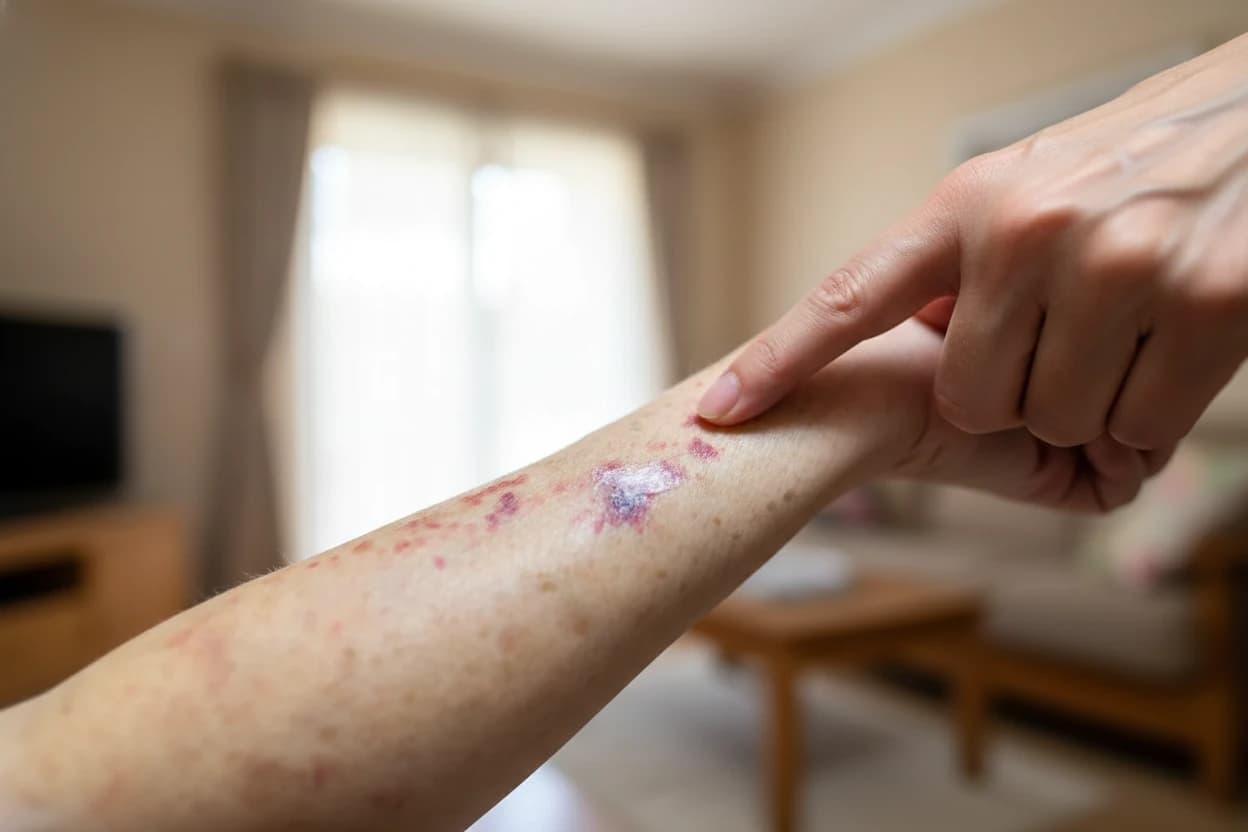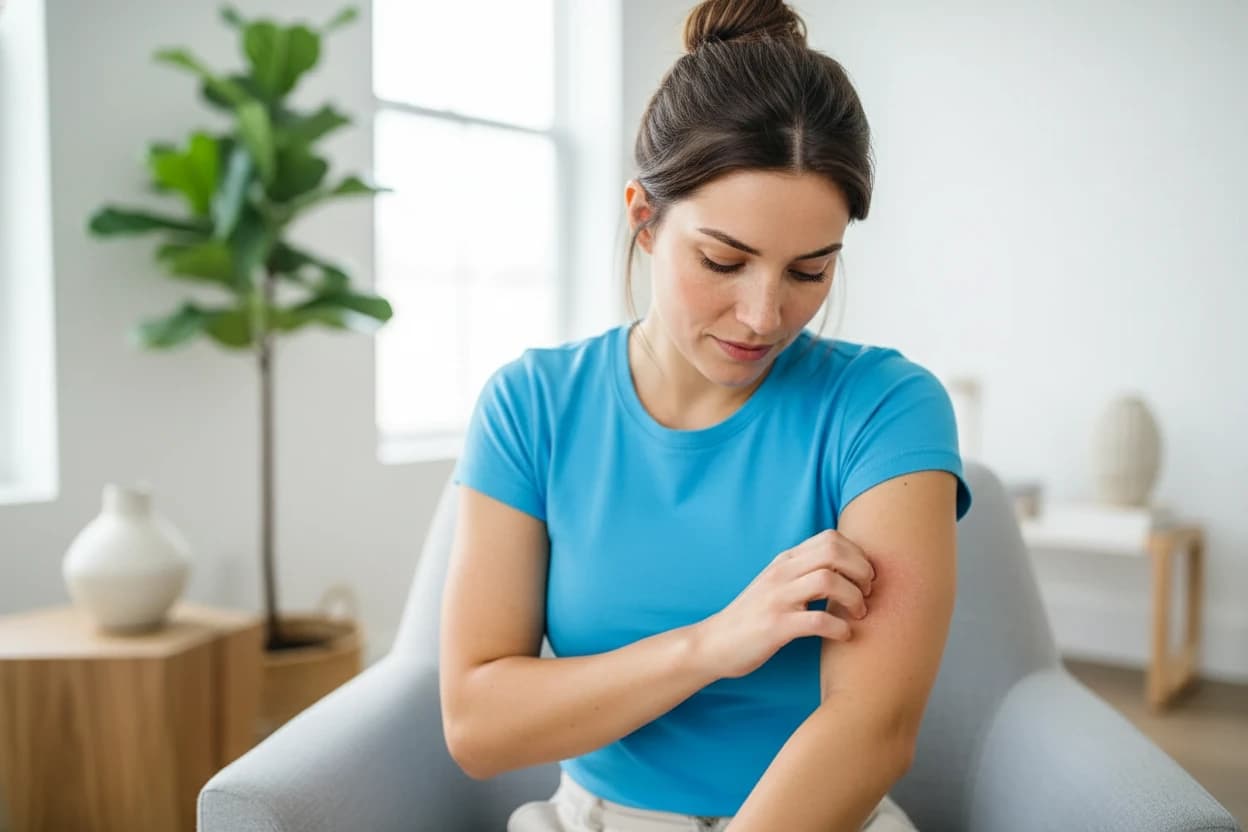
Rosacea affects millions worldwide, causing persistent facial redness, visible blood vessels, and sometimes acne-like bumps1 . Although it is a chronic condition without a cure, effective treatments can control symptoms and improve quality of life2 . Managing rosacea involves a combination of lifestyle changes, skin care, medications, and procedural therapies tailored to individual needs3 .
Identifying and Avoiding Triggers
Avoiding known triggers is essential to reduce rosacea flare-ups and maintain skin comfort3 . Common triggers include alcohol—especially red wine—which frequently worsens symptoms3 . Spicy foods, hot beverages, and emotional stress also contribute to flares4 . Some cosmetics and hair care products containing irritants like menthol, camphor, or sodium lauryl sulfate may aggravate rosacea-prone skin3 4. Keeping a diary to track flare triggers helps personalize management strategies3 .
Lifestyle modifications recommended to reduce symptoms include:
- Avoiding alcohol or limiting intake, especially red wine3 4.
- Reducing consumption of spicy foods and hot drinks3 4.
- Using only gentle, fragrance-free skin and hair care products3 4.
- Managing stress through relaxation techniques such as meditation or yoga5 .
- Avoiding overheating by dressing in layers and staying cool during exercise5 .
Adjunctive therapies may be scheduled to mitigate the effects of unavoidable triggers6 .
Daily Sun Protection
Ultraviolet (UV) radiation is a major trigger for rosacea flare-ups, making photoprotection a cornerstone of management3 4. Daily use of broad-spectrum sunscreen with an SPF of 30 or higher is strongly advised3 . Sunscreens containing physical blockers like zinc oxide or titanium dioxide are preferred for sensitive rosacea skin, as they minimize irritation4 7.
Key sun protection measures include:
- Applying sunscreen generously every day, even on cloudy days3 4.
- Reapplying sunscreen every two hours during prolonged sun exposure6 .
- Wearing wide-brimmed hats to physically shield the face from sunlight3 4.
- Avoiding peak sunlight hours, typically between 10 a.m. and 4 p.m. 34.
- Seeking shade whenever possible3 .
These steps help prevent UV-induced flushing and persistent erythema, reducing the frequency and severity of rosacea flares3 4.
Gentle Skin Care Routine
Rosacea-prone skin is often sensitive and easily irritated. Using mild skin care products designed for sensitive skin helps reduce irritation and maintain the skin barrier3 4. Harsh ingredients such as fragrances, astringents, alcohol, camphor, and menthol should be avoided3 4.
Recommendations for skin care include:
- Using gentle, non-soap cleansers with a neutral or mildly acidic pH3 4.
- Cleansing the face twice daily with fingertips, avoiding abrasive washcloths or scrubs4 .
- Applying moisturizers that contain emollients and occlusives to maintain hydration3 .
- Selecting fragrance-free and hypoallergenic products3 4.
- Avoiding toners, astringents, and products containing sodium lauryl sulfate3 4.
A consistent, gentle skin care routine supports skin health and can reduce burning, stinging, and dryness associated with rosacea3 4.
Prescription Medications
Treatment of rosacea often requires medications tailored to the subtype and severity of symptoms. Pharmacologic options include topical and oral agents that reduce inflammation, erythema, and papulopustular lesions3 8.
Topical Medications
Topical therapies are first-line treatments for mild to moderate rosacea and include:
- Metronidazole: Available as gel, cream, or lotion, it reduces inflammation and papulopustular lesions3 8. It is typically applied once or twice daily and may take 2 to 6 weeks for noticeable improvement8 .
- Azelaic Acid: Used twice daily, it exerts anti-inflammatory effects by inhibiting neutrophil activity and oxidative stress3 9. It also helps reduce erythema and papules8 .
- Ivermectin Cream: Applied once daily, ivermectin has anti-inflammatory and antiparasitic properties and may be more effective than metronidazole for papulopustular rosacea3 8.
- Brimonidine and Oxymetazoline: These topical vasoconstrictors reduce persistent facial erythema by constricting dilated blood vessels, with effects lasting up to 12 hours3 8. They are typically applied once daily and can be used before important social events3 8.
- Other Options: Topical clindamycin and minocycline foam are additional options for inflammatory lesions3 .
Avoidance of topical irritants and adherence to prescribed regimens improve treatment outcomes3 8.
Oral Medications
Oral antibiotics are indicated for moderate to severe rosacea or when topical treatments are insufficient3 8. Common systemic agents include:
- Doxycycline: At subantimicrobial doses (40 mg once daily or 20 mg twice daily), doxycycline reduces inflammation without promoting antibiotic resistance3 8. It is FDA-approved for rosacea and generally well tolerated.
- Minocycline and Tetracycline: Alternatives to doxycycline, though minocycline carries risks such as autoimmune hepatitis and hyperpigmentation3 .
- Erythromycin and Azithromycin: Used less commonly due to side effects and drug interactions3 .
- Isotretinoin: Reserved for refractory or severe cases, especially phymatous rosacea; it reduces sebaceous gland activity but carries risks including teratogenicity and mucocutaneous dryness3 8.
Adherence to oral antibiotic regimens is critical to achieve symptom control and minimize relapse3 .
Laser and Light Treatments
Procedural therapies such as laser and light treatments target vascular components of rosacea, reducing redness and visible blood vessels3 8. Common modalities include:
- Pulsed Dye Laser (PDL): Selectively destroys hemoglobin in dilated blood vessels, improving erythema and telangiectasia3 .
- Intense Pulsed Light (IPL): Effective for diffuse erythema and telangiectasia, IPL is gentler than laser but requires multiple sessions3 8.
- KTP and Nd:YAG Lasers: Used for more persistent vascular lesions and phymatous changes10 .
Multiple treatment sessions are typically necessary for sustained improvement3 . Side effects may include redness, bruising, and mild swelling, usually resolving within days8 . These procedures may not be covered by insurance and should be performed by experienced dermatologists8 .
Managing Ocular Rosacea
Ocular rosacea affects over half of patients with cutaneous rosacea and requires specialist evaluation3 11. Symptoms include eye irritation, redness, dryness, and eyelid inflammation3 .
Management strategies include:
- Eyelid Hygiene: Warm compresses and cleansing eyelashes twice daily with diluted baby shampoo reduce blepharitis and debris3 8.
- Artificial Tears: Used to relieve dryness and grittiness3 .
- Topical Antibiotics: Metronidazole or erythromycin ointments may reduce eyelid inflammation3 .
- Topical Cyclosporine Drops: Effective in reducing ocular inflammation and improving symptoms3 8.
- Oral Antibiotics: Low-dose doxycycline or azithromycin may be prescribed for moderate to severe ocular involvement3 11.
- Procedural Therapies: Laser treatments may help unblock meibomian glands in refractory cases3 .
Early diagnosis and treatment are crucial to prevent complications such as corneal damage and vision loss11 .
Surgical Options for Rhinophyma
Phymatous rosacea, particularly rhinophyma, involves sebaceous gland hyperplasia and connective tissue overgrowth, leading to a bulbous, thickened nasal appearance3 8. It predominantly affects middle-aged to older men3 .
Surgical intervention is considered when tissue hypertrophy is significant and includes:
- Excisional Surgery: Removal of hypertrophic tissue to restore normal facial contours3 .
- Laser Surgery: Carbon dioxide laser and other modalities can precisely sculpt affected areas3 .
- Electrosurgery and Dermabrasion: Additional techniques to reduce tissue bulk3 .
Postoperative management often involves isotretinoin to reduce sebaceous gland activity and maintain surgical results3 8. However, isotretinoin carries risks such as teratogenicity, mucocutaneous dryness, and alopecia, requiring careful monitoring3 .
Long-Term Rosacea Management
Rosacea is a chronic condition requiring ongoing management to maintain symptom control and prevent relapse3 12. Success depends on patient adherence to daily skin care, trigger avoidance, and maintenance treatments12 .
Key components of long-term management include:
- Consistent use of gentle cleansers, moisturizers, and broad-spectrum sunscreens3 12.
- Avoidance of known personal triggers identified through journaling3 .
- Regular follow-up with a dermatologist to adjust therapies as needed12 .
- Use of maintenance topical agents such as metronidazole or azelaic acid3 .
- Psychological support to address anxiety or depression related to rosacea appearance6 .
Adherence to these strategies improves quality of life and reduces the frequency and severity of flare-ups12 .
Key Treatment Takeaways
- Avoiding personal triggers like alcohol, spicy foods, and irritant skin products is essential to reduce rosacea flares3 4.
- Daily sun protection with broad-spectrum SPF 30+ sunscreen and physical barriers prevents UV-induced exacerbations3 4.
- Gentle skin care using fragrance-free, non-irritating products supports skin barrier health3 4.
- Topical medications such as metronidazole, azelaic acid, ivermectin, and vasoconstrictors effectively control inflammation and erythema3 8.
- Oral antibiotics, primarily subantimicrobial-dose doxycycline, are reserved for moderate to severe or refractory cases3 8.
- Laser and light therapies target vascular symptoms and phymatous changes, often requiring multiple sessions3 8.
- Ocular rosacea requires specialized care including eyelid hygiene, topical and systemic antibiotics, and sometimes procedural treatments3 11.
- Surgical options are effective for advanced phymatous rosacea, with isotretinoin used postoperatively to maintain outcomes3 8.
- Long-term management relies on adherence to skin care, trigger avoidance, and maintenance therapy to improve patient quality of life12 .
Frequently Asked Questions
What causes rosacea flare-ups?
Common triggers include sun exposure, alcohol (especially red wine), spicy foods, hot beverages, stress, and certain skin care products3 4.
How soon can I expect improvement with treatment?
Topical medications may take 2 to 6 weeks to show effects, while oral antibiotics often provide faster relief for inflammatory lesions3 8.
Is rosacea curable?
Rosacea is a chronic condition without a cure, but it can be effectively managed to control symptoms and prevent flares3 2.
When should I see a dermatologist?
If symptoms persist, worsen, or involve the eyes, consulting a board-certified dermatologist is recommended for tailored treatment3 13.
Can makeup be used with rosacea?
Yes, green-tinted, fragrance-free, and oil-free makeup can help conceal redness without irritating the skin4 2.