Sunburn affects about one in three Americans each year, causing painful skin damage from overexposure to ultraviolet (UV) rays1. This common injury can lead to redness, swelling, blistering, and long-term risks such as premature skin aging and skin cancer-deaths">preventable risk factors cause nearly half of global cancer deaths-effects-on-black-womencancer2. Understanding how sunburn develops, how long it lasts, and how to treat and prevent it is essential for protecting your skin and promoting faster healing3.
Understanding Sunburn: Causes, Types & Skin Damage
Sunburn is a type of radiation burn caused by excessive exposure to ultraviolet (UV) radiation, primarily from the sun4. UVB rays are the main culprits behind sunburn, triggering damage to the skin’s outer layers, while UVA rays contribute more to skin aging and long-term damage4. When UVB radiation penetrates the skin, it causes DNA damage in skin cells and triggers apoptosis (cell death) in keratinocytes, known as "sunburn cells," which have characteristic pyknotic nuclei4.
The skin responds to UV exposure by producing melanin, a pigment made by melanocytes that acts as a natural sunscreen4. The amount of melanin produced is genetically determined, which explains why individuals with lighter skin are more susceptible to sunburn due to lower melanin content4. However, all skin types can experience sunburn, even on cloudy days, because UV rays can penetrate cloud cover4.
Sunburn is essentially an inflammatory response to UV-induced skin injury. The severity depends on factors such as the intensity and duration of UV exposure, skin type, altitude, and use of sun protection3. Repeated sunburns cause cumulative skin damage, increasing the risk of skin cancer and premature aging1.
No matter your skin tone, you can get a sunburn if you are outside without proper protection. Both tanning and sunburning harm your skin, and repeated sunburns cause more damage over time1.
Sunburn Healing Timeline: What to Expect Day-by-Day
The length of time a sunburn lasts depends largely on its severity. Mild sunburns typically resolve within 3 to 5 days, with redness and pain gradually subsiding4. Moderate sunburns, which may involve more intense redness, swelling, and tenderness, usually take about a week to heal3. Severe sunburns, characterized by painful blistering and extreme redness, can last up to 10 days or even two weeks in some cases43.
Symptoms of sunburn generally begin to appear within 2 to 6 hours after UV exposure and peak around 24 hours later43. Blisters, which indicate a second-degree burn, usually develop between 6 and 24 hours after exposure but can sometimes take longer43. Peeling of the skin is a normal part of the healing process and typically starts about 3 days after the burn, continuing for up to several weeks in severe cases until the skin fully recovers43. It is important to avoid picking at peeling skin to prevent further damage or infection4.
| Sunburn Severity | Typical Healing Time | Key Features |
|---|---|---|
| Mild | 3–5 days | Redness, mild pain, tenderness |
| Moderate | ~1 week | Swelling, hot skin, more intense pain |
| Severe | 10 days to 2 weeks | Blistering, extreme redness, peeling |
| Sources:3 | ||
Common Sunburn Symptoms: Redness, Pain, Peeling & Blisters
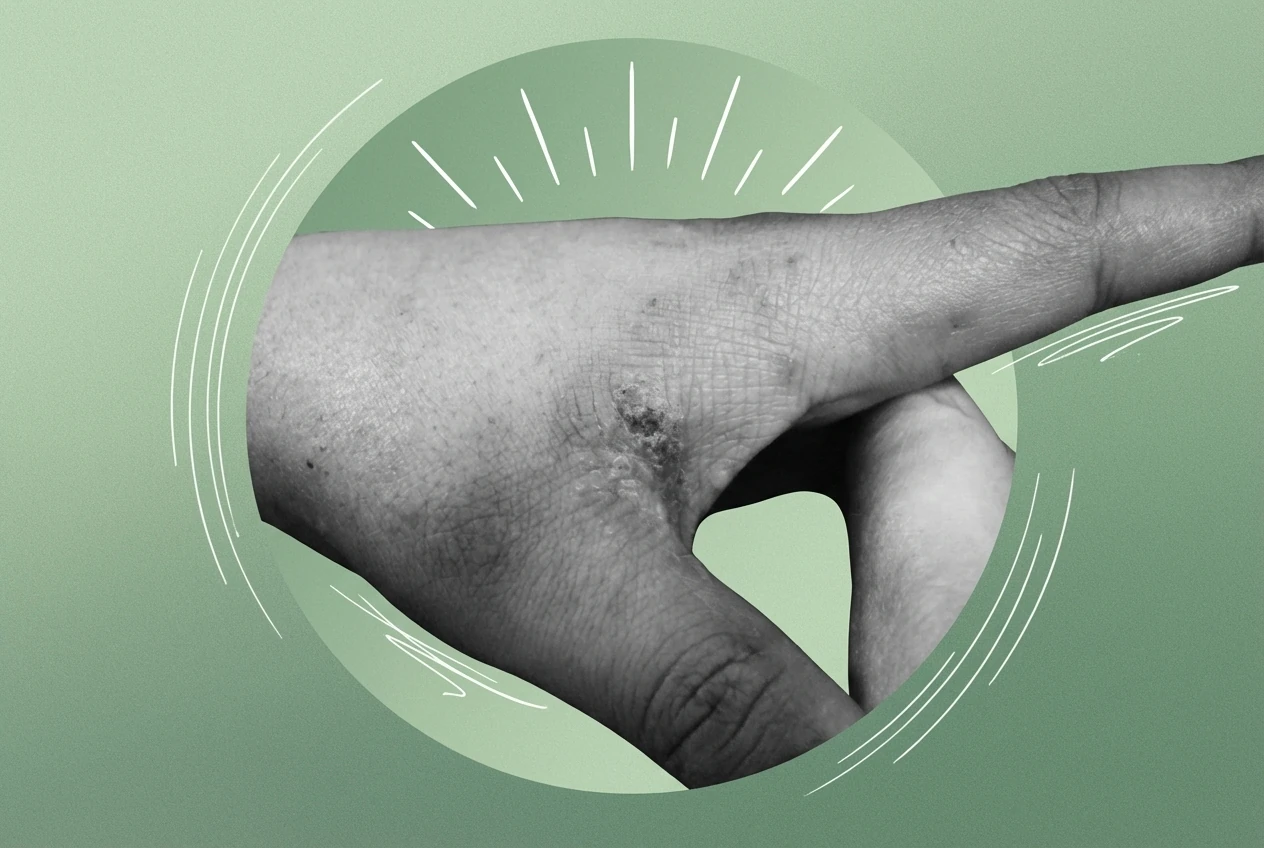
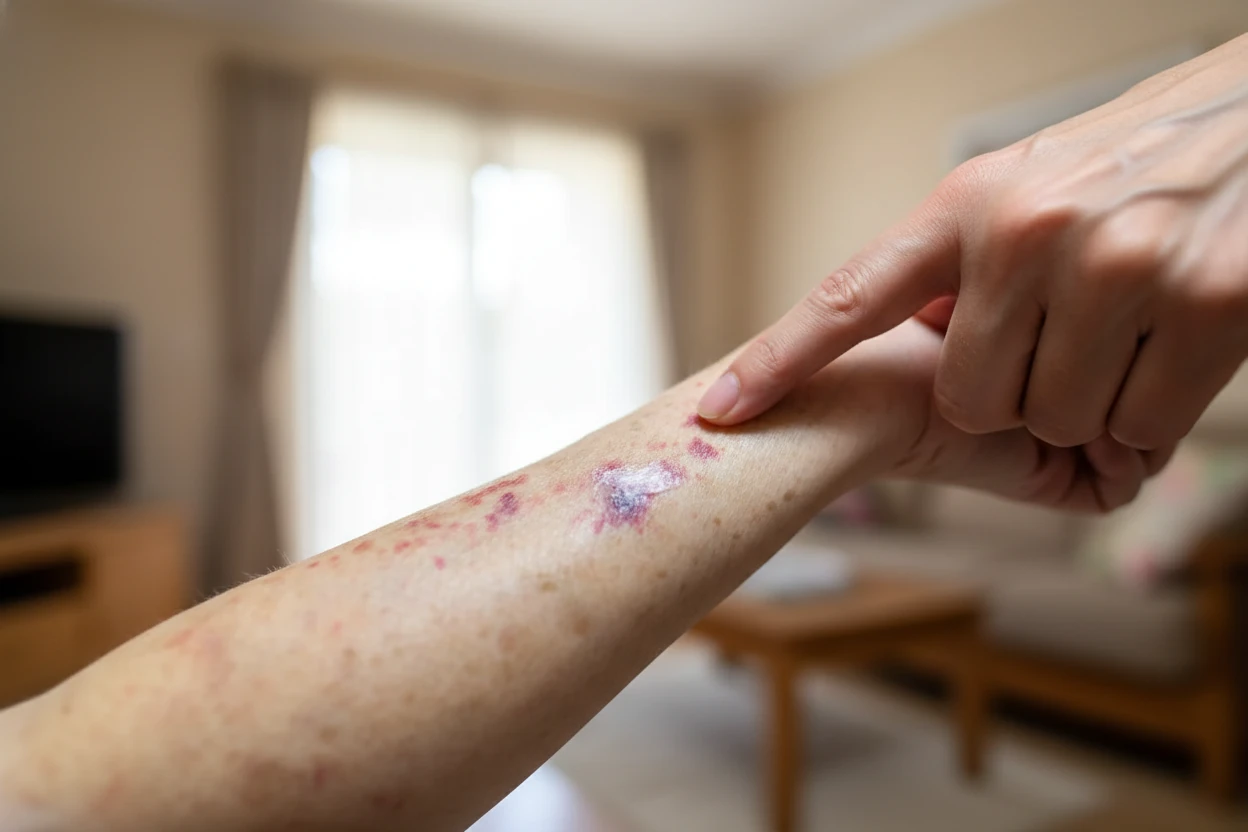
Sunburn symptoms vary depending on the severity of the burn and individual skin tone. Redness is the most common symptom, especially in fair or light skin, while darker skin may not show redness but will still feel tender4. Mild sunburn causes pain and tenderness when touched4. Moderate sunburn often leads to swelling and a sensation of heat on the skin4. Severe sunburn is marked by painful blistering and intense redness4.
Other symptoms that may accompany sunburn include headache, fever, nausea, and chills, especially in severe cases56. Fever with sunburn is a sign of a serious burn and requires medical attention4. Severe sunburn can also lead to dehydration, shock, or heat exhaustion, which presents with symptoms such as dizziness, rapid heartbeat, and nausea4.
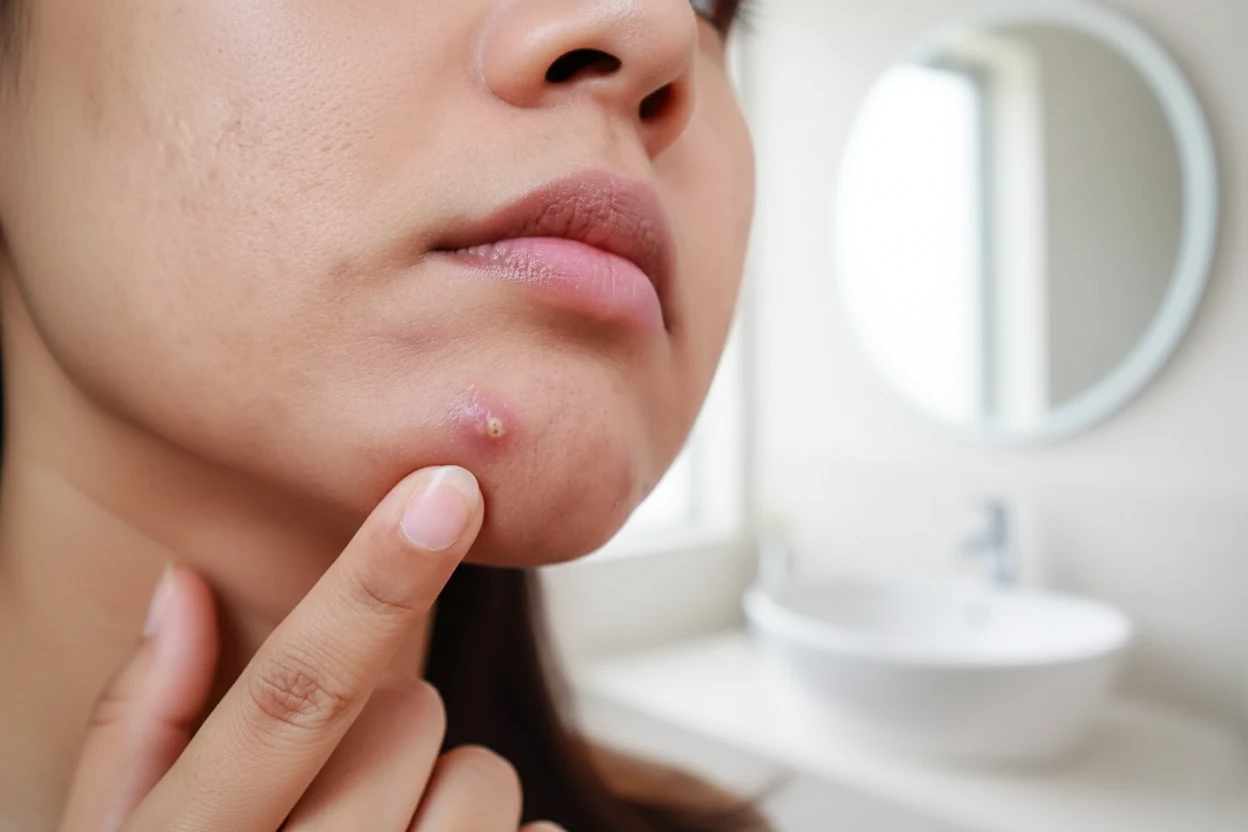
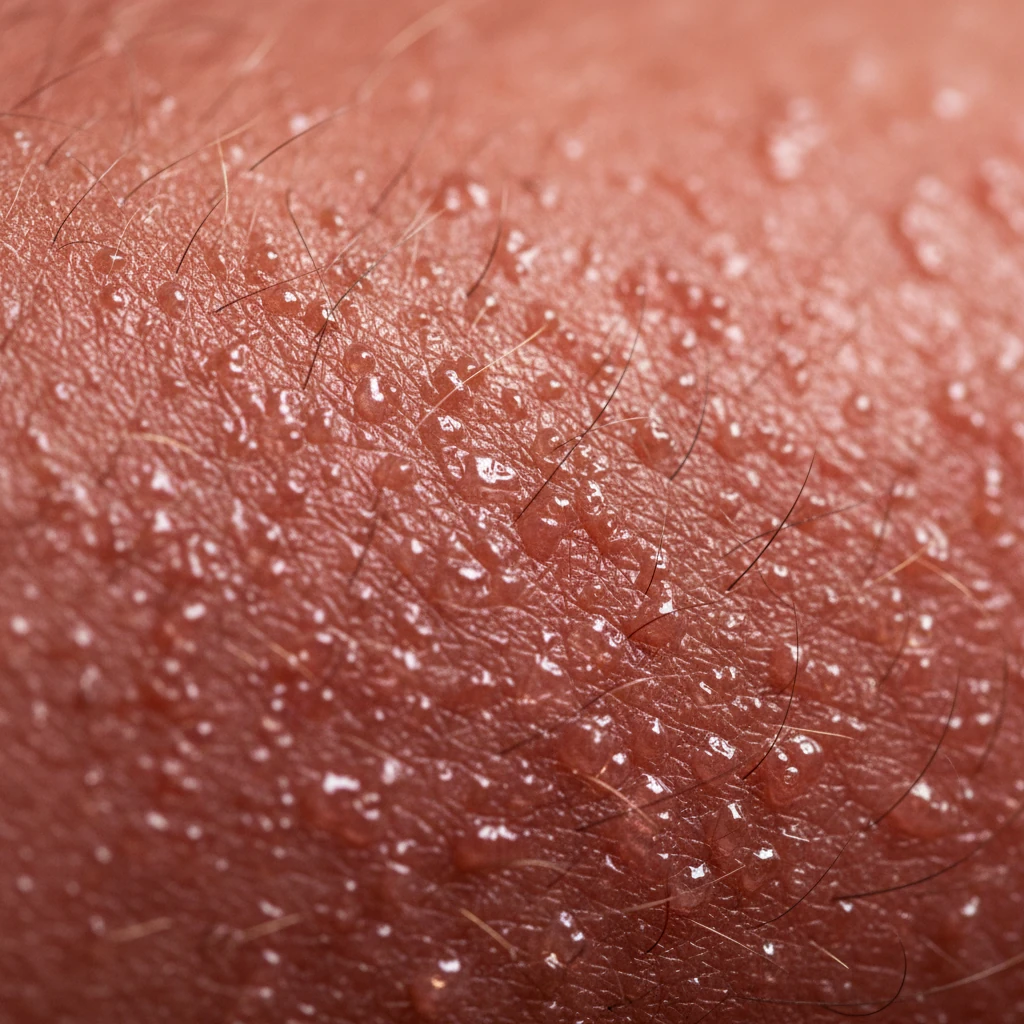
Blisters from sunburn are a sign of second-degree burns and should be left intact to prevent infection56. Signs of infection in blisters include pus, increased swelling, and tenderness, which require prompt medical care4.
“While a sunburn is often treatable at home, symptoms occasionally require additional attention by a board-certified dermatologist. Not only can a dermatologist help make you more comfortable, but it is also a good opportunity to check for signs of skin cancer.”
— Veena Vanchinathan, American Academy of Dermatology1
Effective Sunburn Treatment Steps: Immediate Care & Long-Term Relief
Treating sunburn focuses on relieving symptoms and supporting the skin’s healing process. The severity of symptoms guides treatment approaches:
- Mild sunburn causes pain and tenderness, which can be managed with over-the-counter pain relievers and skin care4.
- Moderate sunburn may cause swelling and warmth, requiring more attentive skin care and hydration4.
- Severe sunburn involves painful blistering and extreme redness, often needing medical attention4.
Immediate first aid for sunburn includes:
- Getting out of the sun to prevent further UV damage5.
- Cooling the skin with cold compresses or a cool shower to reduce heat and inflammation45.
- Applying moisturizer to damp skin to lock in moisture and soothe irritation45.
- Taking non-steroidal anti-inflammatory drugs (NSAIDs) such as ibuprofen or acetaminophen to reduce pain and swelling45.
- Drinking plenty of fluids to prevent dehydration45.
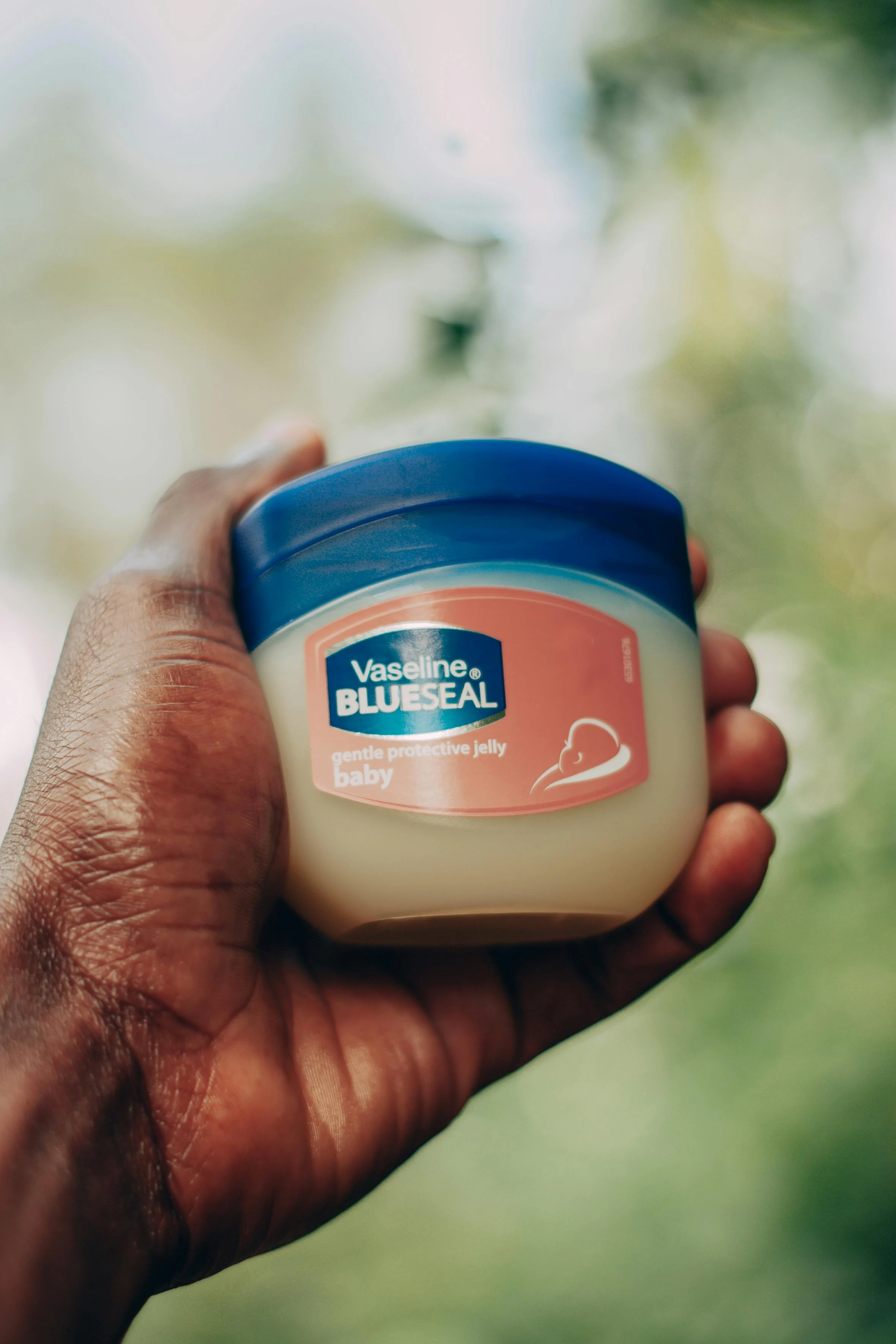
Avoid petroleum- or oil-based ointments as they can trap heat and worsen the burn4. Large areas of blistering, fever, or signs of infection require prompt medical evaluation45.
If you've been sunburned, you'll notice symptoms within a few hours of excessive sun exposure. The affected skin will be painful, inflamed, and hot to the touch5.
Soothing Sunburn for Faster Healing: Home Remedies & Medical Options
To soothe sunburn and promote faster healing, several supportive measures can be taken:
- Use cool compresses or take cool baths to relieve pain and reduce inflammation47.
- Apply fragrance-free aloe vera or shea butter to hydrate and soothe the skin47.
- Use over-the-counter hydrocortisone cream (1%) to reduce itching, swelling, and inflammation47.
- Avoid exfoliating or picking at peeling skin to prevent further irritation or infection4.
- Maintain hydration by drinking plenty of water, as sunburn can cause dehydration and hydrated skin recovers more quickly47.
Peeling skin is a natural process where the body sheds UV-damaged cells to prevent DNA mutations that could lead to skin cancer48. It is important to protect healing skin from further sun exposure by covering up and using sunscreen4.
Peeling skin is your body's way of shedding damaged cells after sunburn. Avoid picking at peeling skin to prevent infection and allow new skin to form naturally4.
Sunburn Prevention Tips: Protecting Your Skin from UV Damage
Preventing sunburn is the best way to avoid painful skin damage and reduce the risk of long-term complications such as skin cancer4. The American Cancer Society recommends the following measures:
- Wear protective clothing such as long sleeves, pants, and wide-brimmed hats to shield skin from UV rays4.
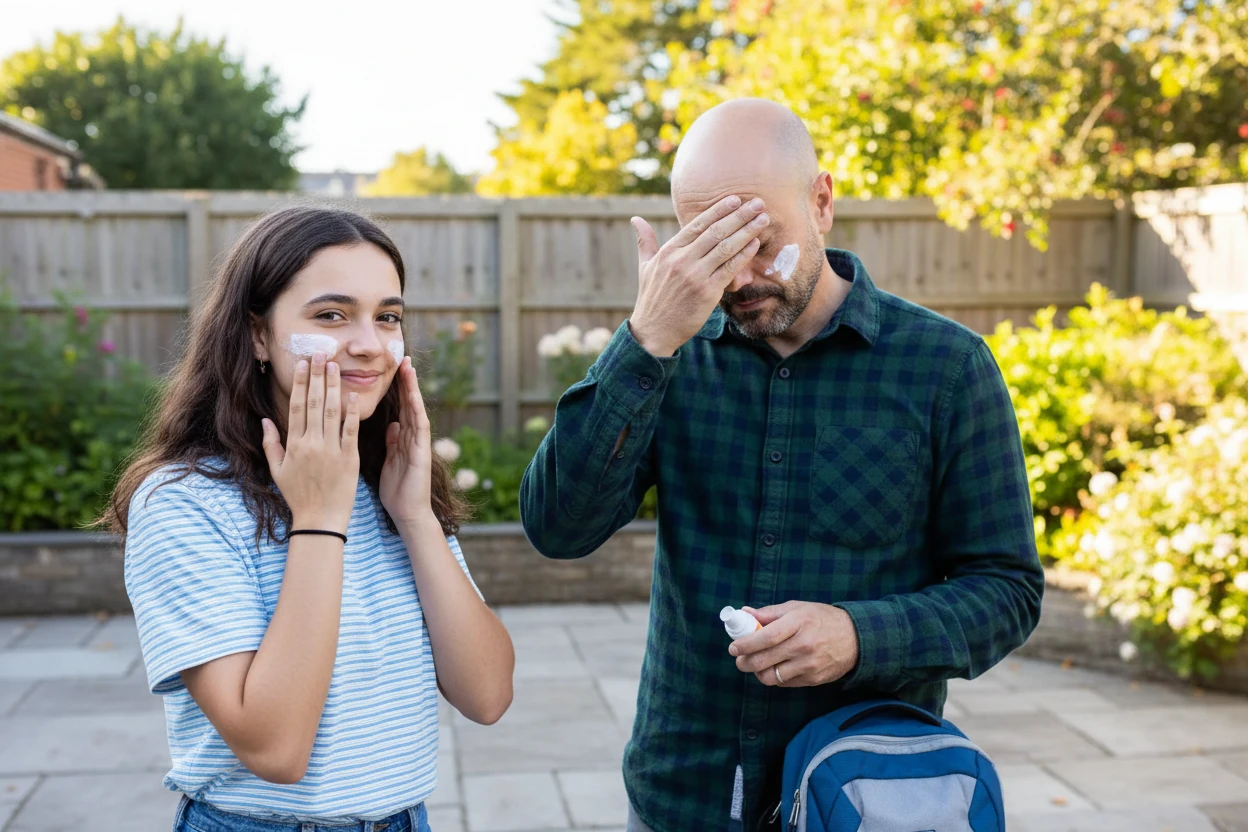
- Apply broad-spectrum sunscreen with an SPF of 30 or higher at least 15 to 30 minutes before sun exposure and reapply every two hours, or more often if swimming or sweating49.
- Seek shade, especially between 10 a.m. and 4 p.m., when UV radiation is strongest4.
- Wear sunglasses that block both UVA and UVB rays to protect your eyes4.
- Avoid tanning beds and prolonged sun exposure1.
These steps help minimize UV damage and reduce the likelihood of sunburn and its associated risks4.
Key Takeaways: Sunburn Recovery & Prevention Essentials
- Sunburn is caused by overexposure to UVB radiation, leading to skin inflammation, DNA damage, and increased skin cancer risk48.
- Symptoms usually appear within hours, peak at 24 hours, and mild burns heal in 3 to 5 days, while severe burns may take up to two weeks43.
- Treatment involves cooling the skin, moisturizing, taking pain relievers, and staying hydrated; severe burns with blisters or systemic symptoms require medical attention45.
- Peeling skin is a natural healing process; avoid picking to prevent infection and support recovery4.
- Prevention through protective clothing, sunscreen, and shade is essential to avoid sunburn and its long-term effects41.