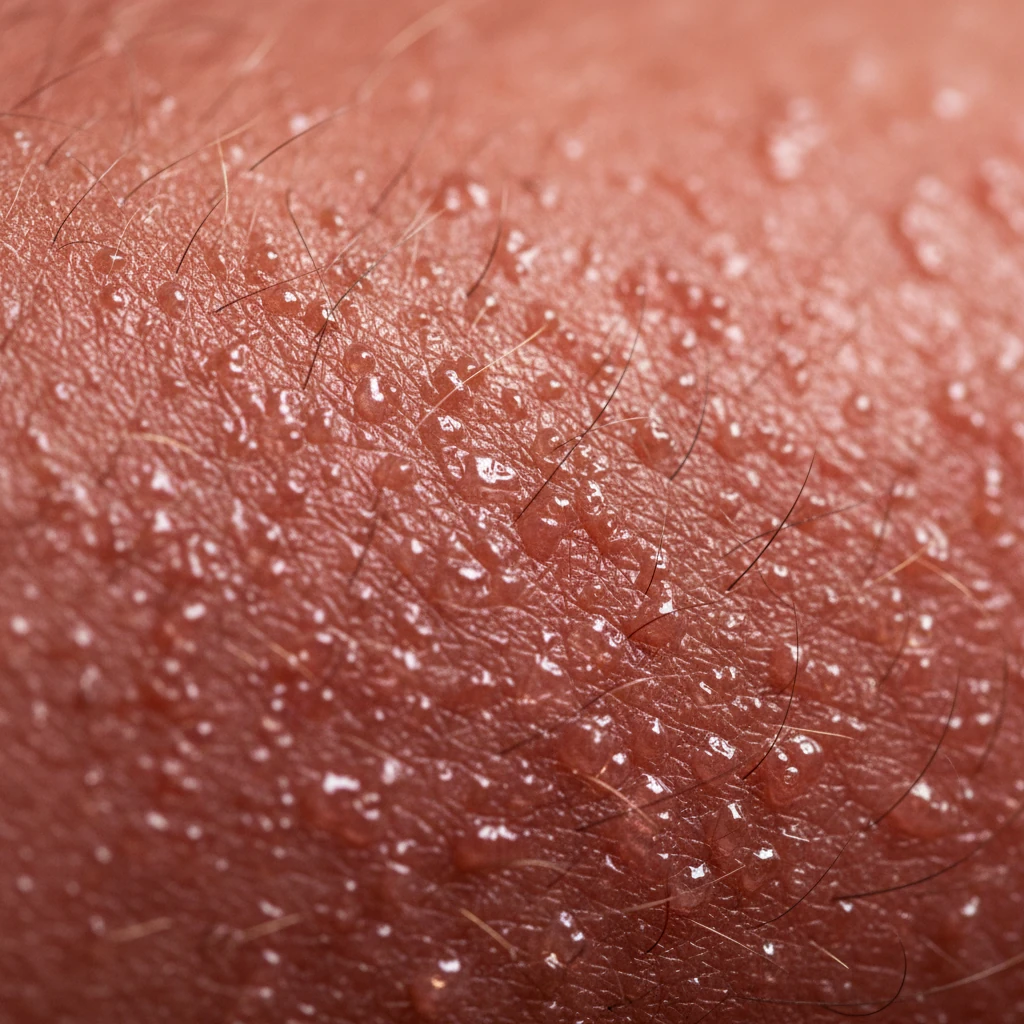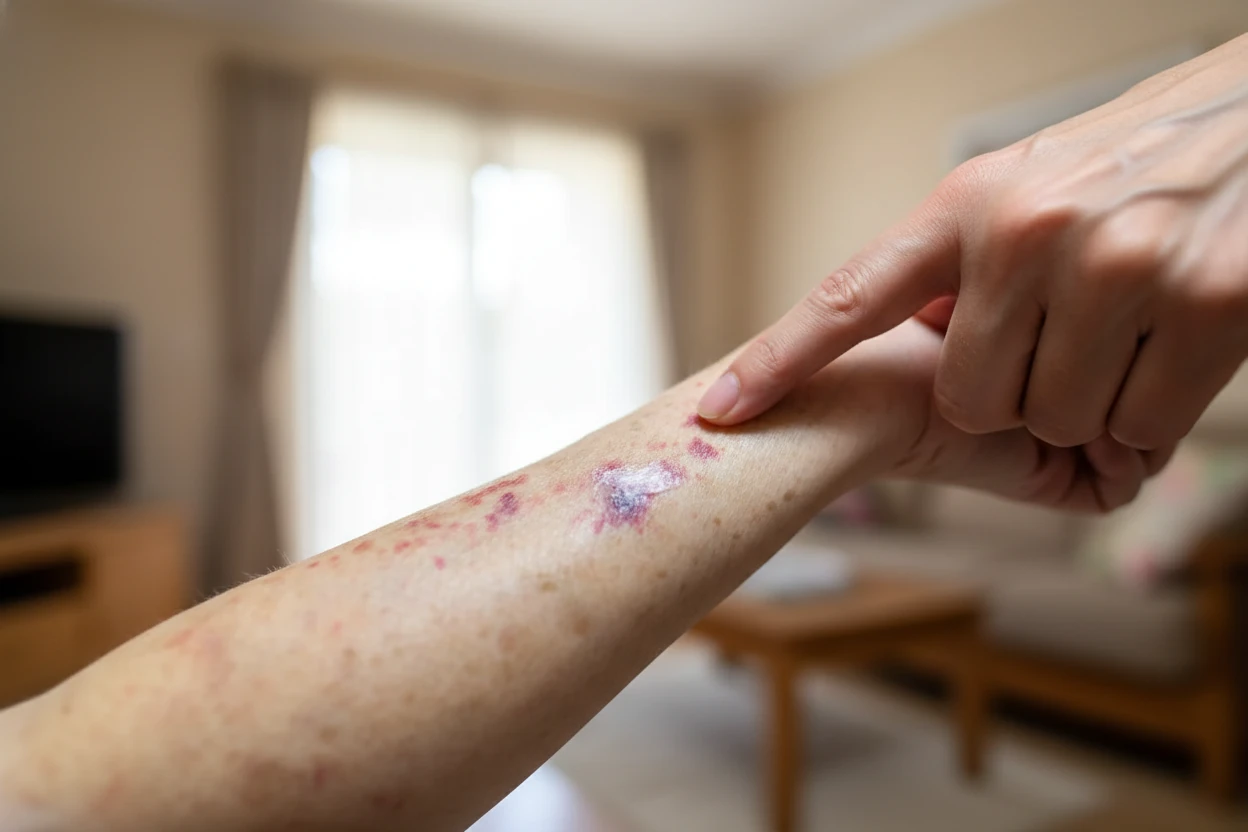
Sun poisoning is a severe reaction to ultraviolet (UV) light overexposure that goes far beyond a typical sunburn. It can cause intense skin rash, blistering, peeling, and flu-like symptoms such as fever, chills, and nausea1. Those most at risk include fair-skinned individuals, children, people on certain medications, and those who spend long hours outdoors without protection2. Understanding the types, symptoms, causes, and treatments of sun poisoning is essential for effective management and prevention.
Types of Sun Poisoning
Sun poisoning primarily results from excessive exposure to ultraviolet radiation, which damages the skin and triggers inflammatory and immune responses. Two main types of drug-induced photosensitivity reactions contribute to sun poisoning: photoallergic and phototoxic reactions3.
Photoallergic Reactions
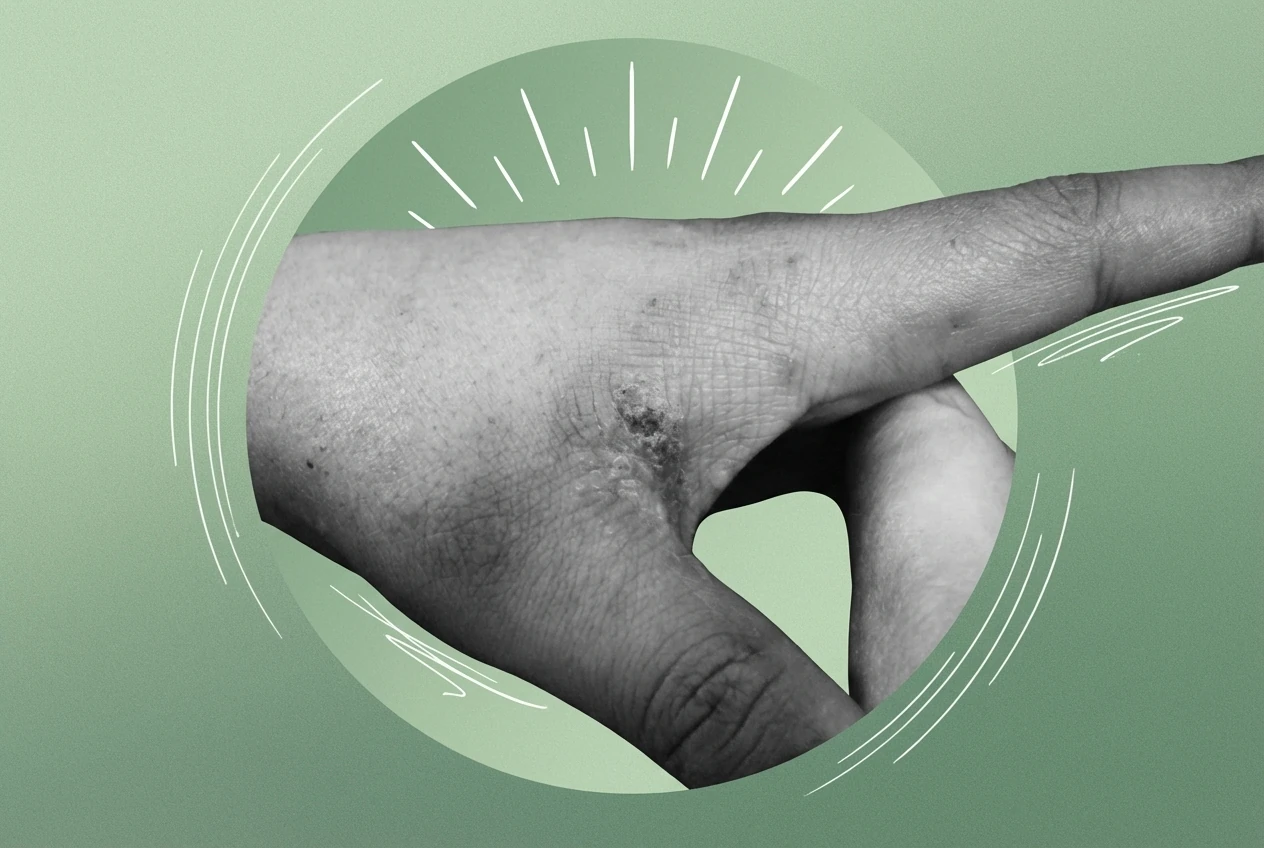
Photoallergic reactions occur when ultraviolet light activates an immune response due to the presence of photosensitizing drugs or chemicals3. This immune-mediated reaction typically presents as an eczematous rash rather than the typical sunburn redness3. The severity and presentation of these reactions vary depending on the chemical agent involved and individual susceptibility4. Common triggers include certain systemic drugs such as hormonal contraceptives and retinoids like isotretinoin, which increase skin sensitivity to UV radiation45.
Phototoxic Reactions
Phototoxicity is caused by drugs that absorb UV light and directly damage skin cells, leading to inflammation4. Unlike photoallergic reactions, phototoxic reactions do not involve the immune system but result from chemical-induced skin injury3. Phototoxic reactions can occur with minimal sun exposure and often mimic an exaggerated sunburn, characterized by redness, swelling, and pain34. Common phototoxic drugs include tetracyclines and amiodarone6. These reactions require only small doses of UV radiation to trigger skin damage4.
Sun Poisoning Symptoms
Sun poisoning symptoms overlap with those of severe sunburn but are generally more intense and may include systemic signs7. The affected skin areas typically experience redness, pain, and tenderness, often progressing to blistering or peeling78. Systemic symptoms may include fever, chills, nausea, dehydration, fatigue, headache, dizziness, or fainting18.
Symptoms usually appear within hours of UV exposure but can be delayed up to 24 hours78. The rash may be severe and accompanied by swelling and intense pain9. Blistering indicates a second-degree burn and requires medical attention7.
Causes of Sun Poisoning
Sun poisoning results from excessive exposure to ultraviolet radiation, primarily UVB and UVA rays, which damage the DNA in skin cells and trigger inflammatory responses1011. UVB radiation mainly causes DNA damage leading to sunburn, while UVA contributes more to skin aging7. Photosensitizing drugs and certain medical treatments can increase susceptibility to sun poisoning by making the skin more sensitive to UV radiation34.
Risk Factors
Several factors increase the risk of developing sun poisoning:
- Fair skin and light hair color, which offer less natural protection against UV rays2.
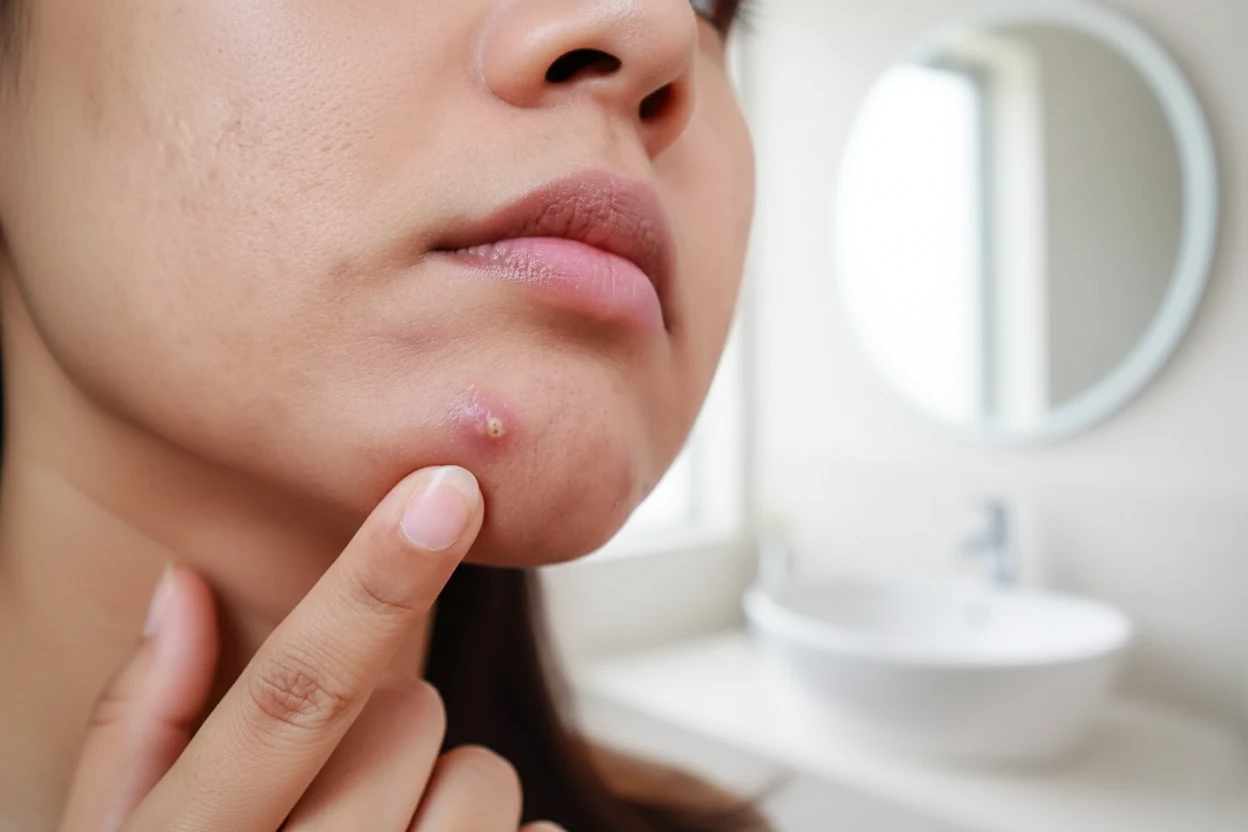
- Use of photosensitizing medications such as retinoids, tetracyclines, hormonal contraceptives, NSAIDs, and certain mcv blood test results meaning and normal range pressure drugs342.
- Spending extended time outdoors during peak UV hours, typically between 10 a.m. and 4 p.m.72.
- Living at higher altitudes or closer to the equator, where UV radiation intensity is greater72.
- Use of tanning beds, which emit harmful UV radiation comparable to prolonged sun exposure72.
- Having a family history of skin cancer or pre-existing skin conditions that increase photosensitivity2.
- Infants and children with more sensitive skin2.
Diagnosing Sun Poisoning
Diagnosis of sun poisoning is primarily clinical, based on history and physical examination7. The healthcare provider assesses the severity of skin damage, presence of blistering, and systemic symptoms such as fever or dehydration7. Palpation of the affected skin helps evaluate inflammation, swelling, and temperature7. Sun poisoning is distinguished from mild sunburn by the intensity of symptoms and the presence of systemic signs7.
Risk factors such as duration of sun exposure, altitude, and use of photosensitizing drugs are considered during diagnosis73. Sunburn and sun poisoning can affect individuals of all skin types, although fair-skinned people are at higher risk7.
Sun Poisoning Treatment
Treatment depends on the severity of the sun poisoning. Mild cases can often be managed at home, while severe cases require medical evaluation78.
“Sun poisoning isn't exactly a medical diagnosis. Also, sun poisoning doesn't involve actual poison. Instead, it's a lay term for a really, really bad sunburn.”
— Mary L. Stevenson, NYU Langone Health8
Home care for mild sun poisoning includes:
- Immediate cessation of sun exposure to prevent further damage7.
- Applying cool water or compresses to soothe the skin8.
- Using aloe vera gel or thick moisturizers to reduce inflammation and discomfort8.
- Taking nonsteroidal anti-inflammatory drugs (NSAIDs) such as ibuprofen to relieve pain and inflammation78.
- Drinking plenty of fluids to prevent dehydration8.
Severe sun poisoning with blistering, systemic symptoms, or dehydration requires prompt medical attention78. Treatment may include:
- Intravenous (IV) fluids to manage dehydration and electrolyte imbalance7.
- Prescription medications such as steroid creams or oral steroids to reduce inflammation9.
- Pain management with stronger analgesics if needed9.
- Antibiotics to prevent or treat skin infections if blisters rupture2.
- Specialized care in a burn center for extensive or second-degree burns7.
Sun Poisoning Prevention
Preventing sun poisoning involves adopting sun safety measures to reduce UV exposure and protect the skin72. Key prevention strategies include:
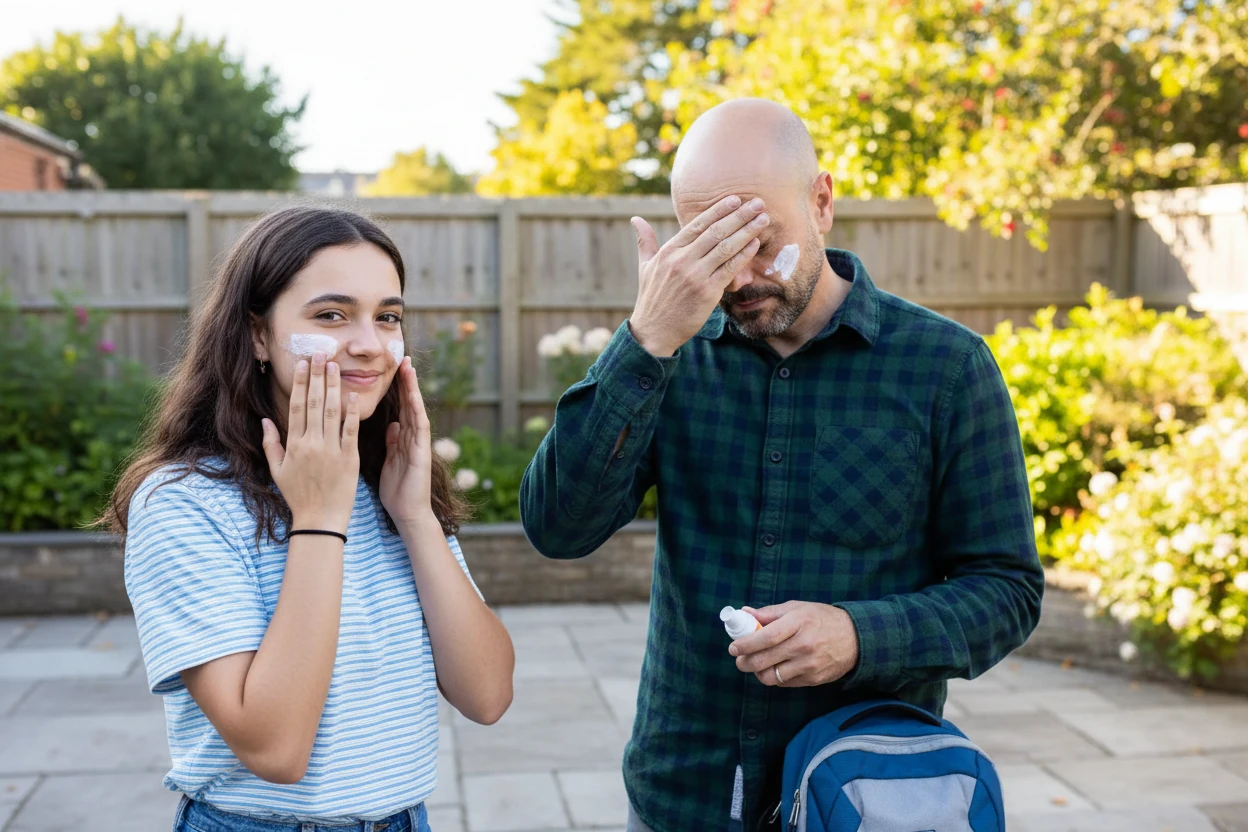
- Using broad-spectrum sunscreen with a sun protection factor (SPF) of 30 or higher to block UVA and UVB rays72.
- Applying sunscreen generously at least 15 minutes before sun exposure and reapplying every two hours or after swimming or sweating72.
- Wearing protective clothing such as long-sleeved shirts, pants, broad-brim hats, and UV-blocking sunglasses72.
- Choosing clothing with an ultraviolet protection factor (UPF) rating, ideally UPF 50, for added protection2.
- Avoiding sun exposure during peak UV hours, typically from 10 a.m. to 4 p.m.72.
- Seeking shade when outdoors and limiting time spent in direct sunlight7.
- Avoiding the use of tanning beds, which emit carcinogenic UV radiation72.
Sun Poisoning Complications
Severe sun poisoning can lead to complications that require medical attention. These include:
- Dehydration due to fluid loss from blistering and skin damage72.
- Skin infections, especially if blisters rupture and the skin is exposed2.
- Increased risk of skin cancer, including melanoma and non-melanoma types, especially with repeated severe sunburns in youth10117.
- Premature skin aging caused by cumulative UV damage12.
- Potential for shock in extreme cases of dehydration or systemic involvement2.
Key Takeaways
- Sun poisoning is a severe sunburn caused by excessive UV exposure, often accompanied by systemic symptoms such as fever, chills, and nausea12.
- Photosensitizing drugs can increase the risk of sun poisoning by making the skin more sensitive to UV radiation34.
- Treatment includes immediate sun avoidance, skin cooling, hydration, pain relief, and medical care for severe cases78.
- Prevention relies on broad-spectrum sunscreen use, protective clothing, avoiding peak sun hours, and steering clear of tanning beds72.
- Repeated sunburns and sun poisoning significantly increase the risk of skin cancer later in life10117.