shingles-causes-and-risk-factorsshingles-causes-and-risk-factorsshingles-diagnosis-tests-criteria-and-processshingles-diagnosis-tests-criteria-and-processShingles, also known as herpes zoster, affects about one in three people in the United States during their lifetime1. It results from the reactivation of the varicella-zoster virus, which causes chickenpox, and can lead to a painful rash and nerve complications1. Early treatment and proper management are essential to reduce symptoms and prevent long-term nerve pain called postherpetic neuralgia (PHN)2. Vaccination remains the most effective way to prevent shingles and its complications3.
The Importance of Early Shingles Treatment
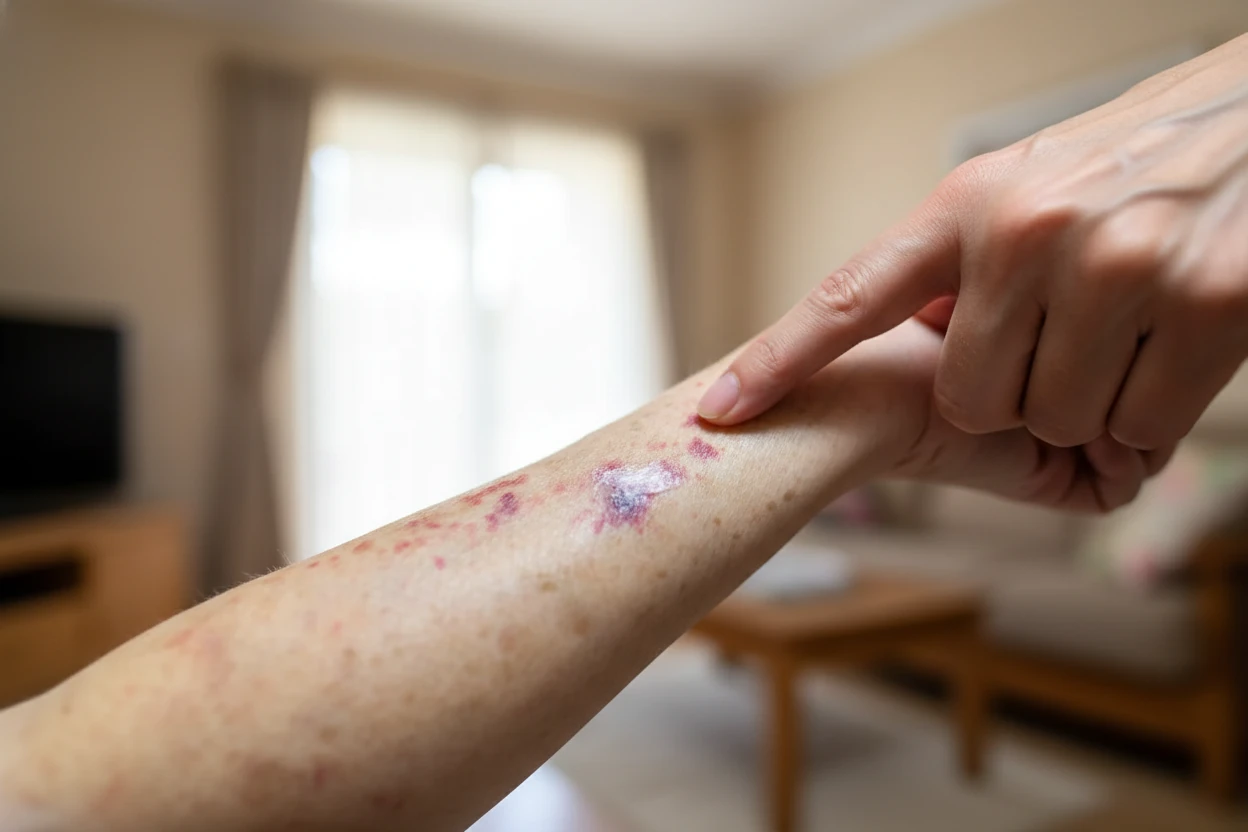
Shingles is caused by the reactivation of the varicella-zoster virus, which remains dormant in nerve cells after a chickenpox infection3. The condition typically presents with pain and a unilateral vesicular rash that affects one or more dermatomes, with symptoms usually resolving within 10 to 15 days4. About 20% of people, mainly older adults, will experience shingles in their lifetime5. The risk of complications, including PHN, increases with age and immunosuppression3.
Early recognition and treatment initiation are critical. Starting antiviral therapy within 72 hours of rash onset can reduce the duration and severity of acute pain and may decrease the risk of developing PHN6. Delayed treatment may lead to more severe symptoms, longer illness duration, and higher chances of hospitalization due to complications7. Herpes zoster ophthalmicus (HZO), involving the eye and surrounding tissues, is a medical emergency that requires urgent care to prevent vision loss8.
Shingles Medications and Antiviral Drugs
Antivirals
Antiviral medications are the cornerstone of shingles treatment. They work by inhibiting viral replication but do not affect the virus's latent state8. The three main antivirals approved for shingles are acyclovir, valacyclovir, and famciclovir9. These drugs are most effective when started within 72 hours of rash onset and are typically administered for 7 to 10 days69.
- Acyclovir is dosed five times daily and is licensed for both varicella and herpes zoster treatment92.
- Valacyclovir and famciclovir are dosed three times daily and may offer improved convenience and efficacy92.
- Early antiviral therapy reduces the severity and duration of acute pain and helps speed lesion healing62.
Antiviral treatment is especially important for patients aged 50 and older, those with moderate to severe rash or pain, and immunocompromised individuals2. In immunocompromised patients, antiviral therapy may be beneficial even if started after 72 hours and should be continued until lesions have crusted10.
Nonsteroidal Anti-inflammatory Drugs (NSAIDs)
NSAIDs and acetaminophen are commonly used to manage mild to moderate shingles pain62. These medications help reduce inflammation and provide symptomatic relief. They are often sufficient for nociceptive (tissue) pain during the acute phase of shingles2.
Opioids
For moderate to severe pain, short courses of opioids such as tramadol, oxycodone, or morphine may be prescribed2. Opioids can be used alone or in combination with non-opioid analgesics. Sustained-release opioids with short-acting agents for breakthrough pain are options for persistent severe pain2. However, opioids are generally reserved for cases where other analgesics are inadequate due to risks of dependence and side effects11.
“Antiviral therapy hastens the resolution of lesions, decreases acute pain, and helps to prevent postherpetic neuralgia, especially in elderly patients.”
— Pragya A. Nair, University of Utah12
Home Remedies for Shingles Symptoms
Wet Compresses
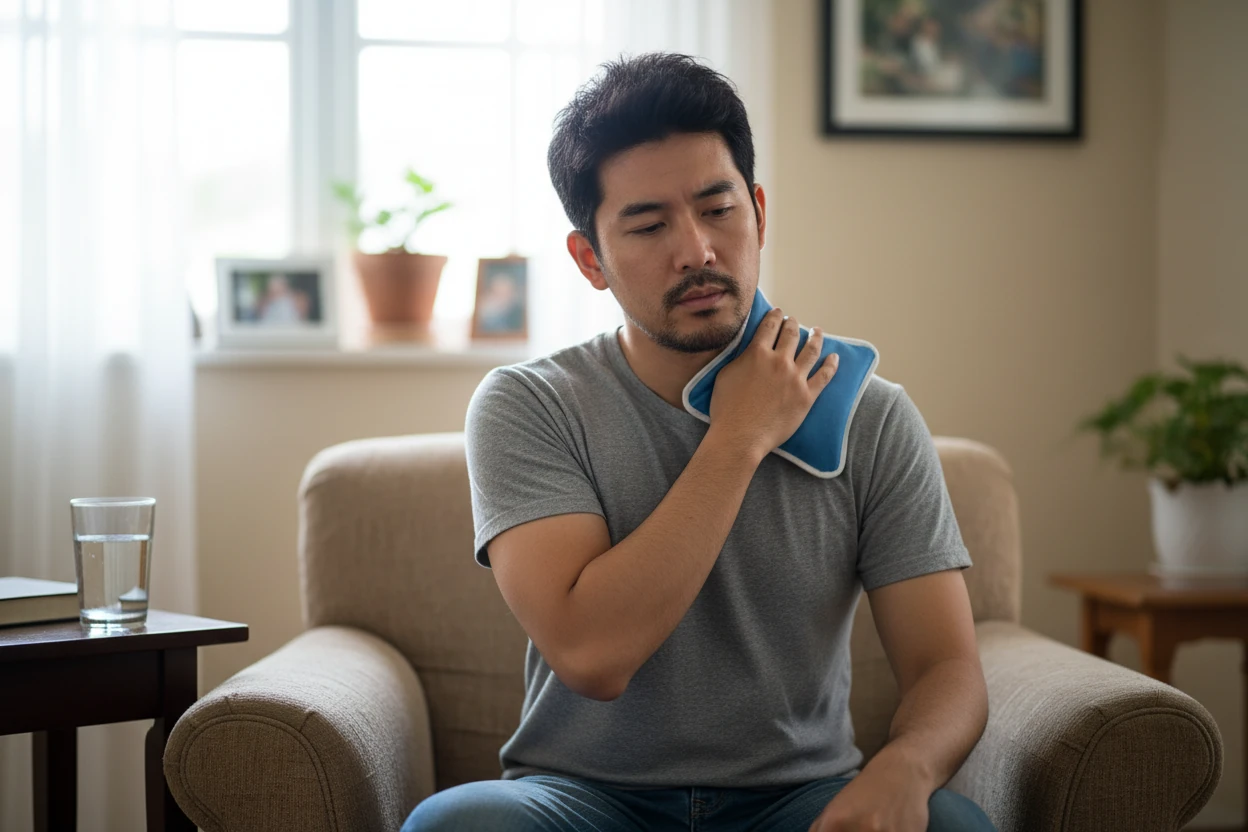
Applying cool, wet compresses to shingles blisters can help soothe itching and pain13. Burow solution (5% aluminum acetate) wet dressings applied for 30–60 minutes several times daily have been used as a mild antiseptic to prevent secondary bacterial infections14. While evidence is limited, these compresses may improve comfort during the acute phase15.
Calamine Lotion
Calamine lotion is often used to relieve itching associated with shingles13. It acts as an astringent and mild antiseptic, helping to dry out oozing blisters and reduce discomfort. However, there is no strong evidence that calamine lotion significantly alters rash healing or pain14. It is generally safe as a complementary measure after blisters have crusted.
Treating Postherpetic Neuralgia (PHN)
PHN is the most common and challenging complication of shingles, characterized by neuropathic pain persisting more than 90 days after rash onset6. This pain can be burning, electric-like, or involve allodynia (pain from normally non-painful stimuli)16. Treatment focuses on pain relief and improving quality of life6.
Anti-seizure Medications
Gabapentin and pregabalin, originally developed as anticonvulsants, are first-line treatments for PHN6. They modulate calcium channels in nerve cells to reduce neuropathic pain6. These drugs are generally well tolerated but may cause dizziness, somnolence, and peripheral edema6. Early initiation may improve outcomes2.
Tricyclic Antidepressants
Tricyclic antidepressants (TCAs), such as amitriptyline and nortriptyline, are also first-line options for PHN6. TCAs inhibit the reuptake of norepinephrine and serotonin, enhancing descending pain inhibition pathways2. They are used at lower doses than for depression to minimize side effects like sedation, dry mouth, and orthostatic hypotension6.
Topicals
Topical treatments like capsaicin cream and lidocaine patches can provide localized pain relief for PHN112. These are particularly useful for patients who prefer to avoid systemic medications or have contraindications. Capsaicin works by depleting substance P, a neurotransmitter involved in pain signaling, while lidocaine patches numb the affected skin area2.
Postherpetic neuralgia can severely impact daily life, causing persistent burning or electric pain and sensitivity to touch. Early and appropriate treatment with anticonvulsants or antidepressants can significantly improve quality of life166.
Alternative Therapies for Nerve Pain
Currently, there is no high-quality evidence supporting the use of acupuncture, moxibustion, or cupping for shingles-related pain or PHN prevention6. These therapies are not recommended as standard treatments. Patients should focus on evidence-based pharmacologic and topical options for managing nerve pain.
Preventing Shingles and Nerve Complications
Vaccination is the most effective method to prevent shingles and its complications, including PHN3. The recombinant zoster vaccine (RZV, Shingrix) is recommended for immunocompetent adults aged 50 years and older, as well as certain immunocompromised individuals aged 19 and older310. The vaccine boosts immunity against varicella-zoster virus reactivation, reducing the incidence and severity of shingles3.
- RZV is administered as a two-dose series, 2 to 6 months apart for most adults13.
- Immunocompromised patients may receive the second dose 1 to 2 months after the first3.
- Vaccination is advised even for those with a history of shingles to reduce recurrence risk3.
- Side effects are generally mild and include injection site pain, fatigue, headache, and muscle pain lasting 2 to 3 days13.
The shingles vaccine is highly effective, with over 90% efficacy in preventing shingles and postherpetic neuralgia in older adults. Vaccination remains the best defense against this painful disease173.
Managing Shingles and Daily Life
Most shingles cases resolve within 10 to 15 days without hospitalization4. Patients can usually continue daily activities as tolerated, adjusting for pain and discomfort13. Maintaining good hygiene and wound care helps prevent secondary bacterial infections15. Patients should avoid contact with high-risk individuals, such as pregnant women without chickenpox immunity, premature infants, and immunocompromised persons, until blisters have crusted over1.
If shingles affects the face or eyes, urgent medical attention is necessary to prevent serious complications like vision loss818. In such cases, intravenous antiviral therapy and specialist consultation may be required18.
Pain management should be individualized, starting with non-opioid analgesics and escalating to opioids or neuropathic pain agents as needed2. Emotional support and regular follow-up are important, especially for patients who develop PHN15.
| Stage | Recommended Actions | Notes |
|---|---|---|
| Acute shingles | Start antivirals within 72 hours | Reduces pain and rash duration6 |
| Mild pain | Use acetaminophen or NSAIDs | First-line for nociceptive pain2 |
| Moderate to severe pain | Consider opioids or neuropathic agents | Use opioids cautiously2 |
| PHN | Gabapentin, pregabalin, TCAs, topicals | Focus on neuropathic pain relief6 |
| Sources:2611 | ||
Key Takeaways
- Early antiviral treatment within 72 hours of rash onset reduces shingles severity and risk of PHN6.
- Acyclovir, valacyclovir, and famciclovir are effective antivirals approved for shingles treatment9.
- Pain management includes NSAIDs, opioids, anticonvulsants, and antidepressants depending on severity2.
- Postherpetic neuralgia requires specialized neuropathic pain treatments like gabapentin and TCAs6.
- Vaccination with recombinant zoster vaccine is the best prevention method and is recommended for adults 50 years and older3.