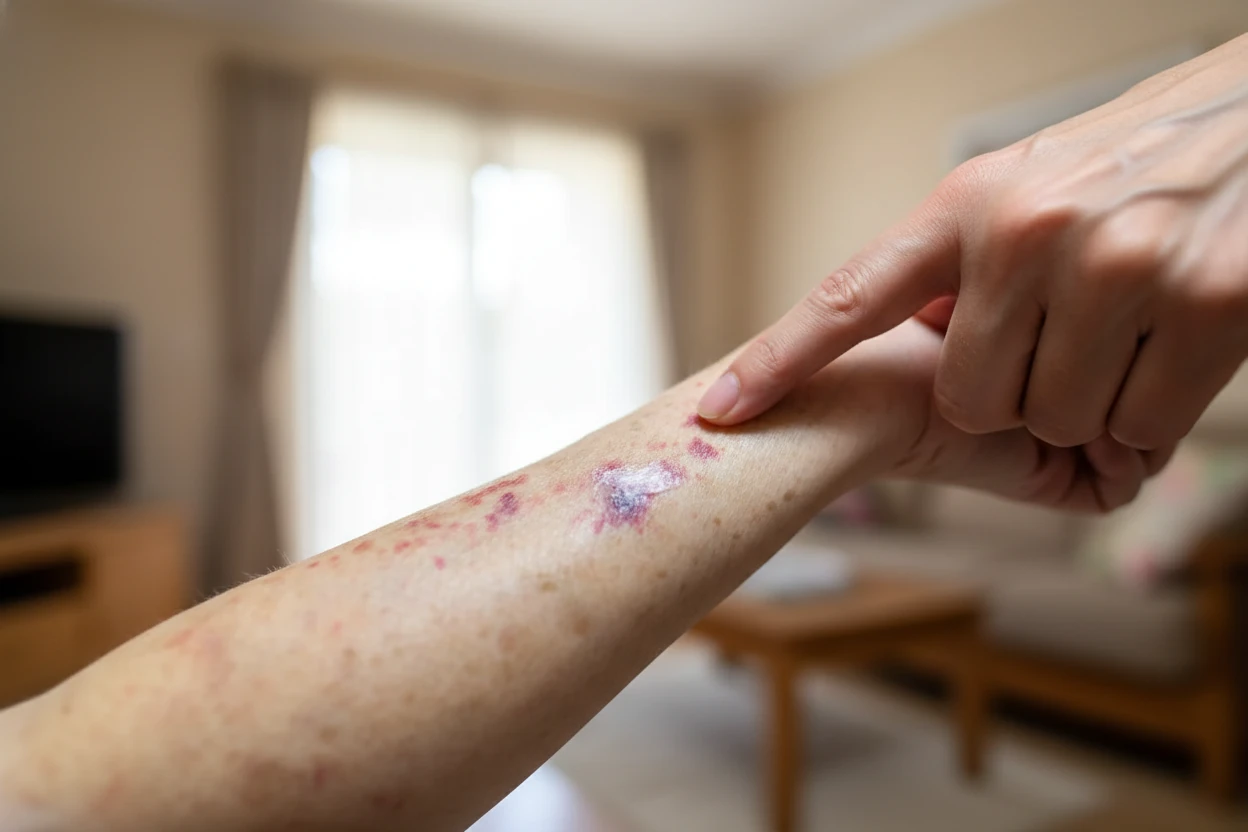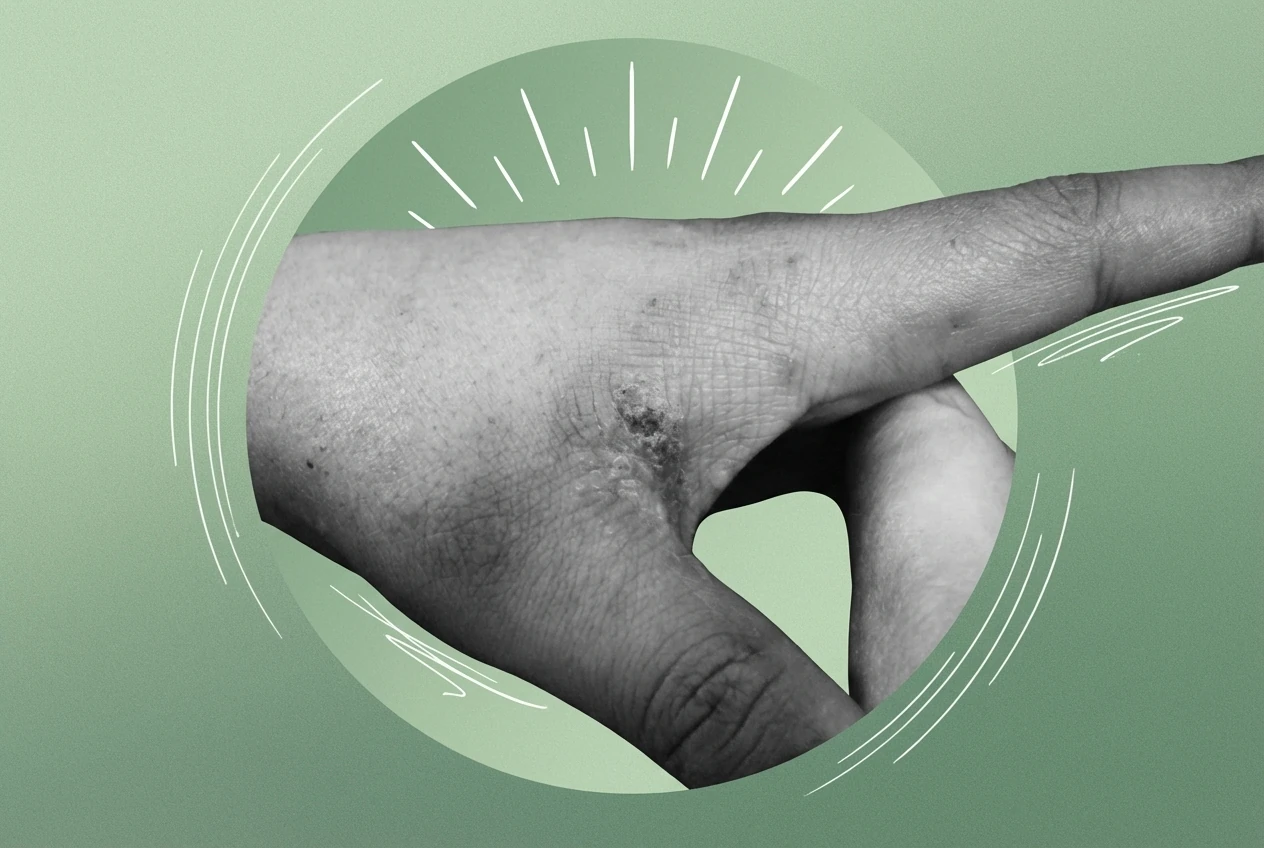
Scabies is a highly contagious skin condition caused by the mite Sarcoptes scabiei var. hominis, affecting over 200 million people worldwide each year1. The infestation leads to intense itching and rash, which can cause significant discomfort and secondary bacterial infections if untreated2. Effective treatment involves prescribed medications combined with environmental control measures to prevent reinfestation and manage symptoms1.
Scabies Medications
Treatment of scabies requires the use of prescription scabicides, which are medications designed to kill the mites and their eggs3. Over-the-counter products are not approved for scabies treatment and are ineffective4. The mainstay of therapy includes topical agents and oral medications, chosen based on the severity of infestation, patient age, pregnancy-after-menopause-possibility-and-optionspregnancy-after-menopause-possibility-and-optionspregnancy status, and treatment response5.
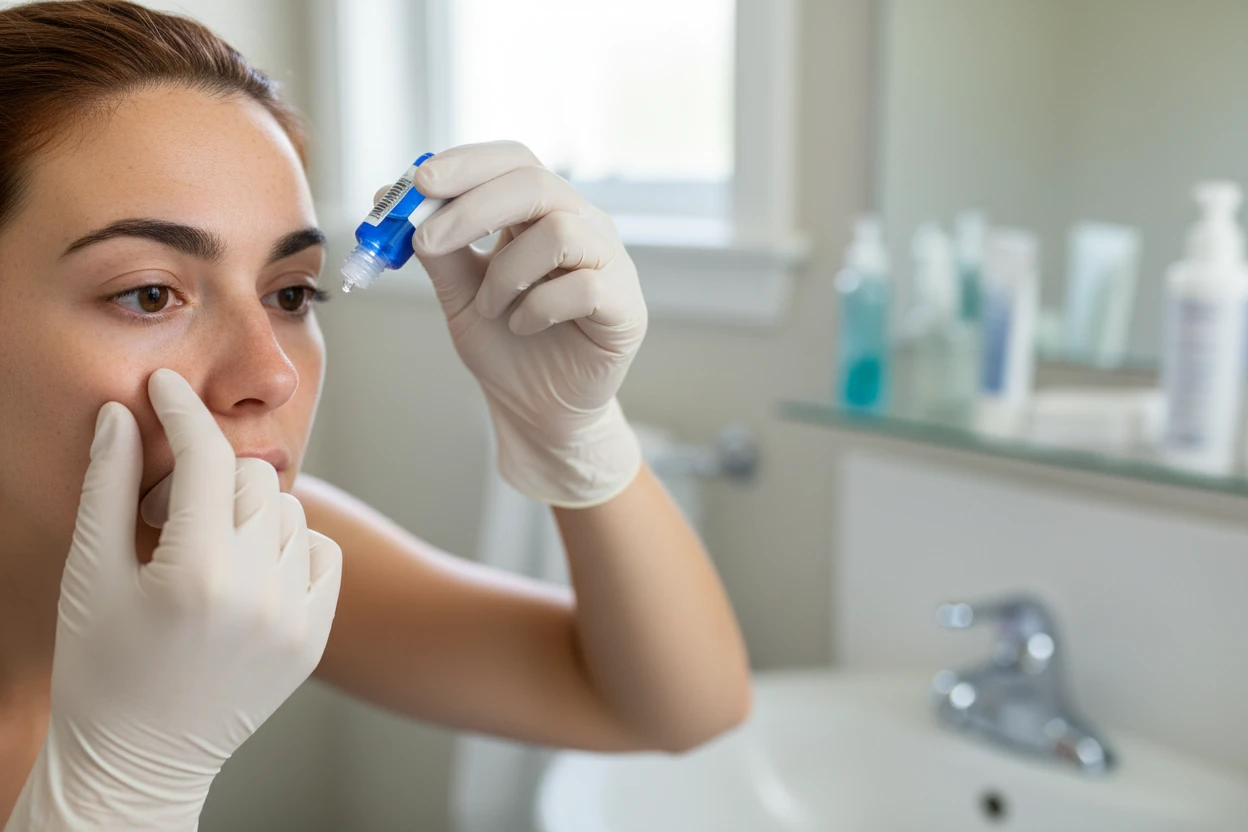
Topical scabicides must be applied thoroughly to all affected skin areas for optimal efficacy5. The skin should be clean and dry prior to application, and treatment should cover the entire body from the neck down, including skin folds, crevices, and under nails5. In infants and elderly patients, the scalp and face are also treated due to mite distribution patterns6. Care must be taken to avoid mucous membranes such as the eyes and mouth to prevent irritation5.
Treatment regimens usually involve two applications spaced one week apart to eradicate both mites and newly hatched eggs7. Failure to apply medication correctly or reinfestation from untreated contacts or contaminated environments are common causes of treatment failure8.