Red dots on the skin are a common concern that can arise from various causes, ranging from harmless irritations to serious medical conditions1. These spots may appear as small red, purple, or brownish marks and can signal infections, allergic reactions, or vascular issues2. Understanding the appearance, causes, and treatment options is essential for proper care and timely medical intervention3.
Appearance of Skin Red Dots
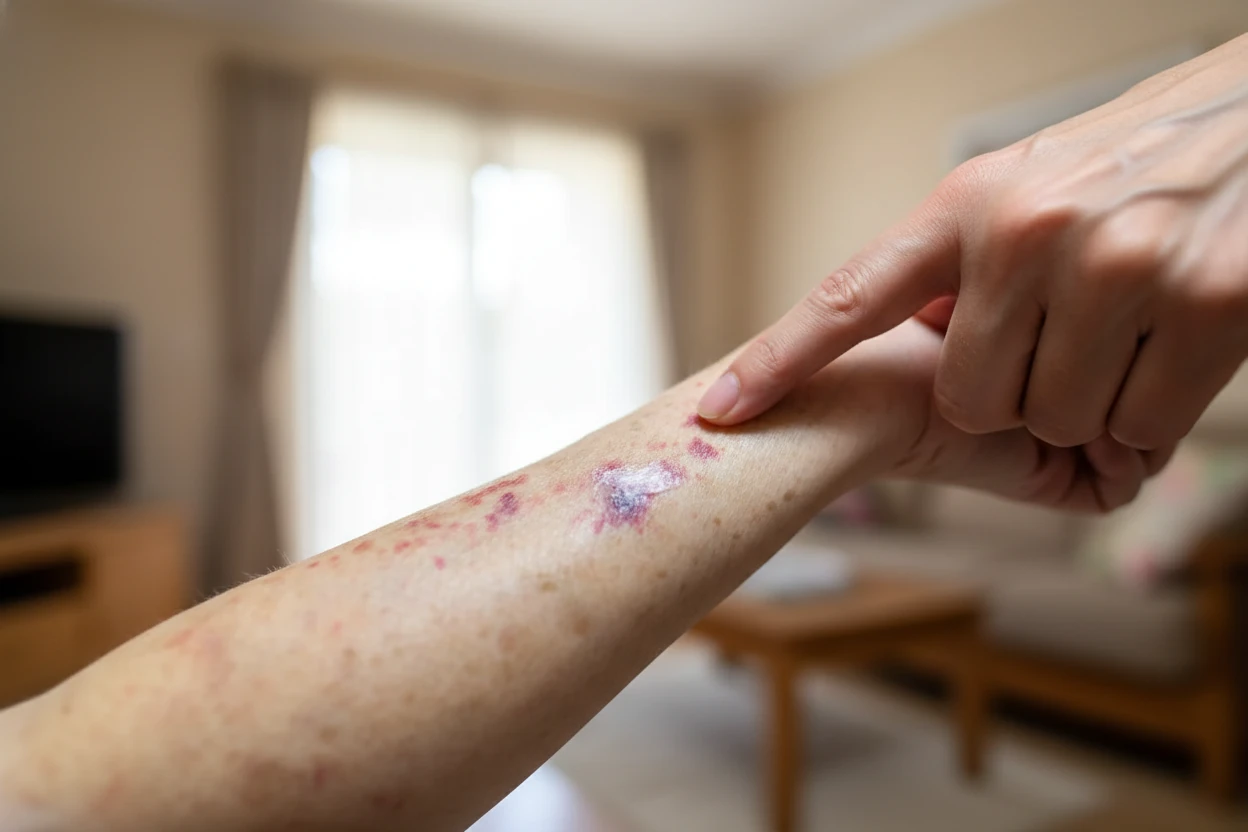
Red dots on the skin can vary widely in size, shape, color, and distribution depending on the underlying cause3. The color may range from bright red to purplish or darker hues, especially in individuals with darker skin tones where lesions may appear purple or brownish rather than bright red4. These skin lesions can be acute or chronic, with some conditions like eczema and psoriasis following a relapsing-remitting course characterized by flare-ups and symptom-free intervals5.
Certain infections such as varicella-zoster virus (shingles) present with vesicular red lesions that crust over, commonly affecting the trunk and face6. Psoriasis lesions often appear as red or purple plaques, which may be more noticeable in darker-skinned individuals3. Symptoms associated with eczema include pruritus (itching), erythema (redness), edema (swelling), and scaling5.
Common Causes of Red Dots
Red dots on the skin can result from a broad range of causes including infections, inflammatory diseases, vascular abnormalities, trauma, and systemic illnesses31. Below are some common and less common causes:
Acne Vulgaris
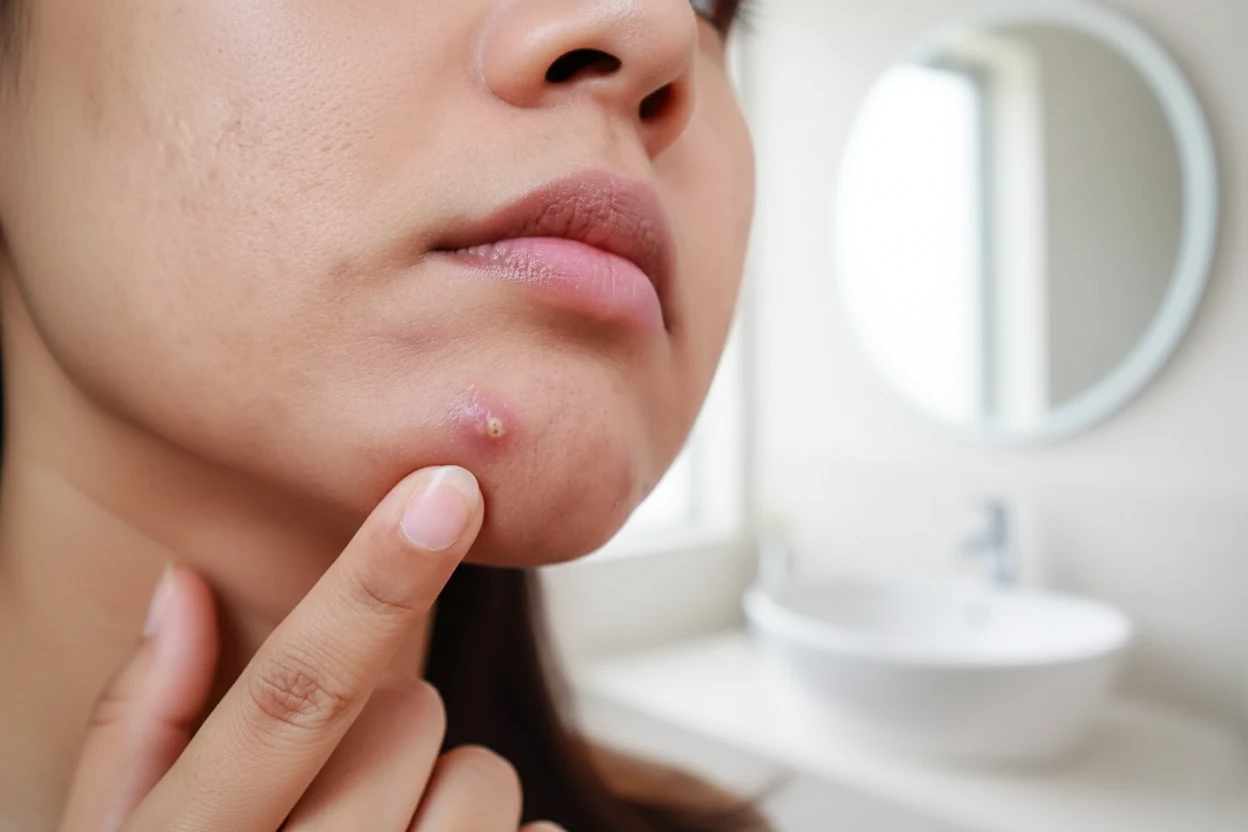
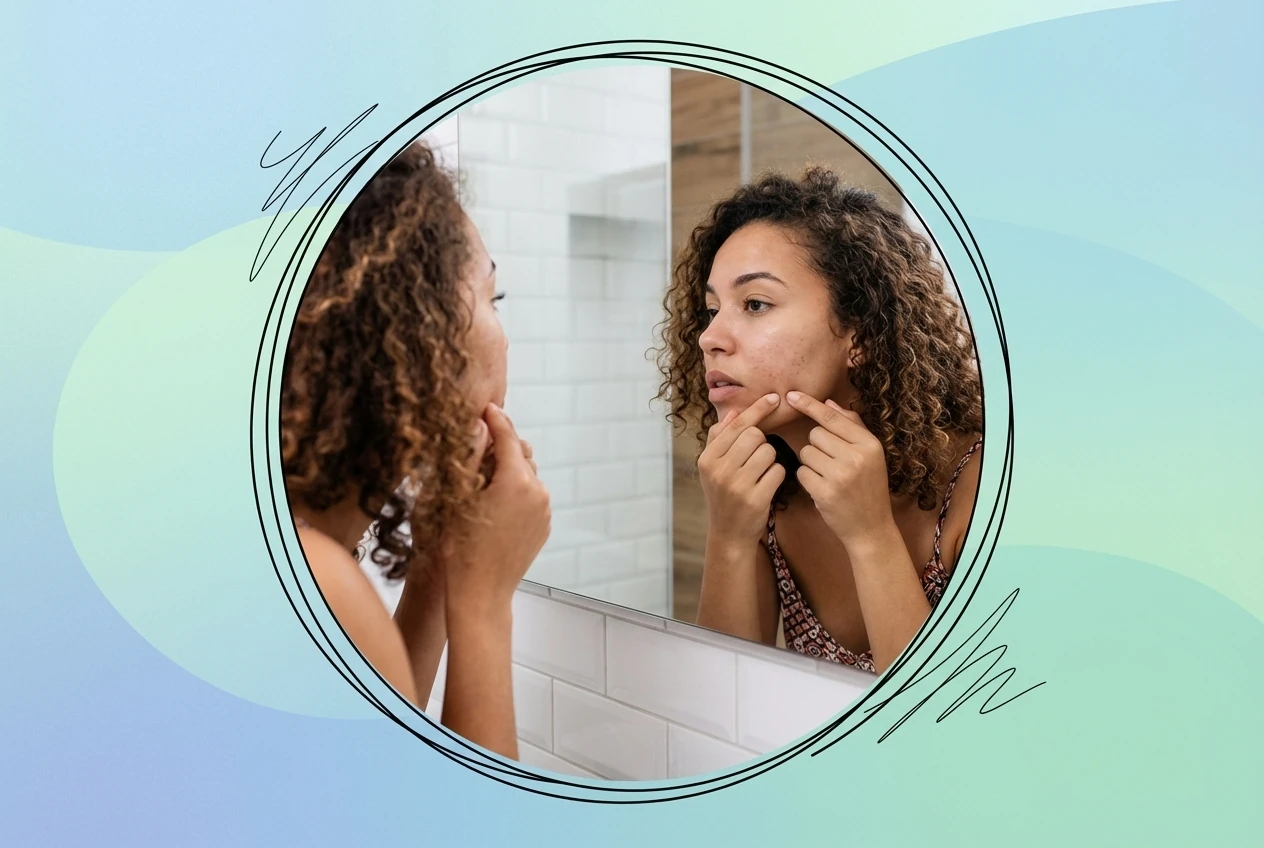
Acne vulgaris is a frequent cause of red papules and pustules, especially on the face, chest, and back7. It is often triggered by hormonal fluctuations during adolescence, which increase the severity and risk of scarring7. Follicular occlusion leads to the development of inflammatory acne lesions, and comedones (whiteheads and blackheads) often coexist with these red dots7.
Injury
Trauma and thermal injury can cause localized erythema (redness) or petechial hemorrhages (tiny pinpoint bleeding under the skin)3. Petechiae are pinpoint-sized spots of bleeding that are not raised or itchy and do not blanch when pressed8. They can appear anywhere on the body but are commonly found on the arms, legs, buttocks, mouth, and eyelids8.
Cherry Angioma
Cherry angiomas are common benign vascular skin lesions that appear as small, bright red to purple dots or bumps on the skin. They are caused by clusters of dilated capillaries and are usually harmless9.
Autoimmune Disorders
Autoimmune conditions such as psoriasis and eczema cause chronic inflammatory skin lesions that may present as red or purple plaques or patches53. Psoriatic arthritis is a common complication of psoriasis, and untreated chronic inflammatory skin diseases may lead to secondary infections and systemic complications5.
Irritants and Allergies
Contact with allergens or irritants can cause dermatitis, leading to red, itchy, and inflamed skin patches10. Allergic eczema often presents with itchy, red, scaly, or raw skin, sometimes resembling a burn with blisters that may weep or crust11.
Infections
Infectious causes of red dots include bacterial, viral, and fungal infections. Varicella-zoster virus causes vesicular red lesions that crust over, commonly on the trunk and face6. Other infections such as cytomegalovirus, hantavirus, and bacterial infections like strep throat with scarlet fever can cause petechiae or purpura812. Skin infections like MRSA may present as painful, raised, red pimples that can drain pus and require prompt medical attention13.
Less Common Causes
- Petechiae may result from serious conditions such as leukemia, endocarditis, vasculitis, thrombocytopenia, or vitamin C deficiency (scurvy)8.
- Physical straining (e.g., vomiting, heavy lifting) can cause petechiae due to broken blood vessels8.
- Other causes include insect bites, folliculitis (hair follicle infections), pityriasis rosea, and tinea versicolor9.
Small red dots on the skin could be a serious warning sign. They might be harmless or indicate infections, allergic reactions, or blood disorders. If rapid spreading, systemic symptoms, or persistent lesions occur, medical attention should be sought promptly148.
When to See a Doctor
It is important to seek medical advice if red dots on the skin:
- Persist or worsen despite self-care over 14 days3.
- Are accompanied by systemic symptoms such as fever, fatigue, or swelling3.
- Appear suddenly and spread quickly, especially petechiae or purpura812.
- Are painful, swollen, or show signs of infection like pus or red streaking13.
- Occur with throat constriction, angioedema (swelling of face or tongue), or other signs of severe allergic reactions requiring emergency care3.
- Resemble lesions caused by MRSA or cellulitis13.
“Acne, psoriasis, chickenpox, and other conditions may cause skin lesions. Seek medical attention if you have a rash or an infection or your lesions resemble those caused by MRSA or cellulitis.”
— Bukky Aremu, Healthline Medical Review Board13
Red Dot Treatment Options
Treatment depends on the underlying cause and severity of the red dots. Management ranges from home care to prescription medications and procedural interventions3.
Home Management
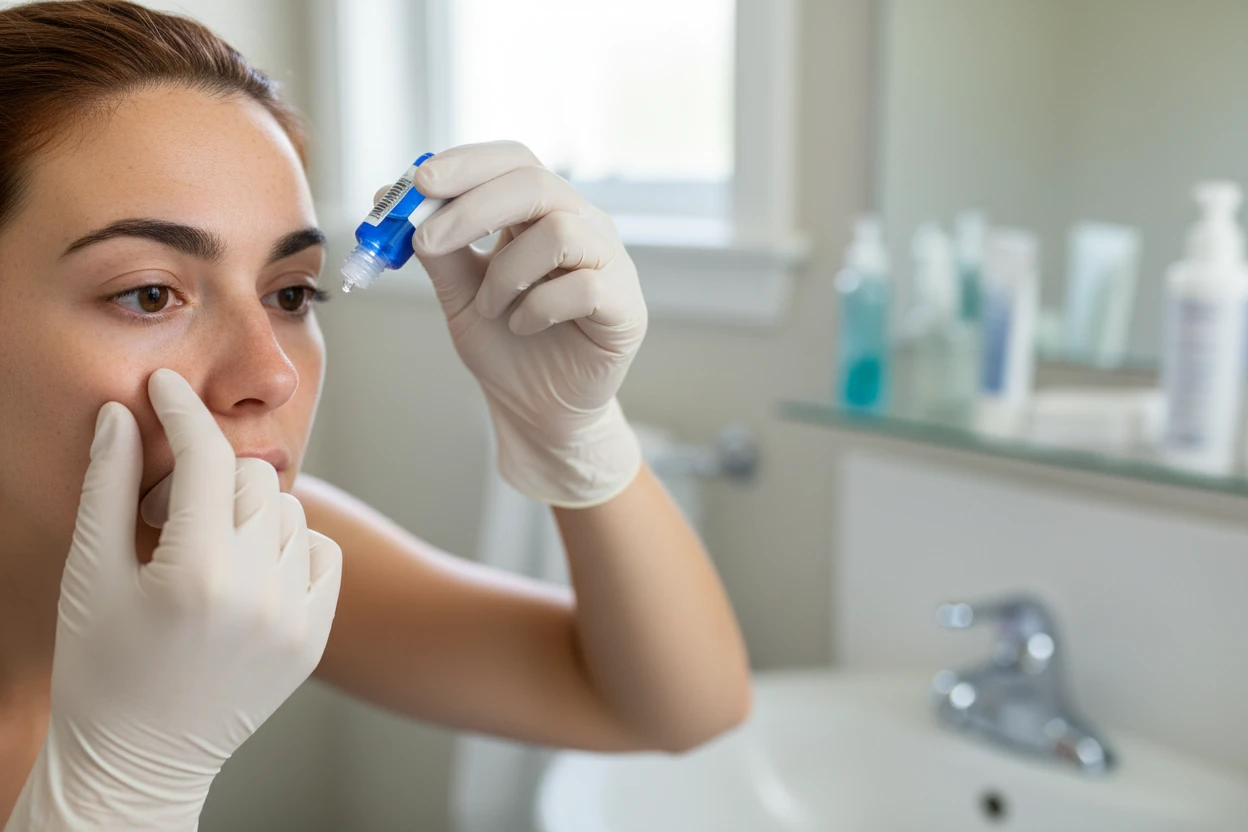
Mild cases often respond well to home remedies and over-the-counter (OTC) products. Recommended strategies include:
- Gentle cleansing with mild, hypoallergenic soaps to reduce irritation3.
- Use of moisturizers and soothing lotions to restore the skin barrier3.
- Colloidal oatmeal baths to soothe pruritic (itchy) skin3.
- OTC antihistamines to relieve itching caused by allergic reactions3.
- Cold compresses to reduce inflammation and discomfort3.
Medications
Prescription treatments may be necessary for persistent, severe, or chronic cases:
- Topical corticosteroids to reduce inflammation and redness3.
- Antibiotics for bacterial infections such as MRSA or cellulitis13.
- Immunosuppressive or corticosteroid drugs for autoimmune or inflammatory conditions5.
- Vitamin C supplements for deficiency-related petechiae8.
Phototherapy
Light-based therapies may be used for certain chronic inflammatory skin diseases like psoriasis to reduce redness and scaling3.
“Red spots on the skin can appear for a variety of reasons, ranging from harmless to potentially serious conditions. While some red spots will fade on their own, others may require medical attention, especially if accompanied by pain, swelling, or fever.”
— Susan Bard, Verywell Health Medical Review Board15
Preventing Red Dots on Skin
Prevention focuses on managing the underlying causes and maintaining healthy skin:
- Maintain good skin hygiene using gentle cleansing agents and avoid hot water to protect skin integrity3.
- Use hypoallergenic products to reduce irritation and allergic reactions3.
- Wear loose-fitting cotton garments to minimize skin irritation3.
- Use humidifiers and control indoor temperature to prevent skin dryness3.
- Protect skin from UV damage with sun protection measures16.
- Vaccination, such as shingles vaccine, reduces the risk of varicella-zoster virus reactivation17.
- Manage stress to improve skin condition outcomes3.
Understanding the cause of red dots on the skin is key to effective treatment. Early diagnosis and proper care can prevent complications and improve skin health3.
Possible Complications
- Secondary skin infections and systemic complications5.
- Post-inflammatory scarring, especially from acne lesions7.
- Psoriatic arthritis in patients with psoriasis5.
- Psychological distress and reduced quality of life due to visible skin conditions5.
Effective prevention and early treatment reduce the risk of these complications.
Summary and Key Points
- Red dots on the skin have diverse causes including infections, inflammation, vascular issues, and trauma31.
- Appearance varies by cause and skin tone; lesions may be red, purple, or brownish4.
- Common causes include acne vulgaris, injury, cherry angiomas, autoimmune disorders, allergies, and infections739.
- Petechiae are pinpoint bleeding spots that may indicate serious illness and require urgent evaluation812.
- Seek medical care if lesions persist, worsen, spread rapidly, or are accompanied by systemic symptoms38.
- Treatment ranges from home care with moisturizers and antihistamines to prescription medications and phototherapy3.
- Prevention includes gentle skin care, sun protection, vaccination, and stress management16173.
- Untreated skin lesions may cause infections, scarring, arthritis, and psychological impact57.