Ramsay Hunt syndrome (RHS) is a rare neurological disorder affecting about 5 in every 100,000 people annually in the United States12. It occurs when the varicella-zoster virus, the same virus responsible for chickenpox and shingles-causes-and-risk-factorsshingles-causes-and-risk-factorsshingles-diagnosis-tests-criteria-and-processshingles-diagnosis-tests-criteria-and-processshingles, reactivates and affects the facial nerves near the ear12. This reactivation can cause facial paralysis, painful rashes, and hearing problems, as seen in notable cases like pop star Justin Bieber's diagnosis in 20223. Early recognition and treatment are crucial for improving recovery and reducing complications12.
Justin Bieber's public diagnosis of Ramsay Hunt syndrome brought awareness to this condition, highlighting symptoms like facial paralysis and ear pain caused by varicella-zoster virus reactivation. His gradual recovery underscores the importance of early intervention and rehabilitation3.
Ramsay Hunt Syndrome Overview
Ramsay Hunt syndrome is caused by the reactivation of the varicella-zoster virus (VZV) in the geniculate ganglion of the facial nerve (cranial nerve VII)45. After an initial chickenpox infection, VZV remains dormant in sensory nerve ganglia and can reactivate later in life, especially under conditions like aging, immunosuppression, or stress45. RHS is the second most common cause of peripheral facial palsy after Bell's palsy and accounts for about 7% of acute facial paralysis cases45.
The classic clinical presentation of RHS includes a triad of symptoms:
- Ipsilateral facial paralysis (weakness or paralysis on one side of the face)45
- Ear pain (otalgia)45
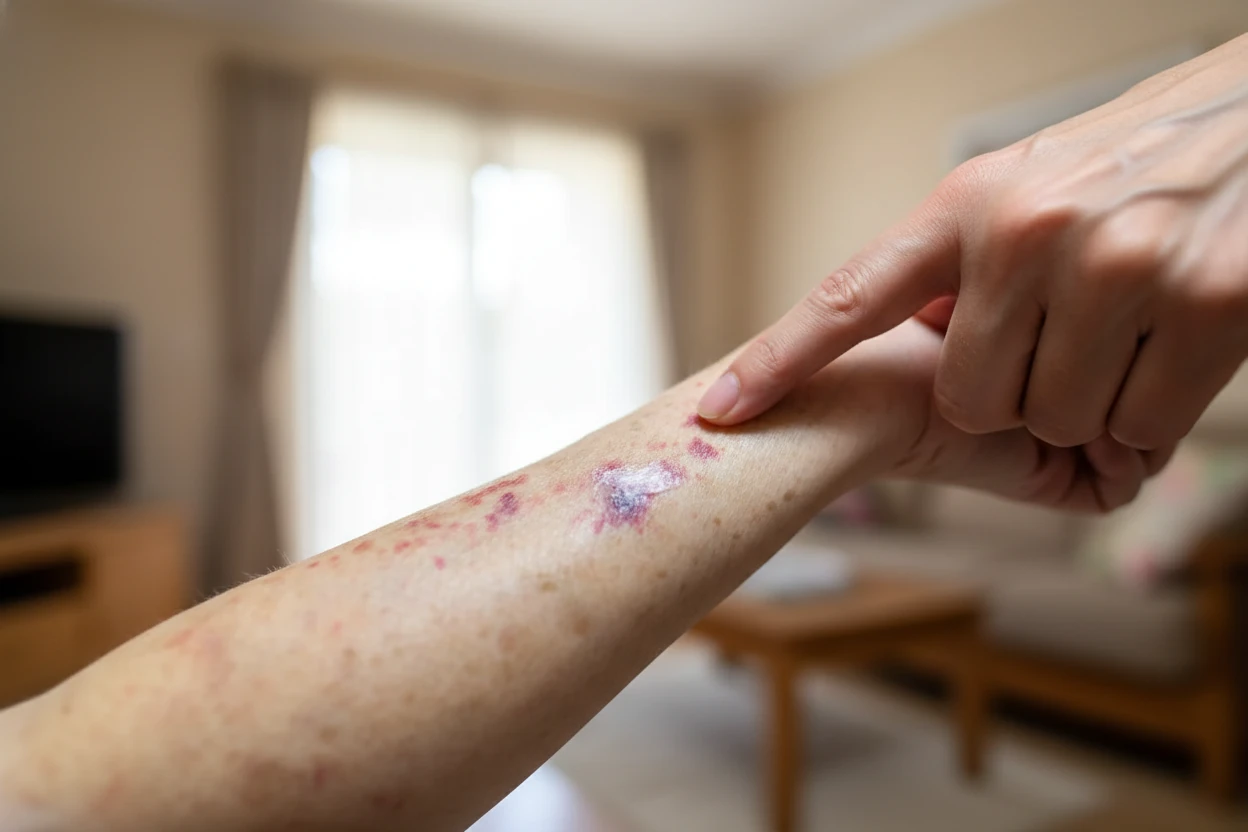
- Vesicular rash on the ear, external auditory canal, or oral mucosa45
However, the syndrome's manifestations can vary. In some cases, the rash may be absent, a condition known as zoster sine herpete, which complicates diagnosis and can resemble Bell's palsy67. The rash may also appear asynchronously with facial paralysis, sometimes before or after the weakness45.
Additional symptoms often reported include:
- Tinnitus (ringing in the ear) and hearing loss due to involvement of the vestibulocochlear nerve (cranial nerve VIII)458
- Vertigo or dizziness from inner ear involvement45
- Changes in taste sensation, dry mouth, and eye symptoms like tearing or dryness45
- Hyperacusis (increased sensitivity to sound)45
The severity of facial paralysis in RHS is generally worse than in Bell's palsy, with a lower rate of full recovery9. Immunocompromised individuals and older adults tend to experience more severe symptoms and poorer outcomes45.
| Feature | Description | Source |
|---|---|---|
| Incidence | ~5 per 100,000 persons annually | 45 |
| Classic triad | Facial paralysis, ear pain, vesicular rash | 45 |
| Virus latency | Varicella-zoster virus latent in sensory ganglia | 45 |
| Risk factors | Immunosuppression, aging, stress | 45 |
| Common complications | Postherpetic neuralgia, permanent facial weakness | 1011 |
The varicella-zoster virus is a double-stranded DNA virus that remains dormant in nerve ganglia after primary infection45. Reactivation in the geniculate ganglion causes inflammation and damage to the facial nerve, leading to paralysis and pain45. The virus can also affect nearby cranial nerves, causing polyneuropathy in severe or immunocompromised cases1213.
Facial paralysis results in impaired voluntary movement on the affected side, making it difficult to close the eye, smile, or control facial expressions45. The vesicular rash typically appears on the auricle (outer ear), ear canal, and sometimes the tongue or palate45. Ear pain often precedes the rash and paralysis, described as severe and stabbing14.
RHS can be misdiagnosed as Bell's palsy due to overlapping symptoms, especially when rash is absent45. However, RHS tends to have more severe paralysis and additional symptoms like hearing loss and vertigo45.
The neuritis associated with Ramsay Hunt syndrome appears to be more severe than that of Bell's palsy, given that more than twice as many patients present with complete hemifacial paralysis with Ramsay Hunt syndrome as in Bell's palsy4.
Ramsay Hunt syndrome affects both immunocompetent and immunocompromised individuals but is more common and severe in older adults and those with weakened immune systems45. Stress, chemotherapy, malnutrition, and infections can trigger viral reactivation45. Although rare in children, cases have been reported as young as three months old1516.
The syndrome accounts for about 7% of all cases of facial nerve paralysis, making it the second leading cause after Bell's palsy45. The true incidence may be underestimated due to misdiagnosis or atypical presentations12.
- Facial paralysis or weakness on one side45
- Painful vesicular rash on or around the ear, sometimes oral mucosa45
- Ear pain and tinnitus45
- Hearing loss and vertigo458
- Changes in taste and dry eyes or mouth45
- Hyperacusis and facial numbness45
Ramsay Hunt Syndrome Treatment Options
Early diagnosis and prompt treatment of Ramsay Hunt syndrome are essential for improving outcomes and reducing the risk of long-term complications such as permanent facial weakness and postherpetic neuralgia1011. Treatment typically involves a combination of antiviral medications and corticosteroids initiated within 72 hours of symptom onset1711.
| Treatment Component | Purpose | Source |
|---|---|---|
| Antivirals (acyclovir, valacyclovir) | Suppress viral replication | 1017 |
| Corticosteroids (prednisone) | Reduce inflammation and nerve damage | 1011 |
| Pain management | Control neuropathic and acute pain | 1811 |
| Vestibular symptom control | Alleviate vertigo and dizziness | 1810 |
| Eye care | Prevent corneal injury due to facial paralysis | 1017 |
Antiviral drugs such as acyclovir or valacyclovir inhibit viral replication and are most effective when started early45. Corticosteroids like prednisone reduce nerve inflammation and swelling, helping to preserve nerve function1011. Studies show that combined antiviral and corticosteroid therapy started within three days of symptom onset can lead to up to 75% full recovery of facial nerve function1711.
Delayed treatment is associated with lower recovery rates and increased risk of permanent facial paralysis1011. In some cases, higher doses of corticosteroids or intratympanic steroid injections may be used to enhance recovery, especially in severe paralysis192021.
Pain control is critical, as Ramsay Hunt syndrome often causes severe neuropathic pain1811. Analgesics, including prescription medications, may be necessary. Vertigo and dizziness can be managed with vestibular suppressants and anti-anxiety medications such as diazepam181022.
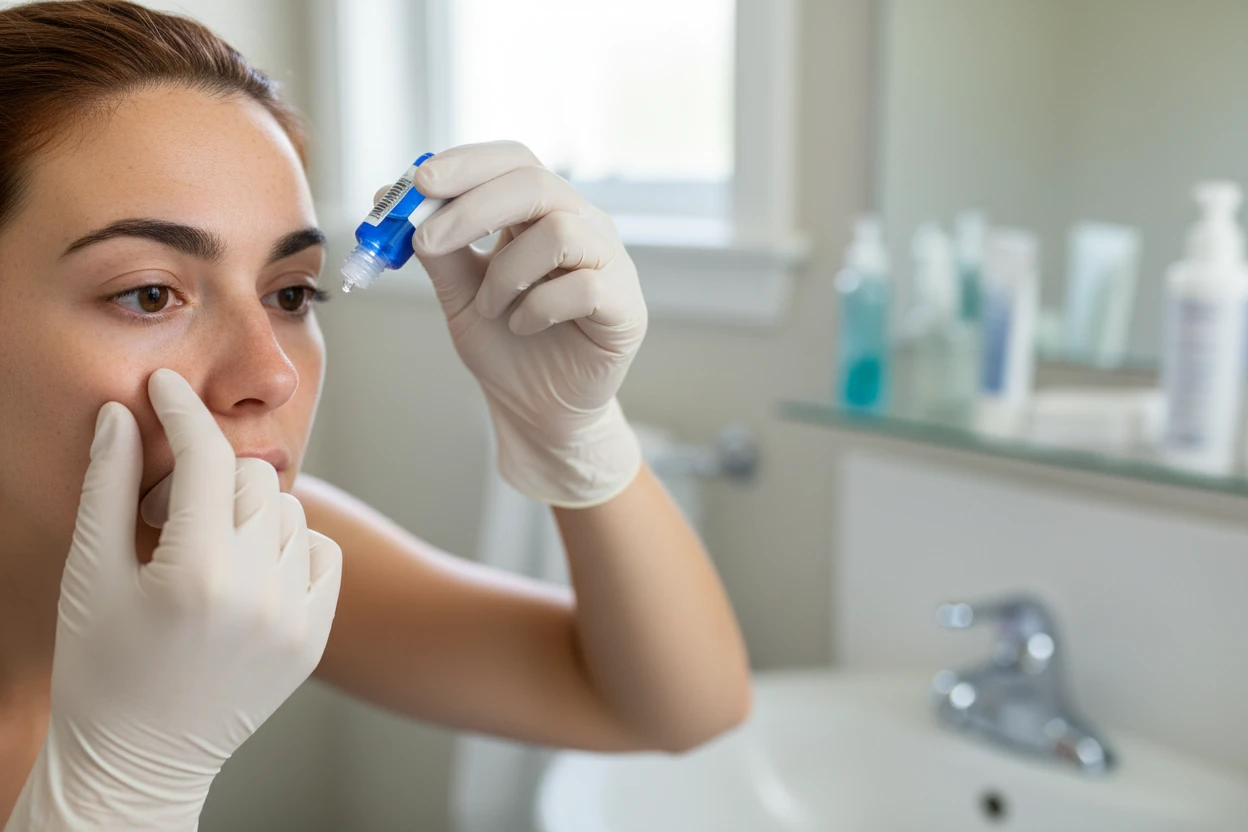
Eye care is essential to prevent corneal damage due to incomplete eyelid closure from facial paralysis. Patients are advised to use artificial tears during the day and ointments or eye patches at night to protect the eye101722. In some cases, surgical options like eyelid weighting may be considered to assist eye closure23.
Recovery time varies widely, generally ranging from weeks to months. Younger patients tend to recover faster and more completely than older adults1624. Severe initial paralysis and older age predict poorer outcomes517. Approximately 70% of patients regain normal or near-normal facial function, but some may experience permanent weakness or synkinesis (involuntary facial muscle contractions)511.
Chances of a full recovery are better if treatment starts within three days of symptoms appearing. Early diagnosis and prompt treatment with antiviral therapy seem to improve long-term outcomes1.
Synkinesis occurs in about 40% of RHS patients, higher than in Bell's palsy, and may require physical therapy or other interventions517. Postherpetic neuralgia, persistent pain after rash resolution, is another possible complication1011.
Rarely, Ramsay Hunt syndrome can involve multiple cranial nerves, leading to more complex symptoms and treatment challenges1213.
Supportive measures include keeping rash areas clean, applying cool compresses for pain relief, and protecting the eye22. Vaccination against chickenpox and shingles reduces the risk of VZV reactivation and subsequent RHS225.