Nodular acne-bacne-causes-treatments-and-preventionacne-treatment-guideacne-treatment-guideacne is a severe form of inflammatory acne that affects deep layers of the skin, causing large, painful lumps known as nodules to develop beneath the surface1. It commonly appears on the face, chest, back, and neck and can last for weeks or months, often leading to significant scarring if untreated2. This condition affects a substantial number of adolescents and young adults, with males more frequently impacted due to hormonal influences3. Effective management requires professional care, as over-the-counter treatments are generally ineffective for nodular acne4.
Identifying Nodular Acne Symptoms
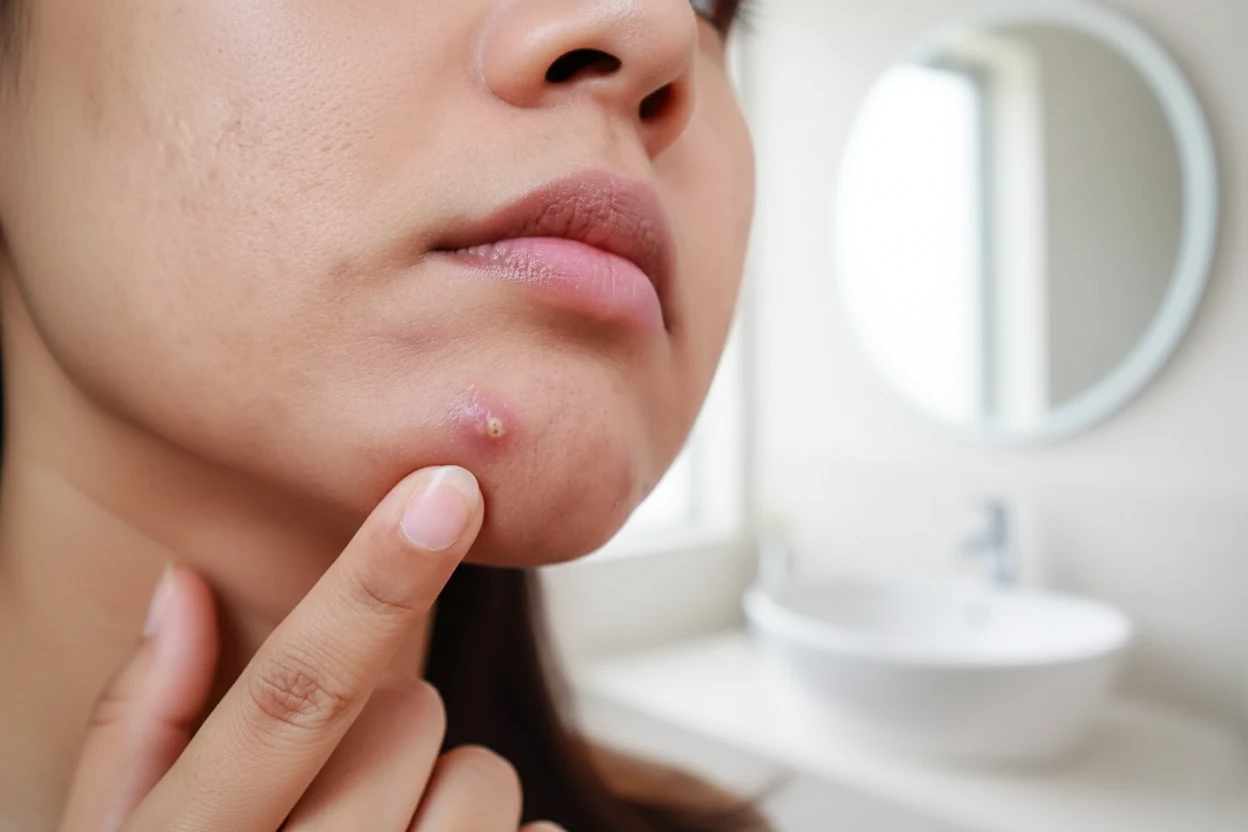
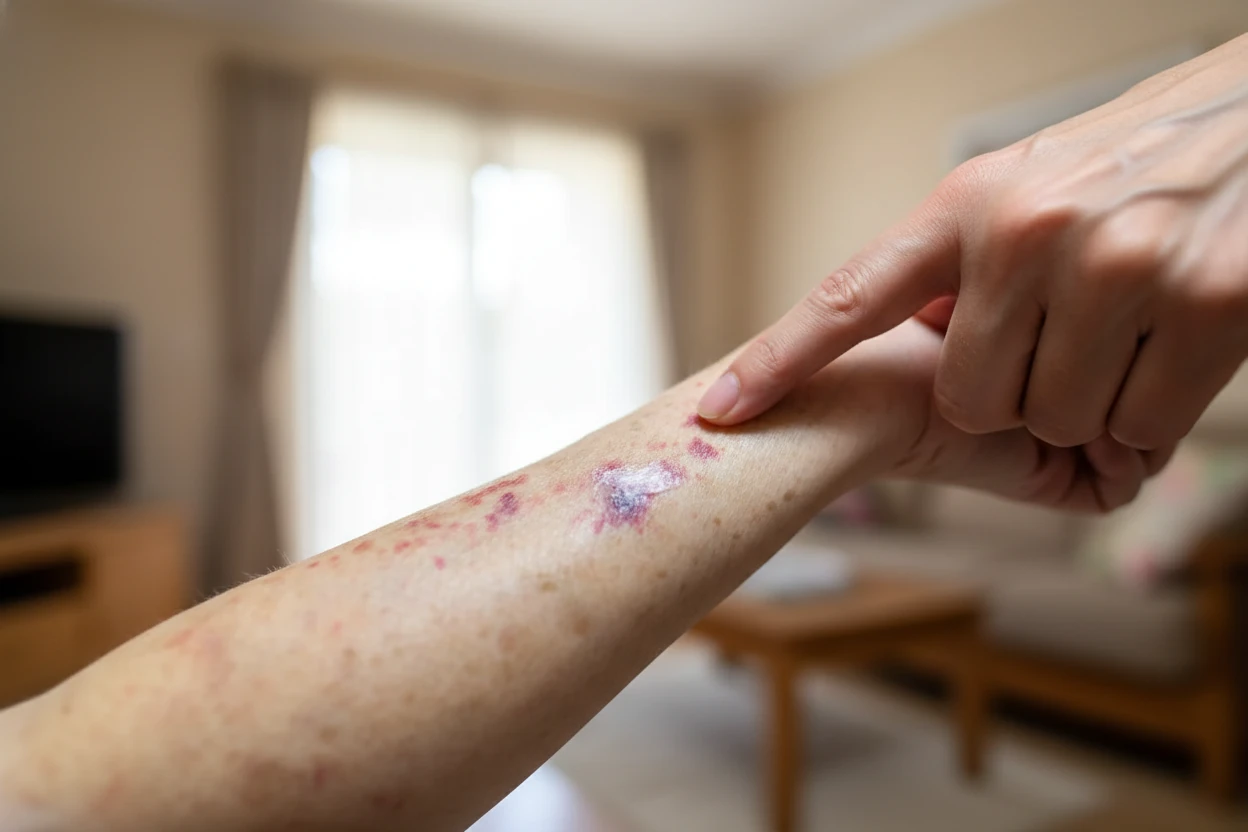
Nodular acne is characterized by firm, painful nodules that are deeper and more severe than typical acne lesions5. These nodules often appear as large, red or purple lumps on the skin's surface, commonly affecting the face, chest, and back65. Unlike cystic acne, which contains pus and feels softer, nodular acne lesions are solid and do not have heads, making them unsuitable for popping57. The nodules are typically tender and painful to the touch, and inflammation causes the skin around them to become erythematous (red)58.
Post-inflammatory hyperpigmentation and skin discoloration frequently follow nodular acne, especially if lesions are left untreated or manipulated9. Scarring is a common outcome due to the depth and severity of the inflammation9. Patients may notice that nodules persist for weeks or even months, causing discomfort and sensitivity17.
- Firm, painful nodules located deep under the skin51
- Red or purple inflamed bumps on the face, chest, and back65
- Tenderness and pain upon touch58
- Absence of pus-filled heads, unlike cystic acne57
- Potential for post-inflammatory hyperpigmentation and scarring9
Common Causes of Nodular Acne
Nodular acne develops due to a combination of factors that lead to inflammation deep within the skin. The primary mechanism involves follicular hyperkeratinization (excess shedding of skin cells inside hair follicles), increased sebum (oil) production, and colonization by the bacteria Cutibacterium acnes (formerly Propionibacterium acnes)3510. These processes cause blockage of pores, bacterial overgrowth, and an inflammatory immune response that results in painful nodules5104.
Hormonal imbalances play a significant role, particularly androgen excess, which stimulates sebaceous gland activity and sebum production511. Polycystic ovary syndrome (PCOS), an endocrine disorder marked by hyperandrogenism, is associated with severe acne including nodular lesions1211. Certain medications, such as systemic corticosteroids and anticonvulsants, can trigger or worsen nodular acne5.
Dietary factors like high glycemic index foods and dairy intake have been linked to acne exacerbation, although diet is not considered a direct cause of nodular acne139. Genetic predisposition and stress may also contribute to the severity of nodular acne12.
Risk Factors
- Male sex, due to androgen effects increasing sebum production35
- Hormonal disorders such as PCOS causing androgen excess1211
- Use of systemic corticosteroids and anticonvulsants5
- Dietary influences including high glycemic foods and dairy products13
- Genetic predisposition and stress12
How Nodular Acne Is Diagnosed
Diagnosis of nodular acne requires a thorough clinical evaluation by a healthcare provider, typically a dermatologist. The process includes a detailed medical history focusing on hormonal disorders and medication use to differentiate nodular acne from other skin conditions5. Physical examination involves palpation of the nodules to assess their firmness, inflammation, pain, and tenderness58.
Severe nodular acne does not respond to over-the-counter treatments, so recognizing the need for prescription therapy is essential5. Hormonal assays may be ordered to evaluate underlying endocrine disorders such as PCOS or other hormonal imbalances contributing to acne severity511.
Differential diagnosis is important to rule out other conditions that may mimic nodular acne, such as staphylococcal skin infections, which present with redness, swelling, and pustules14.
- Detailed medical history including hormonal and medication review5
- Clinical examination with palpation of nodules58
- Assessment of pain and tenderness5
- Hormonal testing when indicated511
- Differentiation from infections like staphylococcus14
Effective Nodular Acne Treatments
Nodular acne requires prescription medications as it is resistant to over-the-counter topical agents such as salicylic acid and benzoyl peroxide54. Treatment typically involves a combination of systemic antibiotics, oral retinoids like isotretinoin, corticosteroids, and intralesional corticosteroid injections to reduce inflammation rapidly3515.
Isotretinoin is considered the gold standard for severe nodular acne treatment. It works by reducing sebaceous gland size and activity, decreasing sebum production, promoting skin cell turnover, and inhibiting bacterial growth17. Many patients experience significant improvement, with about 20% achieving long-term remission after a single course17.
Systemic corticosteroids may be used to control severe inflammation, especially in acute flare-ups15. Intralesional corticosteroid injections directly into nodules help reduce size and pain quickly16. Oral antibiotics help reduce bacterial colonization and inflammation but are usually prescribed for several months5.
“Patients with severe nodular or cystic acne require isotretinoin. Isotretinoin is indicated to treat severe acne, particularly nodular or cystic acne that has not responded to other treatments.”
— Anne-Marie Tobin, Tallaght University Hospital, Trinity College Dublin17
Women treated with isotretinoin must use effective contraception due to the drug’s high teratogenic risk and contraindication during pregnancy5. Patients on isotretinoin should maintain hydration to manage common side effects like dry skin and mucous membranes517.
Emerging treatments include microneedle technology to enhance targeted delivery of antibiotics like clindamycin directly into sebaceous glands, potentially improving efficacy and reducing systemic side effects18.
- Oral isotretinoin reduces sebum and inflammation, gold standard treatment517
- Systemic antibiotics for bacterial control and inflammation5
- Systemic and intralesional corticosteroids for inflammation control1615
- Long treatment duration, often several months5
- Emerging microneedle delivery systems for targeted therapy18
Preventing Nodular Acne Breakouts
Prevention of nodular acne focuses on early and appropriate treatment, as over-the-counter products are ineffective for this severe acne type5. Gentle skin care routines help reduce irritation and prevent worsening of lesions. This includes cleansing the skin twice daily with mild, non-comedogenic products and avoiding harsh scrubbing519.
“Isotretinoin works by reducing the size and activity of sebaceous glands, decreasing sebum production, and promoting the turnover of skin cells. This helps to prevent clogged pores and reduces the growth of Cutibacterium acnes, the bacteria associated with acne.”
— Anne-Marie Tobin, Tallaght University Hospital, Trinity College Dublin17
Avoiding manipulation or picking of nodules is crucial to reduce inflammation and the risk of scarring5. Regular hair washing prevents the transfer of oils and sebum from hair to skin, which can exacerbate acne205. Using broad-spectrum sunscreen daily helps prevent post-inflammatory hyperpigmentation and protects against photosensitivity caused by some acne treatments5.
Minimizing cosmetic use and choosing non-oily, water-based makeup products can reduce skin irritation and pore clogging5. Proper shaving techniques and hygiene of shaving equipment also help prevent trauma and acne flare-ups5.
- Use gentle cleansing twice daily with mild, non-comedogenic products5
- Avoid picking or squeezing nodules to prevent scarring5
- Wash hair regularly to reduce oil transfer205
- Apply broad-spectrum sunscreen daily to prevent pigmentation5
- Use non-oily, water-based makeup and minimize cosmetic use5
Potential Complications of Nodular Acne
If left untreated or improperly managed, nodular acne often results in permanent scarring and post-inflammatory hyperpigmentation, which can be difficult to treat91. Acne scars may be atrophic (indented) or keloid (raised), significantly affecting the skin’s appearance17. These physical changes can have a profound psychological impact, contributing to anxiety, depression, and reduced quality of life213.
Inflamed nodules increase the risk of secondary bacterial infections, including staphylococcal skin infections, which present with redness, swelling, and purulent lesions resembling severe acne144. Treatment response is gradual, often requiring months of therapy and consistent skin care measures to achieve improvement5.
Maintaining skin hygiene and avoiding trauma to affected areas help reduce complications. Psychological support should be considered for patients experiencing mental health issues related to acne21.
- Permanent scarring and pigment changes common without treatment9
- Psychological distress including anxiety and depression21
- Risk of secondary bacterial infections such as staphylococcus14
- Gradual treatment response requiring months of therapy5
- Importance of psychological support in acne management21
Key Takeaways
- Nodular acne is a severe inflammatory acne characterized by deep, firm, painful nodules that require professional treatment51.
- The condition results from blocked pores, bacterial colonization, excess sebum, and inflammation, often influenced by hormones and certain medications3511.
- Diagnosis involves clinical examination, medical history, and sometimes hormonal testing to guide effective treatment5.
- Isotretinoin remains the most effective treatment, often combined with antibiotics and corticosteroids; treatment duration is typically several months517.
- Prevention includes gentle skin care, avoiding lesion manipulation, sun protection, and managing risk factors to reduce scarring and pigmentation59.
Nodular Acne FAQs
What is nodular acne?
Nodular acne is a severe form of inflammatory acne that causes large, firm, painful lumps deep under the skin, often appearing as red or purple bumps on the surface51.
Can nodular acne be treated with over-the-counter products?
No, nodular acne is resistant to over-the-counter treatments like salicylic acid and benzoyl peroxide and requires prescription medications54.
What are the risks of untreated nodular acne?
Untreated nodular acne frequently leads to permanent scarring, post-inflammatory hyperpigmentation, and psychological distress921.
How long does treatment for nodular acne usually last?
Treatment often requires several months of prescription medications, including oral isotretinoin, antibiotics, and corticosteroids5.
Is nodular acne linked to hormonal issues?
Yes, hormonal imbalances such as those seen in PCOS and the use of certain medications can precipitate nodular acne125.