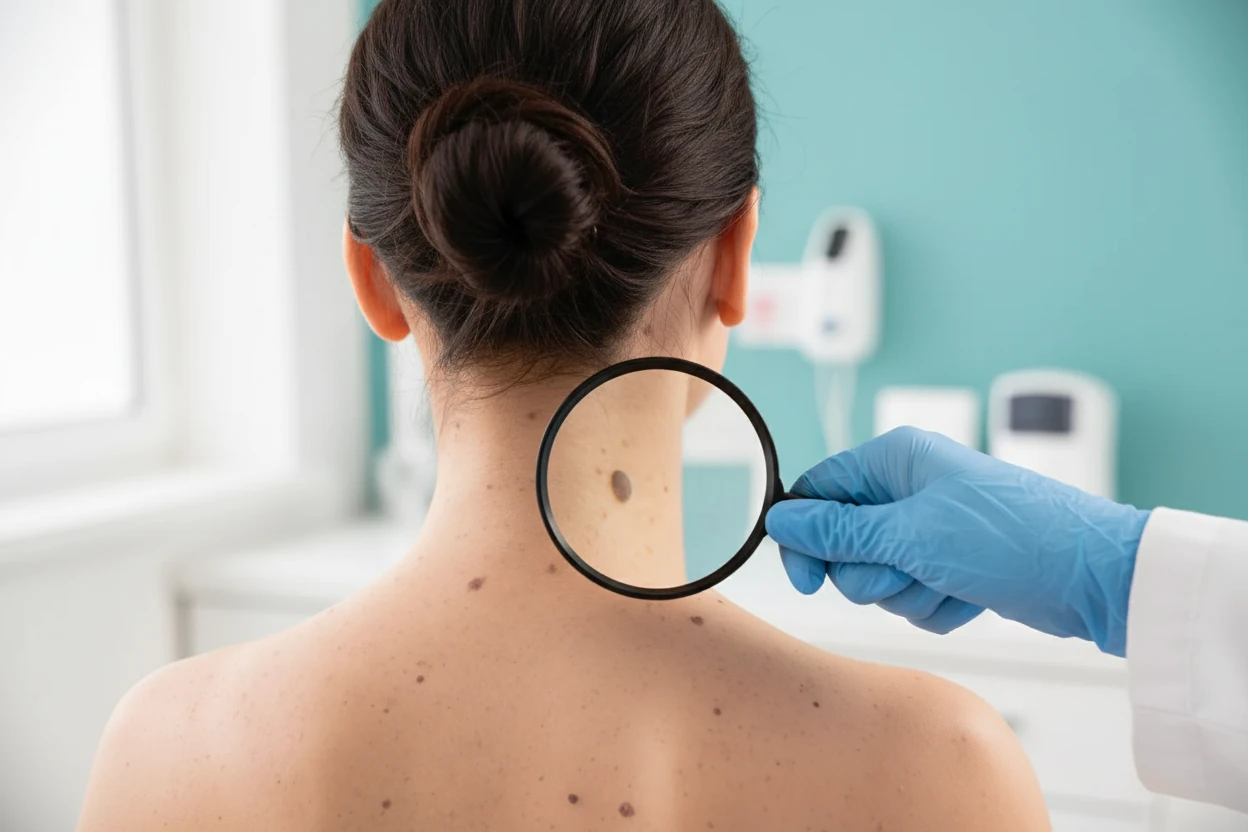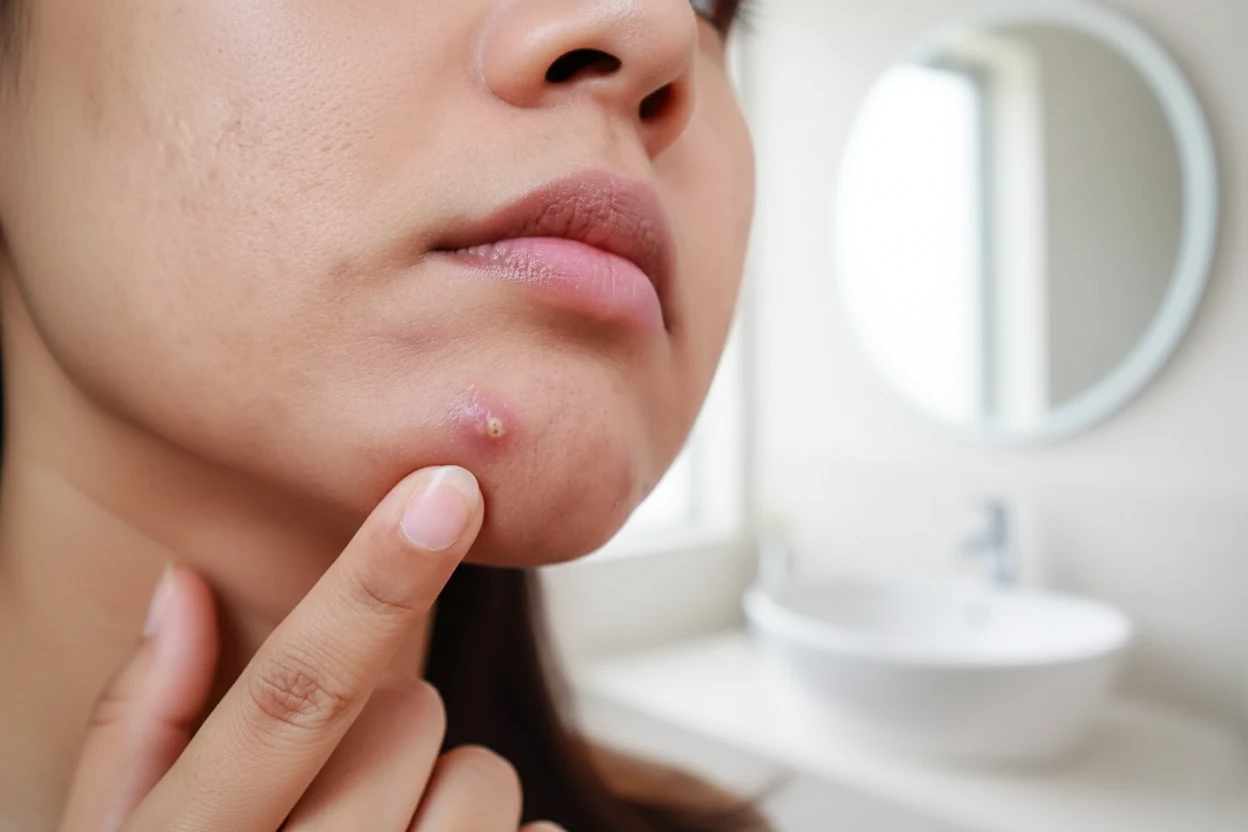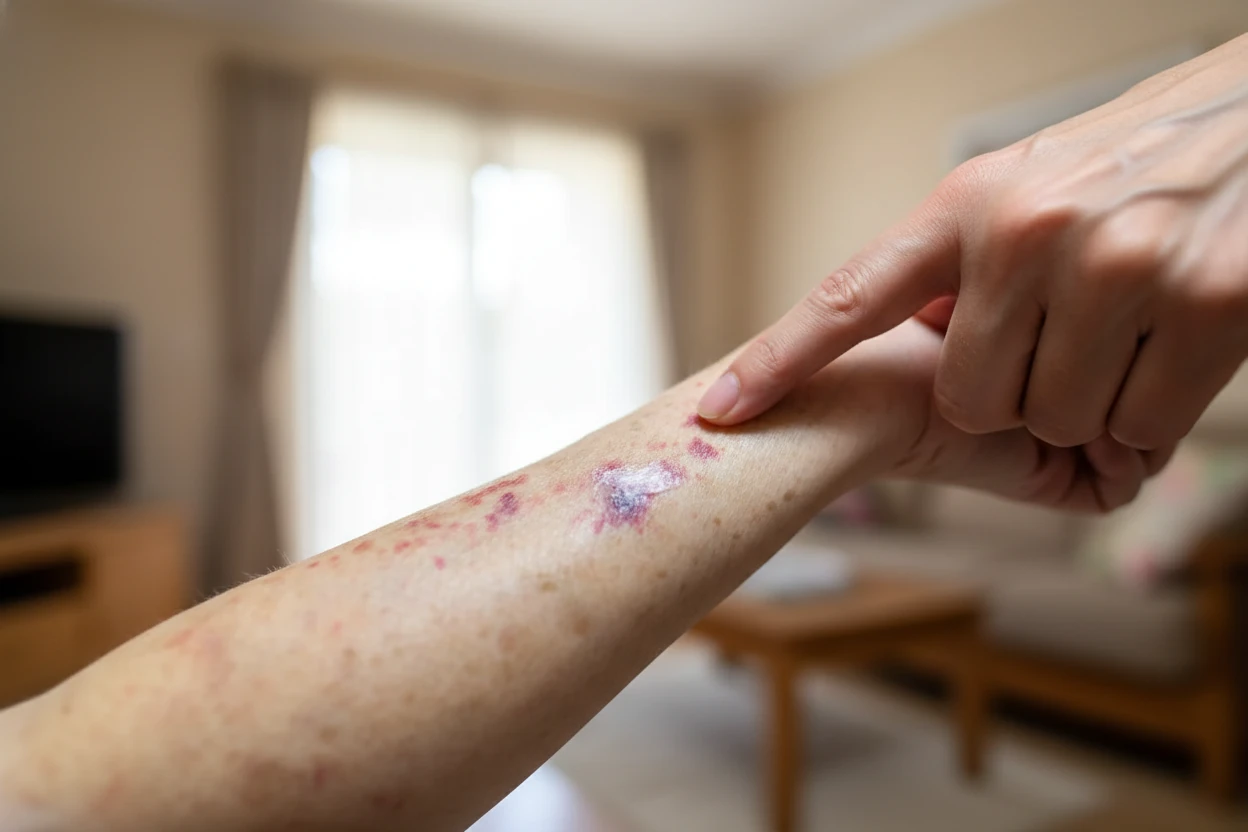
Melanoma is a serious form of skin cancer deaths deaths-effects-on-black-womencancer-effects-on-black-womencancer that arises from pigment-producing cells called melanocytes1. Its incidence has risen significantly in recent decades, making early detection essential for improving survival rates, which exceed 90% when melanoma is caught early2. Melanoma often begins as a new spot on the skin or a change in an existing mole, commonly appearing on sun-exposed areas such as the face, arms, back, and legs321.
Recognizing Common Symptoms
Melanoma typically presents as a new or changing spot on the skin, often differing from other moles or blemishes4. The most important warning sign is a new mole or a mole that changes in size, shape, or color4. Melanomas may arise on normal skin or develop from existing moles, with new lesions being more common32. Ultraviolet (UV) radiation from sunlight is the main cause, damaging DNA in skin cells and leading to melanoma development5.
The ABCDE rule is widely used to identify suspicious moles:
- Asymmetry: One half of the mole does not match the other half32.
- Border: Edges are irregular, ragged, notched, or blurred32.
- Color: Uneven color with multiple shades such as brown, black, red, or blue32.
- Diameter: Larger than 6 millimeters (about the size of a pencil eraser)32.
- Evolving: Changes in size, shape, color, or symptoms like itching or bleeding32.
Additional warning signs include sores that do not heal, spread of pigment beyond the mole’s border, redness or swelling, and changes in sensation such as tenderness or pain4. Melanomas often develop on sun-exposed skin but can also appear in hidden areas like under fingernails or toenails, palms, soles, or mucous membranes6.
- Melanoma symptoms often start with noticeable changes to your skin, such as an unusual mole or sore that looks different from others or has changed over time6.
- The "ugly duckling" sign refers to a mole that looks different from all other moles on the skin7.
💡 Did You Know?
Unusual moles, sores, lumps, or changes in skin appearance may signal melanoma or other skin cancers. The most important sign is a new or changing spot on the skin4.
Superficial Spreading Melanoma Signs
Superficial spreading melanoma is the most common subtype, accounting for about 70-75% of melanoma cases328. It initially grows outward across the skin surface (radial growth phase) before invading deeper layers if untreated92. Early lesions are usually thin and confined to the epidermis, making them highly treatable with surgery109.
Typical signs include:
- Irregular, asymmetrical borders3211.
- Varied pigmentation with multiple colors including dark brown, black, blue, or pink3211.
- Lesions often larger than 6 mm across32.
- Flat or slightly raised appearance11.
Superficial spreading melanoma can develop from an existing mole or appear as a new lesion11. In women, these melanomas tend to appear on the legs, while in men, they are more common on the head, neck, chest, abdomen, and back8.
Superficial spreading melanoma is a form of melanoma where the tumor spreads outward, close to the skin's surface. Symptoms can include a spot with an irregular border and a dome-shaped growth11.
Nodular Melanoma Warning Signs
Nodular melanoma is the second most common subtype, representing approximately 15-30% of melanomas92. Unlike superficial spreading melanoma, nodular melanoma grows rapidly downward into the skin from the start (vertical growth phase), making it more aggressive92.
Key clinical features include:
- Raised, often darkly pigmented nodules or lumps92.
- May be pigmented or amelanotic (lacking pigment), appearing pink or flesh-colored32.
- Often lack classic ABCDE features, complicating early detection912.
- Rapid enlargement over weeks to months122.
Because of its atypical appearance and fast growth, nodular melanoma is frequently diagnosed at a more advanced stage, leading to poorer outcomes122.
Lentigo Maligna Melanoma Indicators
Lentigo maligna melanoma accounts for 5-15% of melanomas and is linked to chronic sun exposure, especially in elderly individuals3102. It commonly develops on sun-damaged skin of the face and other exposed areas102.
Typical signs include:
- A slowly enlarging, flat pigmented patch, often tan to brown in color32.
- Lesions may darken and develop irregular borders over time32.
- With progression, the lesion can become elevated and thicker as invasive melanoma develops32.
This subtype has a prolonged radial growth phase, which allows for early detection if monitored carefully102.
Acral Lentiginous Melanoma Symptoms
Acral lentiginous melanoma is the most common melanoma subtype in people with darker skin tones and arises on non–sun-exposed areas such as the palms, soles, and nail beds1332. Its presentation often mimics benign conditions, leading to delayed diagnosis and worse prognosis13.
Signs include:
- Pigmented, raised, ulcerated, or bleeding lesions on acral sites32.
- Subungual melanoma may present as a dark streak or band under a fingernail or toenail, sometimes causing nail dystrophy132.
- Irregular pigmentation or bruising on fingers, toes, or nail beds6.
Because these lesions occur in less visible areas and may resemble benign changes, awareness is critical for early detection132.
Less Common Melanoma Types
Rare melanoma subtypes present unique diagnostic challenges due to their atypical appearance and locations31014. These include:
- Amelanotic melanoma: Lacks pigment, appearing pink or flesh-colored, often mistaken for benign lesions32.
- Desmoplastic melanoma: Resembles scar tissue, with slow growth and hypopigmented or pinkish color, frequently misdiagnosed as benign fibrous lesions32.
- Nevoid melanoma: Mimics benign moles, commonly affecting young adults on extremities, complicating clinical diagnosis32.
- Mucosal melanoma: Arises on mucous membranes such as oral, genital, and gastrointestinal tract sites, presenting as pigmented or ulcerated lesions32.
- Uveal melanoma: Originates in the eye's uveal tract, potentially causing vision changes or dark spots on the iris1426.
These variants often lead to delayed diagnosis and poorer outcomes due to their unusual presentations314.
Pediatric Melanoma Symptoms
Melanoma is rare in children and adolescents, comprising about 1% of cases, but it poses unique diagnostic challenges3102. Pediatric melanomas often do not follow classic ABCDE features, making recognition difficult32.
Key points include:
- Risk factors include congenital melanocytic nevi and having many moles32.
- Pediatric melanomas may present atypically, leading to delays or misdiagnosis32.
- Expert guidelines recommend close monitoring or prophylactic removal of suspicious or large moles in high-risk children3102.
Early detection in children is critical to improve outcomes32.
Individual Variations in Melanoma
Melanoma incidence and outcomes vary by age, sex, and race3102. Younger females have higher incidence rates, while older males experience higher mortality32. Melanin pigment provides some protection against UV damage, explaining lower melanoma rates in darker-skinned populations32.
Important variations include:
- Men over 50 more commonly develop melanoma on the head, neck, and trunk32.
- Women more frequently have melanoma on the legs and back32.
- White individuals have over 20-fold higher melanoma rates than Black individuals32.
- Despite lower incidence, people of color often have worse outcomes due to delayed diagnosis and atypical lesion appearance32.
- Advanced melanoma stages correlate with poorer prognosis and reduced survival rates32.
When to Seek Medical Care
Timely medical consultation for suspicious or changing skin lesions is essential to improve melanoma outcomes102. Delays in diagnosis increase morbidity and mortality15. Regular skin self-examination, photographic monitoring, and awareness of warning signs support early detection32.
Seek medical care if you notice:
- A new or unusual mole, sore, or spot on the skin4.
- Changes in size, shape, color, or symptoms such as itching, tenderness, or bleeding in a mole32.
- A sore that does not heal or a lesion that looks different from others4.
- Rapidly growing or raised lesions, especially nodules12.
- Pigmented streaks under nails or unusual discoloration on palms, soles, or mucous membranes6.
Early specialist assessment is critical for rapidly progressing melanomas32.
Early detection through monitoring skin changes improves melanoma treatment outcomes. Any suspicious lesion or non-healing sore warrants prompt medical evaluation. Delays in diagnosis are linked to worse prognosis1523.
Key Points Summary
- Melanoma often starts as a new spot or a changing mole, with the ABCDE rule aiding early detection32.
- Superficial spreading melanoma is the most common subtype, presenting as irregularly bordered, variably pigmented lesions32.
- Nodular melanoma grows rapidly downward, appearing as raised nodules and often lacking classic signs92.
- Lentigo maligna melanoma develops slowly on sun-damaged skin, mainly in older adults32.
- Acral lentiginous melanoma affects palms, soles, and nails, especially in darker-skinned individuals132.
- Rare melanoma types include amelanotic, desmoplastic, nevoid, mucosal, and uveal melanomas, which can mimic benign lesions32.
- Pediatric melanoma is rare and often atypical, requiring careful monitoring of high-risk children32.
- Melanoma incidence and mortality vary by age, sex, and race, with delayed diagnosis contributing to worse outcomes in people of color32.
- Prompt medical evaluation of suspicious or changing lesions is vital to improve survival102.
Frequently Asked Questions
What is the most important sign of melanoma?
A new spot on the skin or a mole that changes in size, shape, or color is the most important warning sign of melanoma4.
Can melanoma appear in areas not exposed to the sun?
Yes, melanoma can develop in hidden areas such as under nails, on palms, soles, mucous membranes, and even the eye13146.
How common is melanoma in children?
Melanoma is rare in children, accounting for about 1% of cases, and often presents with atypical features32.
Why is early detection important?
Early detection leads to a survival rate exceeding 90%, while advanced melanoma has a much poorer prognosis216.
What should I do if I notice a suspicious mole?
Seek prompt medical evaluation for any new, changing, or unusual skin lesion, especially if it follows the ABCDE criteria or shows symptoms like bleeding or itching32.