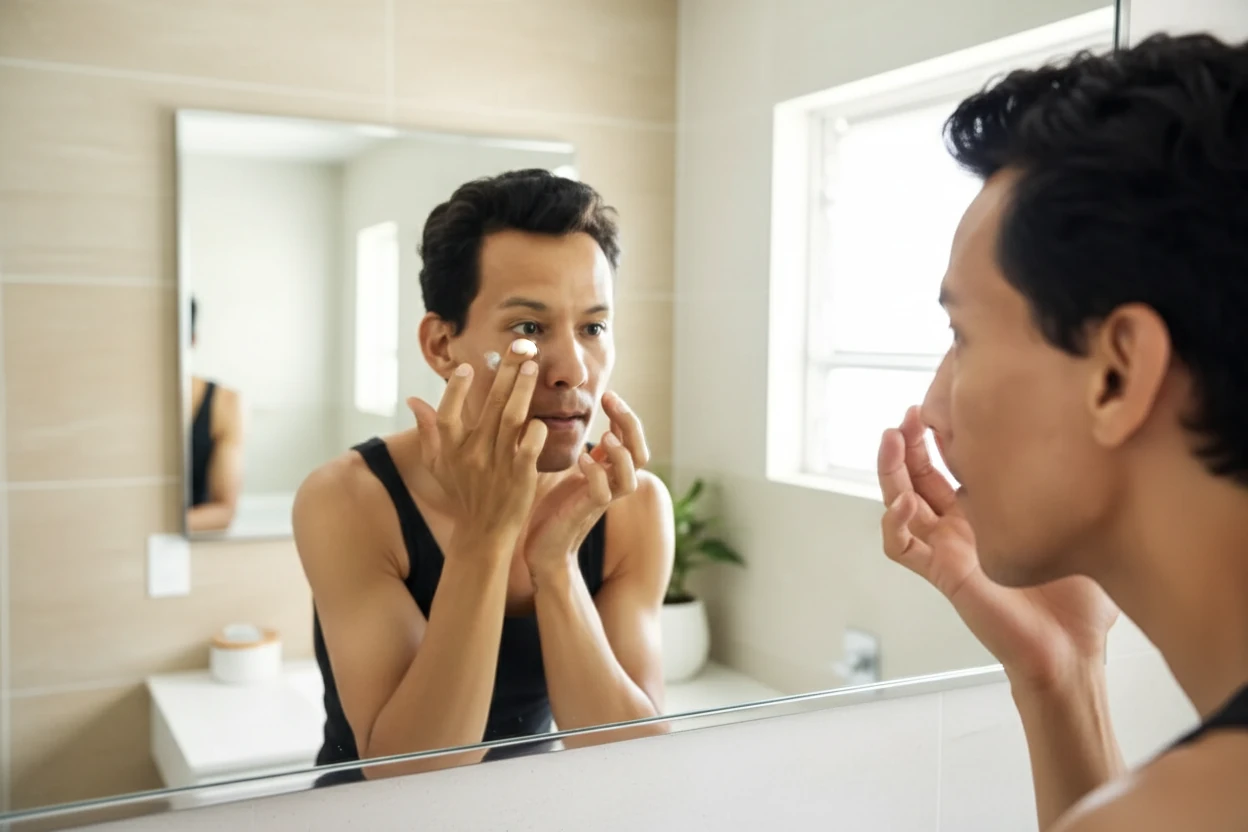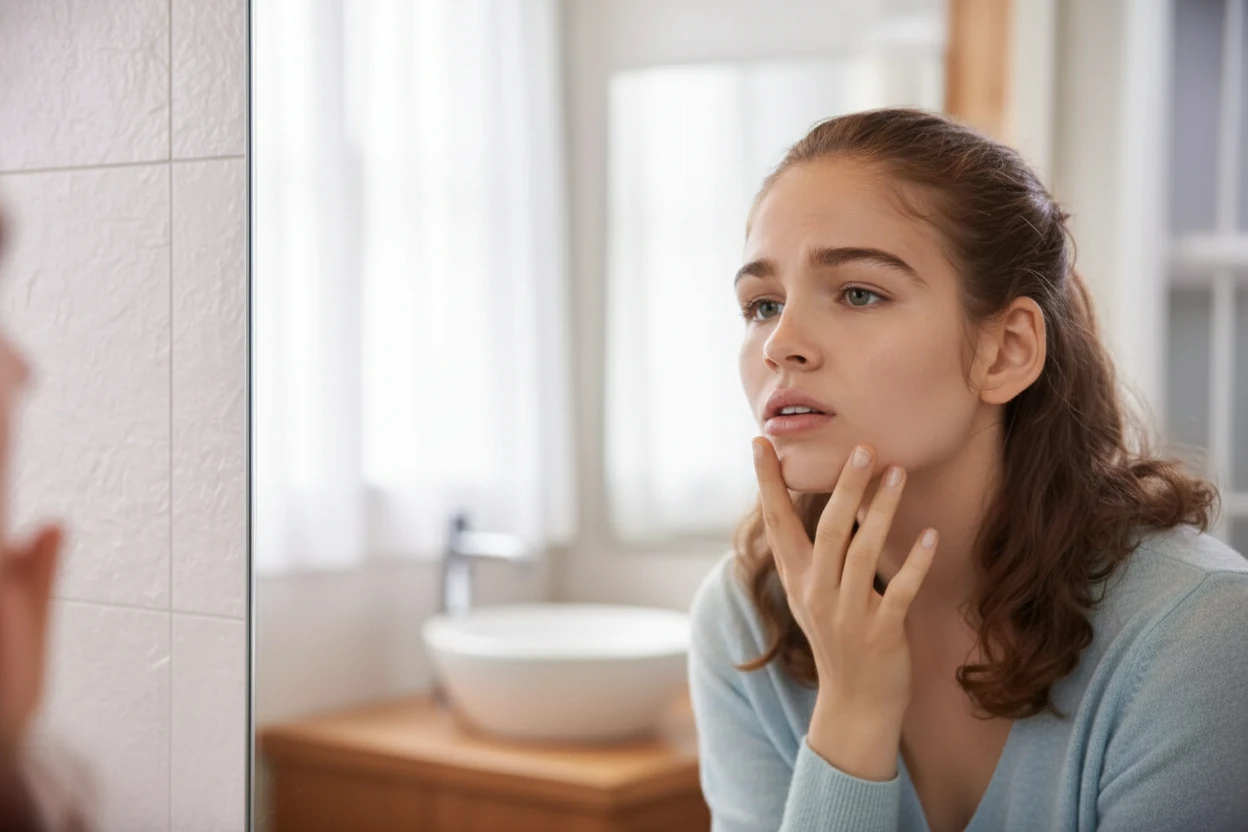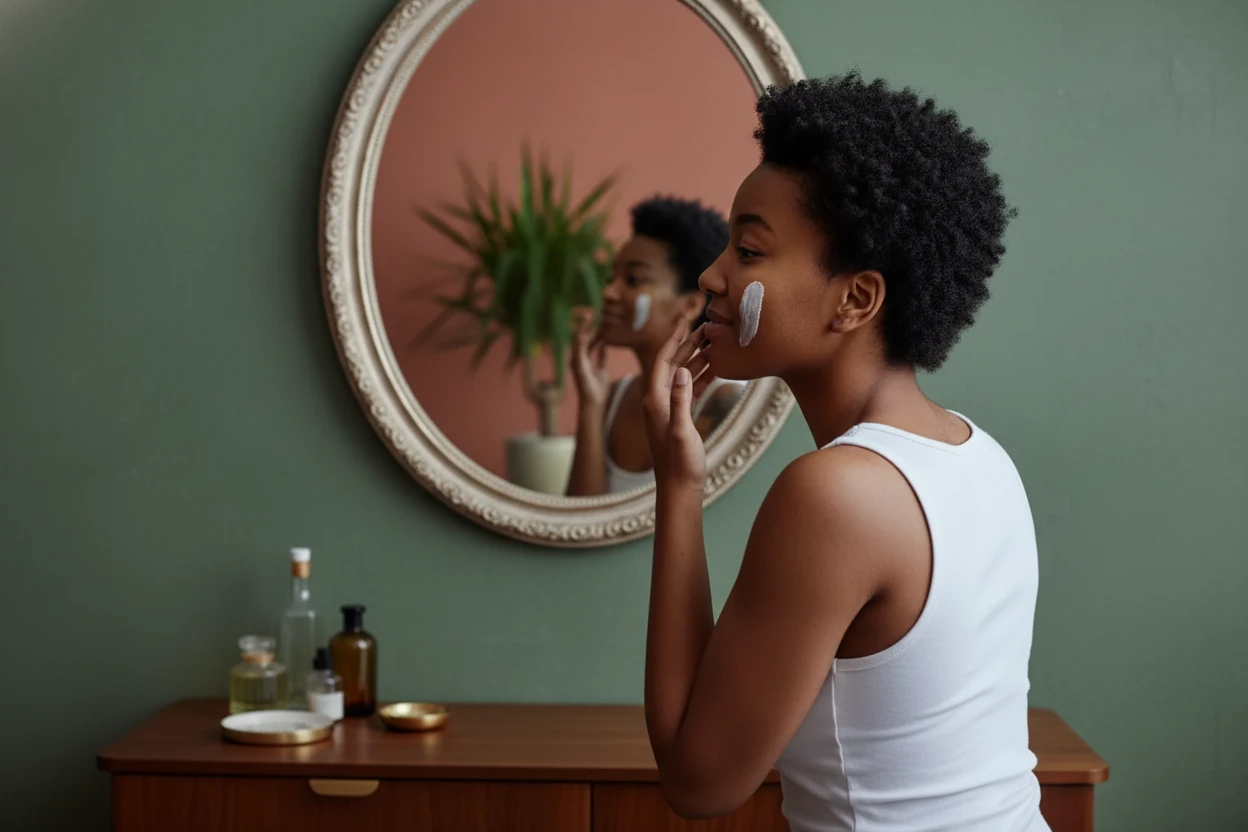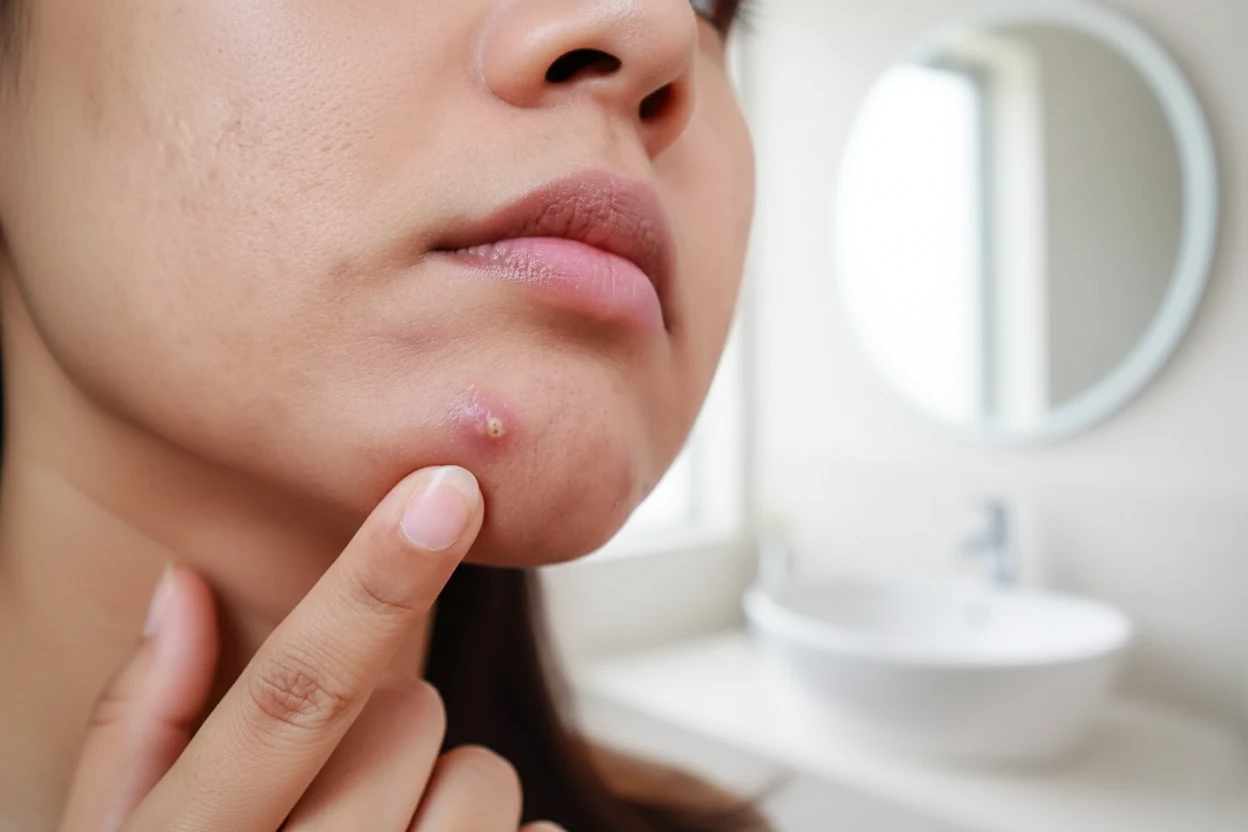
Lip pimples are a common skin concern that often affects adolescents and young adults worldwide. These pimples develop when pores around the lips become clogged with oil, dead skin cells, and bacteria, leading to inflammation and tender bumps1. Because the skin around the lips is thinner and contains many nerve endings, lip pimples can be particularly painful and uncomfortable, especially during eating or lip movement2. Understanding the causes, treatments, and prevention strategies can help manage and reduce the occurrence of these lesions effectively3.
Effective Treatments
Lip pimples are inflammatory acne-treatment-guideacne-treatment-guideacne-scar-removal-effective-treatments-and-preventionacne-scar-removal-effective-treatments-and-preventionacne lesions caused by clogged hair follicles and bacterial colonization. Treating them involves reducing inflammation, killing bacteria, and preventing further clogging of pores4. Standard treatments include topical and systemic medications, as well as procedural options.
- Topical agents such as retinoids, benzoyl peroxide, and salicylic acid are commonly used to treat acne lesions on the lip area by unclogging pores and reducing inflammation52.
- Systemic antibiotics like doxycycline and erythromycin, along with topical clindamycin, are prescribed for more severe inflammatory acne to reduce bacterial growth and inflammation6.
- Hormonal therapies, including combined oral contraceptives and anti-androgens like spironolactone, are particularly effective in females with hormone-related acne5.
- Procedural treatments such as chemical peels and photodynamic therapy can improve acne lesions and reduce scarring, especially in persistent cases5.
- Home remedies like cold compresses help decrease inflammation and provide symptomatic relief for painful lip pimples78.
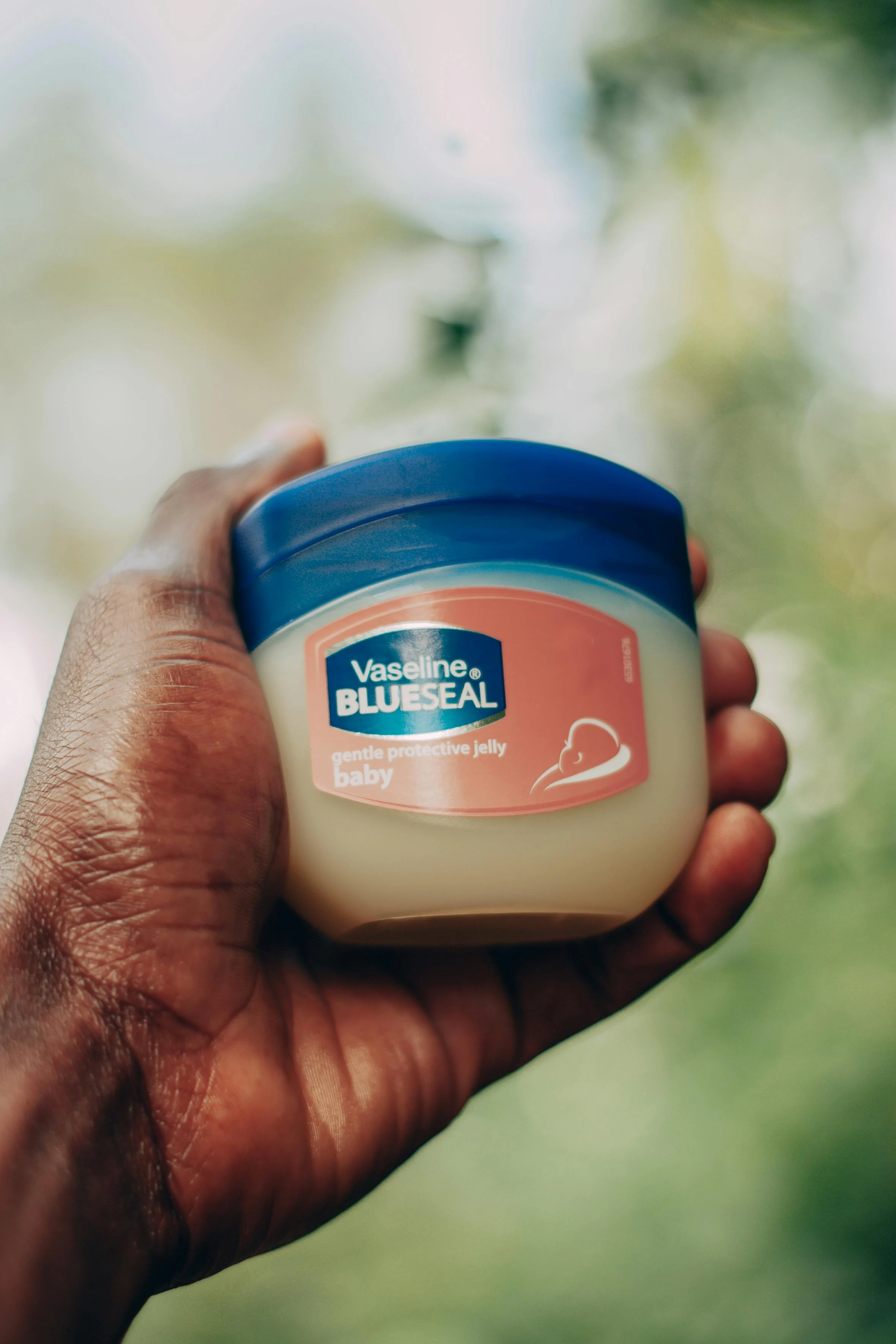
Additional supportive treatments include gentle cleansing with mild, alcohol-free cleansers twice daily and avoiding harsh astringents or exfoliants that can irritate the delicate lip skin83. Natural remedies such as castor oil, which has anti-inflammatory properties, may also aid healing, but caution is advised with some substances like lemon juice or tea tree oil due to potential irritation or toxicity if ingested8.
“It usually just aggravates it. When you try to push on something that’s very red and painful, you’re just going to make it worse because you’re putting more pressure on it and causing more inflammation. It can also spring a leak backward into the skin, which makes it even worse.”
— Vickie Baker, MD, Cleveland Clinic2
Common Causes
Lip pimples occur due to the same mechanisms as acne vulgaris on other parts of the face. The main cause is follicular occlusion, where hair follicles become clogged with excess sebum (oil) and dead skin cells, creating an environment for bacteria to proliferate and trigger inflammation61.
- The bacterium Cutibacterium acnes thrives in clogged follicles, causing an immune response that leads to swelling, redness, and formation of papules or pustules96.
- Hormonal fluctuations, especially during puberty and menstrual cycles, increase oil production and contribute to acne development1011.
- External factors such as oily or comedogenic cosmetics, lip balms, and lipsticks can block pores around the lips31.
- Diets high in sugar, dairy, and fats may exacerbate acne lesions by influencing hormonal and inflammatory pathways123.
- Frequent touching of the face, sweating without cleansing, and environmental irritants like pollution can worsen pore clogging and bacterial colonization43.
Risk Factors
Several factors increase the likelihood of developing lip pimples:
- Age: Adolescents and young adults are most commonly affected due to hormonal changes101.
- Genetic predisposition: Family history plays a significant role in acne susceptibility136.
- Medications: Corticosteroids, lithium, and androgenic steroids can induce or worsen acne63.
- Stress and poor hygiene: Both can exacerbate inflammation and bacterial growth3.
- Use of harsh skincare products or over-exfoliation damages the skin barrier, increasing irritation and acne risk47.
Anywhere where you get a pimple, you have a hair follicle. So, the hair follicles can become inflamed or blocked for different reasons. 2
Lip Pimple Prevention
Preventing lip pimples focuses on maintaining gentle skin care, avoiding irritants, and adopting healthy lifestyle habits to reduce pore clogging and inflammation.
- Cleanse the skin twice daily with mild, non-comedogenic, alcohol-free cleansers to remove excess oil and dirt without irritating the skin48.
- Avoid over-washing, aggressive scrubbing, and excessive use of astringents or exfoliants, which can damage the skin barrier and worsen acne78.
- Remove all makeup and lip products before bedtime to prevent pore blockage3.
- Limit touching the face and avoid lip licking to reduce bacterial transfer and irritation73.
- Use skincare and lip products labeled as non-comedogenic and avoid oily or heavy cosmetics around the lip area43.
- Manage stress through relaxation techniques, as stress can exacerbate acne3.
- Maintain a balanced diet low in high-glycemic foods and dairy to reduce acne triggers123.
Defining a Lip Pimple
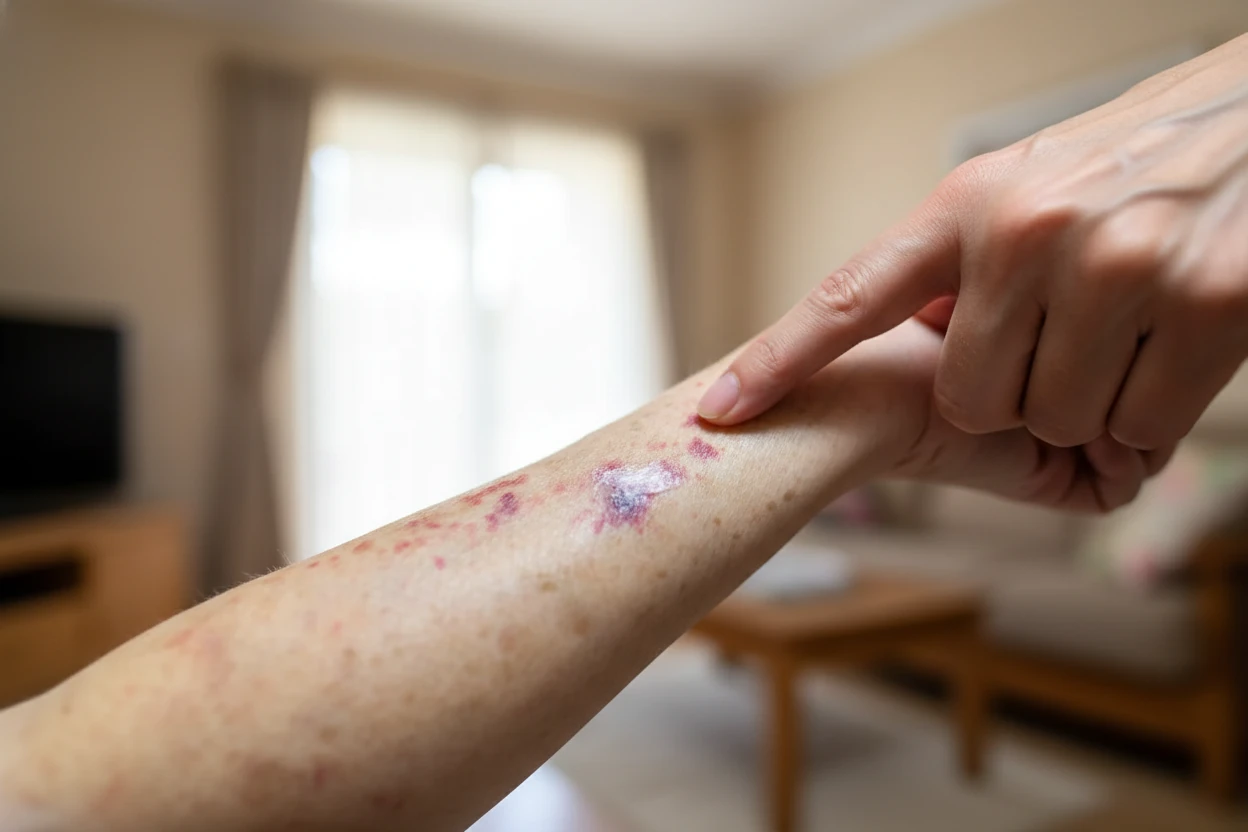
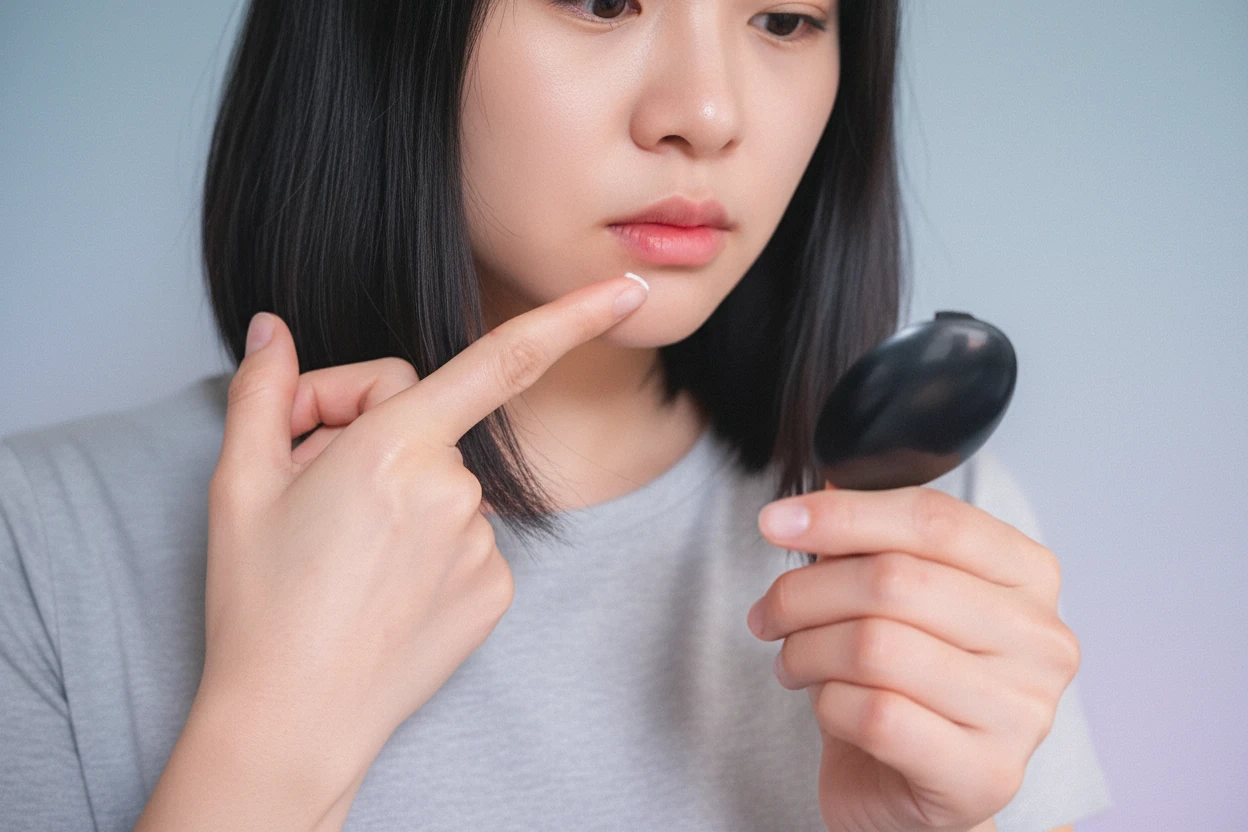
A lip pimple is a localized inflammatory lesion of acne vulgaris occurring on or near the lip skin, typically on the vermillion border or corners of the mouth157. These lesions arise when hair follicles become clogged with oil, dead skin cells, and bacteria, leading to inflammation.
- Papules are small, solid, inflamed bumps without pus, while pustules contain visible pus within the raised lesion6.
- Lip pimples can be tender or painful due to the thin skin and high concentration of nerve endings in the area71.
- It is important to differentiate lip pimples from other lip lesions such as cold sores caused by herpes simplex virus, which present as painful vesicles rather than inflamed bumps1614.
Lip pimples may last from several days to weeks and can cause discomfort during lip movement or eating72. Avoiding manipulation of these lesions is crucial to prevent infection and scarring1714.
Key Takeaways
- Lip pimples are inflammatory acne lesions caused by clogged pores and bacterial overgrowth around the lips, often painful due to the area's sensitivity61.
- Effective treatments include topical retinoids, benzoyl peroxide, salicylic acid, systemic antibiotics, hormonal therapies, and procedural options like chemical peels452.
- Prevention relies on gentle cleansing, avoiding irritants, proper hygiene, and lifestyle modifications such as stress management and a balanced diet4127.
- Popping or squeezing lip pimples is discouraged as it can worsen inflammation, cause infection, and lead to scarring17214.
- Differentiating lip pimples from cold sores is important for appropriate treatment, as cold sores are viral and require different management1614.
Frequently Asked Questions
Q: How long does a lip pimple usually last?
A: Lip pimples may take up to two weeks or longer to heal completely without treatment, but appropriate therapies can shorten this duration218.
Q: Can I use over-the-counter acne products on my lips?
A: Some topical acne treatments like benzoyl peroxide and salicylic acid can be used carefully around the lips, but products specifically state to avoid direct application on lips due to sensitivity. Gentle use and dermatologist guidance are recommended814.
Q: When should I see a dermatologist for lip pimples?
A: Consult a healthcare professional if lip pimples are frequent, persistent, growing in size, or if over-the-counter treatments fail to improve the condition within 4–8 weeks191.
Q: Are lip pimples contagious?
A: No, lip pimples caused by acne are not contagious. However, cold sores caused by herpes simplex virus are contagious and require different precautions16.