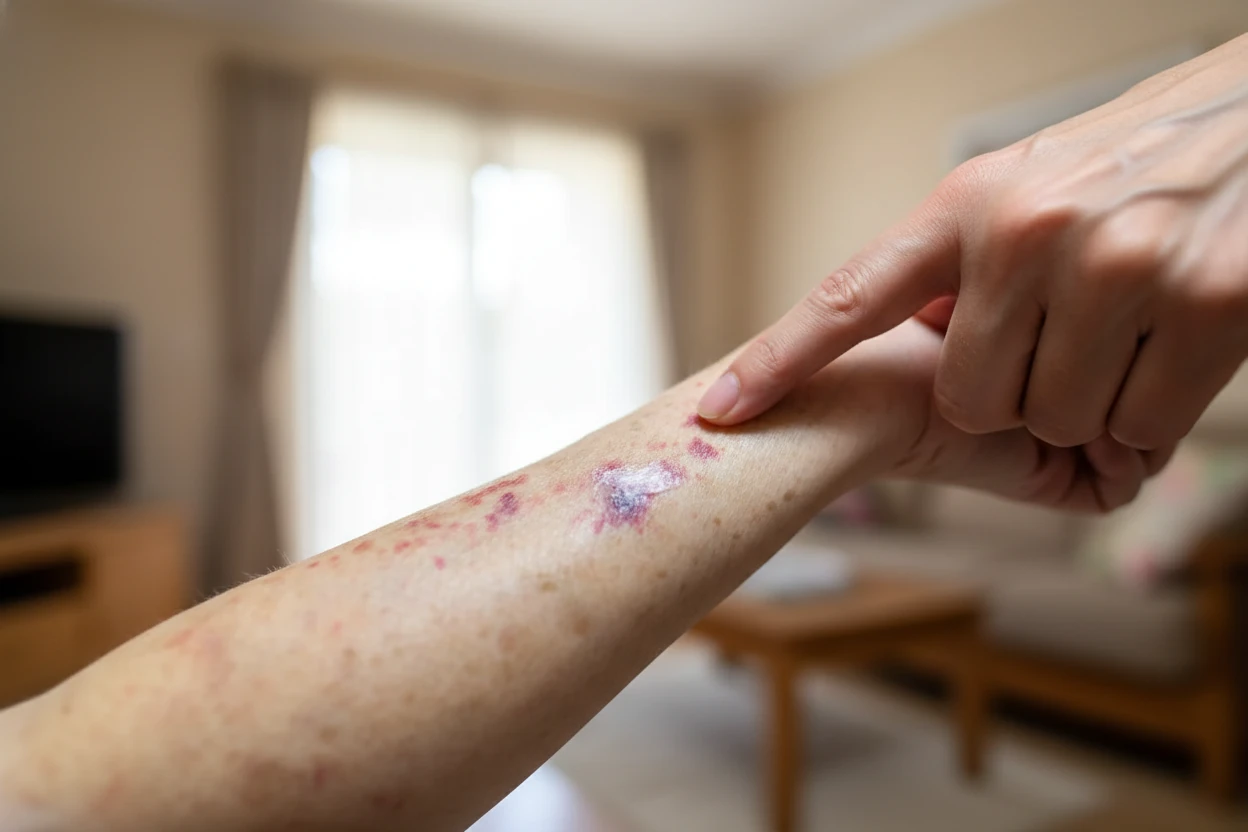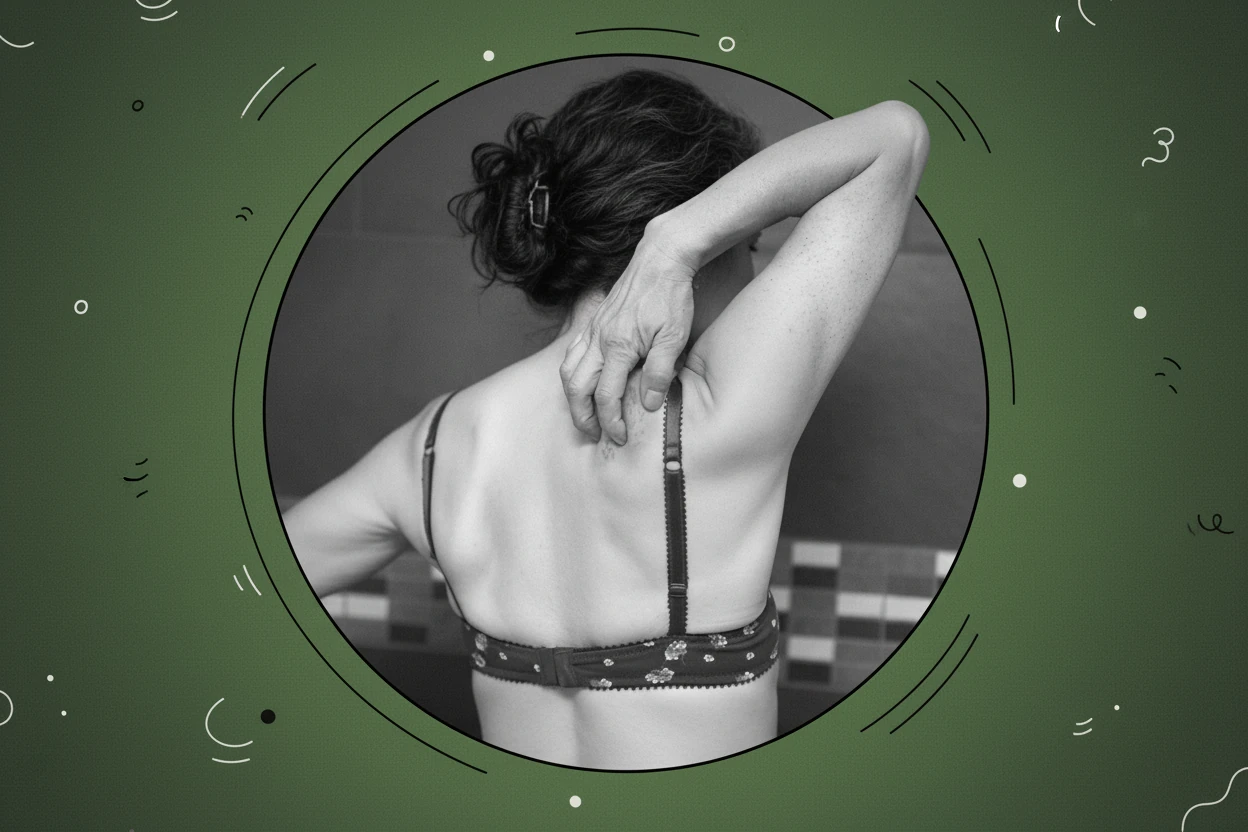
Hidradenitis suppurativa (HS) is a chronic inflammatory skin condition marked by painful nodules, abscesses, and scarring in hair-bearing areas of the body1. This disease is caused by clogged hair follicles, leading to inflammation and recurrent lesions2. Laser hair removal (LHR) has emerged as an effective treatment option for mild to moderate HS by targeting the hair follicles involved in disease progression, reducing lesion formation and improving symptoms3. Various laser types, including Alexandrite and Nd:YAG lasers, are used depending on skin type and disease severity4.
Benefits of Laser Hair Removal for HS
Laser hair removal offers several benefits for patients with HS by addressing the root cause of the disease—hair follicle occlusion. By reducing follicular occlusion, LHR decreases the formation of inflammatory nodules and abscesses5. This reduction in lesions has been shown to improve the quality of life for HS patients6. Additionally, laser treatments may lower bacterial colonization and sebaceous gland activity in affected areas, further contributing to symptom relief5.
Other key benefits include:
- Significant reduction in the number of inflammatory lesions and flare-ups4.
- Improvement in pain and drainage symptoms reported by most treated patients7.
- Decreased scarring and fewer acute flares after multiple treatment sessions4.
- Minimal systemic side effects compared to oral medications8.
Laser hair removal is often recommended for people with hidradenitis suppurativa (HS) to reduce hair follicles, which worsen HS symptoms. This approach targets the underlying cause of HS by preventing follicular blockage and subsequent inflammation9.
How Laser Hair Removal Treats HS
Laser hair removal treats HS by selectively targeting and destroying hair follicles, which play a central role in HS pathogenesis. The process, known as selective photothermolysis, uses specific wavelengths of light absorbed by melanin (the pigment in hair) to generate heat that damages the follicle without harming surrounding skin10. This destruction of hair follicles reduces follicular occlusion and inflammation, leading to fewer HS lesions1.
Alexandrite Laser
The Alexandrite laser operates at a wavelength of 755 nm, which is highly absorbed by melanin, making it effective for lighter skin types with dark hair11. Its larger spot size allows for quicker treatment sessions and improved patient comfort12. Alexandrite lasers are particularly suited for mild to moderate HS cases due to their efficient melanin targeting and relatively fast, less painful treatments13.
- Best for Fitzpatrick skin types I–III (lighter skin)11.
- Effective in reducing HS lesions and flare-ups in early-stage disease14.
- Allows faster coverage of affected areas with minimal discomfort12.
Neodymium: Yttrium-Aluminum-Garnet (Nd:YAG) Laser
The Nd:YAG laser emits light at 1064 nm, which penetrates deeper into the skin and is safer for darker skin types (Fitzpatrick IV–VI)10. It is effective in treating recurrent HS lesions, especially in patients with dark, thick hair15. Nd:YAG lasers reduce follicular occlusion and inflammation by destroying hair follicles at greater depths, making them suitable for a broader range of skin tones and HS severities16.
- Preferred for darker skin types to minimize pigmentary side effects16.
- Demonstrated significant clinical improvement in HS severity scores7.
- Can cause temporary increases in pain and drainage after treatment in some patients8.
| Laser Type | Wavelength (nm) | Best Skin Type | HS Severity Suitability | Key Advantages |
|---|---|---|---|---|
| Alexandrite | 755 | Fitzpatrick I–III (light) | Mild to moderate | Efficient melanin targeting, faster treatment, less pain111312 |
| Nd:YAG | 1064 | Fitzpatrick IV–VI (dark) | Mild to moderate | Deeper penetration, safer for dark skin, effective for thick hair10167 |
| Sources:11131210167 | ||||
Who Is a Candidate for Laser Hair Removal?
Laser hair removal is primarily recommended for individuals with mild to moderate HS, typically classified as Hurley stage 1 or 28. The Hurley staging system categorizes HS severity based on lesion extent and scarring, guiding treatment decisions17. Patients with severe HS (Hurley stage 3) often have extensive scarring and sinus tracts, which limit the effectiveness of laser hair removal15.
Candidates for LHR include:
- Patients with stable mild to moderate HS lesions18.
- Individuals with hair characteristics suitable for laser targeting (dark hair preferred)10.
- Those with skin phototypes compatible with the chosen laser type to minimize side effects11.
- Patients seeking a treatment option with fewer systemic side effects than oral medications8.
Laser hair removal is less effective or not recommended for:
- Severe HS with extensive scarring and sinus tracts15.
- Patients with very light or gray hair, as melanin targeting is less effective8.
- Individuals with active infections or unstable disease18.
Laser Hair Removal Procedure and Expectations
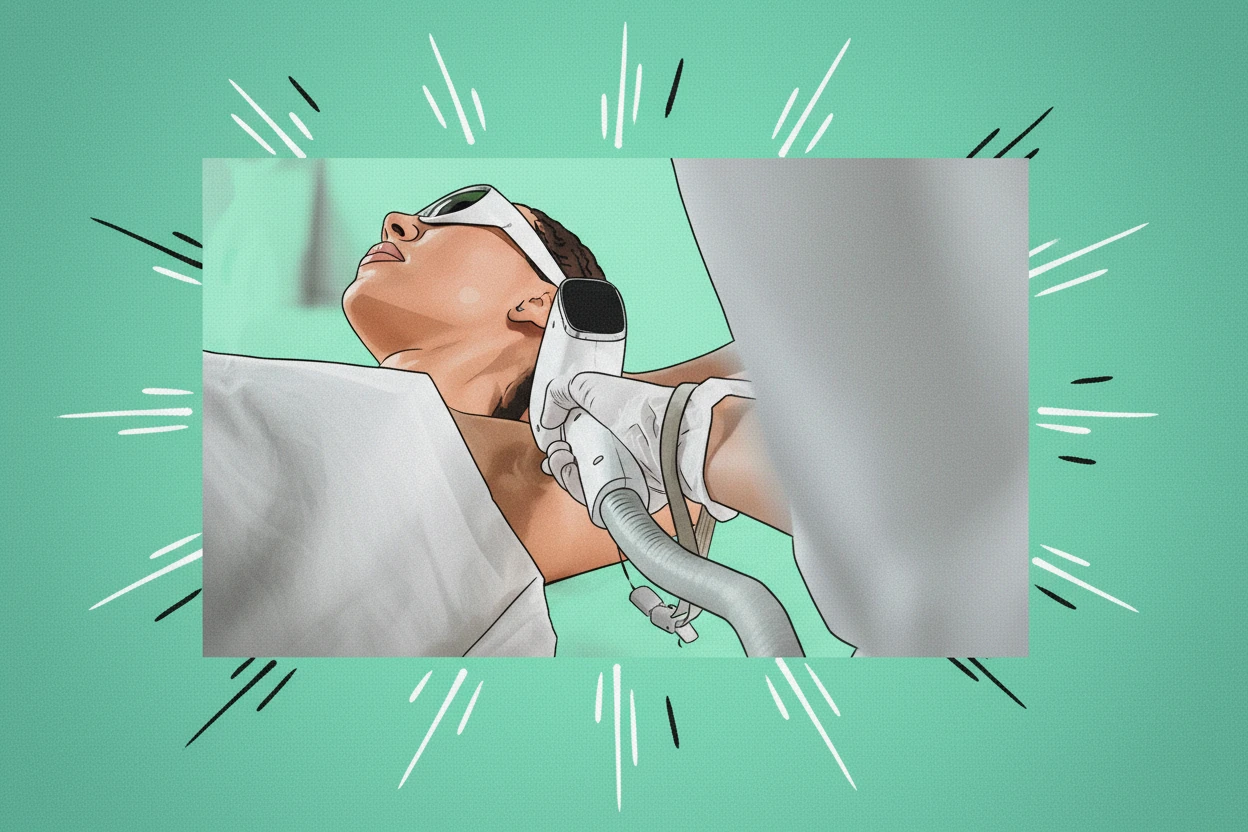
Laser hair removal for HS involves multiple treatment sessions, typically spaced 4 to 8 weeks apart, to achieve optimal results19. Before treatment, a topical anesthetic may be applied to reduce discomfort, requiring 20 to 60 minutes to take effect19. Both the patient and provider must wear protective goggles to prevent eye injury during the procedure19.
During treatment:
- The laser handpiece is applied with firm contact to the skin to deliver energy to hair follicles19.
- Patients often describe the sensation as snapping or mild stinging19.
- Treatment duration varies by area size, ranging from a few minutes for small areas to over an hour for larger regions19.
- Most patients resume normal activities immediately after treatment with minimal recovery time19.
Post-treatment care includes:
- Cooling the treated area to reduce redness and swelling19.
- Applying moisturizers and avoiding sun exposure to minimize side effects19.
- Using cold packs or soothing measures to alleviate inflammation19.
CO2 laser therapy is generally reserved for severe HS cases to surgically remove sinus tracts rather than for hair removal20. This approach promotes healing by ablating the epithelialized lining of sinus tracts20.
Potential Risks and Side Effects
Laser hair removal for HS is generally safe when performed by trained professionals, but some risks and side effects exist. Common immediate side effects include transient redness, swelling, and mild pain at the treatment site21. These symptoms usually resolve quickly without intervention19.
Rare but possible complications include:
- Blistering and skin burns, especially if improperly performed22.
- Pigmentary changes such as lightening or darkening of the skin22.
- Scarring and secondary infections in rare cases22.
- Temporary increase in pain or drainage after treatment with Nd:YAG laser8.
Proper training and medical supervision reduce the risk of adverse effects and improve treatment outcomes17. Advances in laser technology have enhanced safety for diverse skin and hair types16.
Choosing a Qualified Laser Hair Removal Provider
Selecting a qualified provider is crucial for safe and effective laser hair removal in HS. Providers with medical training, such as dermatologists, are preferred due to their expertise in skin conditions and laser therapies1. Licensing and regulation of laser hair removal providers vary by jurisdiction, so verifying credentials is important17.
Key considerations when choosing a provider:
- Confirm medical training and board certification, preferably in dermatology1.
- Verify licensure and credentials specific to laser treatments17.
- Seek providers experienced in treating HS with laser hair removal23.
- Check if the provider is in-network with insurance, although LHR is often considered cosmetic and not covered1.
- Understand treatment costs, which vary by body area and number of sessions, often several hundred dollars per session1.
Comparing Laser Hair Removal to Other HS Treatments
Laser hair removal is an adjunctive treatment in HS management and is often combined with other therapies. Conventional treatments include topical and systemic antibiotics, hormonal agents, and biologic therapies17. Topical clindamycin reduces bacterial load and inflammation in mild HS, while resorcinol acts as a keratolytic and anti-inflammatory agent17. Hormonal treatments modulate androgen effects, which play a role in HS pathogenesis24. Biologic agents such as TNF-alpha inhibitors are approved for moderate to severe HS and can be complemented by laser therapy17.
Compared to other treatments, laser hair removal:
- Targets the root cause by reducing hair follicles and follicular occlusion1.
- Causes fewer systemic side effects than oral antibiotics or biologics8.
- Is less effective for severe HS with extensive scarring, where surgical options like CO2 laser deroofing are preferred2025.
- Requires multiple sessions but has minimal downtime and rapid recovery19.
| Treatment Type | Mechanism | HS Severity Suitability | Side Effects | Notes |
|---|---|---|---|---|
| Laser Hair Removal | Destroys hair follicles | Mild to moderate | Mild redness, swelling | Adjunctive, minimal systemic effects18 |
| Topical Antibiotics | Reduces bacteria and inflammation | Mild | Local irritation | Often first-line for mild HS17 |
| Hormonal Therapy | Modulates androgen effects | Mild to moderate | Hormonal side effects | Useful in hormone-influenced HS24 |
| Biologic Agents | Immunomodulation (TNF-alpha inhibitors) | Moderate to severe | Immunosuppression risks | Approved for severe HS17 |
| CO2 Laser Surgery | Ablates sinus tracts | Severe | Post-surgical pain, scarring | Used for refractory or advanced HS2025 |
| Sources:1817242025 | ||||
Summary and Key Takeaways
Laser hair removal is a safe and effective option for treating hidradenitis suppurativa (HS), a chronic skin condition caused by clogged hair follicles. Laser hair removal can help manage HS symptoms by using a laser to emit a beam of highly concentrated light that removes the clogged hair follicles from the body2.
Laser hair removal is a safe and effective treatment option for mild to moderate hidradenitis suppurativa. By targeting and destroying hair follicles, it reduces follicular occlusion, inflammation, and lesion formation, improving patient symptoms and quality of life15. Alexandrite lasers are best suited for lighter skin types, while Nd:YAG lasers are safer and effective for darker skin tones1116. Multiple treatment sessions spaced weeks apart are necessary, with minimal downtime and manageable side effects19.
Key takeaways:
- Laser hair removal significantly reduces HS lesion count and flare-ups in mild to moderate cases3.
- Treatment choice depends on skin phototype, hair color, and HS severity1011.
- Side effects are generally mild, including redness and swelling; rare complications require expert care22.
- Qualified providers, preferably dermatologists, ensure safer and more effective treatments117.
- Laser hair removal complements other HS therapies but is not suitable for severe HS with extensive scarring208.