Impetigo is a highly contagious bacterial skin infection that primarily affects young children worldwide1. It commonly appears as red sores that quickly burst and form distinctive honey-colored crusts, often around the nose and mouth2. Although impetigo can sometimes clear up on its own within a few weeks, medical treatment with antibiotics helps reduce symptoms, prevent complications, and limit the spread to others3. Understanding the types, symptoms, causes, and treatments of impetigo is essential for effective management and prevention4.
Types of Impetigo
Impetigo is classified into three main types based on the appearance of skin lesions and the bacteria involved: non-bullous impetigo, bullous impetigo, and ecthyma5.
Non-bullous Impetigo
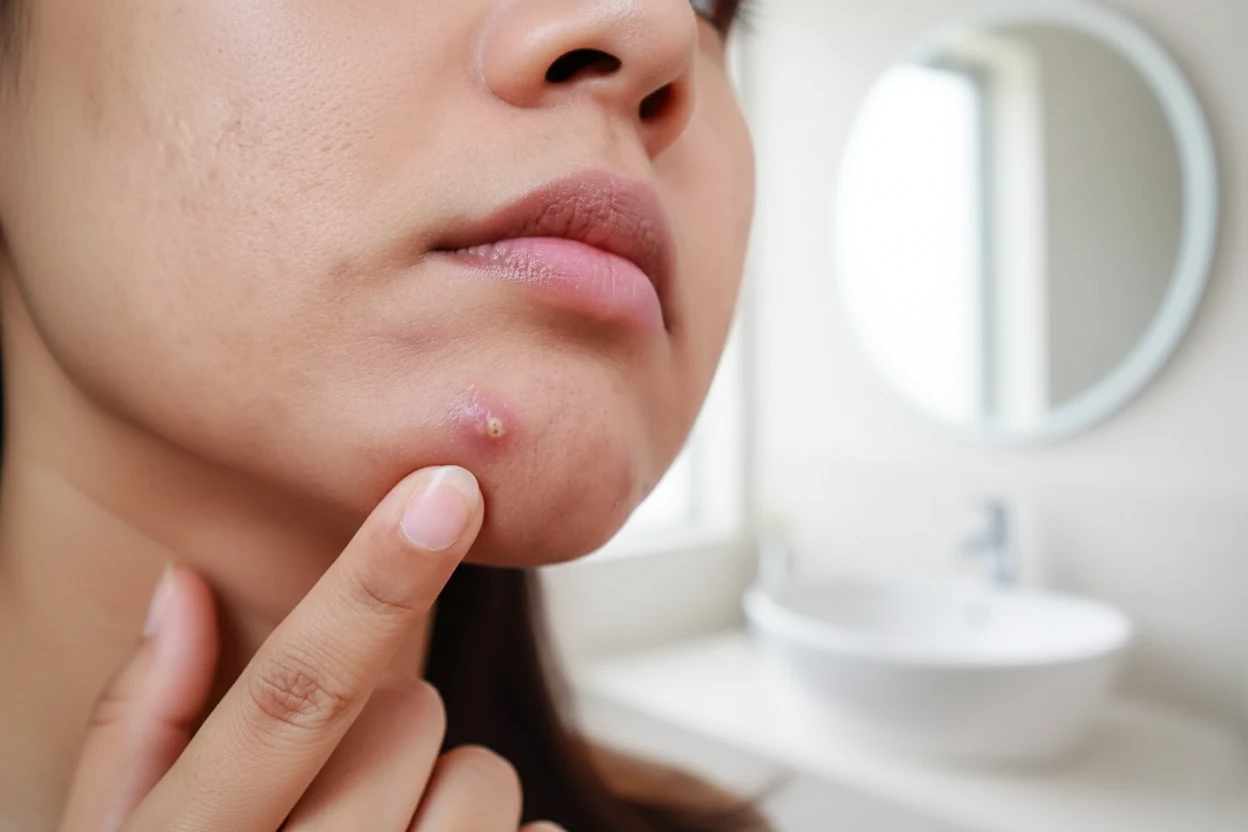
Non-bullous impetigo is the most common form, accounting for about 70% of cases6. It is caused by Staphylococcus aureus or Streptococcus pyogenes bacteria4. This type begins as red, itchy papules that quickly develop into pustules on damaged or broken skin5. When these pustules rupture, they form the characteristic honey-colored crusts that are easily recognized4. The infection remains superficial, affecting only the outermost layer of the skin (epidermis) without deeper tissue involvement7.
“Nonbullous impetigo, or impetigo contagiosa, is caused by Staphylococcus aureus or Streptococcus pyogenes, and is characterized by honey-colored crusts on the face and extremities.”
— Christine Banvard, American Academy of Family Physicians8
Bullous Impetigo
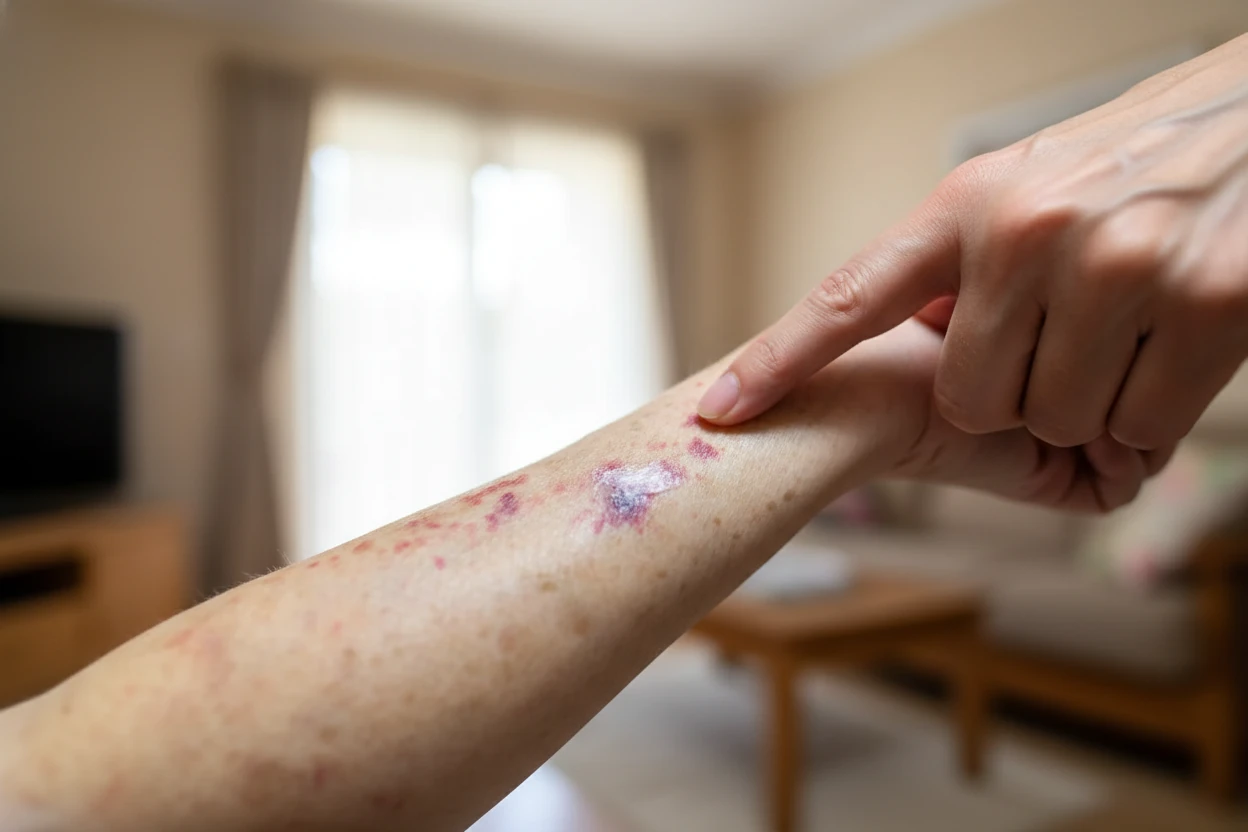
Bullous impetigo is caused exclusively by toxin-producing Staphylococcus aureus strains9. It presents with larger, fragile blisters (bullae) filled with clear or yellow fluid that can appear on intact or damaged skin, commonly on the face and extremities5. These bullae rupture easily, leaving red, moist areas underneath9. Bullous impetigo tends to affect deeper layers of the epidermis compared to non-bullous impetigo and usually has a more severe course with longer healing times5.
“Bullous impetigo is caused only by Staphylococcus aureus and is characterized by large, fragile, flaccid bullae that can rupture and ooze yellow fluid.”
— Gregory Juckett, American Academy of Family Physicians8
Ecthyma
Ecthyma is a less common but more severe form of impetigo where the infection penetrates deeper into the skin, reaching the dermis510. It causes painful, fluid- or pus-filled sores that develop thick crusts and may leave scars after healing10. Ecthyma often requires more aggressive treatment due to its depth and potential for complications5.
Impetigo Symptoms
Impetigo typically begins with red, itchy sores or papules that quickly develop into blisters or pustules4. These blisters rupture easily, exposing moist, red skin beneath and forming the classic honey-colored crusts4. The affected skin around the sores may be tender and swollen, with redness extending beyond the lesions5. Regional lymph nodes near the infection site can become enlarged and tender5. The face, especially around the nose and mouth, is the most common location for impetigo lesions, but sores can also appear on the hands, feet, and other exposed areas42.
- Red, itchy sores or papules that develop into pustules4
- Blisters that rupture and form honey-colored crusts4
- Tenderness and redness around lesions5
- Swollen regional lymph nodes5
- Commonly affects the face, especially around the nose and mouth4
Impetigo Causes
Impetigo is caused by bacterial infection, primarily from Staphylococcus aureus and group A beta-hemolytic Streptococcus (also known as Streptococcus pyogenes)4. These bacteria normally colonize the skin, nose, and throat without causing harm but can invade through breaks in the skin such as cuts, insect bites, or other skin damage5. Once inside, the bacteria multiply in the superficial layers of the skin, leading to the characteristic sores and crusts of impetigo5. The infection spreads easily through direct skin-to-skin contact with infected sores or by touching contaminated objects4.
Risk Factors
Several factors increase the risk of developing impetigo:
- Scratching or touching sores and then touching other body parts, spreading the infection67
- Direct contact with an infected person’s skin, including hugs, kisses, or handshakes67
- Participation in contact sports such as football and wrestling67
- Spending time in crowded environments like daycares or schools67
- Having preexisting skin conditions that cause breaks in the skin, such as eczema or psoriasis67
Diagnosing Impetigo
Diagnosis of impetigo is primarily clinical, based on the appearance of characteristic sores and crusts1112. In most cases, a healthcare provider can identify impetigo through physical examination alone11. Laboratory tests, such as bacterial cultures from skin or nasal swabs, are reserved for severe, recurrent, or treatment-resistant cases to identify the specific bacteria and antibiotic sensitivities61311. Skin biopsy is rarely needed and is only considered for atypical or unclear presentations611.
Impetigo Treatment
Treatment aims to eradicate the infection, relieve symptoms, and prevent spread to others11. Antibiotic therapy is the mainstay of treatment, with the choice of topical versus systemic antibiotics depending on the severity and extent of the infection11.
Antibiotics
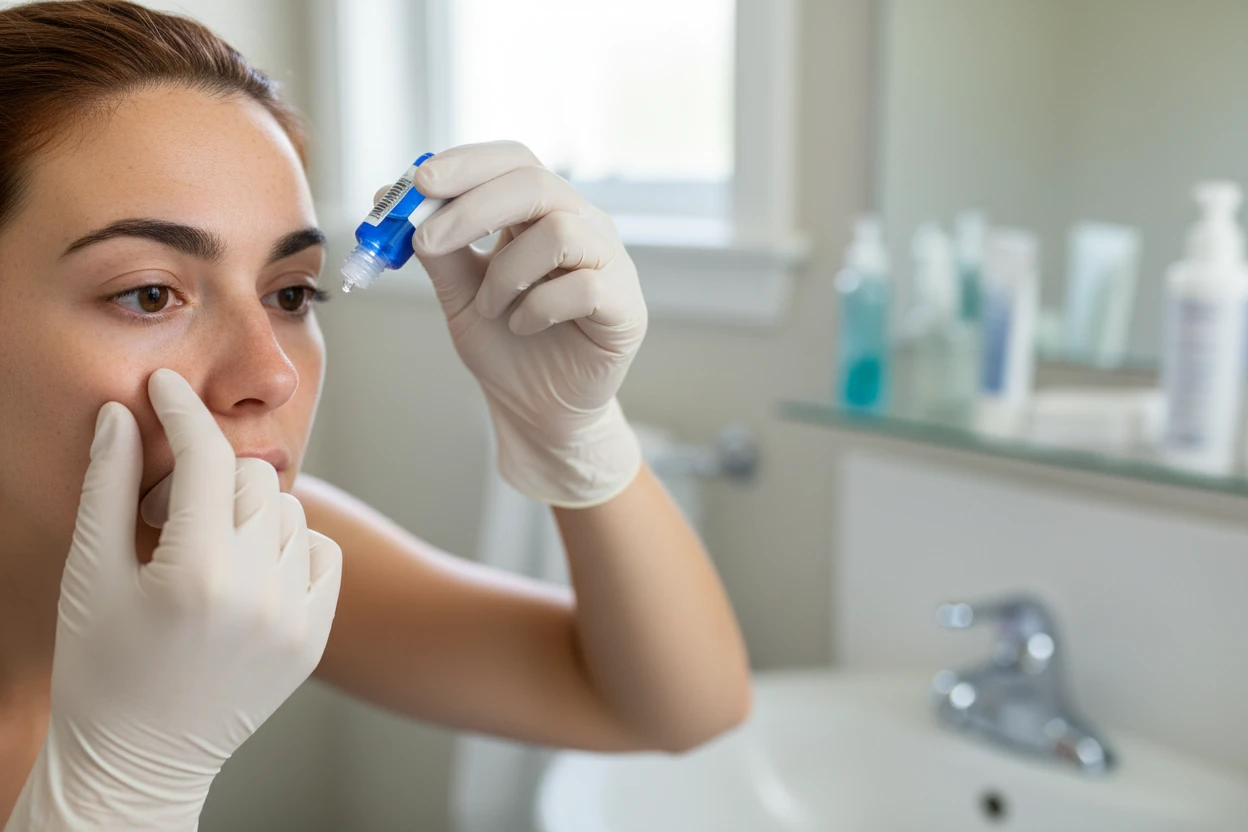
For localized impetigo with few sores, topical antibiotics such as mupirocin or fusidic acid ointments are preferred115. These topical agents effectively target Staphylococcus aureus and Streptococcus pyogenes5. When the infection is extensive, involves deeper skin layers, or is bullous impetigo, oral antibiotics like cephalexin or macrolides (e.g., erythromycin) are recommended115. Oral penicillin is generally avoided because it is less effective against S. aureus8. Treatment typically lasts 5 to 10 days, and completing the full course is important to prevent recurrence and resistance12.
At-Home Treatments
Supportive care can help soothe symptoms and promote healing during antibiotic treatment. Warm wet dressings or compresses applied for 15–20 minutes can reduce discomfort and loosen crusts for easier removal54. After soaking, the skin should be gently dried to avoid irritation4. Keeping sores clean and covered with sterile dressings helps prevent bacterial spread and reduces scratching5. Good hygiene practices, such as frequent handwashing and avoiding touching lesions, are essential4.
Preventing Impetigo
Preventing impetigo focuses on reducing bacterial transmission and minimizing skin injury. Key preventive measures include:
- Washing hands frequently with soap and water, especially before and after touching the skin or wounds67
- Keeping cuts, scrapes, and insect bites clean and covered with sterile bandages67
- Avoiding sharing personal items such as towels, clothing, and bedding67
- Regular bathing or showering, particularly after activities involving close contact67
- Disinfecting surfaces and items that may be contaminated, such as gym equipment and towels67
- Managing skin conditions like eczema promptly to reduce skin breaks that allow bacterial entry675
Impetigo is highly contagious and spreads rapidly through direct contact and contaminated objects. Maintaining good hygiene and avoiding contact with infected individuals are the most effective ways to reduce the risk of infection45.
Impetigo Complications
While impetigo usually resolves without long-term effects when treated properly, complications can occur if left untreated or if the infection is severe. These include:
- Post-streptococcal glomerulonephritis (PGSN), a kidney inflammation caused by the immune response to Streptococcus bacteria, which can lead to symptoms like dark urine, swelling, fatigue, and high mcv blood test results meaning and normal range pressure1415
- Scarring, especially if sores penetrate deep into the skin or if the infected area is scratched during healing615
- Secondary bacterial infections such as cellulitis, which can spread to deeper skin layers and other body parts5
Managing Impetigo
Living with impetigo involves careful management to promote healing and prevent spread. Most cases improve within days of starting treatment and resolve fully within 1 to 2 weeks4. Itching and discomfort are common but scratching should be avoided to prevent worsening or spreading the infection5. Covering lesions with dressings can reduce scratching and transmission risk5. Warm compresses can soothe irritation and aid healing4. If symptoms persist or worsen despite treatment, medical reassessment is necessary11.
“Impetigo is a common infection of the superficial layers of the epidermis that is highly contagious and most commonly caused by gram-positive bacteria. It most commonly presents as erythematous plaques with a yellow crust and may be itchy or painful.”
— Naomi M. Nardi, StatPearls Publishing16
Impetigo FAQs
How long does impetigo last with treatment?
Symptoms usually improve within a few days and resolve completely in 1 to 2 weeks when treated with antibiotics4.
Can impetigo go away without treatment?
Spontaneous resolution is possible within 14 to 21 days, but treatment is recommended to reduce complications and prevent spread1116.
Is impetigo contagious?
Yes, impetigo is highly contagious until the sores crust over or after 24 to 48 hours of antibiotic treatment17.
What should I do if my child has impetigo?
Keep the sores clean and covered, apply prescribed antibiotics, avoid sharing personal items, and keep your child out of school or daycare for at least 24 hours after starting treatment3.