Hidradenitis suppurativa (HS) is a chronic inflammatory skin condition that affects about 1% of the global population, primarily emerging in early adulthood1. It causes painful lumps, abscesses, and tunnels under the skin, mainly in areas where skin rubs together, such as the armpits and groin2. Despite its prevalence, HS is often misdiagnosed or overlooked, leading to delayed treatment and significant impacts on quality of life3. Early recognition and diagnosis are crucial to managing symptoms and preventing complications1.
Recognizing Early Hidradenitis Suppurativa Skin Lesions & Symptoms
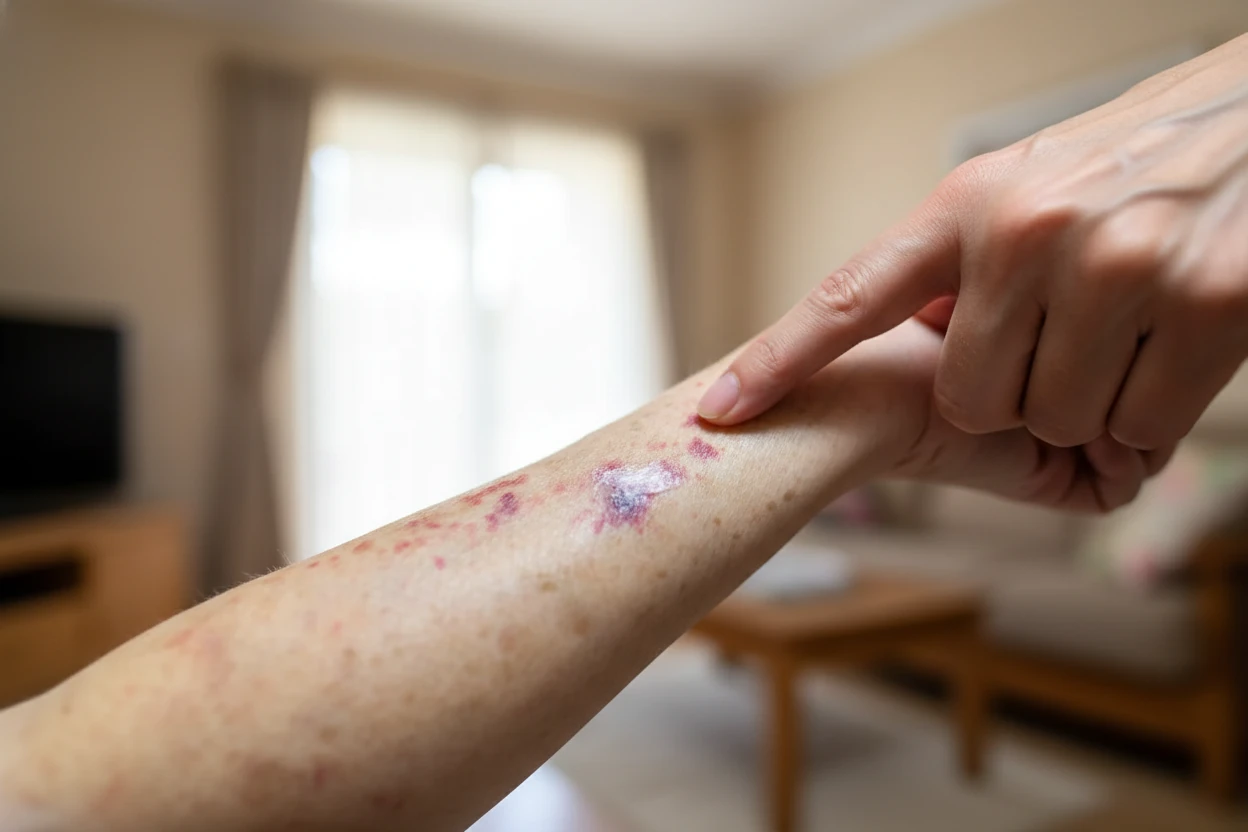
Hidradenitis suppurativa is not your typical acne-bacne-causes-treatments-and-preventionacne-treatment-guideacne-treatment-guideacne or pimple. It primarily affects areas rich in apocrine glands, such as the axillae (underarms), inframammary (under breasts), groin, and perineal regions451. Unlike common acne, HS lesions are deep-seated, painful nodules that can suppurate (produce pus) and form abscesses or sinus tracts (tunnels under the skin)67. These nodules are often firm and recurrent, either solitary or grouped, and may persist longer than typical pimples or boils46.
Early HS lesions are frequently mistaken for boils, folliculitis, or ingrown hairs, which contributes to an average diagnostic delay of 3 to 10 years in adults831. This delay worsens disease severity and increases the risk of complications1. Palpable, deep nodules or abscesses that persist beyond usual irritation or infection should prompt professional evaluation69.
HS lesions often appear in areas where skin rubs together and sweating is common, and symptoms may worsen with heat and sweating510. Groin discomfort and nodules that do not resolve with typical treatments may be early signs of HS9. Clinicians are encouraged to ask about recurrent lesions in typical HS sites to aid early diagnosis11.
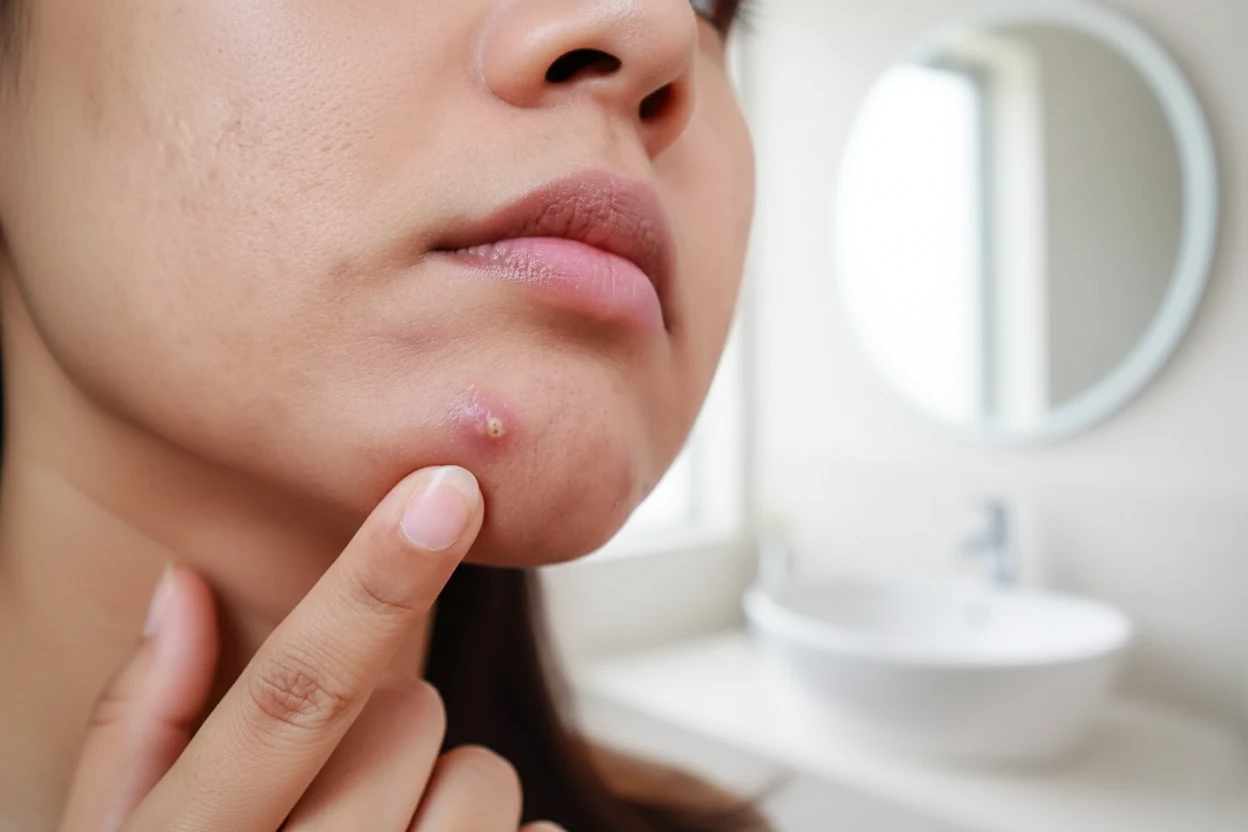
Differentiating HS from severe acne or other skin conditions like polycystic ovary syndrome (PCOS)-related cystic acne is important. PCOS acne usually affects the face, especially cheeks and jaw, while HS lesions occur in apocrine gland-bearing areas12. HS nodules are more painful and deeper than acne whiteheads or cysts613.
Key features to recognize early HS lesions:
- Painful, deep-seated nodules or abscesses in apocrine gland areas46
- Recurrence of nodules in the same or nearby locations411
- Lesions that suppurate or drain pus, sometimes with malodor1413
- Persistence beyond typical boils or folliculitis duration89
- Common sites: axillae, groin, inframammary, perineal, and perianal regions1551
“Hidradenitis suppurativa affects hair follicles and associated oil and sweat glands, leading to painful lumps and boils primarily in skin folds where friction occurs.2”
Coping With Emotional Distress & Mental Health in Hidradenitis Suppurativa
HS is more than a physical skin condition; it carries a significant psychological and emotional burden. Patients often experience confusion and shame due to the chronic nature of the disease and the locations of lesions, which are frequently hidden under clothing128. Misconceptions about hygiene and stigma can worsen feelings of isolation12.
The pain, malodor, and visible scarring associated with HS contribute to reduced quality of life, social anxiety, and emotional distress141312. Anxiety and depression are common comorbidities, with HS patients showing higher rates of these conditions compared to the general population14131. The risk of suicide among HS patients is nearly 2.5 times higher than average, underscoring the need for psychological support1.
Heat and sweating can exacerbate symptoms, making warm seasons particularly challenging and increasing discomfort and social withdrawal510. The psychological burden often motivates patients to seek diagnosis and treatment, but delays in recognition can prolong suffering148.
Strategies to cope with emotional distress in HS:
- Seeking professional mental health support for anxiety and depression141
- Understanding that HS is not caused by poor hygiene or contagious1210
- Using clothing and hygiene practices that minimize irritation and embarrassment51
- Recognizing the chronic but manageable nature of HS with proper care816
- Connecting with patient communities for shared experiences and support12
Emotional distress in HS patients is profound due to pain, stigma, and social isolation. Early diagnosis and validation of symptoms can improve mental health outcomes and quality of life.121314
The Importance of Early & Accurate Hidradenitis Suppurativa Diagnosis
Diagnosis of hidradenitis suppurativa is clinical, relying on patient history and physical examination of characteristic lesions in typical body areas51. There is no specific laboratory test for HS, which contributes to frequent misdiagnosis as boils, folliculitis, or acne168. Early lesions may not resemble textbook images, adding to diagnostic challenges5.
Diagnostic delays average seven years worldwide, during which patients often consult multiple specialists and receive several incorrect diagnoses31. This delay correlates with increased disease severity and comorbidities at diagnosis1. Early recognition by primary care and gynecological providers can improve outcomes and reduce complications911.
Clinical examination remains the cornerstone of diagnosis, with ultrasound increasingly used to detect early subclinical signs and assess severity1718. Gynecological exams can reveal HS signs in typical female locations, aiding diagnosis9. Diagnosis can sometimes be made based on history and subtle signs even without active lesions5.
Referral to dermatology specialists is recommended for accurate diagnosis and treatment planning, especially in moderate to severe cases451. Early diagnosis validates patient experiences and opens pathways to effective management811.
Common diagnostic challenges and recommendations:
- HS lesions often mistaken for common skin infections or acne811
- No laboratory test; diagnosis based on clinical features and history161
- Use of ultrasound can detect early disease not visible on examination1718
- Early referral to dermatology improves treatment outcomes45
- Screening for comorbidities like diabetes and depression is important1
“Hidradenitis suppurativa is a chronic inflammatory disease characterised by painful, deep-seated nodules, abscesses, and draining tunnels in the skin of axillary, inguinal, genitoanal, or inframammary areas.”
— The Lancet1
| Hurley Stage | Description | Clinical Features | Treatment Approach |
|---|---|---|---|
| Stage I | Single or multiple abscesses without sinus tracts or scarring | Rare, mild inflammatory nodules | Topical clindamycin, lifestyle changes191 |
| Stage II | Recurrent abscesses with sinus tracts and scarring; widely separated lesions | Moderate disease with tunnels and scars | Oral antibiotics, biologics, dermatology referral191 |
| Stage III | Diffuse skin involvement with multiple interconnected sinus tracts and abscesses | Severe, widespread disease with scarring | Surgical intervention, advanced therapies191 |
Finding Support From Peers & Community for Hidradenitis Suppurativa
Connecting with others who have hidradenitis suppurativa can empower patients and improve coping skills. Many people with HS have heard of the condition but do not recognize their symptoms as HS, which contributes to delayed care11. Even healthcare workers may delay diagnosis in themselves due to symptom variability8.
HS presentations vary widely, and early disease may not match typical textbook images, leading to symptom minimization by patients85. Peer support groups and social media platforms provide valuable spaces for sharing experiences, knowledge, and self-management strategies128.
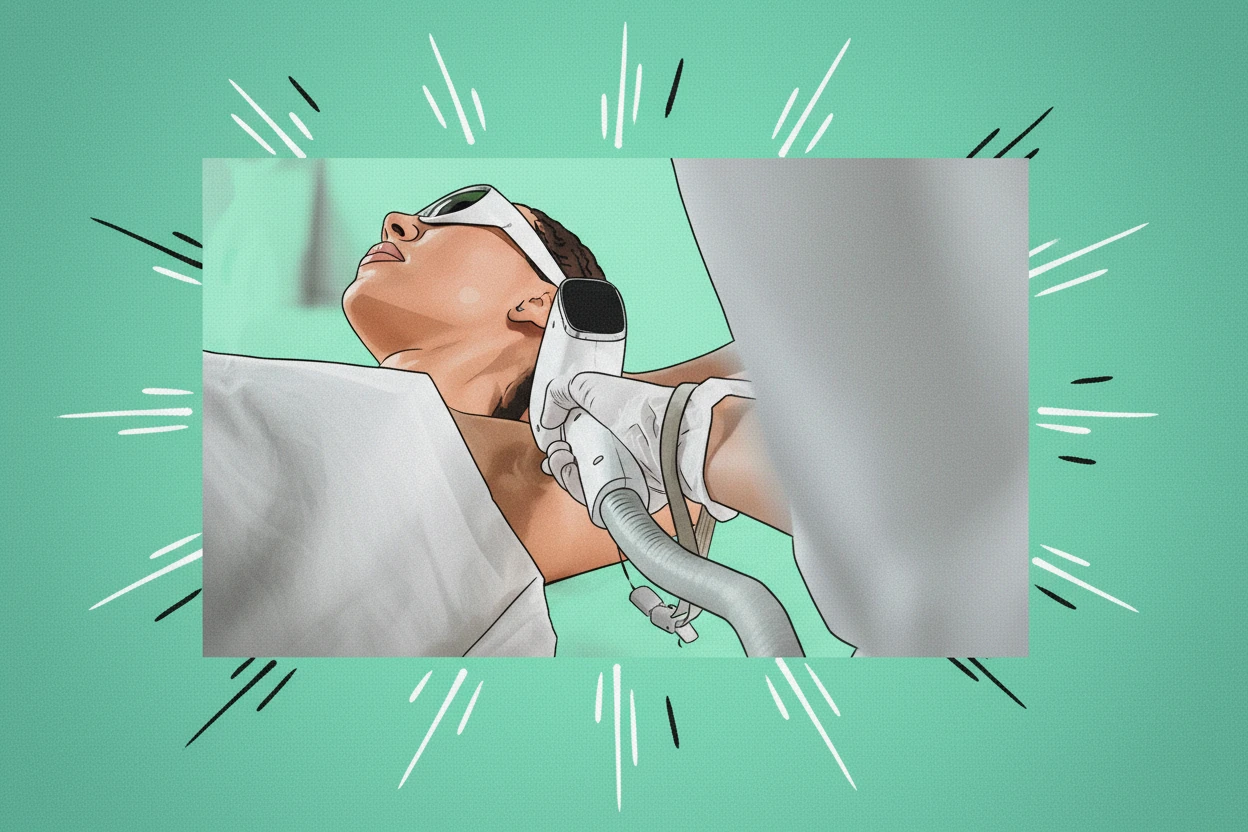
Self-care is a key component of HS management. Patients often use topical antibiotics and antiseptic washes to control mild flares, but professional care is essential to prevent progression85. Behavioral modifications such as reducing skin friction, maintaining dry skin, and cautious hair removal can help minimize flare-ups5.
Patient communities and peer support groups play a crucial role in empowering individuals with HS, improving knowledge, coping, and quality of life.128
Engagement with patient communities offers validation and encouragement, helping patients accept their diagnosis and navigate treatment options811. Dermatology referral remains important for comprehensive care and access to advanced therapies45.
Benefits of peer support and self-management:
- Improved understanding and recognition of HS symptoms1211
- Sharing effective self-care strategies and flare management58
- Emotional support reducing feelings of isolation and stigma12
- Encouragement to seek professional care and adhere to treatment8
- Access to updated information on new treatments and research12