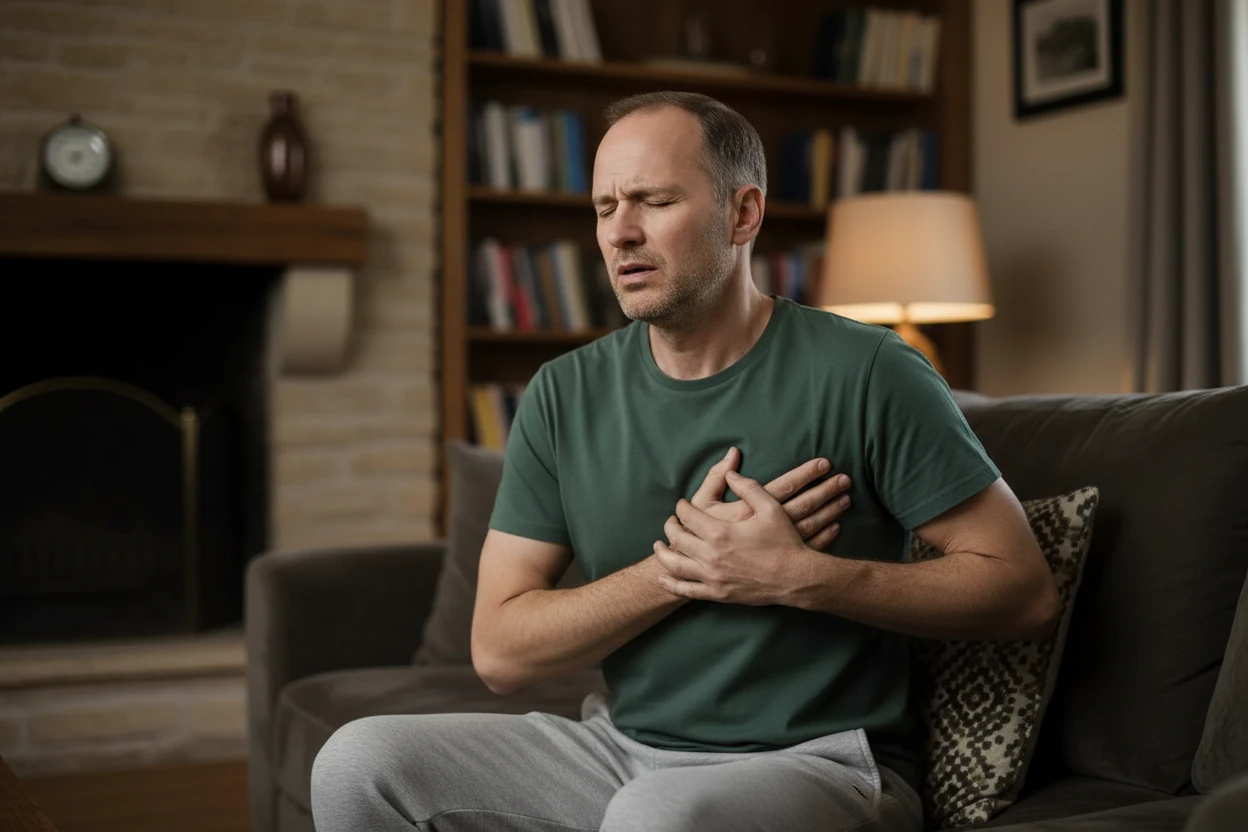
Heart palpitations are a common symptom experienced by many people, often described as a fluttering, pounding, or racing sensation in the chest. Dehydration, a condition where the body loses more water than it takes in, can trigger these palpitations by affecting the heart’s ability to pump low blood pressure signs and symptoms effectively1. When blood volume decreases due to dehydration, the heart compensates by beating faster, which may cause irregular heartbeats or palpitations2. Understanding how dehydration influences heart function and recognizing other potential causes of palpitations can help manage and prevent these symptoms effectively3.
How Dehydration Causes Heart Palpitations: Understanding the Physiological Link
Dehydration, or hypohydration, is a state of low body water caused by insufficient fluid intake or excessive fluid loss45. This reduction in total body water leads to a decrease in blood volume, which lowers blood pressure and reduces the heart’s stroke volume—the amount of blood pumped with each beat67. To maintain adequate blood flow to vital organs, the heart compensates by increasing its rate, often resulting in a sensation of palpitations2.
Additionally, dehydration impairs cardiac filling and venous return, which further reduces cardiac output during physical activity7. This cardiovascular strain can be worsened by electrolyte imbalances, particularly hypokalemia (low potassium levels), that commonly occur with dehydration8. Electrolyte disturbances disrupt the electrical signals that regulate heart rhythm, increasing the risk of arrhythmias and palpitations9810.
Severe dehydration is characterized by clinical signs such as rapid heart rate (tachycardia), dry and shriveled skin, and dark yellow urine, and may progress to hypovolemic shock, a life-threatening condition requiring urgent medical treatment411. Tachycardia is a frequent sign of moderate to severe dehydration and reflects the heart’s effort to compensate for reduced blood volume12.
“When you’re dehydrated, there’s less blood volume and pressure available for stretching your heart, which is needed for generating powerful contractions. Your heart has to compensate by beating more frequently and working harder to pump blood around. These responses can be quickly exaggerated during even light exercise and physical activity. This type of elevated heart rate and extra work can momentarily cause uncomfortable or unusual feeling beats regardless of whether you are at rest or exercising.”
— Erik Van Iterson, Cleveland Clinic1
Beyond Dehydration: Exploring Other Common Causes of Heart Palpitations
💡 Did You Know? When dehydrated, your heart beats faster to maintain blood flow because there is less blood volume and pressure to stretch the heart muscle for strong contractions1.
While dehydration is a significant cause of heart palpitations, many other factors can trigger these sensations. Medical conditions such as anemia, cardiac disease, and thyroid disorders are known contributors to palpitations13. Additionally, hypoglycemia (low blood sugar), hypoxia (low oxygen levels), and certain medications or stimulants like caffeine and decongestants can induce palpitations13.
Lifestyle factors including stress, anxiety, vigorous physical activity, and pregnancy also play a role in causing palpitations14. Electrolyte imbalances, often linked to dehydration, are a common underlying mechanism in many cases8. It is important to recognize that palpitations are often benign and not always indicative of serious heart disease, but they may warrant evaluation if new or accompanied by other symptoms13.