Heart palpitations are a common symptom that brings many people to seek medical care, accounting for about 16% of primary care visits and frequently appearing in emergency departments1. These sensations often feel like the heart is racing, pounding, skipping beats, or fluttering, and while usually harmless, they can sometimes signal serious heart conditions2. Understanding the symptoms, causes, and management of palpitations can help patients and providers distinguish benign episodes from those needing urgent attention3.
Heart Palpitation Symptoms and Sensations
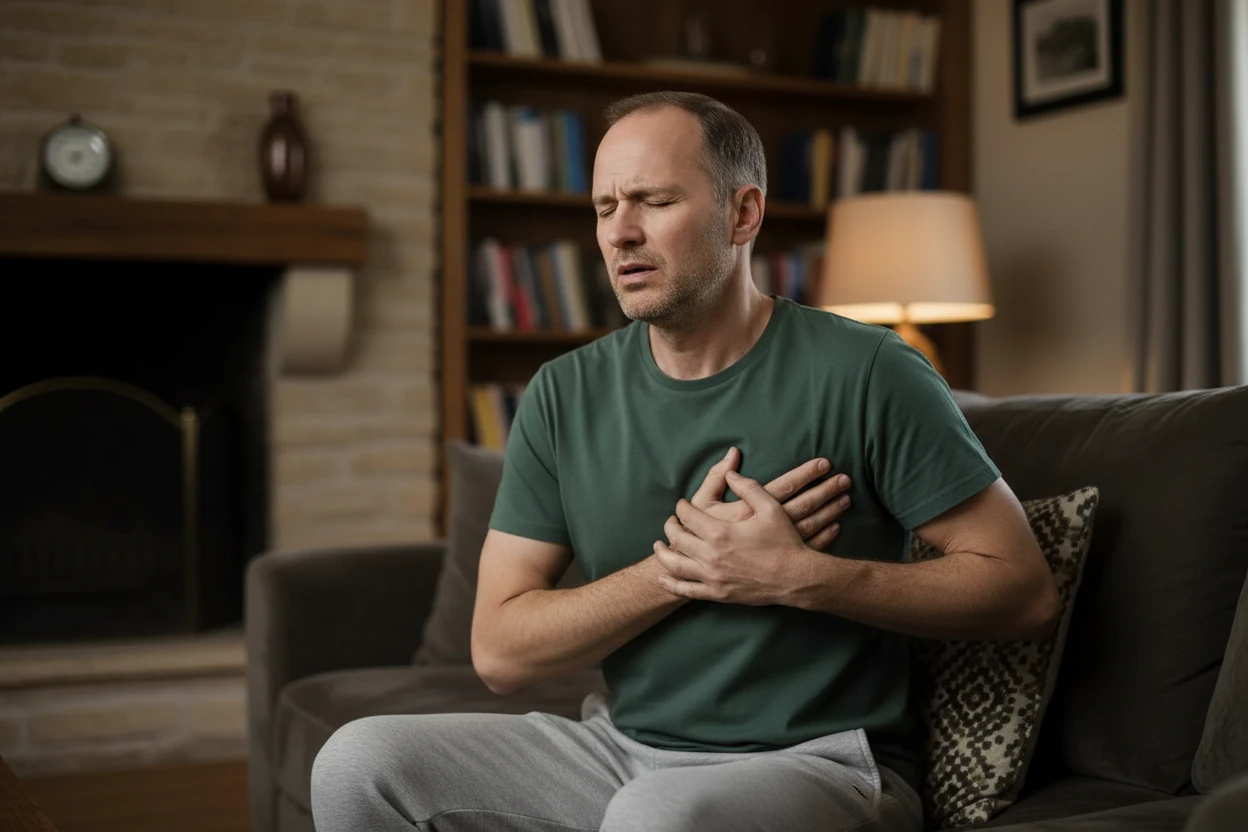
Heart palpitations are the unpleasant awareness of the heartbeat, which is not normally noticed3. Patients describe them in many ways, including pounding, fluttering, skipping, or racing beats3. Some feel as if their heart is "flip-flopping," "thumping," or "skipping a beat"3. These sensations can be felt in the chest, throat, or neck and may occur during rest or physical activity2.
Palpitations vary in intensity and duration, typically lasting a few seconds or minutes but sometimes persisting longer4. Many people notice palpitations more at night when lying down and distractions are minimal5. Although startling, most palpitations are harmless and do not indicate serious heart disease2.
Common Causes of Heart Palpitations
Heart palpitations can arise from a wide range of causes, both cardiac and non-cardiac. Identifying the underlying reason is essential for proper management3.
Anxiety
Anxiety and panic disorders are frequently associated with palpitations3. Stress triggers the body's "fight or flight" response, increasing heart rate and causing sensations of a racing or pounding heart4. Anxiety-related palpitations may be accompanied by dizziness, shortness of breath, or behavioral symptoms3. Psychiatric causes account for a significant proportion of palpitation cases in primary care3.
Lifestyle
Certain lifestyle factors can trigger palpitations by stimulating the heart or nervous system. Common triggers include:
- Caffeine intake, a well-recognized cause of palpitations3
- Alcohol consumption3
- Tobacco and cannabis use, both associated with increased palpitation risk3
- Physical exertion, which can precipitate palpitations in susceptible individuals3
- Stress and emotional responses such as fear or panic6
Medications
Some medications can cause palpitations as side effects. These include:
- Asthma inhalers and beta-blockers4
- Thyroid drugs and antiarrhythmic medicines4
- Cold and cough medicines containing decongestants like pseudoephedrine7
- Certain herbal and nutritional supplements2
- Recreational drugs such as cocaine and amphetamines4
Heart Conditions
Cardiac arrhythmias are responsible for approximately 40% of palpitation cases, with supraventricular tachycardias being the most frequent8. Arrhythmias are abnormal heart rhythms caused by electrical signals firing from the wrong place or at the wrong time9. They may cause the heart to beat too fast, too slow, or irregularly9. Serious arrhythmias include atrial fibrillation, ventricular tachycardia, and heart blocks, which can lead to complications like fainting, stroke, or cardiac arrest10.
Other heart-related causes include:
- Structural heart disease3
- Heart valve abnormalities4
- Previous heart attack or heart surgery7
- Cardiomyopathy and ischemic heart disease11
Non-Heart Conditions
Several systemic conditions can cause palpitations by affecting heart rate or rhythm indirectly:
- Hyperthyroidism (overactive thyroid)3
- Anemia (low red blood cell count)3
- Electrolyte imbalances such as low potassium4
- Fever and dehydration4
- Pregnancy and hormonal changes during menstruation or menopause7
Managing Heart Palpitations Immediately
When experiencing palpitations, the first step is to identify and address any immediate triggers. For many, palpitations caused by anxiety or lifestyle factors can be managed with calming techniques and avoiding stimulants3.
“I ask them to tap out what their heartbeat feels like. Then I get a sense of whether we're dealing with isolated skipped beats or a more sustained arrhythmia.”
— Joseph Marine, Johns Hopkins Medicine5
Initial evaluation includes a thorough history and physical examination, focusing on symptom patterns and associated signs3. A 12-lead electrocardiogram (ECG) is the gold standard for initial assessment to detect arrhythmias or other cardiac abnormalities3.
If palpitations are due to anxiety or stress, relaxation methods such as deep breathing, yoga, or mindfulness exercises may help reduce symptoms3. Avoiding caffeine, alcohol, tobacco, and other stimulants can also prevent episodes3.
For palpitations caused by arrhythmias, treatment options may include medications like beta-blockers or antiarrhythmic drugs, and in some cases, catheter ablation to correct abnormal electrical pathways35.
Long-Term Prevention of Heart Palpitations
Most palpitations are benign and self-limited, not requiring specific intervention3. Prevention focuses on managing triggers and underlying causes to reduce recurrence3.
“While palpitations can sometimes signal a more serious condition, they're often just a sensation of a normal heartbeat.”
— Joseph Marine, Johns Hopkins Medicine5
Key strategies include:
- Reducing or avoiding caffeine and alcohol intake3
- Quitting tobacco and avoiding recreational drugs3
- Managing stress through relaxation techniques and mind-body practices such as yoga or tai chi3
- Treating medical conditions like hyperthyroidism or anemia that contribute to palpitations3
- Using beta-blockers when indicated for certain arrhythmias3
Lifestyle modifications such as regular exercise, adequate sleep, and a balanced diet also support heart health and may decrease palpitation frequency4.
When to Seek Medical Care
While most palpitations are harmless, certain symptoms and risk factors warrant prompt medical evaluation3. Seek emergency care if palpitations occur with:
- Chest pain or pressure3
- Fainting or near-fainting (syncope)3
- Severe shortness of breath or difficulty breathing3
- Severe dizziness or confusion3
- Palpitations that do not stop or worsen suddenly4
Patients with a history of heart disease, abnormal heart valves, or significant risk factors should consult a healthcare provider if palpitations are frequent or worsening7.
Regular follow-up is recommended for persistent symptoms to monitor and manage any underlying conditions3. A normal ECG at initial evaluation may lead to outpatient cardiology referral for further testing such as Holter monitoring or electrophysiology studies3.
Signs that palpitations may indicate serious heart rhythm disorders include:
- Heart rate over 120 beats per minute or under 45 beats per minute at rest10
- New onset of irregular heart rhythm10
- Family history of sudden cardiac death10
- Syncope associated with palpitations3
Key Takeaways
- Heart palpitations are a common symptom often described as pounding, fluttering, or skipped beats felt in the chest, throat, or neck3.
- Most palpitations are benign and related to anxiety, stress, caffeine, or physical activity3.
- Cardiac arrhythmias account for a significant portion of palpitations and require evaluation with ECG and sometimes further cardiac testing8.
- Lifestyle modifications, stress management, and treating underlying medical conditions are key to preventing palpitations3.
- Seek immediate medical attention if palpitations are accompanied by chest pain, fainting, severe shortness of breath, or dizziness3.