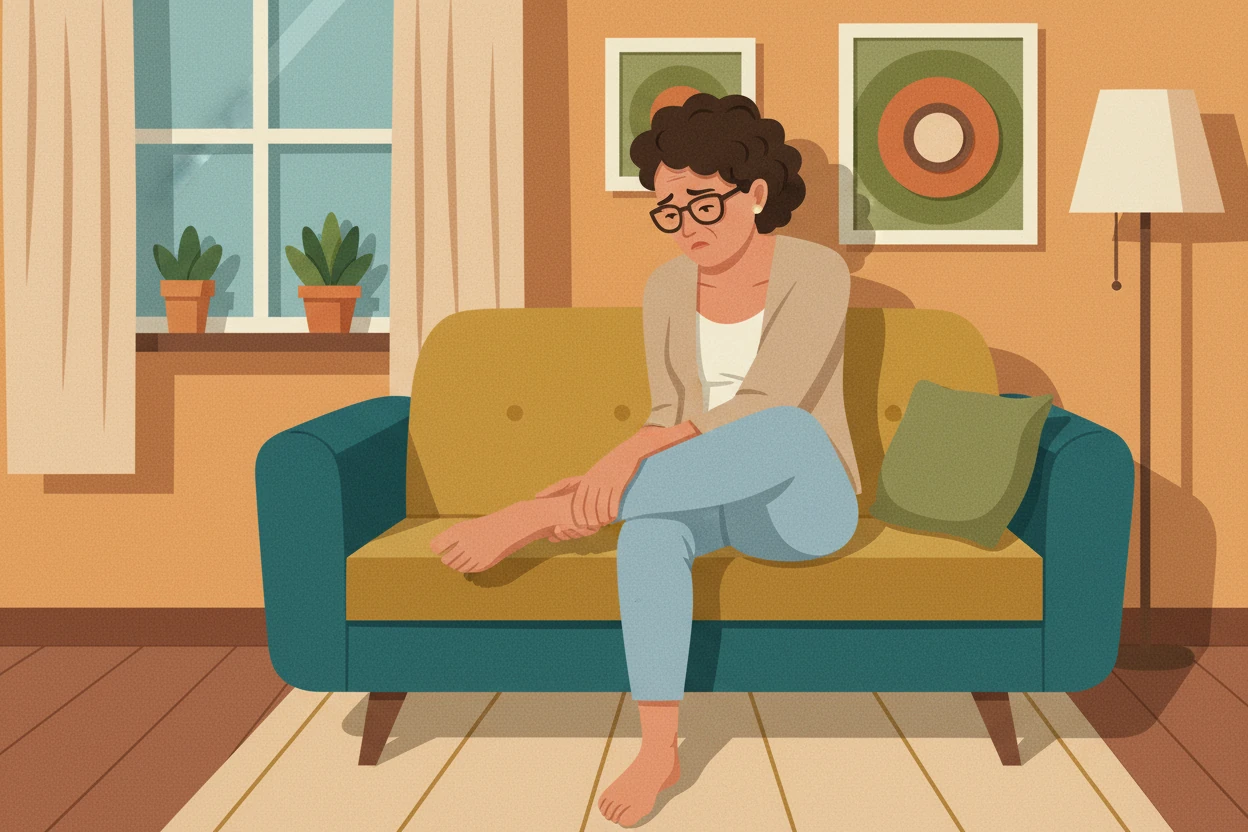
Leg cramps affect many people, especially older adults, and can sometimes be an early sign of underlying health issues. In congestive heart failure (CHF), the heart's inability to pump blood effectively can lead to reduced blood flow to the legs, causing painful cramps and swelling1. Understanding the connection between CHF and leg cramps, as well as other common causes and management strategies, is important for symptom relief and overall health2.
CHF and Leg Cramp Connection
Congestive heart failure is a serious condition where the heart cannot pump enough blood to meet the body's needs. This leads to blood backing up in the veins and fluid accumulating in organs and tissues, particularly in the legs3. The resulting fluid retention causes swelling, known as peripheral edema, which is a common symptom in CHF patients4. Because of impaired cardiac function, blood flow to the legs is reduced, leading to muscle ischemia (lack of oxygen) and cramping5.
In CHF, the body tries to compensate by diverting blood flow to vital organs like the brain and heart. This reduces circulation to peripheral muscles, including those in the legs, which can cause painful cramps5. Venous congestion from poor heart pumping also increases pressure in leg veins, contributing to swelling and discomfort2. Patients with CHF often report leg cramps, especially at night, as part of their symptom burden6.
What about Nocturnal Leg Cramps?
Nocturnal leg cramps are sudden, involuntary muscle spasms that occur during sleep or rest, often affecting the calves7. These cramps are common in people with CHF and older adults in general8. The reduced blood flow and oxygen delivery to leg muscles during heart failure can trigger these painful spasms9. Additionally, fluid buildup and swelling increase pressure in the legs, worsening cramp severity10.
Nocturnal cramps can disrupt sleep and reduce quality of life for CHF patients8. Stretching the affected muscles often relieves cramps, but frequent or severe episodes may indicate worsening heart failure or other complications2.
💡 Did You Know? Leg cramps may be an early warning sign of congestive heart failure, especially when accompanied by swelling and fatigue1.
Common Causes of Leg Cramps
While CHF is a significant cause of leg cramps, other conditions can also lead to painful muscle spasms in the legs. Understanding these causes helps guide appropriate treatment.
Peripheral Artery Disease
Peripheral artery disease (PAD) occurs when arteries supplying blood to the legs become narrowed or blocked, reducing blood flow11. This causes ischemic leg pain and cramps, especially during exercise, a condition known as intermittent claudication11. The cramps typically improve with rest but can worsen if PAD progresses12.
PAD often coexists with CHF, compounding leg cramping and pain due to combined arterial and venous circulation problems12.
Deep Vein Thrombosis
Deep vein thrombosis (DVT) is the formation of blood clots in deep leg veins, leading to venous obstruction11. DVT causes leg pain, swelling, and cramping, and can be life-threatening if clots travel to the lungs11. Patients with CHF are at increased risk of DVT because venous stasis (slow blood flow) promotes clot formation11.
Prompt diagnosis and treatment of DVT are critical to prevent serious complications.
Diabetes
Diabetes mellitus is linked to peripheral neuropathy, a nerve disorder that causes pain, numbness, and cramps in the legs, especially at night13. Diabetic nerve damage alters muscle function and sensation, contributing to painful leg cramps13. Managing blood sugar levels and neuropathy symptoms is important to reduce cramping in diabetic patients.
Medications
Certain medications commonly prescribed for CHF and other conditions can cause leg cramps as side effects. These include diuretics, beta-blockers, statins, angiotensin II receptor antagonists, inhaled long-acting beta-agonists, and benzodiazepines1314. Diuretics, in particular, may cause electrolyte imbalances that trigger muscle cramps15.
If leg cramps worsen after starting a new medication, patients should consult their healthcare provider to discuss possible adjustments.
Managing Leg Cramp Symptoms
Effective management of leg cramps in CHF involves both treating the underlying heart condition and relieving muscle discomfort. Optimizing heart failure treatment improves circulation and reduces fluid buildup, which can alleviate cramps1614.
During an acute cramp, several strategies can provide relief:
- Stretch the affected muscle gently and hold the stretch until the cramp subsides137.
- Massage the cramped muscle to improve blood flow and reduce tension137.
- Walk around or shake out the leg to relax the muscle13.
- Elevate the legs to reduce venous pressure and swelling4.
- Apply heat therapy to relax tight muscles and ease pain13.
- Use cold therapy after the cramp to reduce soreness and inflammation13.
Preventing future cramps involves lifestyle adjustments:
- Engage in regular physical activity to improve circulation and muscle conditioning1314.
- Perform daily leg exercises and stretches to keep muscles loose1.
- Stay well hydrated, balancing fluid intake carefully in CHF patients15.
- Avoid tight bedding or restrictive clothing around the legs during sleep14.
- Limit alcohol and caffeine, which can worsen dehydration and cramps1.
| Management Strategy | Purpose | Notes |
|---|---|---|
| Stretching & Massage | Relieve acute cramps | Hold stretch until cramp stops13 |
| Leg Elevation | Reduce venous pressure and edema | Elevate legs above heart level4 |
| Heat Therapy | Relax muscles | Apply warm compress for comfort13 |
| Cold Therapy | Reduce soreness post-cramp | Use ice packs after cramp ends13 |
| Regular Exercise | Improve circulation and muscle strength | Tailor to patient ability1314 |
When to See Your Doctor
Most leg cramps are harmless and resolve without medical intervention13. However, certain signs indicate the need for prompt healthcare evaluation, especially in people with or at risk for CHF.
Seek medical attention if you experience:
Leg cramps in CHF patients are often linked to poor circulation and fluid retention. Managing heart failure effectively and using simple relief techniques like stretching and leg elevation can significantly reduce cramp frequency and severity.141
- Leg cramps that worsen in severity or frequency13.
- Muscle weakness, numbness, or neurological symptoms alongside cramps13.
- New or worsening symptoms of heart failure such as increased swelling, shortness of breath, or fatigue16.
- Rapid weight gain, which may signal fluid overload162.
- Leg pain accompanied by discoloration, bruising, or prolonged soreness, which may suggest blood clots or vascular issues1711.
Adhering to heart failure management protocols and multidisciplinary care plans helps reduce symptoms including leg cramps and improves quality of life16.
Summary of Key Points
- Congestive heart failure causes reduced blood flow and fluid buildup in the legs, leading to cramps and swelling352.
- Nocturnal leg cramps are common in CHF and may disrupt sleep and daily function98.
- Other causes of leg cramps include peripheral artery disease, deep vein thrombosis, diabetes-related neuropathy, and medication side effects111314.
- Managing leg cramps involves optimizing CHF treatment, stretching, massage, leg elevation, and appropriate use of heat or cold therapy1613.
- Consult a healthcare provider if cramps worsen, occur with neurological symptoms, or if heart failure symptoms worsen1613.