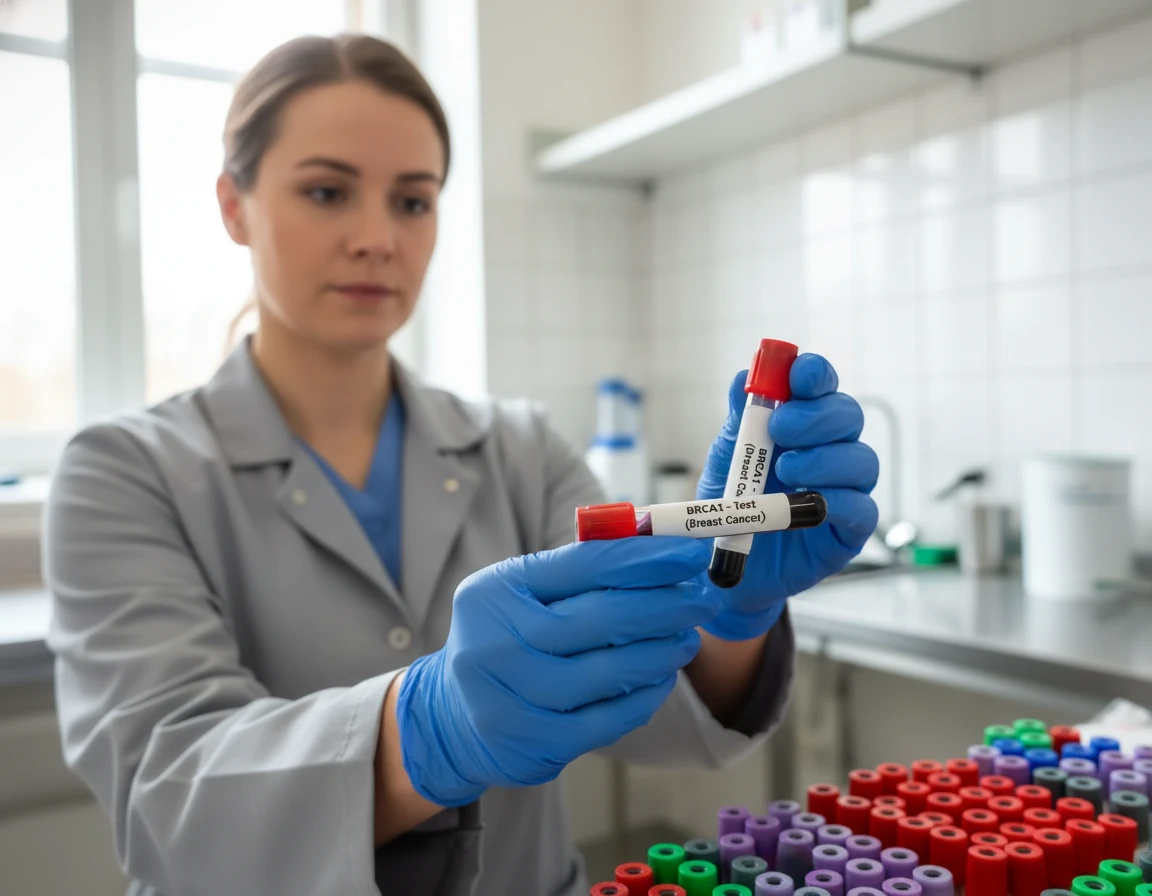
Nearly one in eight breast cancers are missed on mammograms, leading to potential delays in diagnosis and treatment1. Breast lumps are often assumed to be benign cysts, especially in younger women, but this can mask underlying malignancies2. Misdiagnosis of breast cancer as a cyst can result from overlapping imaging features and clinical presentations, underscoring the need for careful evaluation and persistence in seeking further testing when symptoms persist3.
When Breast Lumps Are Misdiagnosed as Cysts
Breast cancer can sometimes be mistaken for benign cystic breast lesions because complex cysts often have both fluid and solid components that mimic malignancy on imaging45. Complex cysts are the most frequent cyst type associated with breast cancer deaths, with an overall 17% to 31% incidence of malignancy in cystic breast lesions46. Simple cysts, which are fluid-filled sacs with thin walls, are common and generally benign, but complicated and complex cysts may contain septations, debris, or solid parts that raise suspicion789.
Diagnostic confusion is further complicated by conditions such as breast abscess and mastitis, which can mimic inflammatory breast cancer both clinically and radiologically1011. This overlap can delay correct diagnosis and appropriate treatment.
Several factors contribute to misdiagnosis of breast cancer as a cyst:
- Complex cystic lesions with solid components can appear benign on ultrasound or mammogram but harbor malignancy46.
- Imaging limitations mean that ultrasound and MRI, while helpful, cannot always definitively exclude cancer in cystic lesions1213.
- Clinical symptoms such as pain and lump mobility may mislead providers, especially in younger women where cysts are more common9.
- Miscommunication or dismissal of patient concerns can delay further evaluation32.
Persistence in requesting referrals or additional testing can lead to earlier cancer detection and improved outcomes314.
Accurate Breast Cancer Diagnosis
Accurate diagnosis of breast cancer requires a combination of clinical examination, imaging, and biopsy confirmation1415. While tumor size and cellular patterning on imaging guide initial assessment, biopsy remains the gold standard to confirm malignancy and subtype1617. Imaging modalities such as ultrasound, mammography, MRI, CT, and bone scans are used to characterize lesions and evaluate metastatic spread1819.
Key diagnostic challenges include:
- Differentiating complex cystic lesions from malignant tumors due to overlapping imaging features46.
- Avoiding misinterpretation of imaging studies, which accounts for nearly half of diagnostic errors in breast cancer2.
- Recognizing that inflammatory breast cancer can mimic infections like abscess or mastitis, requiring careful clinical and radiologic correlation1011.
- Ensuring pathology accuracy, as biopsy sample misinterpretation can lead to under- or overdiagnosis162.
Second opinions, especially in pathology review, can correct misdiagnoses and alter treatment plans significantly202.
| Diagnostic Step | Purpose | Notes |
|---|---|---|
| Clinical Breast Exam | Detect palpable lumps or abnormalities | Important but limited sensitivity14 |
| Imaging (Mammogram, US, MRI) | Characterize lesion type and extent | MRI improves detection but not definitive1213 |
| Biopsy | Confirm malignancy and subtype | Gold standard for diagnosis1617 |
| Metastatic Workup (CT, Bone Scan) | Assess spread to distant sites | Guides staging and treatment1819 |
Starting Breast Cancer Treatment
Once diagnosed, breast cancer treatment begins with a multidisciplinary approach tailored to tumor characteristics and stage18. Neoadjuvant chemotherapy is standard for locally advanced breast cancer to shrink tumors before surgery and improve outcomes2122. For HER2-positive cancers, targeted anti-HER2 therapies such as trastuzumab (Herceptin) and pertuzumab (Perjeta) are combined with chemotherapy to enhance efficacy2322.
Treatment initiation is often urgent in advanced cases, as delays can worsen prognosis1. Persistence in seeking timely care and second opinions can improve treatment planning and outcomes20.
Key treatment considerations include:
- Tumor size and cellular patterning guide initial therapy decisions1617.
- Biopsy results determine receptor status (e.g., HER2, hormone receptors) to guide targeted therapies23.
- Imaging reassessment during treatment can alter staging and prognosis1918.
- Neoadjuvant chemotherapy may lead to a pathologic complete response, predicting better long-term outcomes2122.
Managing Healthcare Costs and Insurance
The cost of breast cancer treatment, especially with novel targeted therapies, can be substantial and pose financial challenges for patients2423. For example, adding anti-HER2 drugs to chemotherapy can increase treatment costs dramatically, sometimes from a few thousand dollars to tens of thousands per treatment cycle1. Uninsured patients may face significant out-of-pocket expenses.
Patient assistance programs offered by drug manufacturers and nonprofit organizations can help reduce financial burdens and improve access to costly therapies2423. Navigating insurance coverage and seeking support early in the treatment journey is critical.
Strategies to manage costs include:
- Applying for manufacturer-sponsored patient assistance programs1.
- Consulting with social workers or financial counselors at treatment centers24.
- Exploring insurance options and coverage for second opinions and advanced imaging2.
- Considering generic or biosimilar drugs when available23.
- Advocating for timely access to necessary treatments to avoid costly complications25.
“The high cost of novel breast cancer treatments poses significant financial challenges, especially for uninsured patients.”
— Hurson et al.23
Surgical and Radiation Therapy Options
Surgical treatment options for breast cancer depend on tumor size, location, and patient preference. Breast-conserving surgery (lumpectomy) or mastectomy with reconstruction are common approaches1822. Surgery is often followed by postoperative radiation therapy to improve local control and reduce recurrence risk1822.
Radiation typically involves several weeks of treatment and may be combined with systemic therapies depending on cancer subtype18. For HER2-positive cancers, extended adjuvant therapy with trastuzumab after surgery and radiation is recommended to reduce recurrence2322.
Key points about surgery and radiation:
- Breast-conserving surgery aims to remove the tumor while preserving breast tissue18.
- Mastectomy with immediate reconstruction is an option for larger tumors or patient preference18.
- Radiation therapy improves local control and survival in many cases18.
- Extended targeted therapy is standard for HER2-positive patients to prevent recurrence2322.
- Preventive surgery on the contralateral breast may be considered in high-risk patients1.
Life After Breast Cancer Treatment
Post-treatment life involves ongoing surveillance for recurrence and management of physical and psychological effects314. Patients often experience anxiety after completing chemotherapy and radiation, as regular medical visits become less frequent1. Good response to neoadjuvant chemotherapy is associated with lower recurrence risk and better long-term outcomes2122.
Follow-up care typically includes:
- Regular clinical exams and imaging to monitor for recurrence3.
- Psychological support to manage anxiety and improve quality of life314.
- Continued targeted therapy for HER2-positive patients for up to one year2322.
- Lifestyle modifications and rehabilitation to address treatment side effects26.
- Preventive measures such as contralateral prophylactic surgery in select cases1.
“When you are on chemo, you have the security of seeing your whole medical team every three weeks. After treatment, it’s scary not seeing them as often.”
— Breast cancer survivor1
Key Points Summary
- Complex breast cysts carry a significant risk of malignancy and require careful evaluation with imaging and biopsy46.
- Breast cancer can be misdiagnosed as a cyst due to overlapping imaging features and clinical presentations52.
- Accurate diagnosis relies on clinical exam, imaging, and biopsy confirmation, with second opinions improving diagnostic accuracy141520.
- Neoadjuvant chemotherapy and targeted therapies improve outcomes, especially in HER2-positive breast cancer212322.
- High treatment costs can be mitigated through patient assistance programs and insurance navigation2423.
- Surgical options include breast-conserving surgery or mastectomy with reconstruction, often followed by radiation1822.
- Post-treatment surveillance and psychological support are essential for long-term wellbeing and recurrence prevention314.