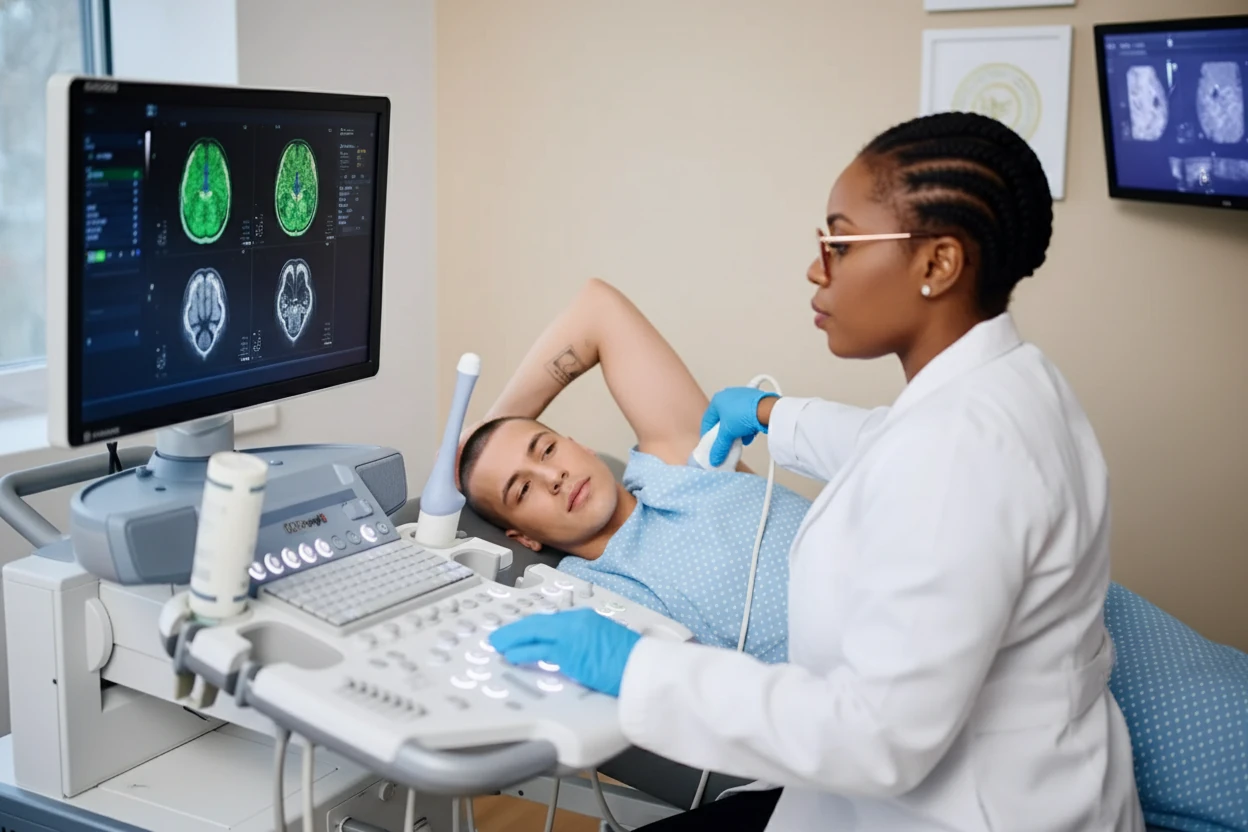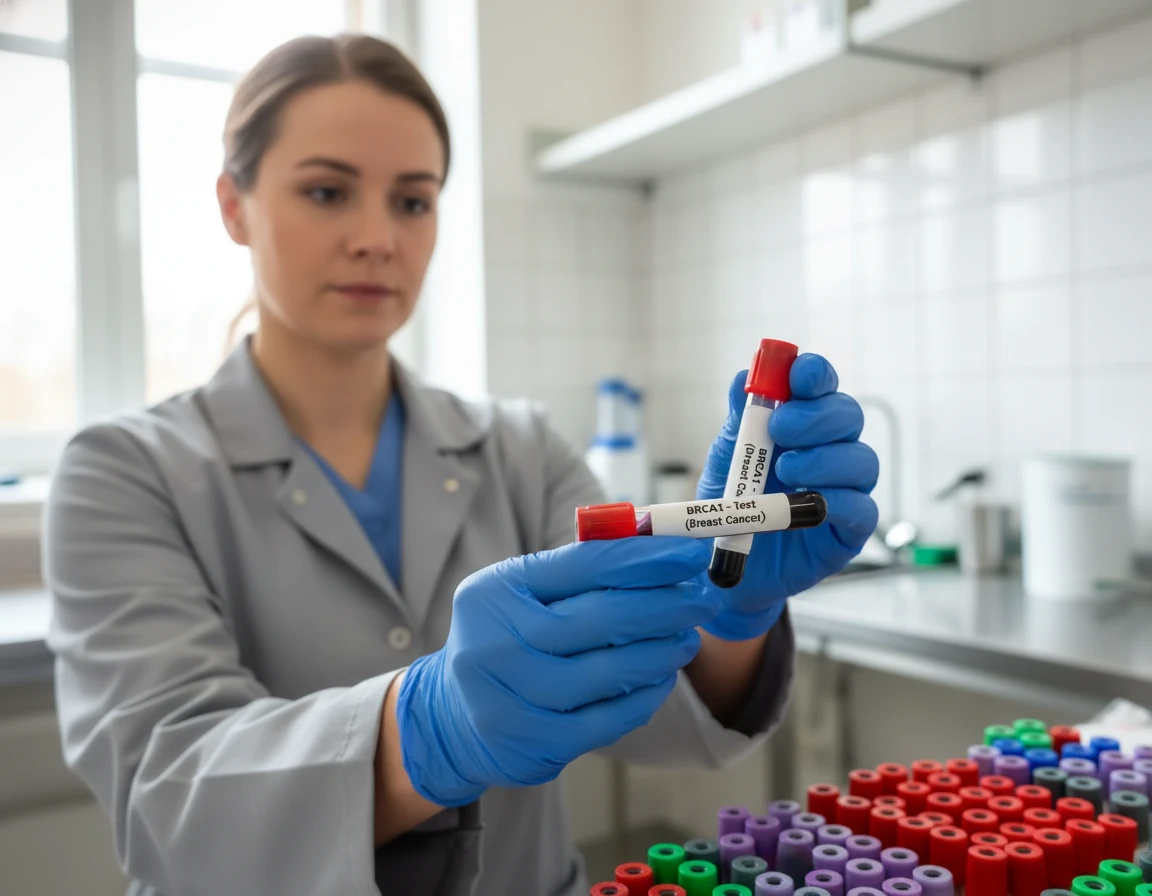
More than 4 million people in the United States live with a history of breast cancer, highlighting the importance of ongoing care beyond initial treatment1. Survivorship care involves multiple tasks, including surveillance for recurrence, managing long-term effects, promoting health, and coordinating care among providers2. Understanding the challenges during treatment and after recovery is essential to improving quality of life for breast cancer patients and survivors1.
Managing Breast Cancer During Treatment
Breast cancer treatment typically includes surgery, chemotherapy, radiation, endocrine therapy, and targeted therapies3. These treatments often cause side effects that can significantly affect patients’ daily lives. Fatigue, nausea, and mental health effects are among the most common and distressing symptoms experienced during therapy.
Fatigue
cancer deaths-related fatigue is the most prevalent symptom during breast cancer treatment and differs from normal tiredness because it is persistent and not relieved by rest4. This fatigue can severely impair patients’ ability to perform daily tasks5. The causes of fatigue are often multifactorial, including anemia, sleep disturbances, and emotional distress63. Importantly, fatigue may continue for months or even years after treatment ends7.
Exercise interventions during chemotherapy have shown moderate-quality evidence for reducing chemotherapy-induced peripheral neuropathy symptoms and improving health-related quality of life, although their effects on fatigue are less clear8. Managing fatigue requires a multidisciplinary approach that addresses physical, psychological, and behavioral factors43.
Nausea
Chemotherapy-induced nausea is a frequent and distressing symptom for breast cancer patients9. Effective management of nausea is crucial to maintain treatment adherence and quality of life. Patients are encouraged to communicate openly with their healthcare providers to receive appropriate interventions for nausea control9.
Mental Health Effects
Psychological distress, including depression and anxiety, commonly accompanies physical symptoms during breast cancer treatment10. Symptom clusters involving fatigue, sleep disturbance, and depression are frequent and can exacerbate overall symptom burden43. Addressing mental health requires integrated care involving psychological support, counseling, and, when appropriate, pharmacologic treatment10.
Symptom management strategies during treatment also include pain control, dietary support, and sleep hygiene interventions to alleviate distress and improve functioning5.
“The biggest problem people treated for breast cancer face in the survivorship phase is not getting enough help with side effects. The challenge is: How do we help people access those resources when they need them?”
— Amanda Helms, Breast Cancer Survivor and Patient Navigator1
Life After Breast Cancer Treatment
Completing breast cancer treatment marks a significant milestone, but survivors often face ongoing challenges related to follow-up care, late side effects, and psychosocial adjustments. Survivorship care aims to monitor for cancer recurrence, manage long-term treatment effects, and support overall health and well-being2.
Follow-Up Care and Monitoring for Recurrence
Post-treatment surveillance is essential to detect breast cancer recurrence early and manage late effects11. The American Society of Clinical Oncology (ASCO) recommends a structured follow-up schedule that includes clinical breast exams every 3 to 6 months for the first three years, then every 6 to 12 months for the next two years, and annually thereafter1211. Annual mammography is advised for women who have had breast-conserving surgery and for the remaining breast in women who had a unilateral mastectomy1314.
Men with breast cancer, especially those with genetic risk factors such as BRCA mutations, require tailored surveillance including monitoring of the treated and contralateral breast13. Follow-up care also involves physical exams focusing on the breast or chest wall and regional lymph nodes12.
Routine imaging and blood tests are generally not recommended for asymptomatic survivors but may be performed if symptoms suggest recurrence or late effects14. Survivors are encouraged to report new symptoms such as abdominal discomfort promptly, as these may indicate late effects or cancer recurrence15.
💡 Did You Know? Survivorship care involves four main tasks: surveillance and screening, management of long-term effects, health promotion, and care coordination2.
Early Menopause
Breast cancer treatments, particularly chemotherapy and endocrine therapies, can induce early menopause in many women16. This treatment-induced menopause can cause symptoms such as hot flashes, vaginal dryness, and bone loss. Monitoring bone health is critical because hormone therapies like aromatase inhibitors increase the risk of osteoporosis17. Gynecologic evaluation is recommended to manage menopausal symptoms and hormone-related effects effectively16.
Sexual Side Effects
Genitourinary symptoms, including vaginal dryness and discomfort, are common among breast cancer survivors, especially those undergoing endocrine therapy16. Interventions such as vaginal oxygen and hyaluronic acid have shown promise in alleviating these symptoms and improving quality of life16. Addressing sexual health is an important component of survivorship care to support intimacy and overall well-being.
“At the end of breast cancer treatment, some women feel abandoned. They ring the chemo bell and then they’re out the door with no roadmap or plan of action.”
— Former Director, Office of Cancer Survivorship, National Cancer Institute1
Body Image
Breast cancer treatment often involves surgery and radiation that can alter physical appearance, leading to body image concerns18. Survivors may struggle with changes in self-esteem and identity as they adjust to their post-treatment bodies. Psychological support and peer communities can help survivors cope with these challenges and foster positive body image1819.
“Cancer survivors are blessed with two lives. There is your life before cancer, and your life after. I am here to tell you your second life is going to be so much better.”
— Breast Cancer Research Foundation19
Breast Cancer Treatment Summary
Breast cancer treatment involves a combination of surgery, chemotherapy, radiation, endocrine therapy, and targeted therapies tailored to the individual patient320. Treatment side effects commonly include fatigue, nausea, pain, and psychological distress, with fatigue being the most persistent and impactful symptom21224. Multidisciplinary symptom management, including exercise, pharmacologic interventions, and behavioral therapies, is essential during treatment to improve quality of life8225.
After treatment, ongoing surveillance is critical to detect recurrence and manage late effects such as lymphedema, neuropathy, bone loss, and genitourinary symptoms132324. Follow-up care should be coordinated among healthcare providers and include regular physical exams and imaging as appropriate121114. Survivorship care also addresses health promotion and coordination to support long-term well-being2.
| Treatment Phase | Common Side Effects | Management Strategies |
|---|---|---|
| During Treatment | Fatigue, nausea, pain, psychological distress212210 | Exercise, pain control, dietary support, sleep hygiene, psychological counseling854 |
| After Treatment | Lymphedema, bone loss, neuropathy, genitourinary symptoms132324 | Surveillance exams, bone density testing, gynecologic evaluation, symptom management171611 |