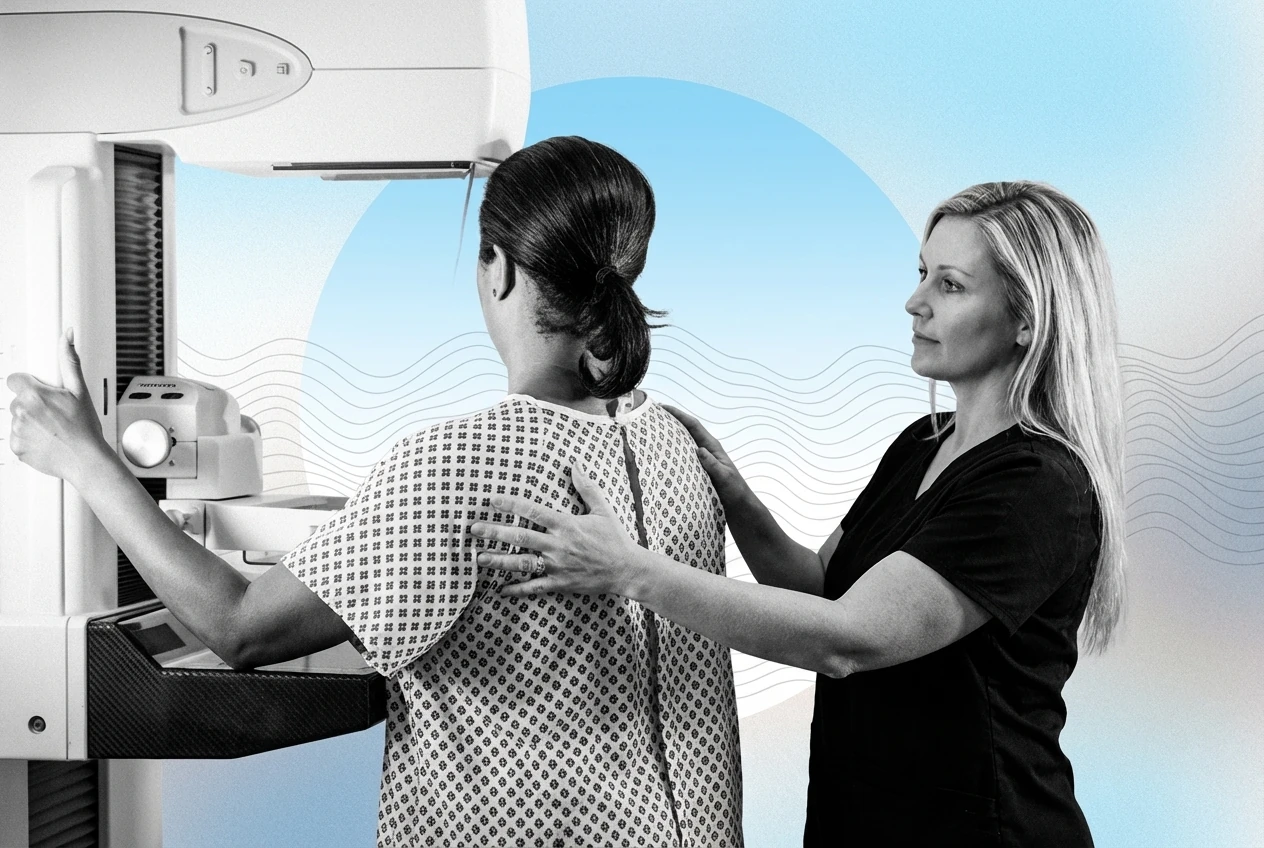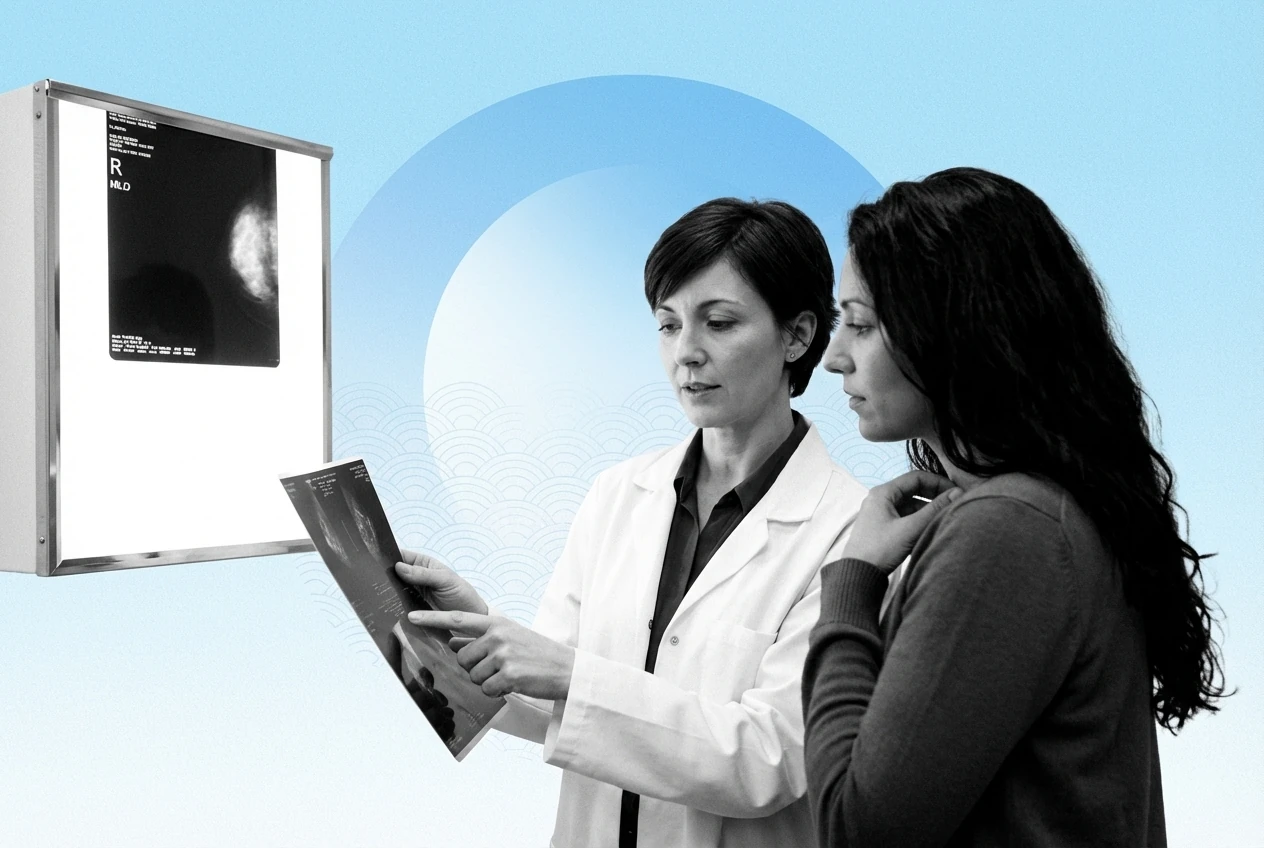
Mammograms are a vital tool for early breast cancer detection, significantly reducing mortality by identifying cancer deaths before symptoms appear12. However, many women do not adhere to recommended screening schedules, which can undermine these benefits34. One important factor contributing to this drop in screening is the experience of false-positive mammogram results, which can cause anxiety and lead to fewer future screenings56.
False-Positive Mammograms Reduce Future Screenings
False-positive mammogram results occur when an abnormality is detected on the screening image but subsequent testing confirms no cancer is present78. A large study analyzing over 3.5 million mammograms from more than one million women aged 40 to 73 found that women with false-positive results were significantly less likely to return for future screenings compared to those with negative results69.
Key findings include:
- 77% of women with true-negative mammograms returned for subsequent screening within 9 to 30 months69.
- Return rates dropped to 61% for women who had a false-positive result requiring a short-interval follow-up mammogram (typically within 6 months)69.
- Women recommended for biopsy after a false-positive had a 67% return rate for future screening69.
- The lowest return rate, 56%, was observed in women who had two consecutive false-positive mammograms requiring follow-up69.
- Asian and Hispanic/Latinx women were the least likely to return after a false-positive result, highlighting disparities in screening adherence69.
This pattern is concerning because false-positive results are common, especially in younger women. Approximately 10-12% of mammograms in women aged 40-49 yield false positives, and over 50-60% of women screened annually for 10 years will experience at least one false-positive recall5910. Despite these challenges, regular mammography remains essential for early detection and reducing breast cancer mortality12.
The finding raises concerns about the potential unintended consequence of false-positive results, where women may avoid screening mammograms in the future11.
Understanding False-Positive Mammogram Risks
Mammography uses low-dose X-rays to image breast tissue and detect tumors or suspicious calcifications12. However, mammograms cannot definitively distinguish between malignant and benign lesions, which can lead to false-positive findings137. Several factors increase the risk of false positives:
- Breast tissue density: Dense breasts contain more fibrous and glandular tissue, which can obscure images and mimic abnormalities, increasing false-positive rates149.
- Younger age: Younger women are more likely to have dense breast tissue, contributing to higher false-positive rates in this group59.
- Calcifications: Small calcium deposits can appear suspicious on mammograms, especially when clustered or patterned139.
- Overlapping tissue: Normal breast tissue overlapping can create shadows that look like masses79.
- Family history of breast cancer: Women with a family history have a higher chance of false positives149.
- Prior breast biopsies: Previous biopsies are associated with increased false-positive rates149.
False positives can cause emotional distress, anxiety, and financial burden, which may discourage women from continuing regular screening15. Importantly, women who experience false-positive results, particularly those diagnosed with benign breast disease, have a slightly elevated risk of developing breast cancer in the future, underscoring the need for continued surveillance169.
False-positive results can lead to women having additional imaging or invasive procedures, including biopsies of the breast, which can also have psychological and physical effects for women15.
How to Navigate a False-Positive Mammogram
Understanding the mammography process and the nature of false-positive results can help women navigate these experiences and maintain adherence to screening guidelines. Mammography involves compressing the breast to spread tissue evenly, improving image clarity and reducing tissue overlap1213. Despite this, some findings may appear suspicious but are ultimately benign, requiring follow-up imaging or biopsy to confirm78.
💡 Did You Know?
Women are aware of false-positive results and seem to view them as an acceptable consequence of screening mammography23.
Key points for navigating false-positive mammograms include:
- Recognize that false positives are common: About 10% of screening mammograms require additional imaging, and most do not indicate cancer917.
- Follow-up testing is essential: Additional imaging or biopsy clarifies whether abnormalities are benign or malignant818.
- Maintain regular screening: Women with false-positive results should continue screening every 1 to 2 years, as these results are linked to a higher future breast cancer risk169.
- Communicate with healthcare providers: Clear explanations from physicians about false-positive results can reduce anxiety and encourage continued screening1915.
- Advancements in technology: Newer techniques like 3D mammography and AI-assisted image analysis reduce false positives and the need for repeat visits20.
| Follow-Up Recommendation | Return Rate for Future Screening | Explanation |
|---|---|---|
| True-negative result | 77% | Baseline adherence rate |
| Additional imaging only | 61% | Short-interval follow-up mammogram |
| Biopsy recommended | 67% | More invasive follow-up |
| Two consecutive false positives | 56% | Lowest adherence after repeated false alarms |
| Sources:69 | ||
Interventions such as patient navigation and telephone coaching have been shown to improve mammography adherence, particularly in underserved populations221. These support strategies can help address barriers related to anxiety, misinformation, and access, especially for racial and ethnic minority groups who are less likely to return after false-positive results622.