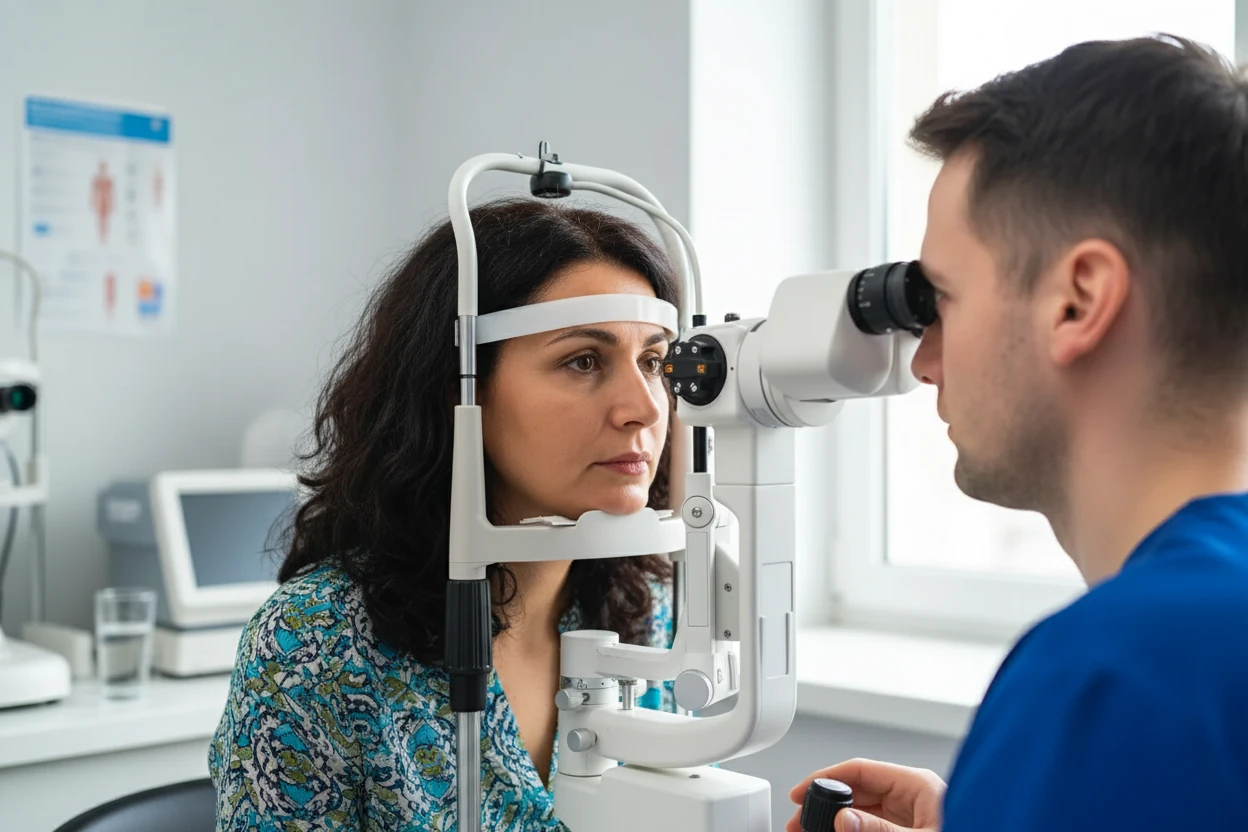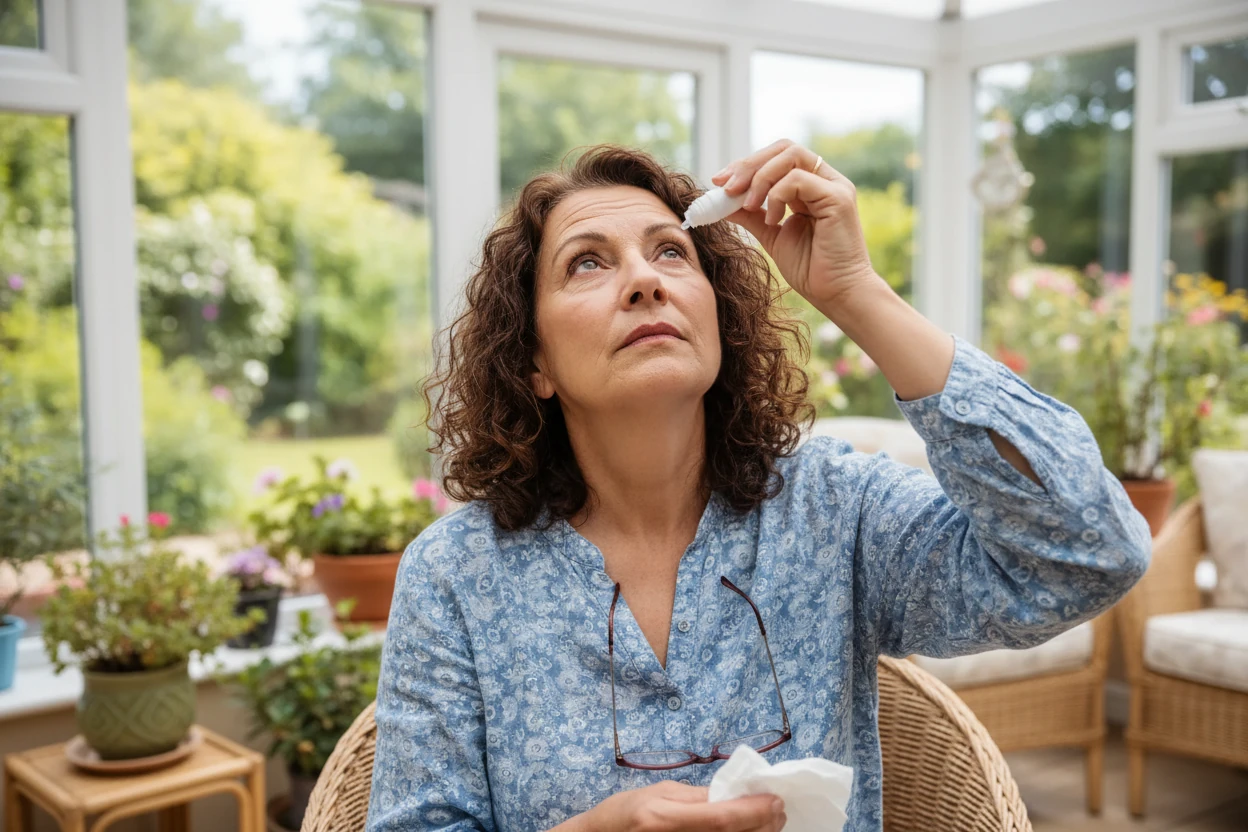
Bloodshot eyes are a common symptom caused by the dilation or inflammation of tiny mcv blood test results meaning and normal range vessels on the surface of the eye1. This redness can affect one or both eyes and may develop suddenly or gradually, often accompanied by itching, pain, discharge, or vision changes2. While many causes are benign and self-limiting, some red eye conditions require prompt medical attention to prevent serious complications3.
Alcohol and Red Eyes
Alcohol is not commonly recognized as a primary cause of bloodshot eyes in major ophthalmology guidelines [ ]. The presumed mechanism behind alcohol-related eye redness is vasodilation, where blood vessels expand, making them more visible [ ]. However, direct evidence linking alcohol consumption to red eye is limited.
Treatment
Since alcohol-induced redness is mainly due to blood vessel dilation, treatment focuses on reducing irritation and supporting eye comfort. Resting the eyes, using lubricating eye drops, and avoiding further alcohol intake may help alleviate symptoms1.
Possible Complications
Alcohol-related eye redness is generally benign and transient. There is no strong evidence that alcohol causes serious eye damage or infections directly [ ].
When To See a Healthcare Provider
Seek medical advice if redness persists beyond a few days, worsens, or is accompanied by pain, vision changes, or discharge, as these symptoms may indicate other underlying conditions4.
Allergic Reactions
Allergic conjunctivitis is one of the most common causes of red eye, especially in primary care settings5. It results from an immune response to environmental allergens such as pollen, dust, or pet dander. Symptoms include itching, tearing, and redness, often occurring seasonally in spring, summer, or autumn5.
- Avoid exposure to known allergens6.
- Use over-the-counter or prescribed antihistamine eye drops to reduce itching and redness6.
- Apply cool compresses to soothe irritation1.
- Maintain good eye hygiene to prevent secondary infections6.
Complications are rare but may include chronic swelling or vernal conjunctivitis, a more severe allergic inflammation that can cause discomfort and vision issues6.
Consult a healthcare provider if symptoms persist despite treatment, worsen, or if there is significant eye pain, vision changes, or discharge4.
Corneal Injury Causes
Corneal injuries, including abrasions and lacerations, are frequent causes of red eye7. These injuries often result from trauma, foreign bodies, or contact lens misuse. Corneal abrasions are small scratches on the cornea and usually heal within days, but severe injuries may require surgical intervention6.
- Rinse the eye gently with sterile saline to remove foreign material6.
- Avoid rubbing the eye to prevent further damage7.
- Use prescribed antibiotic eye drops to prevent infection6.
- Seek prompt medical evaluation for severe pain or vision changes6.
Untreated corneal injuries can lead to infections, corneal ulcers, scarring, and vision loss6. Severe lacerations may require surgery to restore eye integrity6.
Immediate medical attention is necessary if you experience severe eye pain, decreased vision, sensitivity to light, or if a sharp object has penetrated the eye6.
Glaucoma Symptoms
Glaucoma, particularly acute angle-closure glaucoma, is a serious but less common cause of red eye8. This condition involves a sudden increase in intraocular pressure, which can damage the optic nerve and lead to vision loss if untreated9.
- Immediate medical intervention is critical to lower eye pressure9.
- Treatment may include medications such as eye drops, oral drugs, or laser therapy9.
- Surgical procedures may be necessary in some cases to prevent permanent damage9.
Without prompt treatment, glaucoma can cause irreversible blindness9. It may also cause severe eye pain, headache, nausea, and visual disturbances like halos around lights9.
Seek emergency care if you experience sudden eye redness accompanied by severe pain, blurred vision, headache, nausea, or seeing halos around lights94.
Contact Lens Irritation
Contact lens use is a common cause of red eye, especially if lenses are worn improperly or hygiene is poor10. Contact lenses can cause irritation, infections, and corneal ulcers if not cared for correctly6.
- Follow proper lens hygiene and care instructions6.
- Remove lenses immediately if irritation or redness occurs6.
- Use lubricating eye drops compatible with contact lenses to reduce dryness6.
- Replace lenses as recommended by your eye care professional6.
Improper contact lens use can lead to serious infections, corneal ulcers, and subconjunctival hemorrhage, especially in younger patients106.
Consult an eye care professional if redness persists, there is pain, discharge, or vision changes while wearing contact lenses4.
Keratitis Explained
Keratitis is inflammation or infection of the cornea, often causing red eye and potential vision loss7. It may result from infections, corneal abrasions, dry eyes, or eyelid disorders6.
- Prompt evaluation by an eye specialist is essential6.
- Treatment depends on the cause and may include antibiotic, antiviral, or antifungal eye drops6.
- Avoid contact lens use during treatment6.
Untreated keratitis can lead to corneal ulcers, scarring, and permanent vision damage or blindness6.
Seek immediate care if you have red eye with severe pain, discharge, blurred vision, or sensitivity to light4.
Sleep Deprivation Effects
There is limited direct evidence linking lack of sleep to bloodshot eyes [ ]. However, sleep deprivation is associated with dry eyes, which can cause irritation and redness [ ].
- Prioritize adequate sleep to support eye health [ ].
- Use artificial tears to relieve dryness11.
- Avoid eye strain by limiting screen time before bed1.
Chronic sleep deprivation may contribute to persistent dry eye symptoms and discomfort11.
If redness and dryness persist despite improved sleep and home care, consult an eye care professional4.
Pink Eye (Conjunctivitis)
Conjunctivitis, or pink eye, is the most common cause of red eye in primary care5. It is usually caused by viral or bacterial infections and is often self-limiting6.
- Maintain good hygiene to prevent spread6.
- Use lubricating eye drops to ease discomfort1.
- Antibiotic drops may be prescribed for bacterial cases6.
- Avoid touching or rubbing the eyes6.
Complications are uncommon but can include severe infections or vision problems if untreated6.
Seek medical advice if symptoms worsen, redness persists beyond a week, or if there is significant pain, vision changes, or thick discharge4.
Stye Infections
Styes are localized infections of the eyelid glands causing redness and swelling [ ]. They are generally benign and self-limiting [ ].
- Apply warm compresses several times daily to promote drainage [ ].
- Maintain eyelid hygiene [ ].
- Avoid squeezing or popping the stye [ ].
Rarely, styes can lead to more extensive eyelid infections if untreated [ ].
Consult a healthcare provider if the stye does not improve within a week, worsens, or affects vision4.
Subconjunctival Hemorrhage
Subconjunctival hemorrhage occurs when small blood vessels break under the conjunctiva, causing a bright red patch on the white of the eye7. It is common, especially in older adults, and usually harmless10.
- No specific treatment is usually needed7.
- Artificial tears can relieve irritation1.
- Avoid rubbing the eye7.
In older adults, subconjunctival hemorrhage may indicate underlying vascular diseases such as hypertension or diabetes10.
Seek evaluation if hemorrhages recur frequently, are accompanied by pain, vision changes, or if you have systemic vascular conditions104.
Preventing Bloodshot Eyes
Preventing bloodshot eyes involves managing underlying causes and protecting eye health. Key prevention strategies include:
- Avoid exposure to allergens and irritants6.
- Practice good contact lens hygiene and follow usage guidelines6.
- Protect eyes from injury by wearing safety glasses during risky activities6.
- Maintain adequate sleep and reduce eye strain11.
- Manage systemic conditions like hypertension and diabetes10.
Key Takeaways
- Bloodshot eyes result from dilated or inflamed blood vessels on the eye surface and can have many causes, from allergies to serious conditions like glaucoma13.
- Allergic conjunctivitis and conjunctival infections are among the most common causes and often resolve with proper treatment56.
- Eye injuries and keratitis require prompt medical attention to prevent complications such as vision loss67.
- Acute angle-closure glaucoma is a medical emergency and must be treated immediately to avoid blindness9.
- Proper contact lens care and avoiding eye irritants are essential preventive measures106.
Common Questions
What causes bloodshot eyes?
Bloodshot eyes occur when tiny blood vessels on the surface of the eye expand or become inflamed. Common causes include allergies, infections like conjunctivitis, dry eyes, eye injuries, contact lens irritation, and serious conditions such as glaucoma12.
When should I see a doctor for red eyes?
Seek medical care if redness lasts more than a few days, is accompanied by pain, vision changes, discharge, or if you have a history of eye surgery or contact lens use412.
Can lack of sleep cause red eyes?
While direct evidence is limited, sleep deprivation is linked to dry eyes, which can cause irritation and redness11.