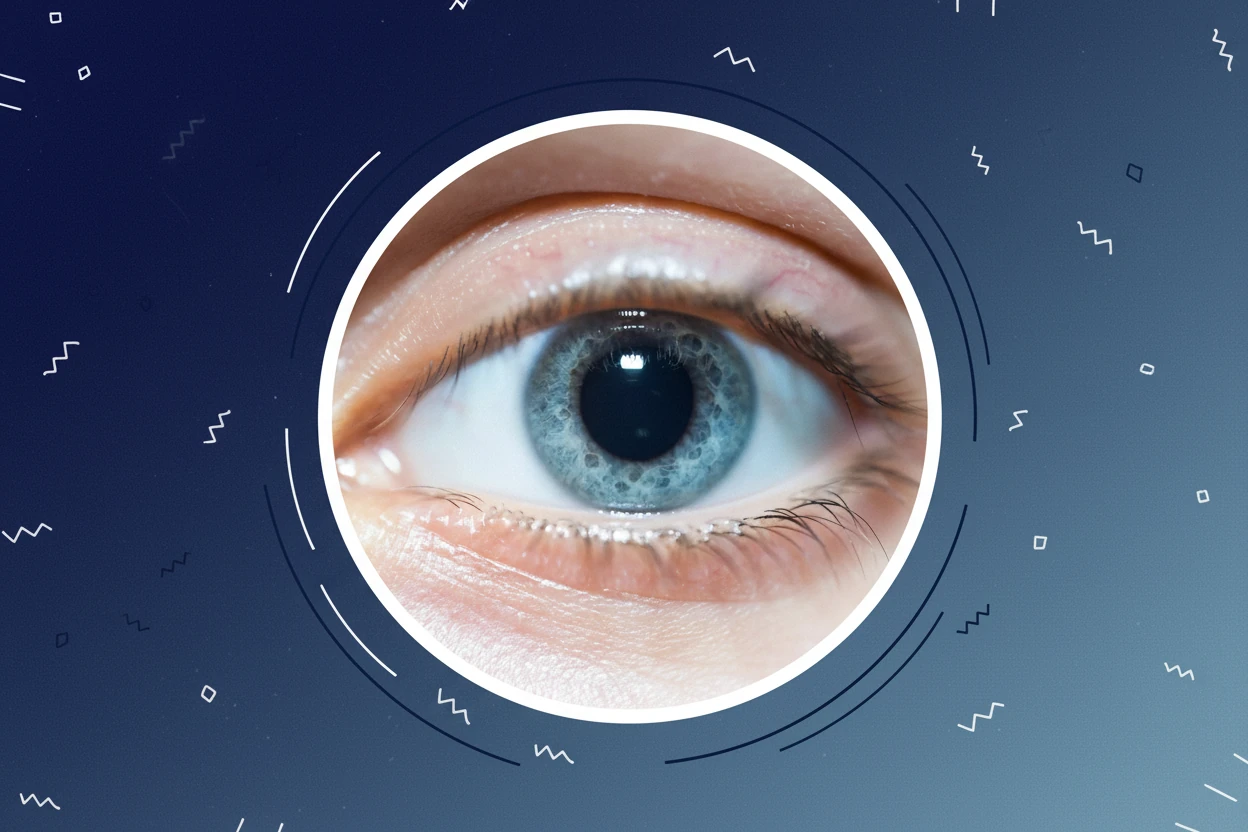
Mydriasis, or pupil dilation, occurs when the black center of the eye becomes larger than normal, affecting how much light enters the eye and influencing vision1. While pupil size naturally changes in response to light, abnormal or prolonged dilation can signal underlying health issues or medication effects2. Understanding the causes, symptoms, diagnosis, and treatment of mydriasis is essential for maintaining eye health and preventing complications3.
Recognizing Mydriasis Symptoms
The pupil is the dark circular opening in the center of the iris that regulates the amount of light entering the eye4. Normally, pupil size varies between 2 to 4 millimeters in bright light and can dilate up to 8 millimeters in dim conditions to improve vision45. Mydriasis refers to abnormal or prolonged dilation of the pupil unrelated to lighting changes67.
Symptoms associated with mydriasis include:
- Light sensitivity (photophobia) due to increased light entering the eye8910
- Blurred or decreased vision as the dilated pupil affects focusing ability8911
- Headaches that may accompany visual discomfort8910
- Unequal pupil sizes (anisocoria), which can be benign or a sign of pathology612
These symptoms can interfere with daily activities such as reading, driving, and exposure to bright environments11. Persistent dilation that does not respond to changes in light is a key sign of mydriasis1.
Dilated pupils may cause blurry vision and headaches, making it difficult to perform routine tasks. If your pupils remain dilated without a clear reason, it is important to seek medical advice1011.
Common Causes of Mydriasis
Mydriasis can arise from a variety of causes, ranging from harmless to serious. The pupil normally dilates in low light to improve vision, but abnormal dilation may result from medications, drugs, injuries, neurological conditions, or systemic diseases41314.
Dilated Pupils During Eye Exam
Pharmacologic pupil dilation is the most common cause of temporary mydriasis1516. Eye drops such as tropicamide and phenylephrine are used to dilate pupils for better visualization of the retina and optic nerve during eye exams151617. This dilation typically lasts 4 to 8 hours but can persist up to 24 hours in some cases118.
- These drops act by relaxing the iris muscles or stimulating sympathetic nerves to enlarge the pupil1917.
- Temporary blurred vision and light sensitivity are common side effects2015.
- Pharmacologic mydriasis is reversible as the drugs are metabolized1516.
Medications
Certain medications can cause mydriasis as a side effect, especially those with anticholinergic properties that block parasympathetic nerve signals controlling pupil constriction13711. Examples include:
- Atropine and similar anticholinergics21711
- Phenylephrine, used in eye drops and nasal sprays217
- Botulinum toxin injections217
- Antidepressants, antihistamines, anti-nausea, anti-seizure, and Parkinson’s disease medications110
Side effects may include visual disturbances and systemic symptoms such as dizziness2223.
Drugs
Recreational drugs can induce mydriasis by stimulating the sympathetic nervous system or interfering with neurotransmitters23. Common substances include:
- Cocaine, ecstasy (MDMA), LSD, methamphetamines, and psychedelic mushrooms123
- These drugs cause pupil dilation unrelated to light conditions and may be accompanied by other neurological symptoms211.
Injuries to the Eye
Trauma to the eye can damage muscles or nerves controlling pupil size, leading to mydriasis311. Eye injuries may cause anisocoria and vision changes2411. Head trauma can also affect pupil size by increasing intracranial pressure1425.
Adie’s Pupil
Adie’s pupil is a rare neurological disorder causing one pupil to be abnormally dilated and slow to react to light1110. It is usually benign but may cause light sensitivity and blurred vision11.
Microvascular Cranial Nerve Palsy
Damage to the cranial nerves controlling the eye muscles, often due to microvascular disease, can cause pupil dilation1110. This condition may develop gradually and affect pupil size and reaction11.
Traumatic Brain Injury
Severe head injuries can increase intracranial pressure, causing fixed and dilated pupils, sometimes called "blown pupils," which may indicate brain herniation and require urgent medical attention71418. This type of mydriasis is often unilateral and accompanied by other neurological signs14.
Migraine
Benign episodic mydriasis is a rare condition associated with migraines, causing temporary unilateral pupil dilation with mild headache, eye pain, and light sensitivity26612. This condition is self-limited but may mimic more serious causes of anisocoria26.
| Cause Category | Examples | Notes |
|---|---|---|
| Pharmacologic | Tropicamide, phenylephrine | Used in eye exams; reversible |
| Neurological | Traumatic brain injury, migraine-prodrome-symptoms-and-feelingsmigraine-prodrome-symptoms-and-feelingsmigraine-relief-16-effective-treatment-optionsmigraine-relief-16-effective-treatment-optionsmigraine | May require urgent intervention |
| Drug-induced | Anticholinergics, botulinum toxin | Side effects; usually reversible |
| Benign episodic mydriasis | Migraine-associated | Rare, self-limited |
| Trauma | Eye injury, head trauma | Can cause anisocoria and vision changes |
Diagnosing Pupil Dilation
Diagnosis of mydriasis involves a thorough clinical history, medication review, and comprehensive eye examination focusing on pupil size and response to light2728. Important diagnostic considerations include:
- Determining if dilation is pharmacologic, traumatic, or neurologic in origin2614
- Evaluating for anisocoria to differentiate benign from serious causes1312
- Assessing for associated neurological symptoms such as headache, dizziness, or vision changes137
Pharmacologic dilation during eye exams is the most frequent cause of temporary mydriasis and typically resolves without intervention1516. However, unexplained or persistent dilation requires prompt evaluation to rule out life-threatening conditions like brain herniation6714.
Mydriasis can be caused by many different factors. It is important to see your optometrist or doctor if your dilated pupils persist. The underlying cause may range from less serious, such as medication side effects, to more serious conditions like brain trauma or nerve damage. Early diagnosis typically leads to better outcomes2.
Mydriasis Treatment Options
Treatment depends on the underlying cause of mydriasis and aims to normalize pupil size and manage symptoms2228. Key approaches include:
- Discontinuation or substitution of causative medications when possible237
- Use of tinted lenses or sunglasses to reduce photophobia and light sensitivity929
- Symptomatic management of headaches and blurred vision9
- In cases of trauma or neurological injury, urgent medical or surgical intervention may be necessary1418
Pharmacologic mydriasis from eye exams usually resolves on its own within hours without treatment1516. For persistent or unexplained dilation, further evaluation and targeted therapy are essential67.
💡 Did You Know?
Dilated pupils (mydriasis) may result from eye drops used during exams, medication side effects, or traumatic injury, and can cause symptoms like blurry vision and headaches1.
When to Seek Medical Care
Prompt medical attention is warranted in the following situations:
- Unexplained pupil dilation, especially if persistent or unilateral67
- Recent eye or head trauma with pupil changes1314
- Accompanying neurological symptoms such as dizziness, confusion, double vision, or drooping eyelid13710
- Signs of increased intracranial pressure or brain herniation, which can be life-threatening714
Early diagnosis and treatment improve outcomes and prevent complications such as vision loss or neurological damage67.
If your pupils dilate without an obvious reason or do not respond to light, seek medical care immediately. This is especially important if you have had recent head trauma or experience other neurological symptoms1014.
Mydriasis Key Points
- Mydriasis is abnormal pupil dilation unrelated to lighting conditions, often causing light sensitivity, blurred vision, and headaches689.
- Common causes include pharmacologic dilation during eye exams, medications, recreational drugs, eye injuries, neurological conditions, and migraines131514.
- Diagnosis requires a detailed history, medication review, and eye examination focusing on pupil size and response2728.
- Treatment targets the underlying cause and symptom relief; pharmacologic dilation usually resolves without intervention2215.
- Seek urgent care for unexplained, persistent, or unilateral dilation, especially with neurological symptoms or recent trauma6714.