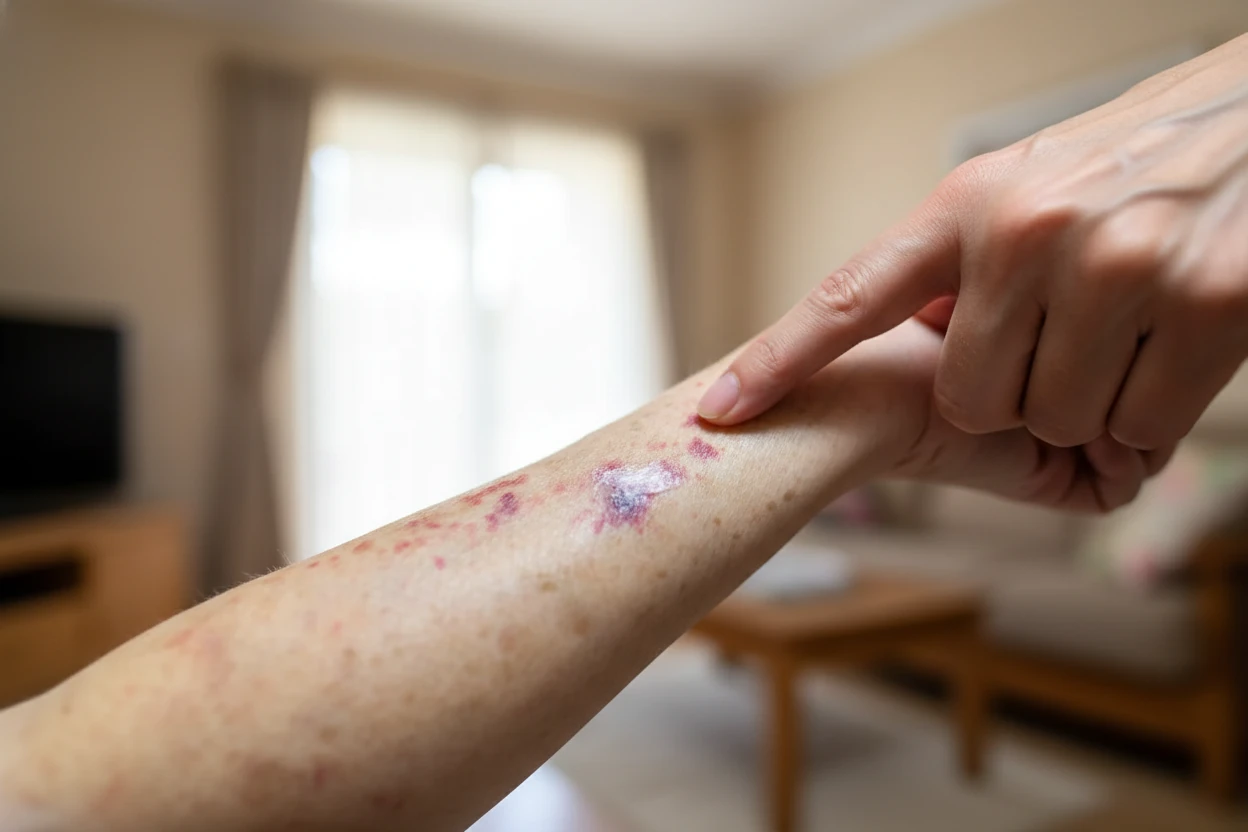
Blackening of the fingertips is often a sign of reduced mcv blood test results meaning and normal range flow or tissue damage in the fingers. This symptom can result from a variety of causes, ranging from harmless cold exposure to serious vascular diseases. Understanding the underlying reasons for fingertip discoloration is crucial for timely diagnosis and treatment to prevent complications such as tissue loss or amputation12. Cold weather is a common trigger that causes blood vessels in the fingers to constrict, leading to temporary color changes that usually resolve with warming3.
Buerger's Disease and Black Fingertips
Buerger's disease, also known as thromboangiitis obliterans, is a rare inflammatory condition affecting small and medium-sized arteries and veins in the arms and legs. It is strongly linked to tobacco use, especially in young men under 45 years old45. The disease causes blood vessels to become inflamed and blocked by clots, resulting in reduced blood flow (ischemia) to the fingers and toes. This leads to symptoms such as:
- Fingers or toes turning pale, blue, or red, especially when exposed to cold4.
- Burning or tingling sensations in the hands and feet5.
- Pain in the lower extremities during walking or at rest4.
- Painful ulcers or sores on fingers and toes5.
- Inflammation of veins just beneath the skin surface4.
Without adequate blood flow, tissue damage can progress to gangrene, characterized by blackened or necrotic skin, numbness, and foul odor4. Up to 43% of patients who continue smoking may require amputation within 8 years1.
There is no cure for Buerger's disease. The most critical intervention is complete cessation of all tobacco products, including cigarettes, chewing tobacco, and marijuana, as continued use worsens the disease45. Supportive treatments include medications such as aspirin to improve blood flow and pain management strategies5. In severe cases, surgical removal of affected fingers or toes may be necessary4.
Key points about Buerger's disease:
- It primarily affects small blood vessels in the hands and feet4.
- Tobacco use is the main risk factor and trigger5.
- Symptoms include color changes, pain, and ulcers on fingers and toes4.
- Smoking cessation is essential to halt disease progression5.
- Amputation may be required if tissue death occurs1.
Cold Weather Effects on Fingertips
Cold weather causes the body to conserve heat by constricting blood vessels in the extremities, including the fingers. This vasoconstriction reduces blood flow, leading to numbness, tingling, and color changes such as paleness or bluish discoloration3. These changes are usually temporary and resolve once the fingers warm up.
Two common cold-related conditions affecting fingertips are pernio (chilblains) and frostbite:
-
Pernio (Chilblains): An inflammatory skin condition triggered by cold, damp environments. It presents as painful, red or purple lesions on fingers, toes, ears, or nose. Symptoms include burning, itching, tenderness, and sometimes blisters or ulcers. Most cases resolve within weeks, but severe forms may ulcerate1.
-
Frostbite: Occurs when tissue freezes due to exposure to temperatures below 32°F (0°C). Ice crystals form inside cells, causing dehydration and microvascular thrombosis (small blood clots), which can lead to tissue death. Fingertips may turn dark purple or black if blood vessels fail to function properly. Treatment focuses on salvaging as much tissue as possible1.
Preventing cold-related fingertip problems involves:
- Avoiding exposure to cold and damp environments1.
- Wearing warm clothing, especially mittens or gloves3.
- Avoiding handling ice or frozen foods without protection1.
Raynaud's Disease Symptoms
Raynaud's disease is a disorder characterized by episodic spasms (vasospasm) of small blood vessels in the fingers and toes, triggered by cold or emotional stress. These spasms severely narrow the vessels, limiting blood flow and causing characteristic color changes67.
Typical symptoms include:
- Fingers or toes turning white (due to lack of blood flow), then blue (due to lack of oxygen), and finally red (when blood flow returns)6.
- Coldness, numbness, or tingling sensations in affected areas7.
- Attacks lasting from minutes to hours, often resolving with warming6.
- In severe cases, sores or tissue death (ulcers or gangrene) may develop, especially in secondary Raynaud's6.
Raynaud's is classified into two types:
- Primary Raynaud's (Raynaud's disease): Occurs without an underlying disease and is usually mild6.
- Secondary Raynaud's (Raynaud's phenomenon): Associated with other conditions such as connective tissue diseases (e.g., scleroderma), vasculitis, or occupational exposures. It tends to be more severe and can cause ulcers or gangrene67.
Management includes lifestyle measures such as:
- Keeping hands warm and avoiding sudden temperature changes8.
- Avoiding smoking and caffeine, which can worsen symptoms8.
- Stress management techniques8.
Medications like calcium channel blockers help dilate blood vessels and reduce attack frequency and severity6.
Scleroderma and Finger Discoloration
Scleroderma, or systemic sclerosis, is a rare autoimmune disease that causes excessive fibrosis (hardening and thickening) of the skin and internal organs. It involves small vessel vasculopathy, leading to poor blood supply and digital ischemia9.
Key features related to fingertips include:
- Raynaud's phenomenon as an early and common symptom, causing vasospasm and color changes in the digits910.
- Puffy fingers and abnormal nailfold capillaries detectable by capillaroscopy9.
- Digital ulcers, necrosis, and gangrene in severe cases due to progressive vascular damage9.
- Other systemic symptoms such as joint pain, digestive problems, and kidney involvement9.
Diagnosis involves clinical evaluation, nailfold capillaroscopy, and autoantibody testing to distinguish primary from secondary Raynaud's and confirm scleroderma910.
Treatment focuses on:
- Vasodilators, primarily calcium channel blockers, to improve blood flow910.
- Prostacyclin analogs and other vasodilators for severe vascular symptoms9.
- Immunosuppressants for progressive skin or lung disease9.
Early recognition and management are crucial to prevent irreversible tissue damage10.
Vasculitis Impact on Fingers
Vasculitis refers to a group of disorders characterized by inflammation and necrosis of blood vessel walls, which can reduce blood flow and cause ischemia in affected tissues11. Small vessel vasculitis can lead to digital gangrene, especially in autoimmune diseases like rheumatoid arthritis11.
Clinical features include:
- Disruption of vessel walls by inflammatory cells, fibrinoid necrosis, and endothelial swelling seen on skin biopsy11.
- Digital ulcers, necrosis, and blackening of fingertips due to ischemia11.
- Systemic symptoms such as fever and weakness may accompany vasculitis11.
Treatment depends on the vasculitis subtype and severity and often includes:
- Glucocorticoids (steroids) to reduce inflammation11.
- Immunosuppressants or biologic agents for refractory or severe disease11.
Early diagnosis and treatment are essential to prevent permanent tissue loss and systemic complications11.
When to See a Doctor
Prompt medical evaluation is necessary if you notice unexplained color changes or blackening of your fingers. Key reasons to seek care include:
- Sudden or progressive discoloration of fingers or toes without a clear cause12.
- Presence of painful sores, ulcers, or blackened tissue on the fingertips12.
- Symptoms affecting only one side of the body or accompanied by joint pain, skin rashes, or muscle weakness8.
- New onset of Raynaud's symptoms after age 30 or in children under 128.
- Signs of infection, severe pain, or loss of function in the fingers12.
Healthcare providers may perform:
- Detailed physical examination and medical history12.
- Blood tests including antinuclear antibody (ANA), antineutrophil cytoplasmic antibody (ANCA), complete blood count (CBC), and inflammatory markers1112.
- Imaging studies such as duplex Doppler ultrasound to assess blood flow12.
- Skin or vessel biopsy when vasculitis or connective tissue disease is suspected1112.
Early diagnosis allows for appropriate treatment to prevent complications such as ulceration, gangrene, or amputation12.
“Blackening fingertips can be a concerning symptom and can be associated with various health conditions, such as Peripheral Artery Disease (PAD), Raynaud's disease, or certain skin disorders.”
— Dr. S A Rehman, General Medicine2
Preventing Black Fingertips
Prevention strategies depend on the underlying cause but generally include:
- Avoiding cold exposure and keeping hands warm with mittens or gloves18.
- Quitting smoking and avoiding all tobacco products to improve circulation and reduce risk of Buerger's disease and vasculitis complications14.
- Managing stress and emotional triggers that can precipitate Raynaud's attacks10.
- Protecting hands from trauma and chemical irritants that may damage skin and blood vessels2.
- Regular follow-up with healthcare providers for early detection and management of autoimmune or vascular diseases13.
Early referral to specialists such as rheumatologists is recommended when connective tissue disease or vasculitis is suspected13.
Key Takeaways
- Blackening of fingertips often signals reduced blood flow or tissue damage and requires prompt evaluation1.
- Buerger's disease is a tobacco-related vascular condition causing inflammation and clotting in small vessels, leading to ischemia and possible amputation4.
- Cold weather causes temporary vasoconstriction that can lead to color changes but usually resolves with warming; severe cold exposure can cause chilblains or frostbite13.
- Raynaud's disease causes episodic vasospasm with characteristic color changes and may lead to ulcers in severe cases, especially secondary Raynaud's6.
- Scleroderma and vasculitis are autoimmune conditions that cause vascular damage and increase risk of digital ulcers, necrosis, and gangrene911.
- Early diagnosis and management, including smoking cessation and vasodilator therapy, are critical to prevent irreversible tissue loss104.
- Protecting hands from cold, trauma, and chemical exposure, along with regular medical care, helps prevent blackening of fingertips12.