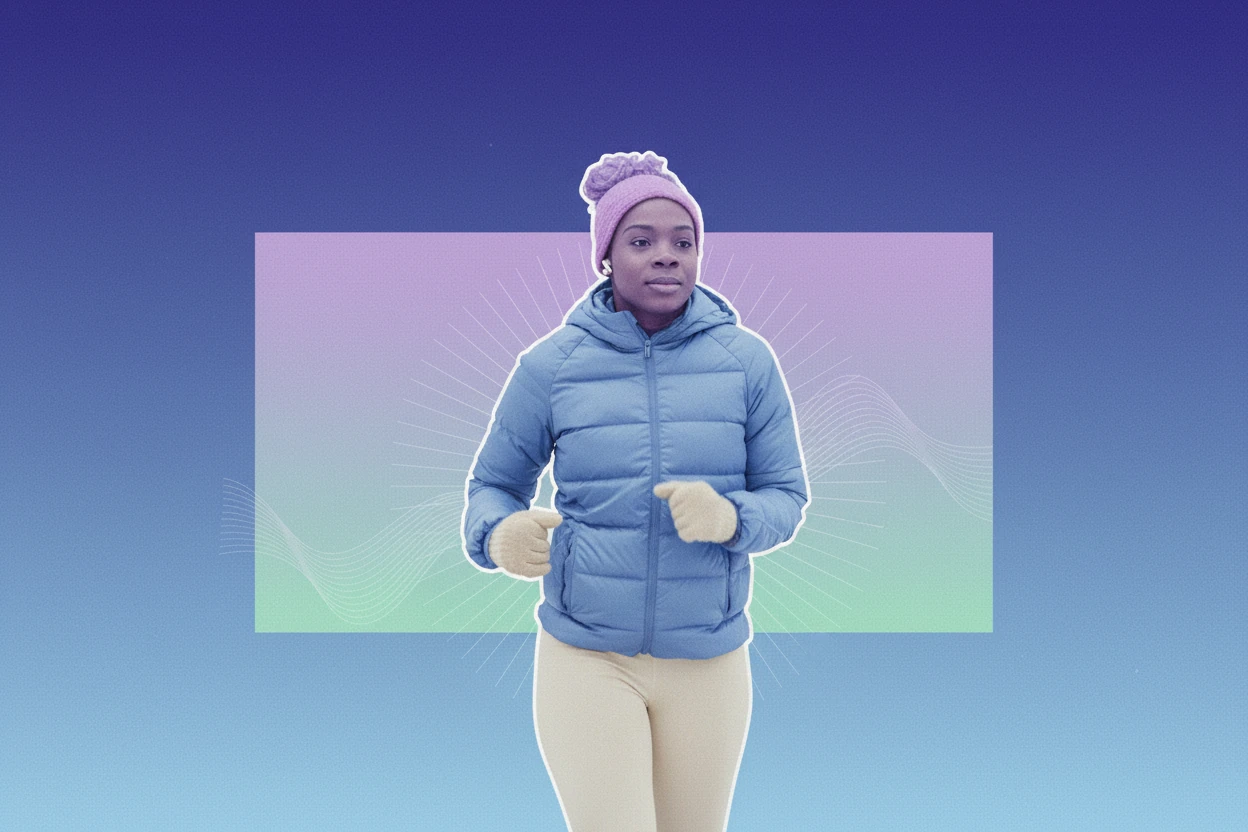
Coughing after running is a common experience, especially in cold weather, affecting many athletes and recreational runners alike1. This occurs because cold, dry air can irritate the airways, leading to temporary narrowing and inflammation that trigger coughing and other respiratory symptoms2. Understanding the causes and management of post-run coughing can help runners maintain their training safely and comfortably in cold environments3.
Causes of Post-Run Coughing
Coughing after running in cold weather is primarily linked to two conditions: exercise-induced bronchoconstriction (EIB) and exercise-induced rhinitis. Both involve airway irritation and inflammation triggered by physical activity and cold air exposure.
Exercise-Induced Bronchoconstriction (EIB)
Exercise-induced bronchoconstriction (EIB) is a condition where the airways temporarily narrow during or after exercise, causing symptoms such as coughing, wheezing, chest tightness, and shortness of breath4. It affects up to 20% of the general population and as many as 90% of people with asthma-symptoms-causes-and-treatmentasthma-symptoms-causes-and-treatmentasthma-types-classifications-triggers-and-severityasthma-types-classifications-triggers-and-severityasthma5. EIB can occur even in individuals without chronic asthma and is often triggered by inhaling cold, dry air during physical activity3.
When running, especially in cold weather, mouth breathing increases, allowing more cold, dry air to enter the lungs. This air cools and dries the airway lining, causing epithelial stress and triggering airway swelling and muscle constriction around the airways67. This narrowing reduces airflow and leads to coughing and breathing difficulties8. The symptoms typically begin 5 to 20 minutes into running or shortly after stopping and usually resolve within 30 to 60 minutes post-exercise95.
Cold exposure can also cause histamine release, a chemical that contributes to airway inflammation and asthma-like symptoms such as coughing and wheezing810. Environmental irritants like pollen, pollution, and allergens inhaled during outdoor running can further exacerbate airway irritation73.
Exercise-Induced Rhinitis
Exercise-induced rhinitis is another cause of coughing after running, characterized by inflammation of the nasal mucosa triggered by increased airflow during exercise11. This condition leads to symptoms such as nasal congestion, itching, sneezing, and postnasal drip, which can irritate the throat and cause coughing128.
Unlike EIB, which affects the lower airways, exercise-induced rhinitis primarily involves the upper airways and nasal passages11. It is common among athletes training in cold environments and can coexist with EIB, compounding respiratory symptoms during and after exercise1213.
Reducing Coughing After Running
Many athletes continue to enjoy running in cold weather despite respiratory challenges by adopting strategies to reduce coughing and airway irritation3. Understanding how to minimize airway narrowing and inflammation can improve comfort and performance.
- Warm up gradually before running to reduce airway sensitivity and the risk of bronchoconstriction39.
- Breathe through the nose rather than the mouth to warm and humidify inhaled air, reducing airway irritation810.
- Cover the mouth and nose with a scarf or heat and moisture exchanger (HME) device to warm and humidify cold air before it reaches the lungs1415.
- Avoid outdoor exercise when pollen counts or pollution levels are high to reduce exposure to environmental irritants73.
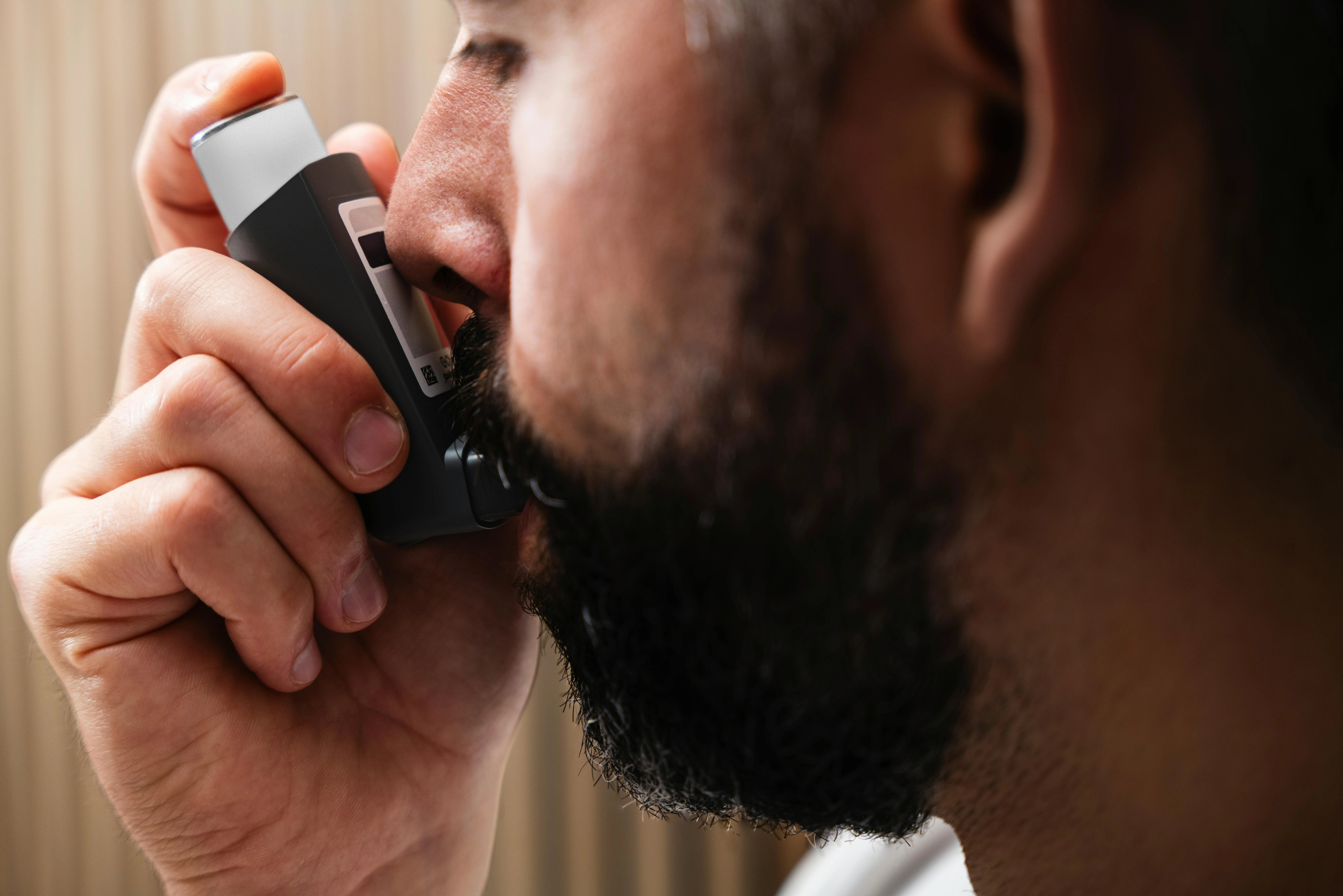
- Use pre-exercise inhalers as prescribed to prevent airway narrowing and coughing during runs73.
Coughing after running often happens because your body takes in more air—along with dust, pollen, or cold air—which can irritate your airways. It can also be a sign of exercise-induced bronchoconstriction, where your airways temporarily tighten during or after exercise.1
Preventing Exercise-Induced Cough
Prevention focuses on managing airway hyperresponsiveness and minimizing exposure to cold, dry air and irritants. With proper care, individuals with EIB or exercise-induced rhinitis can safely continue running in cold weather39.
- Perform a 5–10 minute warm-up with light aerobic activity to reduce bronchoconstriction risk39.
- Cool down slowly after exercise to help airways return to normal gradually39.
- Prefer nasal breathing during exercise to warm and humidify inhaled air810.
- Use scarves, face masks, or heat and moisture exchangers to protect airways from cold air814.
- Consider indoor exercise or climate-controlled environments when temperatures drop below −15°C to avoid airway epithelial stress63.
| Prevention Strategy | Benefit | Evidence Source(s) |
|---|---|---|
| Warm-up and cool-down routines | Reduce airway sensitivity and bronchoconstriction risk | 39 |
| Nasal breathing | Warms and humidifies inhaled air, reducing irritation | 810 |
| Mouth/nose covering (scarf/HME) | Protects airways by warming cold air | 1415 |
| Indoor exercise | Avoids exposure to cold, dry air | 39 |
| Pre-exercise inhaler use | Prevents bronchoconstriction and coughing | 73 |
“Before you venture outdoors for cold air activities, use your quick-relief inhaler about 20-30 minutes prior to the activity. This is a good tip before doing any activity that may trigger your asthma.”
— Albert Rizzo, American Lung Association16
When to See a Doctor
While occasional coughing after running in cold weather is common, persistent or severe symptoms require medical evaluation to rule out underlying conditions and optimize treatment39.
Seek medical advice if you experience:
- Persistent or recurrent cough lasting more than a week after exercise39.
- Severe shortness of breath, chest tightness, or wheezing during or after running39.
- Difficulty swallowing (dysphagia), facial or throat swelling, or inspiratory stridor (high-pitched breathing sounds)39.
- Symptoms suggestive of heart failure or airway obstruction39.
- Purulent (pus-containing) sputum with odor indicating possible bacterial infection1718.
Healthcare providers may recommend pulmonary function tests, exercise challenge tests, or chest X-rays to diagnose EIB or other respiratory conditions4. Treatment may include:
- Pre-exercise inhalers (short-acting beta-agonists) to prevent bronchoconstriction39.
- Daily controller medications such as corticosteroids or leukotriene modifiers for chronic management39.
- Adjusting exercise intensity or choosing activities with lower ventilation demands to reduce symptoms39.
“The irritation of the cold dry air causes the lungs to react, resulting in more inflammation, the muscles around the airways constricting and narrowing, and more mucous clogging the airways.”
— Albert Rizzo, American Lung Association16
Key Takeaways
- Coughing after running in cold weather is often caused by exercise-induced bronchoconstriction (EIB) or exercise-induced rhinitis, both triggered by cold, dry air and physical exertion38.
- EIB involves temporary narrowing of the lower airways, leading to coughing, wheezing, and breathing difficulties during or after exercise79.
- Exercise-induced rhinitis causes nasal inflammation, resulting in congestion, sneezing, and postnasal drip that can provoke coughing1112.
- Preventive strategies such as warming up, nasal breathing, covering the mouth and nose, and using inhalers can reduce symptoms and allow safe exercise in cold conditions314.
- Persistent or severe respiratory symptoms require medical evaluation and may need prescription medications or adjustments in exercise routines39.
Common Questions
Why do I cough after running in cold weather?
Cold, dry air irritates the airways, causing them to narrow and swell, which triggers coughing. This is often due to exercise-induced bronchoconstriction or nasal inflammation from exercise-induced rhinitis78.
Can I continue running if I have exercise-induced bronchoconstriction?
Yes, with proper management including warm-ups, nasal breathing, protective coverings, and pre-exercise inhalers, most people with EIB can safely continue running39.
How does nasal breathing help reduce coughing?
Breathing through the nose warms and humidifies the air before it reaches the lungs, reducing airway irritation caused by cold, dry air810.
Is coughing after running always a sign of asthma?
No, coughing can occur in people without asthma due to airway irritation from cold air or exercise. However, EIB is common in people with asthma, affecting up to 90% of them35.
When should I see a doctor about my cough?
If your cough persists beyond a week, is severe, or is accompanied by breathing difficulties, chest pain, or other concerning symptoms, seek medical evaluation39.
Frequently Asked Questions
What is exercise-induced bronchoconstriction (EIB)?
EIB is a temporary narrowing of the airways during or after exercise, causing symptoms like coughing, wheezing, and shortness of breath. It is common in people with asthma but can also occur in those without asthma4.
How does cold air trigger respiratory symptoms during running?
Cold air is often dry and cools the airway lining, causing dehydration and irritation. This leads to airway inflammation, muscle constriction, and increased mucus production, resulting in coughing and breathing difficulties616.
Are there devices to help reduce cold air irritation?
Yes, heat and moisture exchangers (HMEs) and scarves can warm and humidify inhaled air, reducing airway irritation and symptoms during cold-weather exercise1415.
Can exercise-induced rhinitis cause coughing?
Yes, inflammation of the nasal passages during exercise can cause nasal congestion and postnasal drip, which irritates the throat and triggers coughing1112.
What are the best exercises for people prone to EIB?
Low-intensity or intermittent activities with lower ventilation demands, such as walking or sports with short bursts of exertion, may provoke fewer respiratory symptoms than continuous running39.