Sudden cardiac arrest (SCA) affects over 350,000 Americans annually, with many cases occurring outside hospitals1. While exercise is generally heart-healthy, strenuous physical activity can transiently increase the risk of sudden cardiac arrest, especially in those with underlying heart disease2. Automated external defibrillators (AEDs) placed in gyms and fitness centers have been shown to significantly improve survival rates by providing rapid defibrillation during cardiac emergencies3.
Exercise and Heart Attack Risk
Exercise is widely recognized for its cardiovascular benefits, including reducing the risk of sudden cardiac death (SCD) compared to sedentary lifestyles2. However, physical activity can also trigger acute cardiac events in individuals with underlying heart conditions2. Sudden cardiac arrest may occur even in apparently healthy athletes performing at high levels, although this is rare4.
The risk of SCA is highest among people who are usually inactive and suddenly engage in strenuous exercise4. Atherosclerosis, the buildup of fatty plaques in arterial walls, is a common underlying cause of cardiac arrest in the general population4. This condition narrows arteries and increases the risk of heart attacks and arrhythmias that can lead to cardiac arrest4.
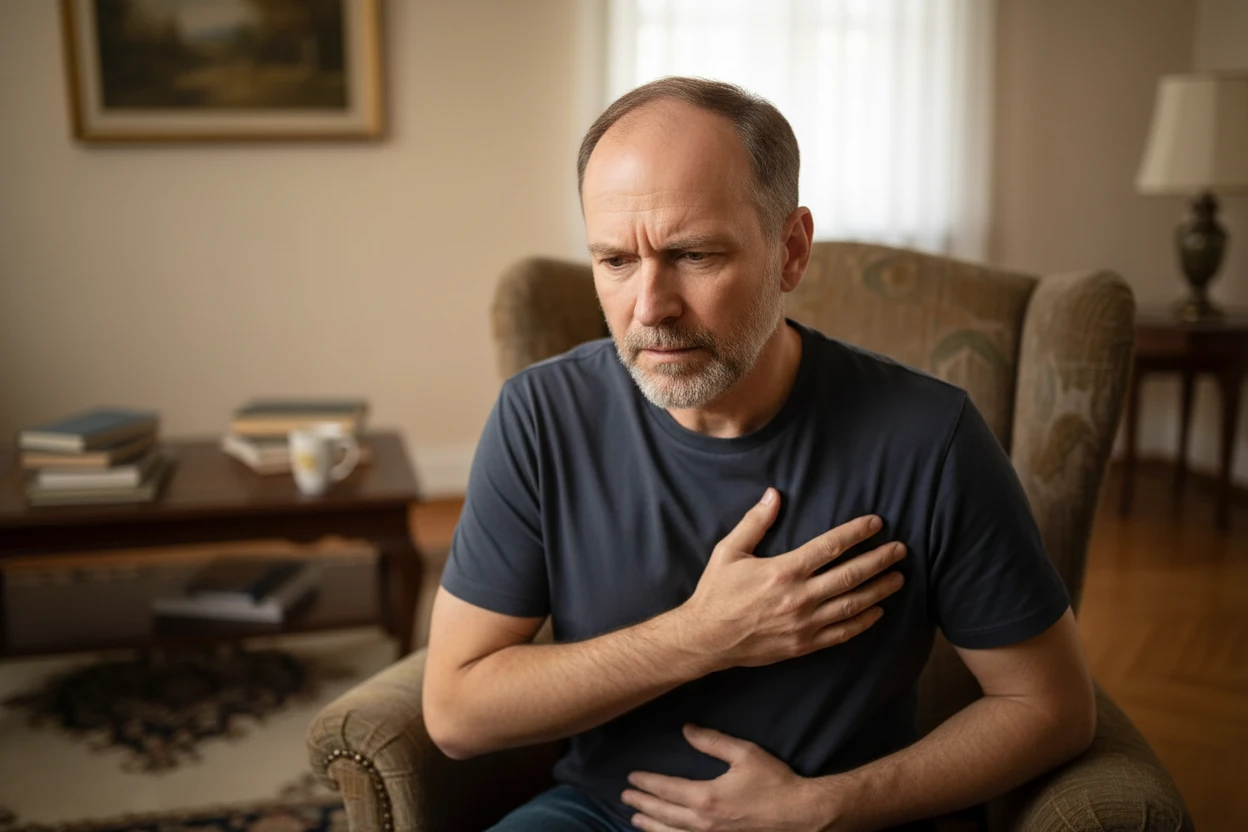
It is important to distinguish between a heart attack and cardiac arrest. A heart attack occurs when blood-pressure-signs-and-symptomsblood-pressure-signs-and-symptomsblood-pressure-effective-strategies-and-tipsblood-pressure-effective-strategies-and-tipsblood flow to the heart muscle is blocked, causing damage but not necessarily stopping the heart from beating5. In contrast, cardiac arrest is the sudden cessation of heart function, often due to an irregular heartbeat like ventricular fibrillation5. Exercise can increase the immediate risk of SCA, particularly in middle-aged individuals and those with coronary artery disease, where vigorous exercise may raise the risk up to 17-fold during the activity63.
To reduce risk, gradual progression in exercise intensity and medical consultation before starting new or intense exercise programs are advised4. Regular aerobic exercise several times per week and warming up before workouts help prepare the heart and muscles, potentially lowering the risk of cardiac events4.
AED Machine Basics
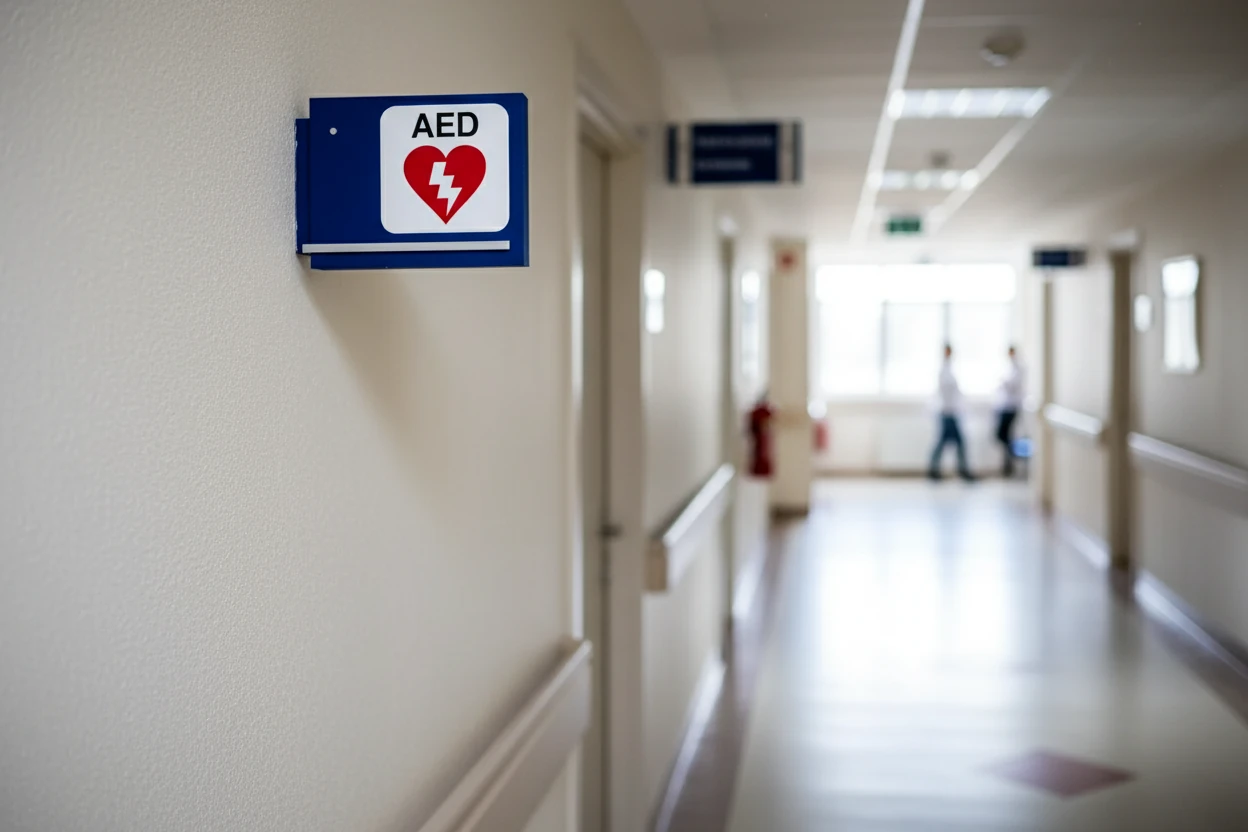
Automated external defibrillators (AEDs) are portable devices designed to treat sudden cardiac arrest by delivering an electric shock to restore a normal heart rhythm5. Sudden cardiac arrest claims approximately 1,000 lives daily in the United States, making AEDs critical tools for emergency response7.
AEDs analyze the heart's rhythm and determine if a shock is needed, specifically for ventricular fibrillation or pulseless ventricular tachycardia5. They provide voice prompts and visual instructions, enabling even untrained bystanders to use them effectively5.
Most cardiac arrests happen to people with underlying heart disease, such as atherosclerosis, which causes irregular heart rhythms leading to cardiac arrest47. While regular exercise reduces the long-term risk of sudden cardiac death, strenuous exertion can raise the short-term risk, especially in those with heart disease28.
Gyms and fitness centers are increasingly equipped with AEDs as part of safety plans, as having an AED on-site can mean the difference between life and death during a cardiac emergency39. However, smaller gyms and non-traditional workout venues are less likely to have AEDs available10. The cost of AED machines typically ranges from $1,200 to $3,000 depending on the model and features11.
“AED machines can help save lives during sudden cardiac arrest at gyms. These machines have voice prompts and instructions, allowing untrained users to operate them.8”
When to Use an AED
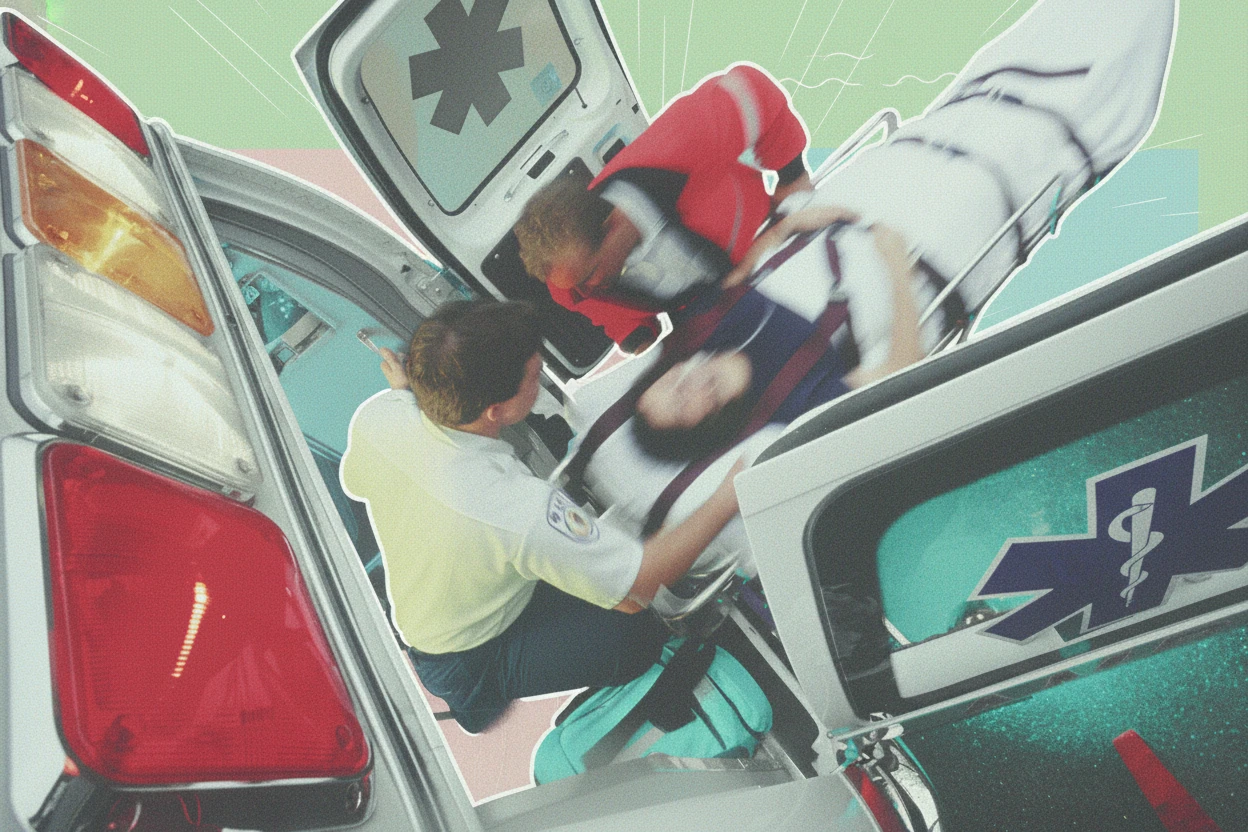
An AED should be used immediately when someone is suspected of having a sudden cardiac arrest. Signs include sudden collapse, unresponsiveness, absence of normal breathing, and no detectable pulse5. Early defibrillation with an AED can double or even triple survival chances, especially when combined with immediate cardiopulmonary resuscitation (CPR)1213.
AEDs are increasingly placed in public venues such as gyms, airports, schools, and sports facilities to improve access during emergencies10. Public access defibrillation (PAD) programs encourage widespread AED availability to increase survival from out-of-hospital cardiac arrest13. Some states have laws mandating AEDs in health clubs and gyms, with requirements for trained staff and emergency response protocols14.
Individuals with higher cardiac risk or those who exercise frequently may consider personal AED ownership, though this decision should be based on personal health risk and lifestyle11. Older adults and people with known cardiac risk factors benefit most from AED availability15.
Gyms that incorporate AEDs into their safety plans not only comply with legal requirements but also enhance overall facility security and emergency preparedness16.
“Taking a CPR certification course is always a good idea. However, in an emergency, you should not let lack of training stop you from attempting to save someone's life.”
— Mary Norine Walsh, Ascension Medical Group8
AED Operation Steps
AEDs are designed for use by laypersons and provide clear, step-by-step voice instructions during an emergency5. The general steps for operating an AED are:
- Confirm the victim is unresponsive and not breathing normally5.
- Call emergency services immediately or have someone else do so5.
- Turn on the AED and follow the voice prompts5.
- Expose the victim’s chest and ensure it is dry before attaching the electrode pads5.
- Place the pads on the upper right chest and lower left side as indicated on the device5.
- Make sure no one is touching the victim while the AED analyzes the heart rhythm5.
- Deliver a shock if the AED advises, ensuring everyone is clear5.
- Continue CPR after shock delivery or if no shock is advised, until emergency help arrives5.
AEDs will not deliver a shock unless the heart rhythm is one that can be treated by defibrillation, such as ventricular fibrillation5. They are ineffective for treating a heart attack unless cardiac arrest occurs5.